
Antique Textile Panel
An antique textile panel brings centuries of hand-stitched colour and pattern into a room, offering rich visual history for display on walls or within furniture.
Antique Textile Panel
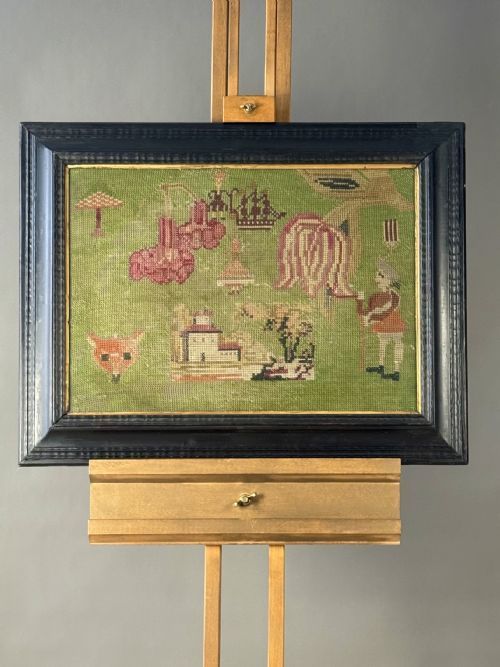
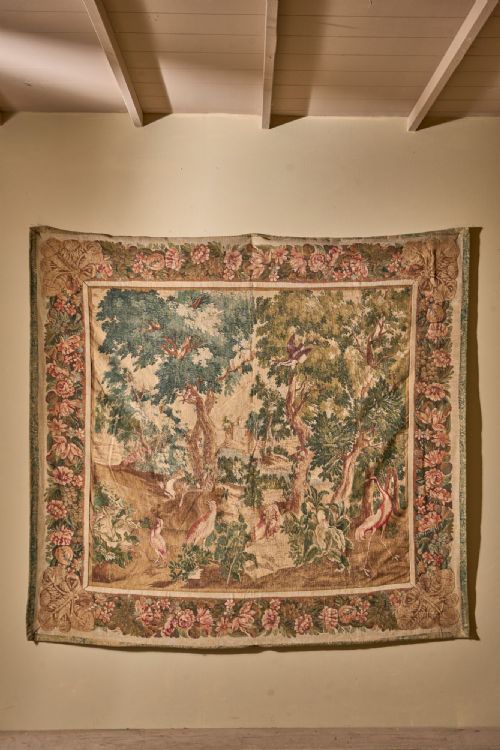
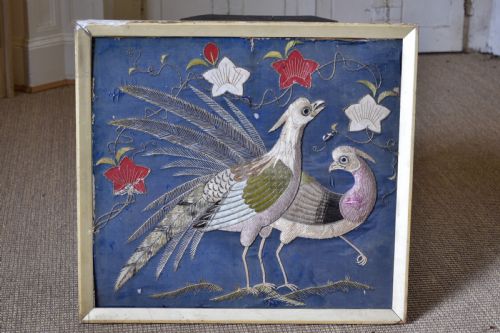
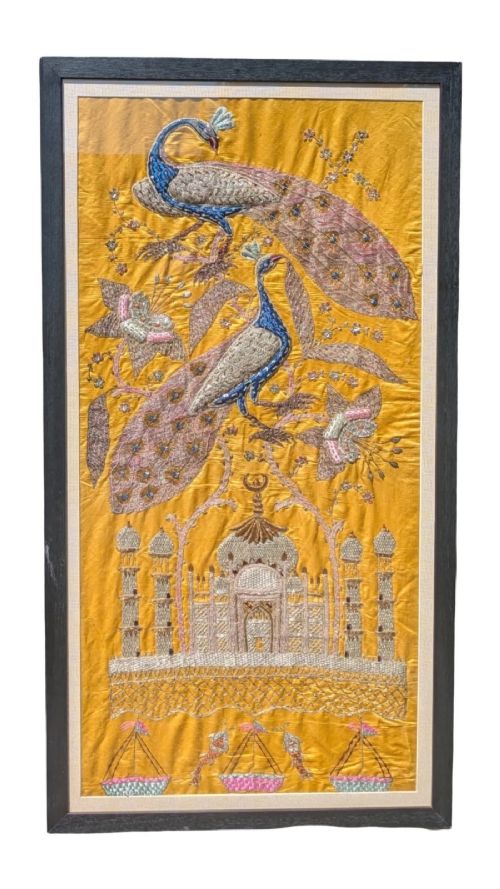
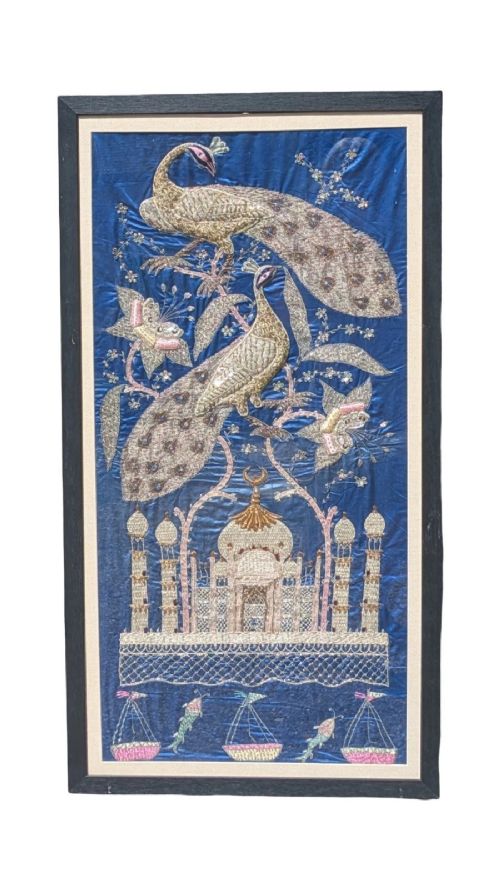
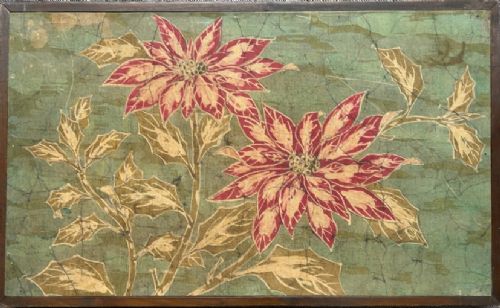
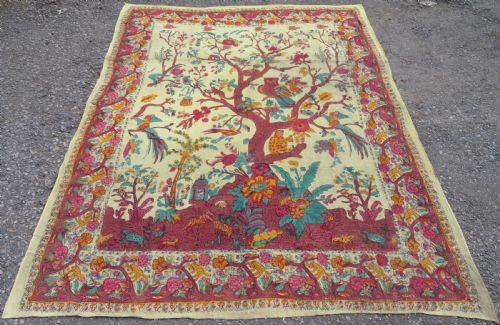
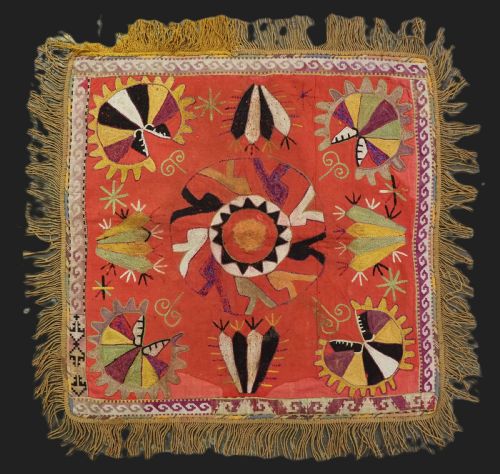
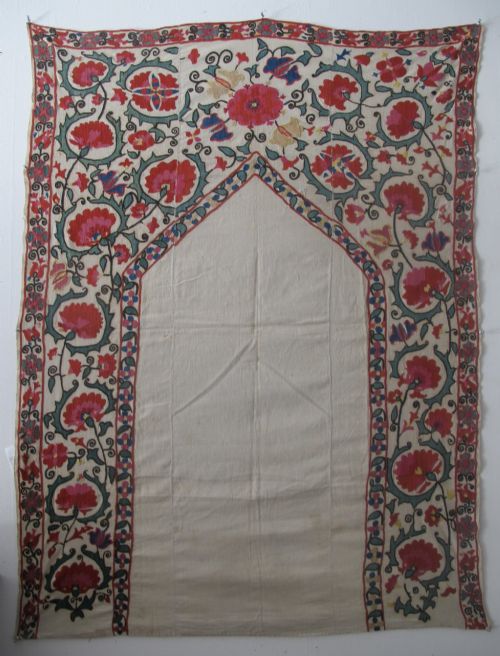
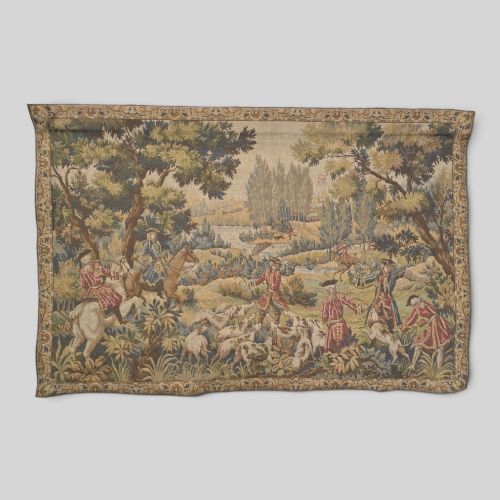
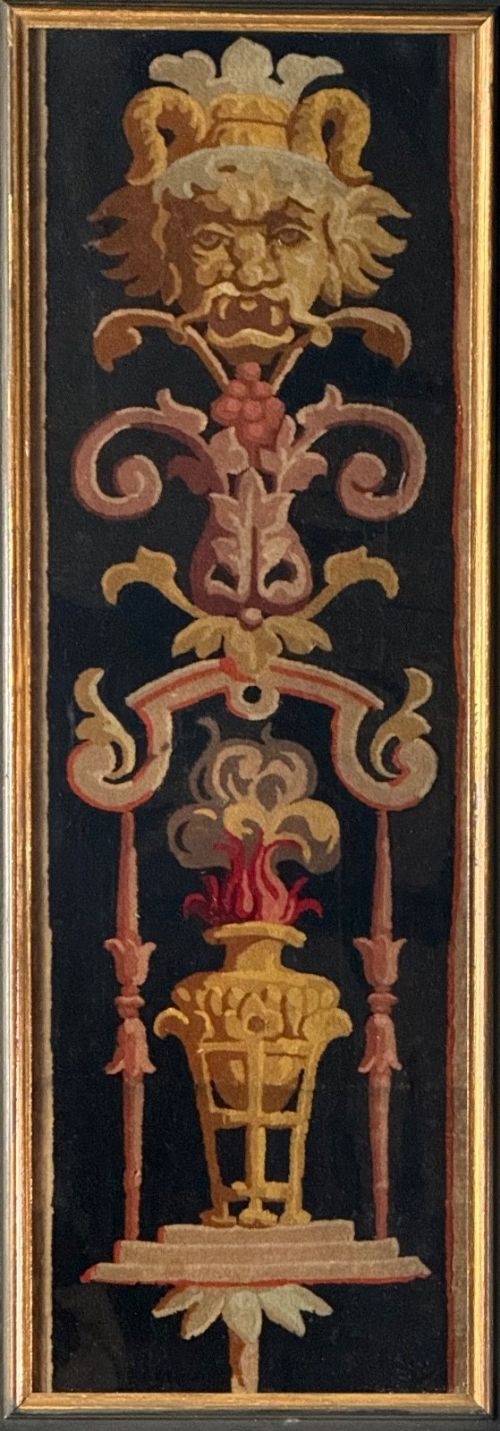
When you search for an antique textile panel, you encounter a diverse range of historic wall hangings, framed needleworks, tapestries and tribal embroideries spanning multiple centuries. The selection includes English crewelwork, French tapestry fragments, Chinese silk rank badges and Central Asian suzanis or dowry embroideries.
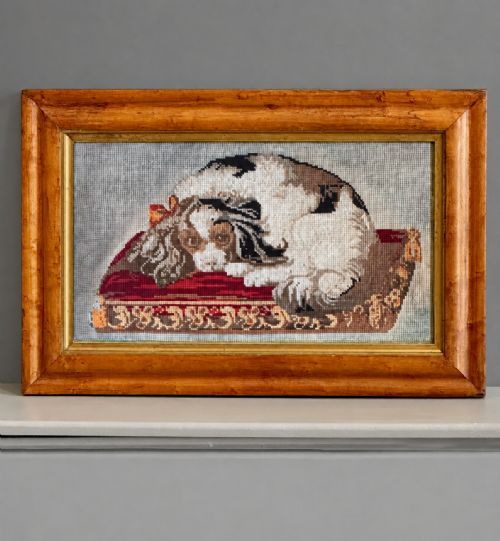
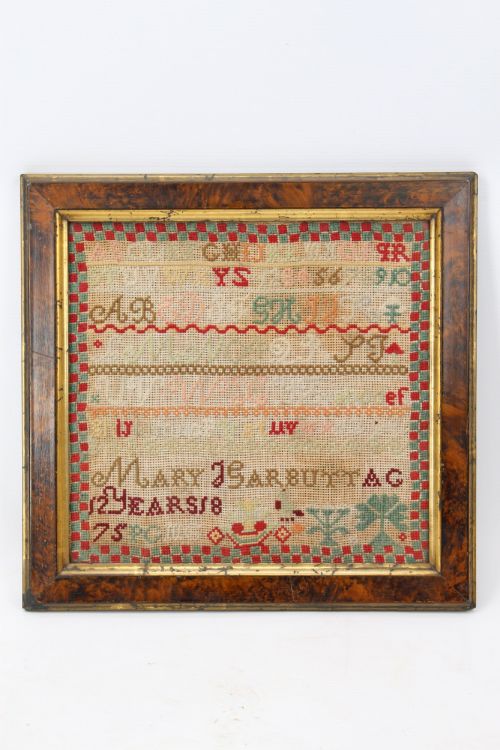
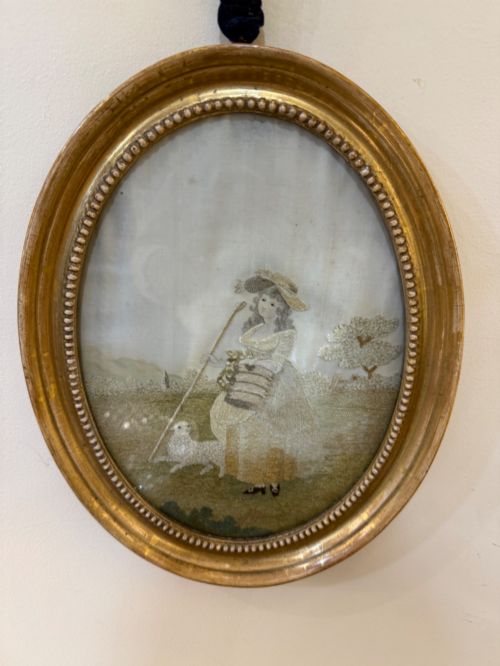
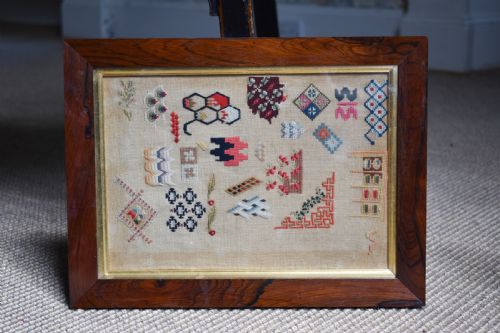
You are most likely to meet nineteenth-century needlework samplers, Victorian wool work pictures and Central Asian tribal hangings on this page. These pieces vary widely from small framed domestic stitches to large crewelwork and embroidered panels designed for interior decoration.
How they were made
Materials recorded in these pieces rely heavily on natural fibres such as silk, wool, cotton and linen, frequently worked with metallic thread upon canvas or woven grounds. Frame mountings often incorporate wood, glass and giltwood alongside burr maple or faux tortoiseshell surrounds.
Techniques combine hand embroidery, needlework, crewelwork, block printing and patchwork. Artisans utilised varied stitches to build pictorial designs depicting flora, fauna, human figures and architectural motifs.
Antique Textile Panel Retail Price Guide 2026
Typical asking prices for textile panel among the pieces listed under this phrase on Sellingantiques today, from the lower quarter to the upper quarter. They describe what is for sale here now, not the wider market.
Geographic origins represented on this page stretch from English needlework rooms and French workshops to Central Asian steppes and China.
What varies in quality
Quality rests upon the fineness of the stitching and the complexity of the design, where dense needlework and intricate pictorial detail distinguish finer examples from simpler domestic efforts. The condition of the textile ground and the survival of original vibrant threads dictate desirability.
The sophistication of the mounting also plays a role, with original frames like burr maple or giltwood enhancing the overall integrity of the piece compared to later replacements.
The Antique Textile Panel Glossary
- Suzani
- An embroidered tribal textile originating from Central Asia, typically worked in silk on a cotton or linen ground with bold floral and geometric motifs.
- Crewelwork
- A traditional form of embroidery utilising wool yarn to create heavy, textured pictorial designs on linen or cotton twill fabrics.
- Sampler
- A piece of needlework produced by an individual to demonstrate proficiency in various stitches, frequently displaying alphabets, names and dates.
- Tapestry
- A form of textile art woven by hand on a loom, depicting pictorial scenes often used historically as wall hangings or room dividers.
- Rank Badge
- A square embroidered panel worn on official robes in imperial China to denote the social standing of the wearer.
Antique Textile Panel: Frequently Asked Questions
How were textile panels used historically?
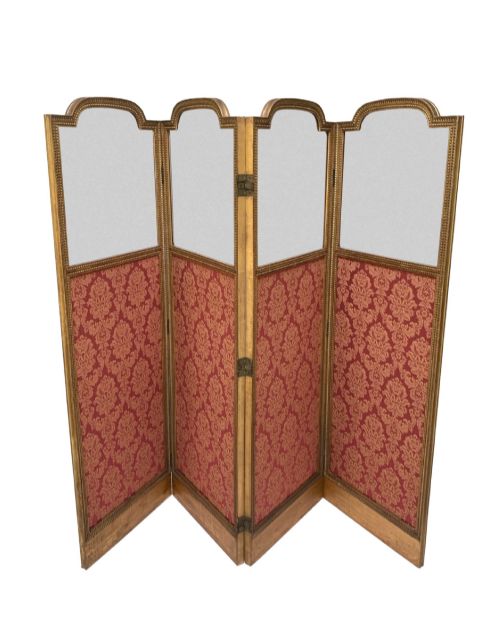
Historic textiles served varied domestic functions, ranging from wall hangings and decorative screens to dowry items and portable furnishings.
Many pieces were created for personal display within homes, while others formed parts of traditional garments or ceremonial trappings.
How do I care for an antique textile panel?
Protect fragile historic fabrics by keeping them away from direct sunlight, which fades natural silk and wool threads over time.
Mount panels securely using professional framing methods behind glass or support them properly if hung openly as wall art.
How can I tell the period of a textile?
Dating relies on examining the types of textile fibres, the style of the embroidery stitches, and any recorded dates or signatures incorporated into samplers.
Regional motifs and framing materials also offer strong clues to whether a piece originates from the seventeenth, eighteenth, or nineteenth century.
What is the difference between a suzan and crewelwork?
Suzanis are distinct Central Asian embroideries worked primarily in vibrant silk threads with large-scale floral patterns.
Crewelwork typically employs wool yarn on heavy linen grounds, originating largely from English and European needlework traditions.