



Wool Silk Tapestry
These wool silk tapestry pieces combine rich textile artistry with historical depth, offering dramatic wall presence and intricate traditional craftsmanship for interiors.
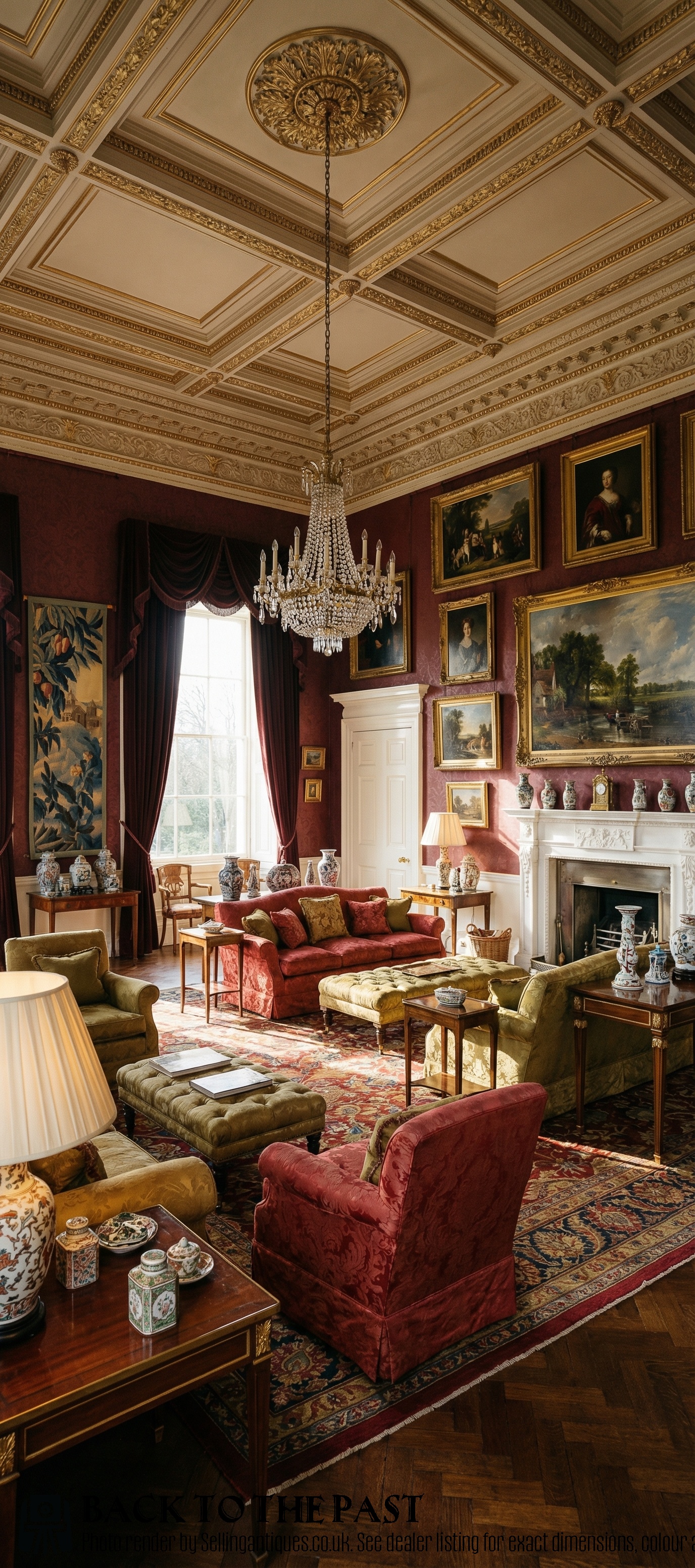
Wool Silk Tapestry
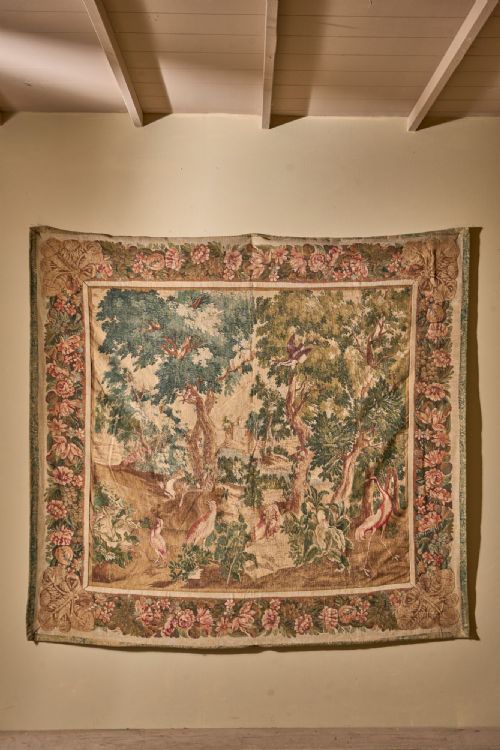
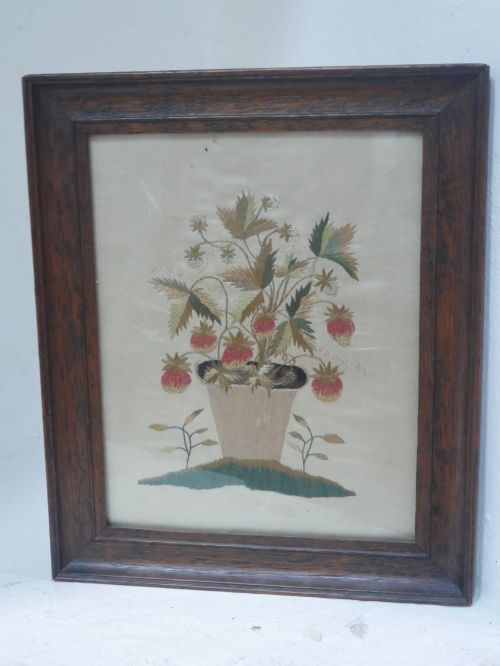
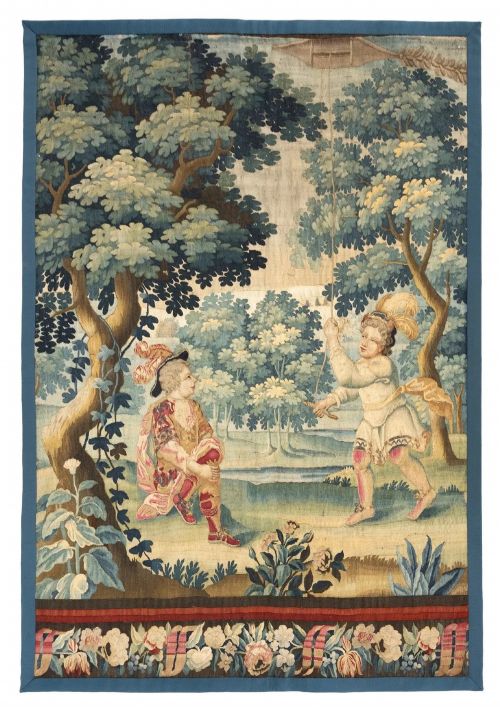
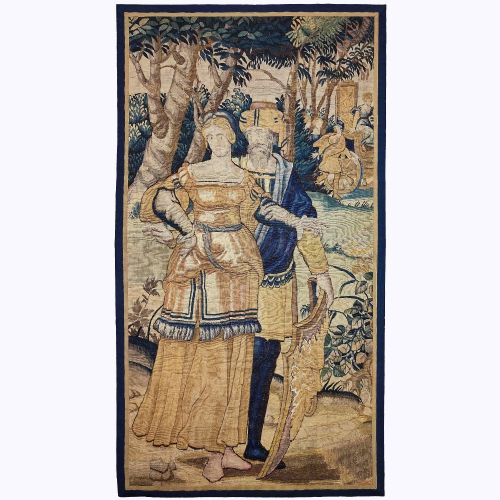
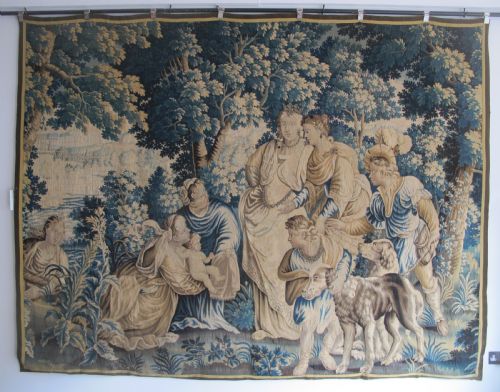
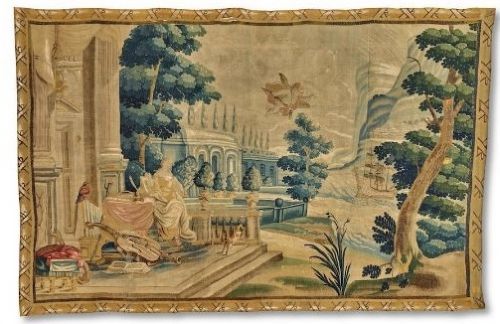
A wool silk tapestry brings centuries of textile art into a room, spanning grand Flemish verdure panels and detailed needlework pictures.
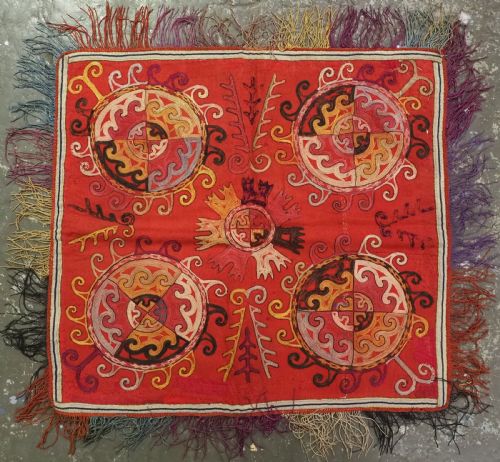
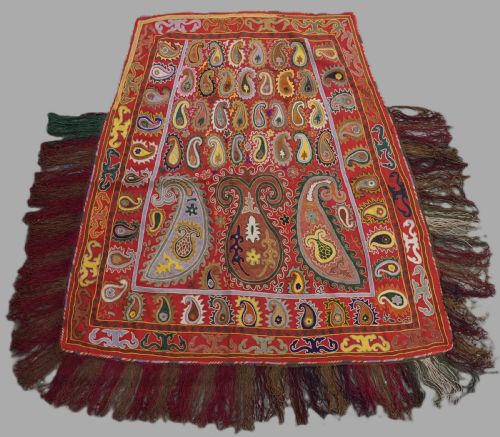
Buyers meet works originating from Flemish looms, French workshops, and Central Asian tribal traditions, ranging from large wall hangings to framed panels and cushion covers.
The selection includes 17th-century mythologies, 18th-century English and French needlework, and embroidered pieces from Persian and Uzbek makers.
Assessing quality
Quality rests upon the intricacy of the pictorial design and the density of the weave or needlework, separating ambitious workshops from simpler outputs.
The survival of original silk highlights and the stability of the wool ground dictate the overall visual impact of surviving fragments and panels.
The Wool Silk Tapestry Glossary
- Verdure tapestry
- A landscape-themed wall hanging dominated by foliage, trees, and often birds or animals. These scenes typically utilise green and earth-toned wool and silk yarns.
- Needlework
- Hand-stitched textile art created by working thread through a fabric ground. This encompasses pictorial panels, beadwork bell pulls, and framed pictures.
- Verre églomisé
- A process of applying gold or silver leaf to glass combined with engraving and painting. It frequently appears on frames housing historic woolwork pictures.
- Appliqué
- A sewing technique where pieces of fabric are sewn onto a larger base material to form a design. Persian Rasht and Central Asian pieces frequently employ this method using felt and silk.
- Fragment
- A surviving portion of a larger historic textile. These pieces allow collectors to own examples of substantial scale works that no longer remain intact.
Wool Silk Tapestry: Frequently Asked Questions
How do I hang a large tapestry?
Large wall hangings require proper weight distribution to protect the historic fibres. Stitching a heavy-duty fabric sleeve to the reverse allows a concealed wooden batten or metal rod to support the piece evenly across the wall.
Avoid hanging textiles in direct sunlight or damp environments, as wool and silk are susceptible to fading and moisture damage over time.
How can I tell a 17th-century piece from a later copy?
Age is determined by examining the spin and dye of the yarns, the structural weave of the ground fabric, and stylistic markers of the period. Natural dyes and hand-spun wool and silk exhibit variations absent in modern reproductions.
Flemish and French works from the 1600s carry specific verdure palettes and mythological iconography distinct from later needlework pictures.
Where were verdure tapestries made?
The primary production centres for historic verdure panels were located in Flanders, particularly towns such as Audenaarde, alongside major French workshops like Aubusson. These regions developed distinct weaving traditions utilising wool and silk.
Later needlework pictures and tribal embroideries emerged from distinct traditions across England, France, Persia, and Central Asia.