




Flemish Wall Hanging
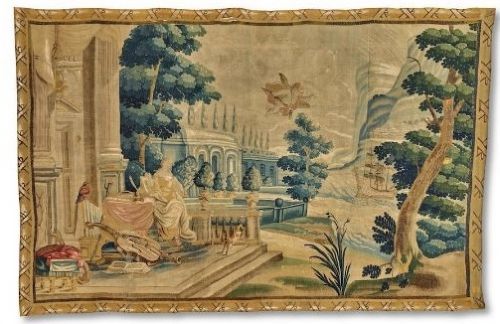
A flemish wall hanging brings centuries of textile artistry indoors, offering woven scenes of myth, woodland verdure and history that anchor a room.
Flemish Wall Hanging
When you search for a flemish wall hanging, you encounter centuries of woven artistry ranging from grand mythological scenes to pastoral verdure landscapes. These textiles function as historical documents and interior statements alike, reflecting the output of European looms.
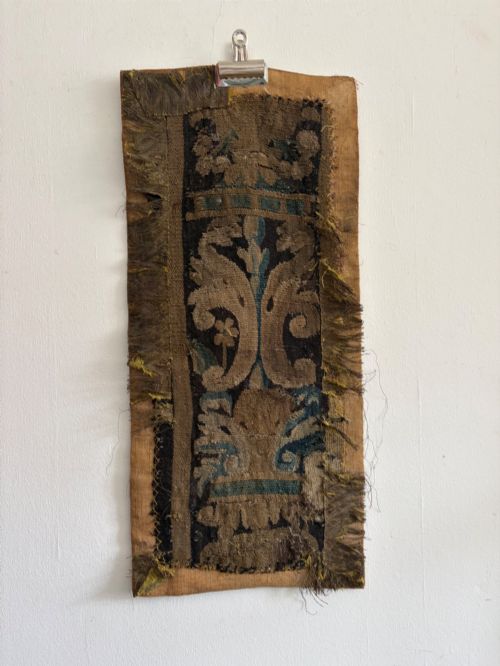
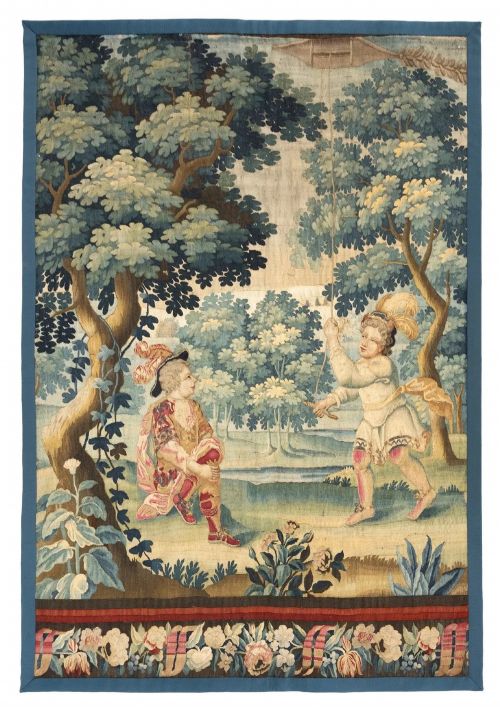
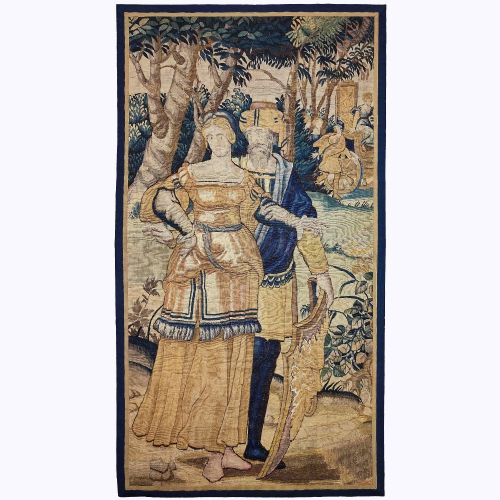
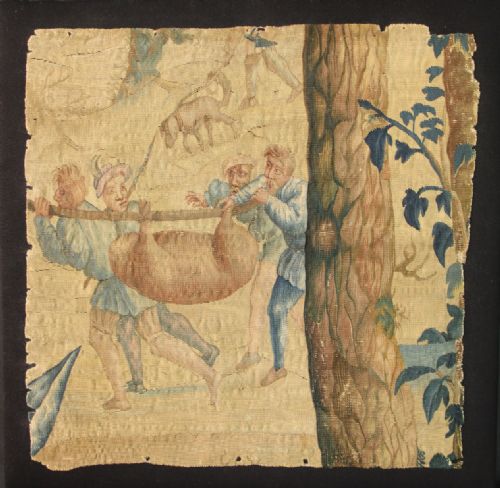
The pieces on this page lean heavily toward authentic tapestries and textile fragments from the sixteenth, seventeenth and eighteenth centuries. You will also find carved wooden wall shelves and panels that share the same Flemish provenance.
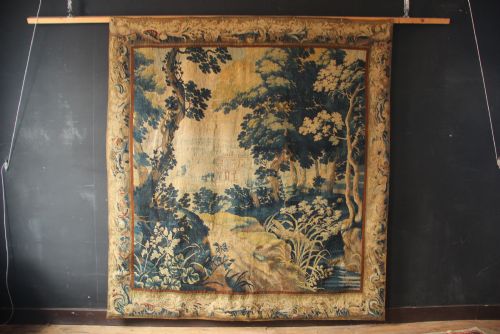
Verdure designs featuring lush foliage, trees and occasional animals dominate the selection. Larger panels depict structured narratives, while smaller fragments offer accessible entry points into antique textile collecting.
How they were made
The primary textiles rely on natural fibres including wool, silk and linen. Weavers manipulated these materials on vertical or horizontal looms to build dense, pictorial surfaces.
Carved wooden pieces in the record utilise solid oak and fruitwood inlay. Artisans shaped these structural elements with hand tools to create relief carvings and architectural wall supports.
The listings span the sixteenth to the nineteenth centuries, incorporating wool, silk, linen, and carved oak.
What varies in quality
The distinction between tiers rests upon the complexity of the weave and the survival of the original palette. Finer examples display intricate pictorial depth, subtle colour graduation in the silk threads and minimal intervention from later restorers.
Scale and narrative ambition separate standard verdure panels from monumental historical works. Larger grand-scale pieces demand exceptional workshop organisation and mastery of perspective.
The Flemish Wall Hanging Glossary
- Verdure tapestry
- A textile featuring landscape and foliage as its primary subject matter, often populated by trees, plants and birds. These pieces focus on natural greenery rather than human figures.
- Tapestry fragment
- A surviving portion of a larger woven wall hanging that has been cut down or separated from its original context. These sections are frequently mounted to linen for modern display.
- Audenaarde
- A historic centre of tapestry production in Flanders known for distinctive verdure and landscape weaves. Pieces attributed to this origin often show rich botanical detail.
- Flemish Baroque
- An artistic style prevalent in the seventeenth century characterised by dynamic movement, drama and rich detail. Woven works from this period emphasise theatrical compositions.
- Wall relief carving
- A sculptural panel where figures or ornamentation project from a flat wooden background. These items demonstrate the complementary decorative arts of the region.
Flemish Wall Hanging: Frequently Asked Questions
How do I hang a heavy tapestry safely?
Large textile pieces require weight distribution across a sturdy wooden batten or hidden metal support. Sewing a velcro strip or cotton sleeve to the reverse prevents direct strain on the antique fibres.
Avoid hanging tapestries in direct sunlight or damp spaces. Proper climate control protects the natural wool and silk threads from fading and degradation over time.
What is a verdure tapestry?
A verdure tapestry depicts stylized woodland scenes, trees, plants and occasionally animals or distant chateaux. These works were designed to bring the outside landscape into interior domestic rooms.
They served as both insulation against cold stone walls and decorative status symbols for prosperous homes. The dominant greens and earthy tones make them versatile for traditional and modern interiors alike.
How do I date an old tapestry?
Dating relies on stylistic analysis of the border designs, costume details of any human figures, and the complexity of the weaving technique. Earlier sixteenth-century panels often feature flatter perspectives and dense architectural borders, while seventeenth-century Baroque works favour theatrical depth.
Comparing the weave structure and palette with documented museum examples provides further confirmation. Archival records and historical provenance notes also help narrow down the decade of production.
Can I clean an antique textile?
Gentle surface dust removal using a soft brush or low-suction vacuum with a mesh screen is generally safe for stable wall hangings. Professional conservation cleaning should be reserved for specialists experienced in historic textiles.
Water and standard detergents cause irreversible shrinkage and dye bleeding. Regular inspection for pests remains the best preventative maintenance for organic fibres.