





Antique Verdure Tapestry
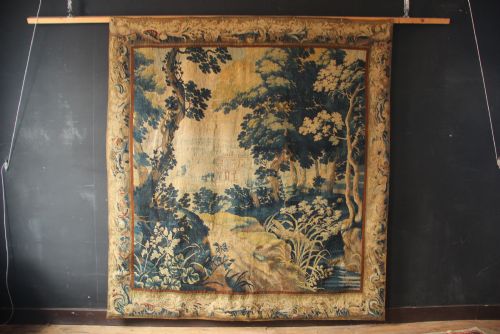
An antique verdure tapestry brings woodland foliage into a room through woven textile art that creates depth and texture on a wall.
Antique Verdure Tapestry
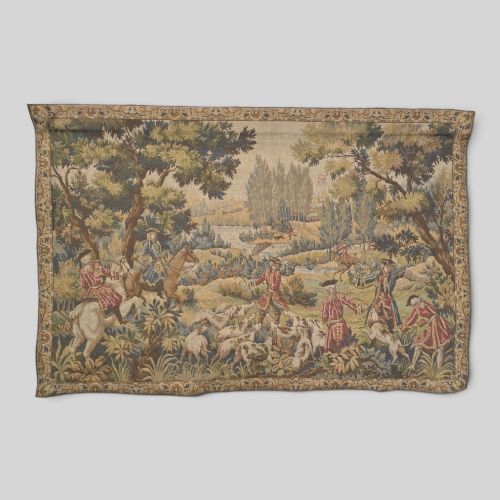
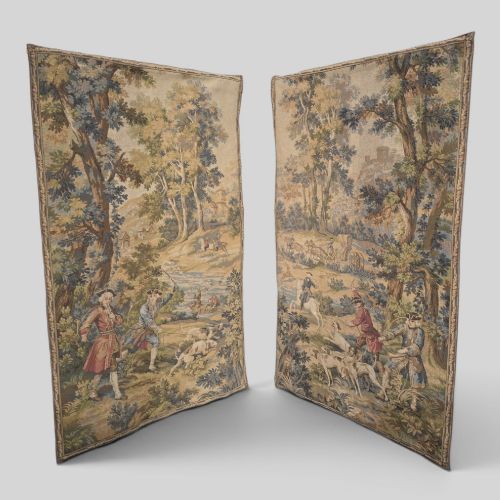
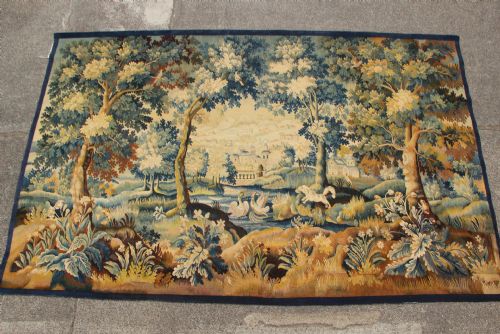
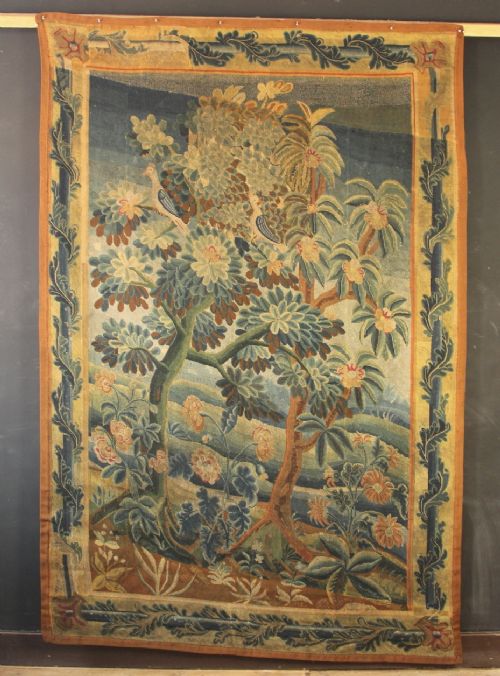
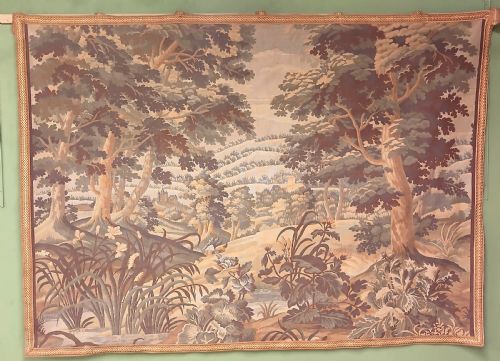
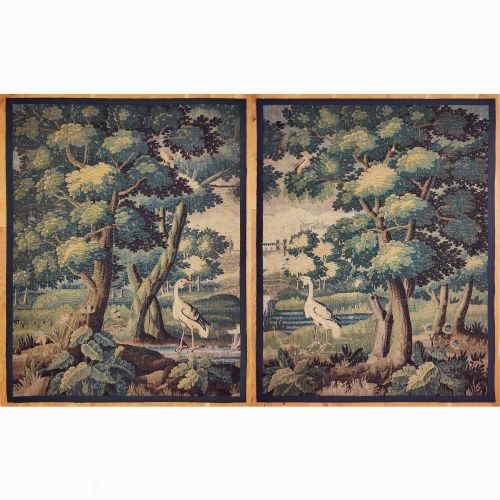
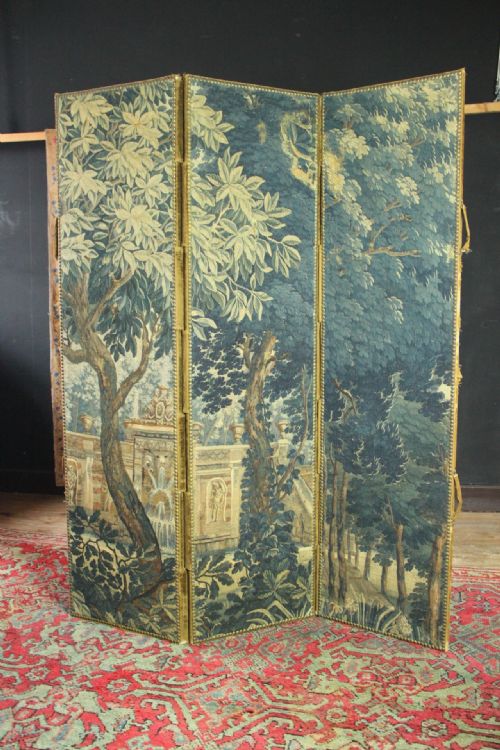
An antique verdure tapestry depicts leafy woodland scenes, foliage and often distant trees or architectural elements. These wall hangings capture pastoral landscapes rooted in historical weaving traditions.
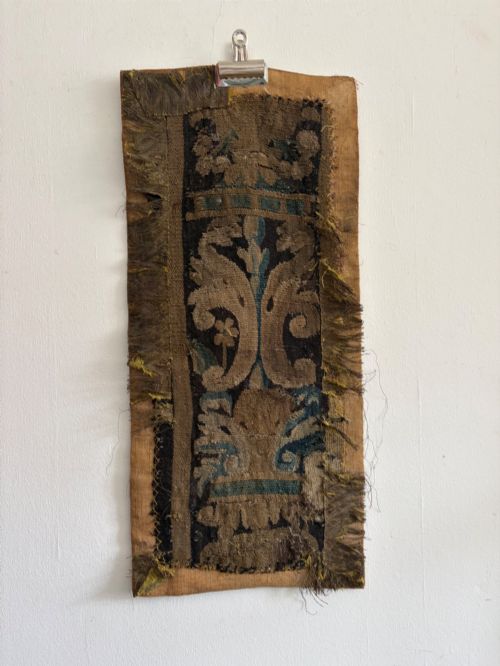
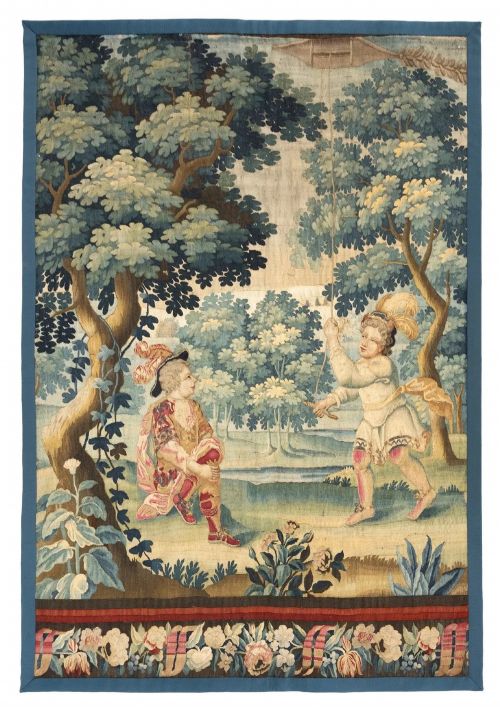
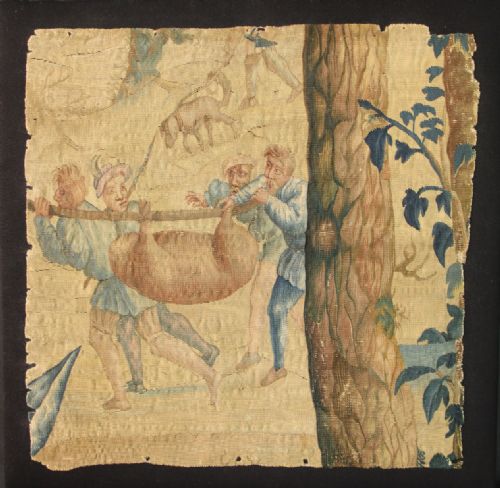
The pieces available include large decorative wall panels and smaller border fragments mounted to linen. Origins span Flemish, French and wider European workshops from the seventeenth and eighteenth centuries.
Buyers encounter whole wall tapestries alongside fragment pieces showing specific landscape details. Styles range from Baroque compositions to regional Flemish and French aesthetic traditions.
How they were made
Weavers constructed these panels using natural textile fibres including wool, silk and linen. Wool provided the durable structural foundation and heavy texture for foliage and ground.
Silk threads added subtle highlights and tonal variation to leaves and details within the woven design. Finished tapestry panels were frequently mounted onto supporting linen backings for stability.
Antique Verdure Tapestry Retail Price Guide 2026
Typical asking prices for verdure tapestry among the pieces listed under this phrase on Sellingantiques today, from the lower quarter to the upper quarter. They describe what is for sale here now, not the wider market.
Even a severed border fragment keeps a bit of the old forest alive on the wall.
What varies in quality
Quality rests upon the complexity of the woven landscape and the survival of the original fibres. Finer examples maintain rich tonal contrast across the foliage and clear definition in distant architectural elements.
The choice of materials shapes the visual depth of the panel, particularly where silk threads survive alongside wool. Condition varies from complete wall coverings to fragments that show the physical history of the textile.
The Antique Verdure Tapestry Glossary
- Verdure tapestry
- A wall hanging featuring a landscape dominated by trees, plants, foliage and occasionally animals. These scenes focused on natural greenery rather than human historical narratives.
- Flemish
- Pertaining to Flanders, a historical region renowned for skilled textile production and weaving centres. Flemish workshops produced distinctive verdure panels during the seventeenth and eighteenth centuries.
- Needlework tapestry
- A textile piece worked by hand using needle and thread rather than produced solely on a loom. These works served a decorative function as wall coverings in period interiors.
- Border fragment
- A surviving section detached from the main decorative border of a larger tapestry. Fragments are often mounted to linen for preservation and display as smaller wall panels.
Antique Verdure Tapestry: Frequently Asked Questions
What is a verdure tapestry?
A verdure tapestry is an antique wall hanging that depicts a rich woodland scene filled with leaves, trees and foliage. These textiles were designed to bring natural landscape motifs into interior spaces.
Weavers used wool, silk and linen to build layered depths of green and earthy tones across the composition.
Where were antique tapestries made?
Production centres for these textiles were located across Europe, with notable output from Flemish and French workshops. Towns such as Audenarde became particularly associated with skilled tapestry weaving.
Pieces from these regions travelled widely and appear today in various continental and European styles.
How do you hang a tapestry?
Large textile panels require careful weight distribution across the upper edge to prevent stretching the fibres. Many pieces are mounted onto a supportive linen backing before hanging.
Smaller fragments are similarly stabilized on fabric supports to allow safe wall display.
How do I date a tapestry?
Dating relies on examining the weaving style, material composition and structural characteristics of the textile. Seventeenth and eighteenth-century pieces display specific handling of Baroque design elements and foliage.
Comparative analysis with documented workshop pieces helps narrow the period of origin.