

Large Wall Hanging
A large antique wall hanging brings scale and history to a room, spanning woven textiles, carved mirrors and painted panels.
Large Wall Hanging
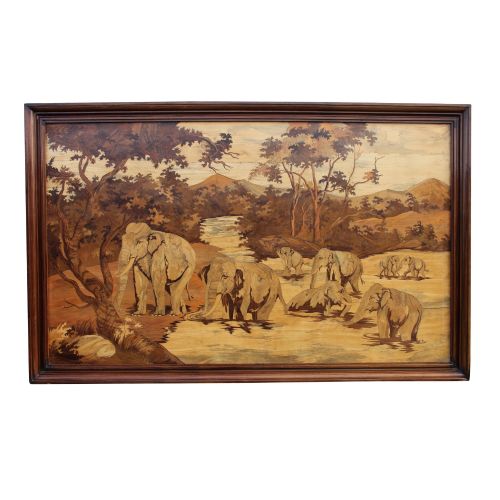
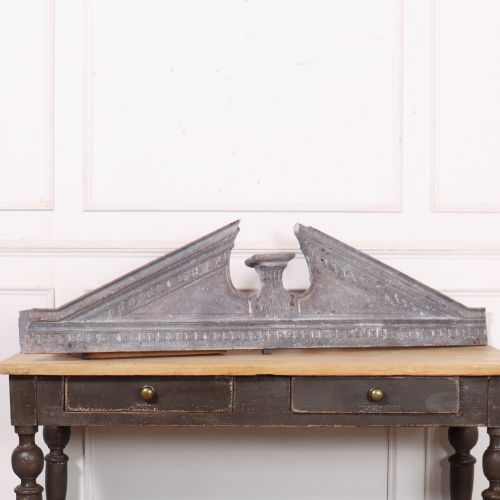
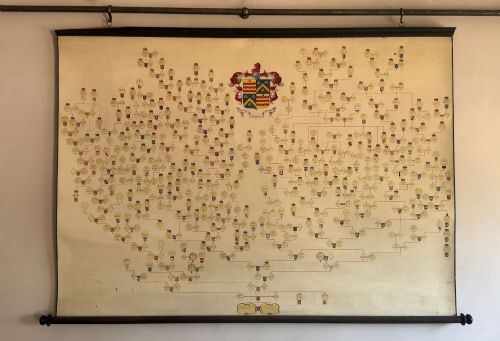
When searching for a large antique wall hanging, buyers encounter a diverse selection of substantial decorative objects intended for interior display. The category encompasses heavy framed mirrors, woven textile panels, painted canvases and architectural fragments from various centuries.
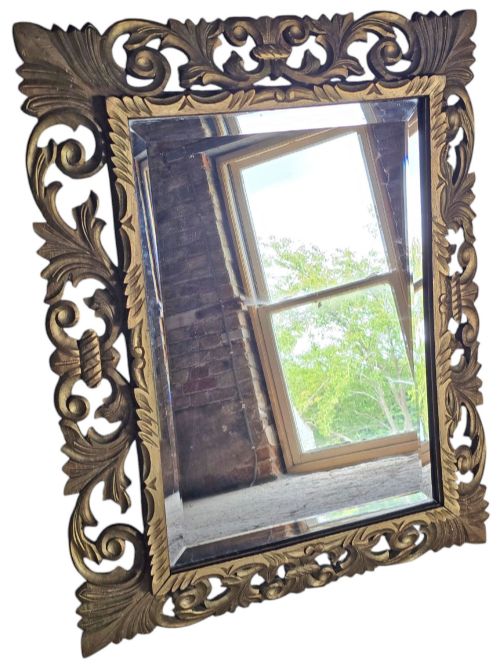
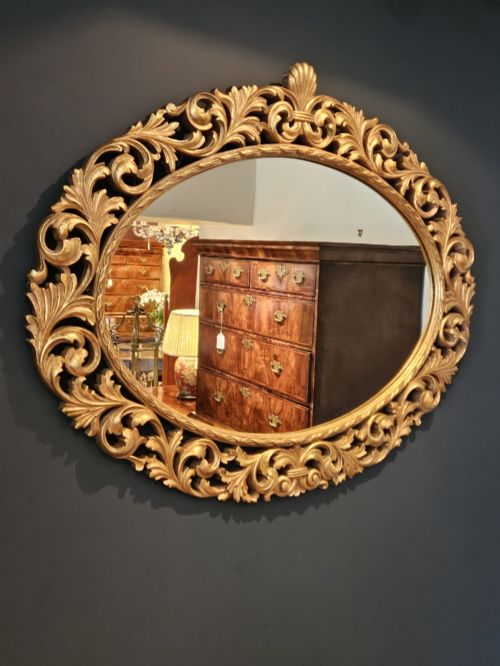
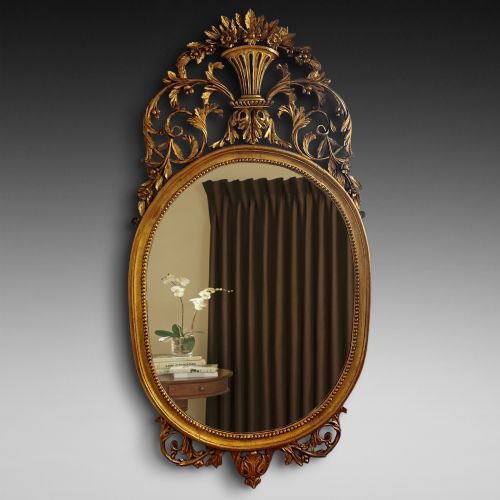
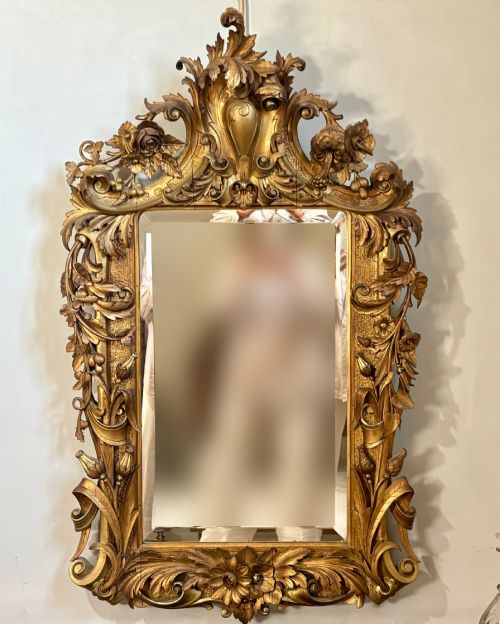
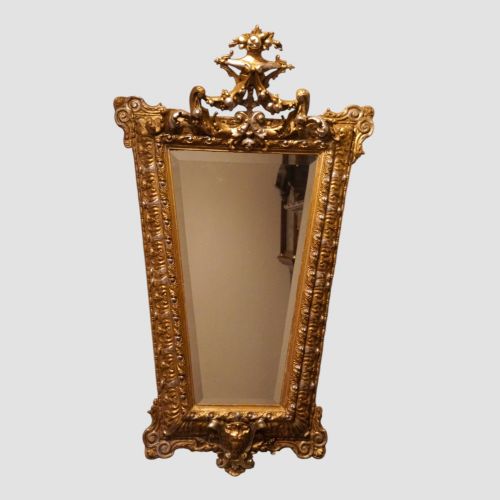
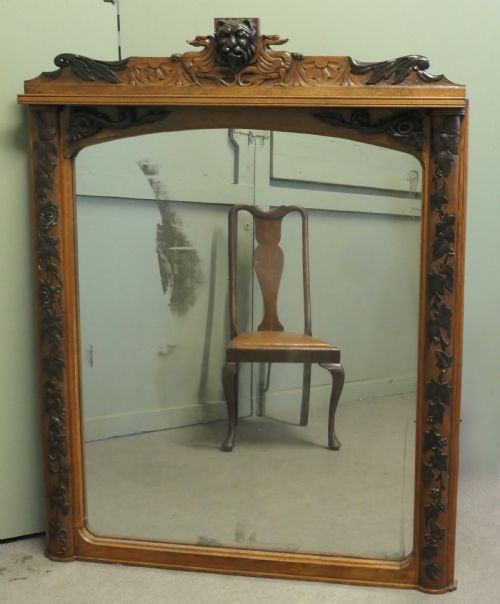
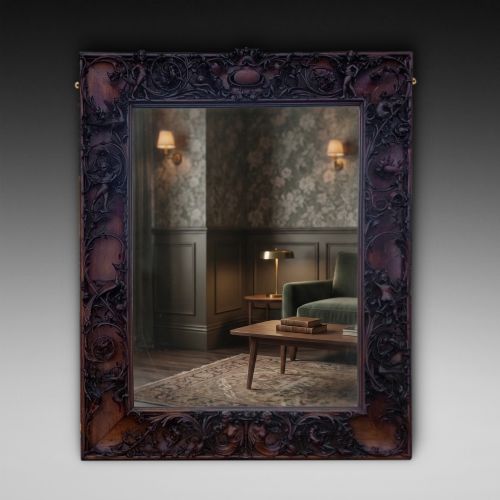
Mirrors form a prominent part of this selection, featuring heavily carved giltwood, gesso and timber frames designed to hang above mantles or span broad wall spaces. These pieces originate from Victorian, Georgian and later periods, often reflecting Neoclassical or Rococo Revival tastes.
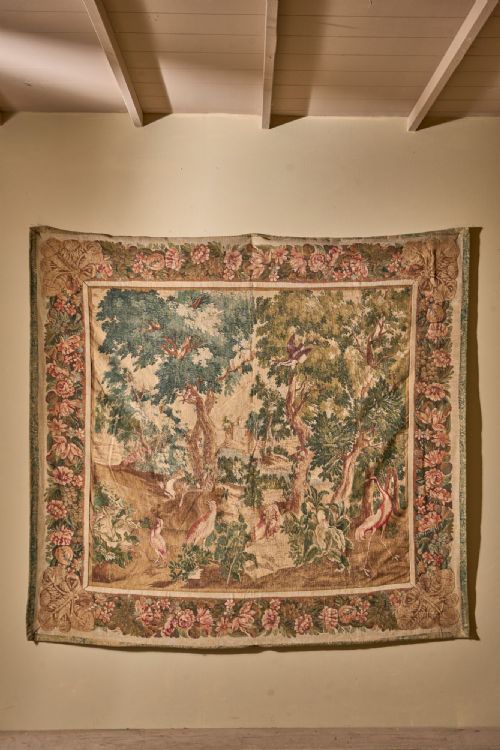
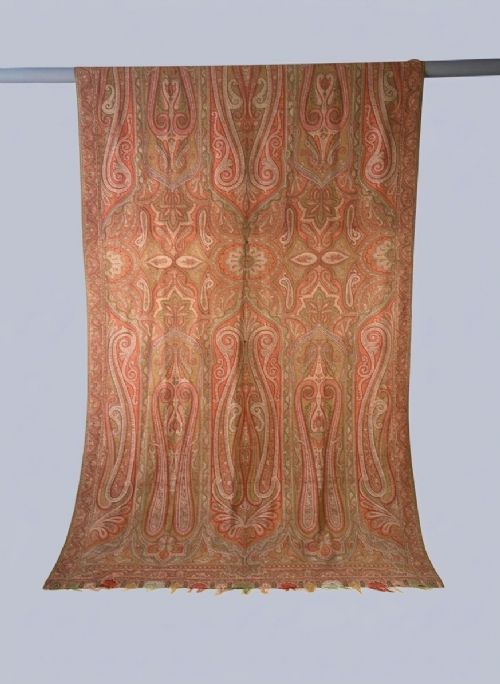
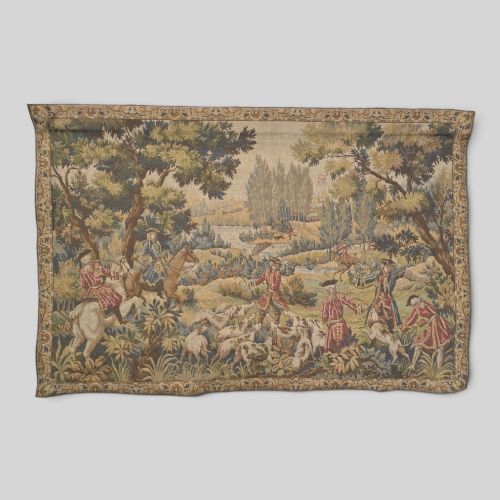
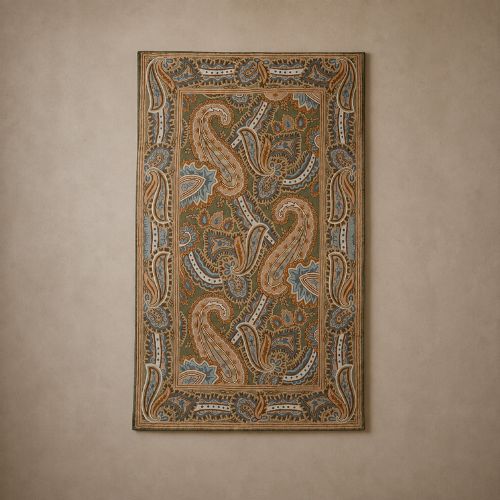
Textile panels and tapestries represent another major group within the evidence, ranging from French verdure scenes to crewelwork embroidered paisley and Asian wall hangings. These woven and stitched works provide soft texture and intricate imagery across expansive surfaces.
How they were made
Makers utilised a combination of natural materials such as wool, silk, cotton and glass, mounted within wooden structures of oak, walnut, mahogany and pine. Gilding techniques involving gold leaf applied over gesso created the bright reflective surfaces seen on ornate frames.
Textiles relied on meticulous hand weaving, embroidery and needlework using wool and silk threads to produce detailed figurative and botanical scenes. Cabinetmakers constructed heavy wooden mirrors and corner cupboards using traditional joinery and carved ornamentation.
Large Wall Hanging Retail Price Guide 2026
Typical asking prices for large wall hanging among the pieces listed under this phrase on Sellingantiques today, from the lower quarter to the upper quarter. They describe what is for sale here now, not the wider market.
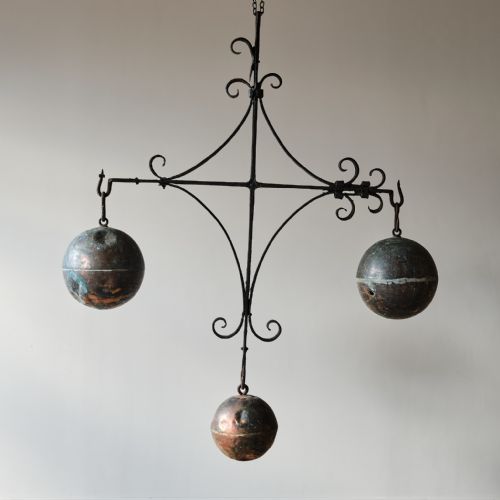
Among the heavier wall ornaments are tradesman signs shaped like giant spoons and forks alongside pawnbroker symbols.
What varies in quality
The degree of artistic refinement in the carving, painting or weaving determines the overall quality of a piece. Hand-carved details in timber and intricate pictorial execution in tapestries or reverse glass paintings separate standard items from finer works.
The preservation of original materials and surface treatments heavily influences desirability. Intact gilding, authentic period glass and well-maintained textile fibres maintain the integrity and visual impact of the original design.
The Large Wall Hanging Glossary
- Giltwood
- Wood that has been coated with a thin layer of gold leaf. This technique was frequently applied to decorative mirror frames and architectural ornaments.
- Verdure tapestry
- A woven wall hanging featuring a predominant landscape or botanical design of foliage, trees and often animals. These pieces were popular in French and Flemish workshops.
- Gesso
- A plaster-like mixture applied to wood surfaces as a base for gilding or painting. It allowed craftsmen to carve intricate relief patterns before applying gold leaf.
- Overmantle mirror
- A large mirror specifically designed to hang on the wall directly above a fireplace mantelpiece. They often feature elongated horizontal proportions to fit the architectural space.
- Crewelwork
- A type of embroidery using wool yarn on a sturdy fabric foundation like linen or twill. It creates raised, textured patterns used historically in decorative textiles.
Large Wall Hanging: Frequently Asked Questions
How do I hang a heavy mirror?
Large mirrors require secure mounting directly into wall studs or solid masonry using heavy-duty brackets rated for the weight.
Professional installation is recommended for substantial giltwood frames to ensure the wall structure safely supports the load.
How should I clean antique tapestries?
Textiles benefit from gentle surface dusting with a soft brush or low-suction vacuum through a protective mesh screen. Professional textile conservators should handle deep cleaning or repairs.
Direct sunlight should be avoided to prevent fading of wool and silk threads over time.
What periods do these pieces span?
The inventory covers items from the seventeenth century through to the early twentieth century. Victorian and Georgian examples appear frequently alongside earlier European tapestries.
Stylistic markers such as Rococo Revival or Neoclassical motifs help indicate the era of manufacture.
Are textile panels fragile?
Older fabrics like silk and wool are susceptible to environmental degradation if exposed to humidity or direct light. Proper lining and mounting distribute the weight evenly across the fabric.
Displaying them away from direct heat sources helps preserve the structural integrity of the fibres.