




17th Century Flemish Tapestry
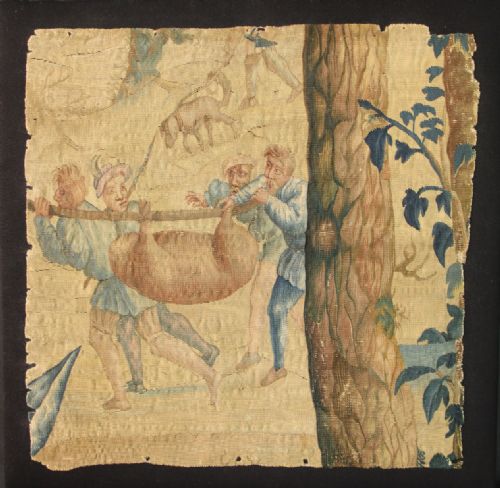
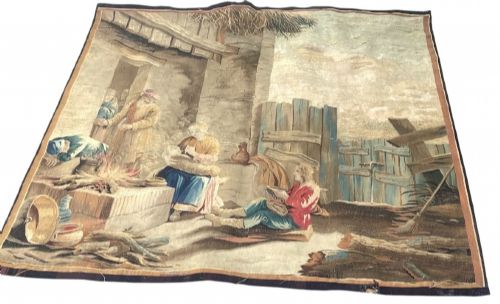
These 17th century flemish tapestry pieces bring Baroque textile art into rooms through large wall hangings, verdure landscapes, and smaller cushions.
17th Century Flemish Tapestry
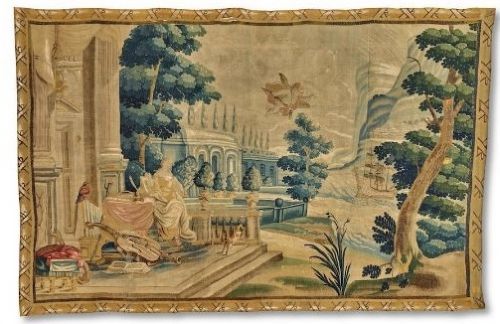
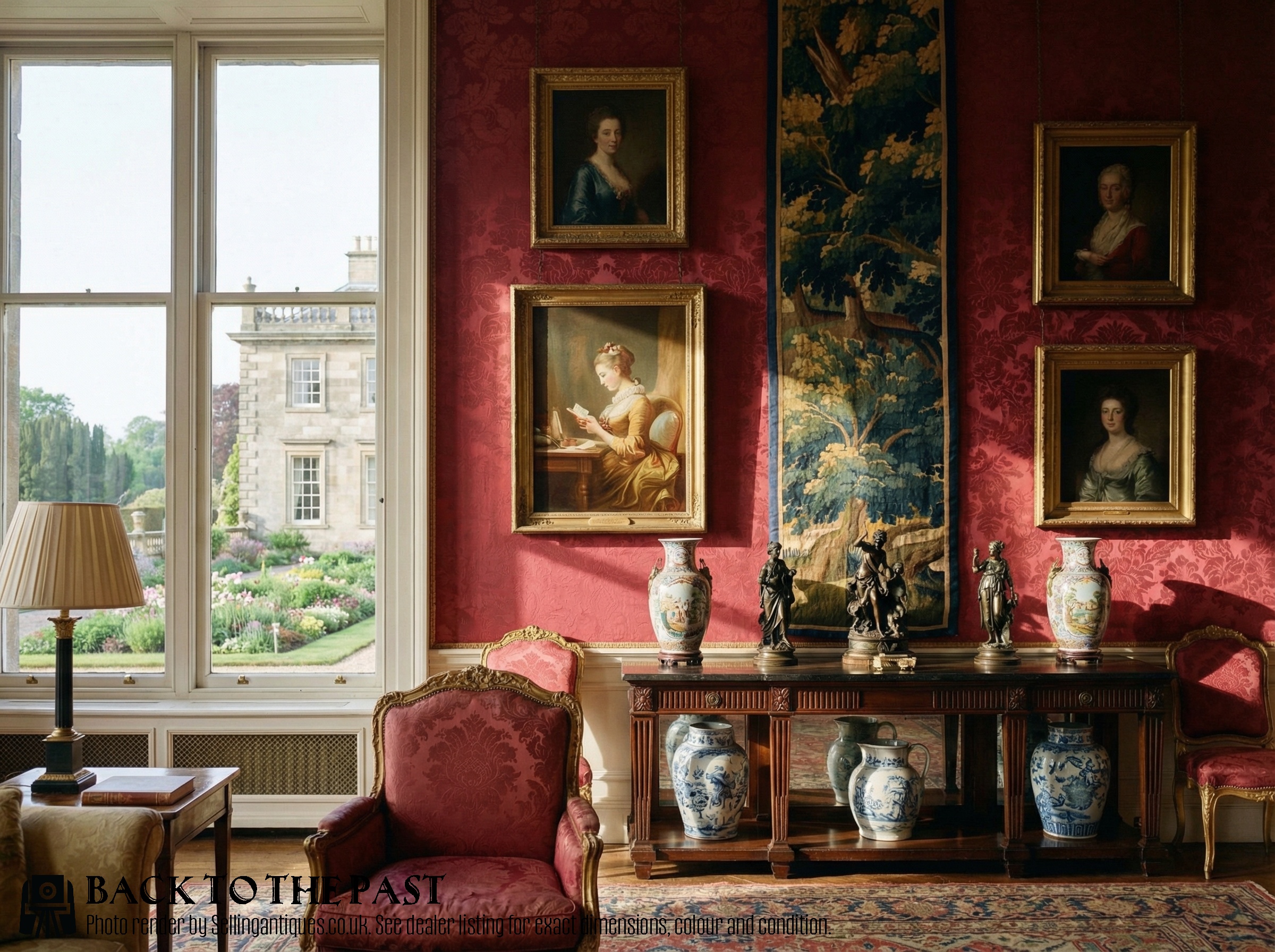
A 17th century flemish tapestry represents a major achievement in European textile art, produced primarily during the Baroque period in Flanders and surrounding regions. Buyers searching this phrase encounter large wall tapestries, grand mythological scenes, and game park compositions, alongside smaller decorative items.
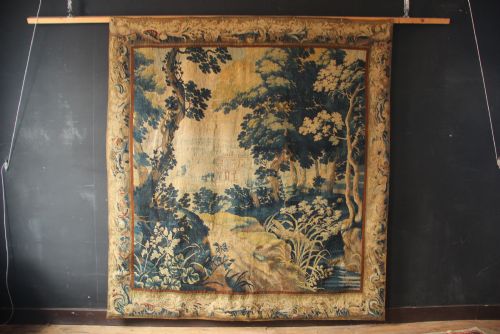
The selections available range from impressive grand scale panels down to smaller fragments, cushions, and table runners. Verdure designs depicting lush foliage and garden landscapes dominate the pieces found on this page.
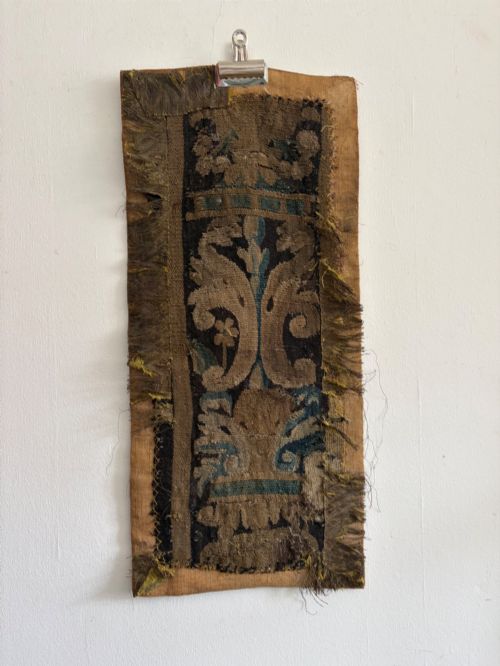
Originating in historical weaving workshops, these works frequently span the seventeenth and eighteenth centuries. Surviving examples often take the form of borders, panels, or adapted cushion covers mounted to linen for preservation.
How they were made
Weavers constructed these textiles using a combination of wool, silk, and linen yarns on wooden looms. Silk threads provided subtle highlights and detailed facial expressions, while sturdier wool and linen formed the structural body of the weave.
Individual fragments were often mounted to linen backing fabrics for structural support, particularly when dealing with smaller sections, cushions, or border pieces. Surviving textiles reflect traditional hand-weaving techniques from the Baroque era.
17th Century Flemish Tapestry Retail Price Guide 2026
Typical asking prices for 17th century flemish tapestry among the pieces listed under this phrase on Sellingantiques today, from the lower quarter to the upper quarter. They describe what is for sale here now, not the wider market.
Listings feature works in wool, silk, and linen, spanning the seventeenth and eighteenth centuries across wall hangings, cushions, and fragments.
What varies in quality
The visual depth of a piece depends heavily on the survival of its original wool and silk yarns. Subtle colour gradation in foliage and figures distinguishes finer verdure and mythological works from simpler designs.
Integrity of format affects the nature of the piece, separating complete grand scale wall tapestries from smaller fragments, cushion covers, and border strips.
The 17th Century Flemish Tapestry Glossary
- Verdure
- A tapestry design dominated by lush foliage, trees, plants, and often birds or animals in a landscape setting. These forest scenes were immensely popular in Flemish workshops during the seventeenth century.
- Baroque
- The dominant artistic style of the seventeenth century characterised by drama, rich detail, and grand scale. Flemish textiles from this period reflect these theatrical compositions.
- Fragment
- A surviving portion of a larger destroyed or divided textile work. Many smaller pieces available today originated as borders or sections cut from grand wall hangings.
- Linen
- A strong vegetable fibre used historically for backing, mounting, or structural support in antique textiles. It helps stabilise fragile wool and silk weavings.
17th Century Flemish Tapestry: Frequently Asked Questions
What is a verdure tapestry?
A verdure tapestry depicts a stylised forest, garden, or landscape scene filled with trees, leaves, and occasionally animals. These leafy designs formed a major output of Flemish weaving centres during the seventeenth century.
Buyers often select verdure panels to introduce natural tones and historical texture into residential interiors.
How were these tapestries used originally?
Large Flemish tapestries hung on the stone walls of castles, grand houses, and civic buildings to insulate rooms and display wealth. Mythological scenes and large landscapes served both decorative and narrative purposes in formal chambers.
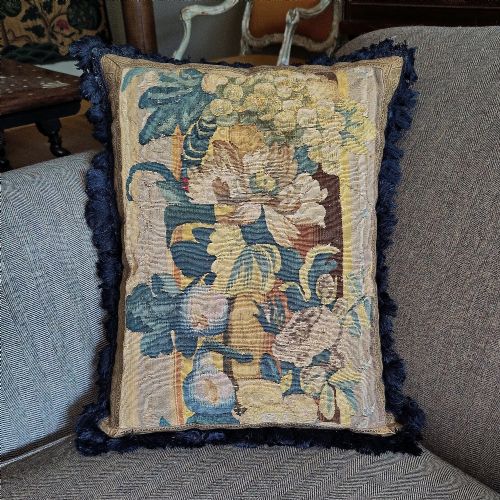
Smaller sections and borders were frequently repurposed later into cushions, table runners, or smaller wall panels.
How should I care for a textile fragment?
Antique tapestries and textile fragments require protection from direct sunlight to prevent the fading of wool and silk yarns. Displaying pieces away from high humidity and heat sources preserves the integrity of the fibres.
Professional mounting to linen provides necessary physical support for heavier wall hangings and smaller panels alike.
Can I use tapestry cushions daily?
Cushions made from historical tapestry sections suit light decorative use on armchairs or beds rather than heavy everyday seating. The antique wool and silk yarns benefit from gentle handling to avoid surface wear.
Rotating cushions periodically ensures even exposure and preserves the woven surface details.