




Large Textile Wall Art
Large textile wall art brings centuries of woven and embroidered history into a room, spanning grand Flemish verdure scenes to vibrant Central Asian panels.
Large Textile Wall Art
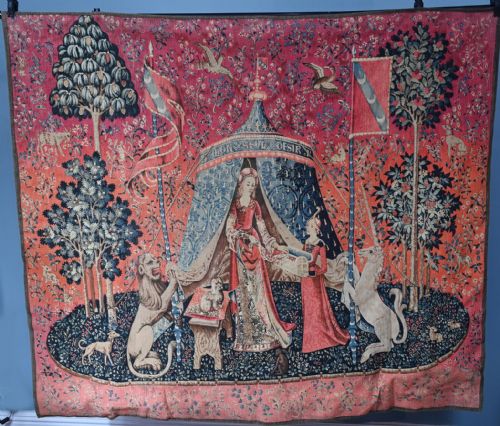
When you search for large textile wall art, you encounter a diverse range of historic hangings, including woven tapestries, framed needlework panels, crewelwork, and embroidered silk textiles. These pieces function as substantial focal points for interior spaces, carrying narratives from European chateaux, Asian temple traditions, and domestic workshops.
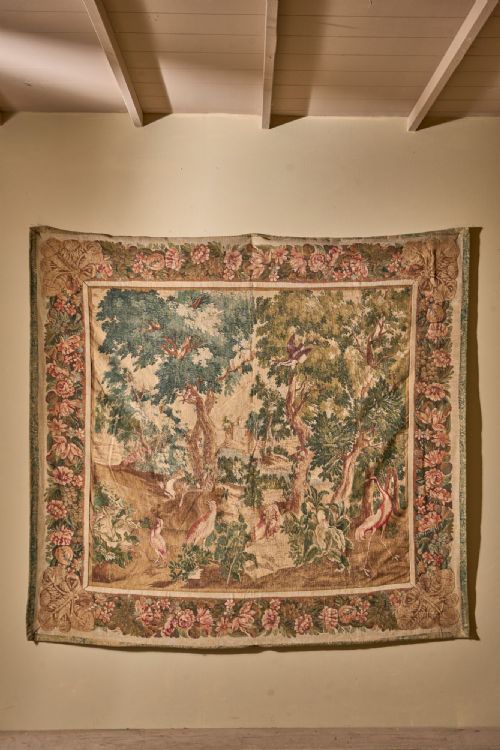
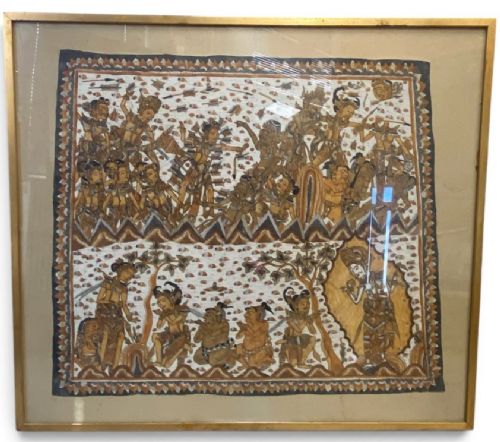
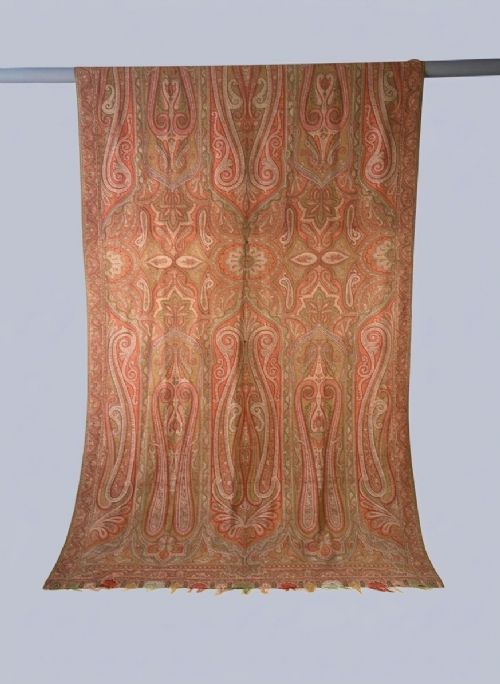
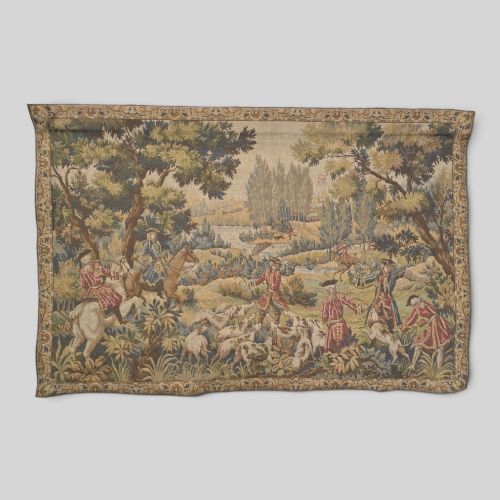
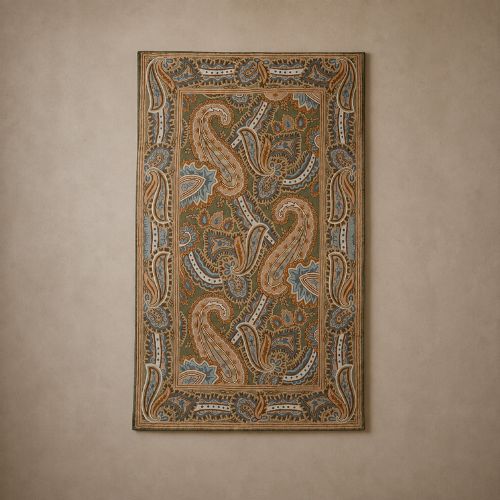
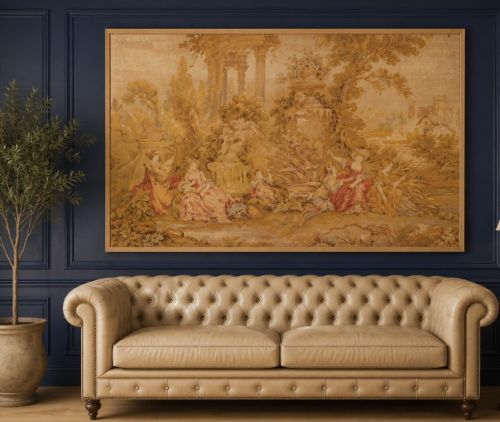
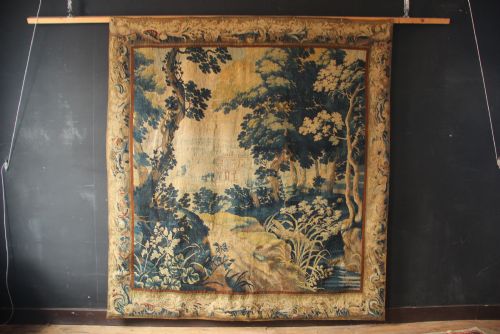
The selections available span from seventeenth-century Flemish verdure landscapes and eighteenth-century French pastoral compositions to nineteenth-century Paisley shawls, Ikat panels from Uzbekistan, and Balinese temple paintings. Woven wall tapestries and framed textile panels dominate the offerings, often framed in wood or mounted directly for display.
Materials and construction methods
Maker workshops relied heavily on natural fibres such as wool, silk, cotton, and linen, frequently enriched with natural dyes and occasionally metal threads for added luminance. Tapestries were traditionally woven on looms using wool and silk warps and wefts to build complex pictorial surfaces.
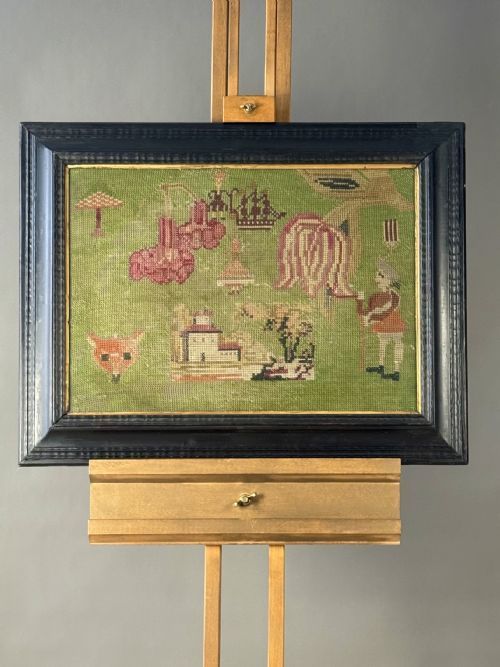
Embroidered examples utilise crewelwork stitches, tambour work, and patchwork techniques executed upon sturdy linen or cotton backings. Many textile panels incorporate intricate resist-dying methods, such as those found in Central Asian Ikat panels and Indian Kalamkari temple paintings.
Large Textile Wall Art Retail Price Guide 2026
Typical asking prices for large textile wall art among the pieces listed under this phrase on Sellingantiques today, from the lower quarter to the upper quarter. They describe what is for sale here now, not the wider market.
Covered periods span from the sixteenth century through the nineteenth century, including Victorian and Edwardian examples.
Factors determining quality
The distinction between tiers rests upon the density of the weave, the complexity of the pictorial design, and the survival of the original natural dyes. Finer examples display meticulous pictorial depth, particularly in seventeenth-century Flemish verdure weaves and detailed figural needlework panels.
Condition and scale also govern the grade of a piece, with larger intact textiles commanding greater presence. The integrity of the original fibres and the precision of the stitching separate standard decorative elements from museum-grade textile art.
The Large Textile Wall Art Glossary
- Verdure tapestry
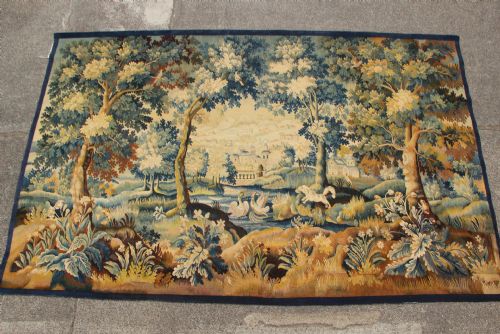
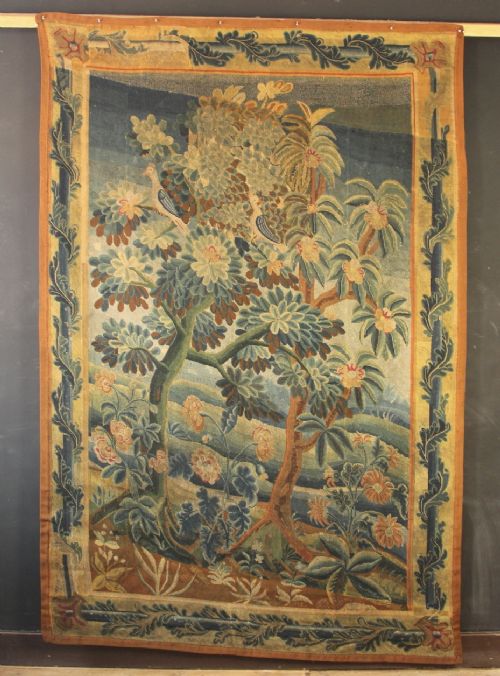
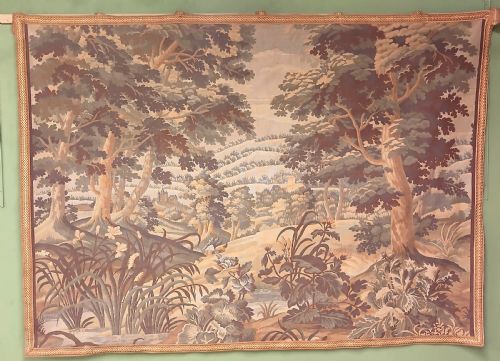
- A woven wall hanging dominated by botanical motifs, foliage, and woodland landscapes. These scenes frequently incorporate stylized trees, plants, and occasional animals or distant chateaux.
- Ikat
- A dyeing technique where yarns are pattern-dyed before being woven into textiles. This creates a characteristic blurred edge along the motifs, common in panels from Central Asia and Indonesia.
- Crewelwork
- A type of embroidery utilising wool thread executed on a heavy linen or cotton foundation. It allows for textured, high-relief floral and foliate designs across large surfaces.
- Suzani
- A type of embroidered tribal textile originating from Central Asia, typically worked in silk on a cotton ground. They feature bold medallion and floral patterns intended for domestic wall decoration.
Large Textile Wall Art: Frequently Asked Questions
How were historic tapestries displayed?
Historic tapestries were originally hung directly on stone walls to provide insulation and visual splendour in large castles and manor houses. They were suspended using iron hooks, rings, or integrated hanging loops sewn into the upper edge.
Today, modern collectors employ similar hanging sleeves or mount them securely behind wood frames. This method distributes the physical weight evenly across the entire textile to prevent sagging.
How do I care for a textile wall hanging?
Protecting historic textiles requires keeping them away from direct sunlight to prevent natural dyes from fading over time. Gentle, regular vacuuming through a protective mesh screen helps remove dust without disturbing fragile fibres.
Avoid hanging large wool or silk pieces in areas with high humidity or fluctuating temperatures. Professional conservation cleaning should only be considered when heavy accumulation makes it strictly necessary.
What is the difference between a tapestry and a sampler?
Tapestries are pictorial woven wall hangings created on a loom, depicting complex mythological, pastoral, or botanical scenes using interlaced warp and weft threads. They were produced primarily as grand decorative coverings for architectural spaces.
Samplers and needlework panels are stitched by hand using needle and thread upon a pre-woven foundation fabric, often demonstrating the maker's skill through alphabets, motifs, or pictorial vignettes.
How can I date an antique textile?
Dating relies on analyzing the specific material composition, the style of the depicted motifs, and the types of natural dyes employed. Seventeenth-century Flemish works typically display heavy verdure foliage, whereas nineteenth-century pieces often reflect industrial wool production or revival aesthetics.
Examining the reverse side reveals the hand-spun nature of early yarns and the specific knotting or stitching structures associated with particular regional workshops.