






Historic Woven Tapestry Panel
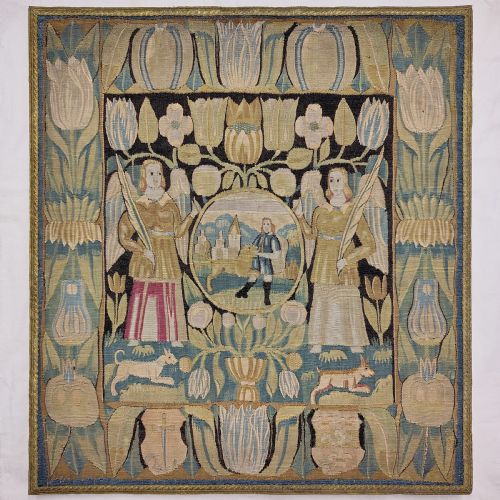
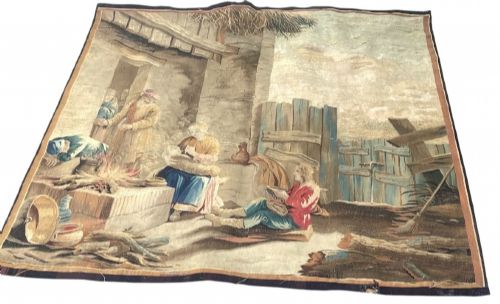
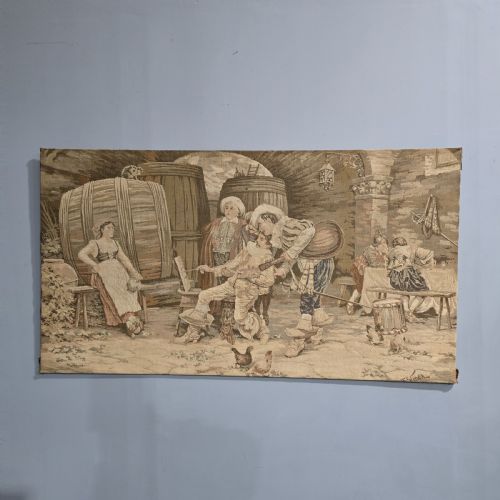
These historic woven tapestry panel selections bring centuries of textile artistry into a room, offering rich narratives rendered in wool, silk, and metallic thread.
Historic Woven Tapestry Panel
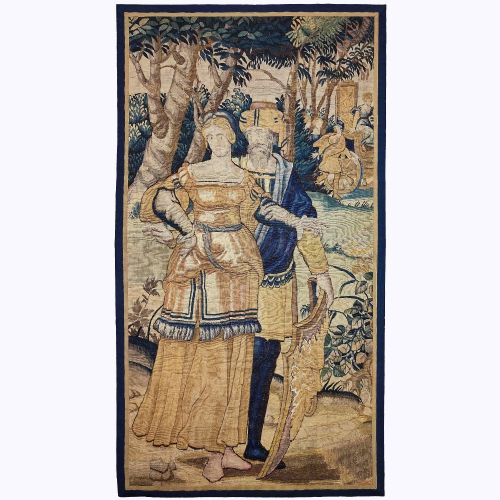
A historic woven tapestry panel brings centuries of European textile artistry into an interior, presenting narrative scenes, foliage, and architectural motifs. Buyers seeking a historic woven tapestry panel often encounter Flemish and French examples from the sixteenth, seventeenth, and eighteenth centuries, alongside later revivals.
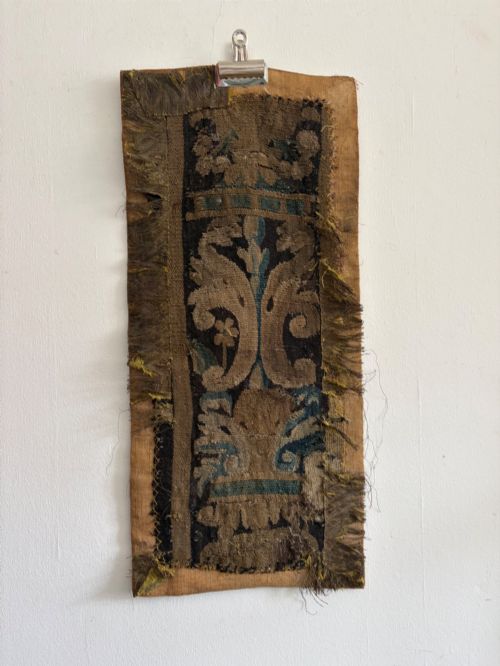
The selections range from large wall hangings and long borders to smaller fragments mounted on linen or framed as wall art. Cushion covers and soft furnishings also appear, offering domestic applications for historic woven tapestry panel fragments.
Origins span Flemish, French, Brussels, and North German workshops, reflecting regional styles from Baroque to Rococo and Renaissance Revival. These pieces capture centuries of weaving traditions executed by skilled hands.
Materials and construction
Weavers constructed these panels primarily using wool, silk, and linen, interlacing warp and weft threads to build complex pictorial surfaces. Metallic thread frequently appears in finer examples, adding shimmering highlights to garments and architectural details.
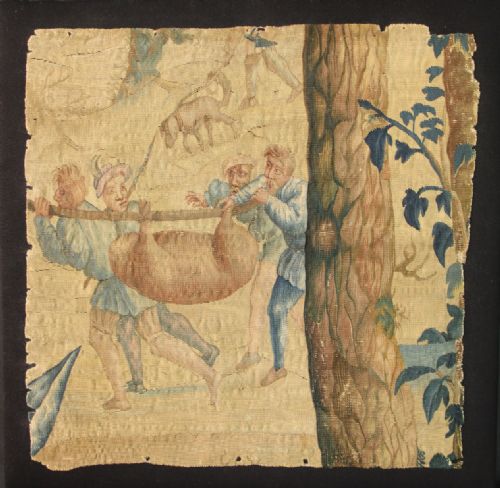
Many surviving pieces exist as fragments, borders, or sections cut from larger wall hangings and later mounted to linen or set on boards. This adaptation allowed historic textiles to survive and function as wall art or cushions in subsequent centuries.
Listings feature seventeenth and eighteenth-century Flemish and French works, alongside nineteenth-century Renaissance Revival panels and twentieth-century signed pieces.
Markers of distinction
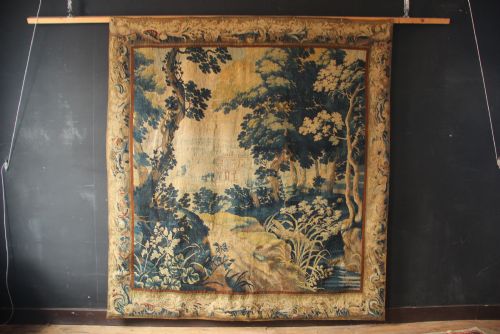
The quality of a textile rests on the fineness of the weave, the complexity of the palette, and the survival of the original materials. Verdure panels with varied botanical detail and balanced compositions show superior execution by the workshop.
The integration of silk and metallic thread elevates a piece, catching light and creating depth within figurative and landscape scenes. Preservation of scale and the integrity of mounted fragments also distinguish finer examples.
The Historic Woven Tapestry Panel Glossary
- Verdure tapestry
- A type of tapestry featuring landscape and plant motifs as the primary subject, often filled with foliage, trees, and small animals. These designs were popular in Flemish and French weaving centres.
- Warp
- The vertical threads held under tension on a loom through which the horizontal weft threads are passed. The warp forms the foundational structure of any woven textile.
- Weft
- The horizontal threads passed back and forth through the warp threads to create the pattern and colour of the textile. In tapestries, the weft completely conceals the warp.
- Tapestry fragment
- A surviving portion of a larger historic wall hanging, often salvaged, trimmed, and mounted for display or repurposed into soft furnishings.
- Metallic thread
- Flat strips of metal or metal-wrapped silk used in weaving to introduce reflective gold or silver elements into the design.
Historic Woven Tapestry Panel: Frequently Asked Questions
How should I hang a fragile textile panel?
Mounting a historic textile safely typically involves professional framing behind conservation-grade glass or securing the piece evenly to a linen backing. This distributes weight and prevents sagging or tearing along the edges.
Keep panels away from direct sunlight and high humidity to protect the natural wool, silk, and metallic threads from fading or degrading over time.
What does a verdure design depict?
Verdure designs focus on lush landscapes, dense foliage, trees, and often distant chateaux or small wildlife. These scenes were designed to bring the feeling of an outdoor garden into a grand interior.
They represent some of the most common surviving landscape subjects from seventeenth and eighteenth-century Flemish and French workshops.
Are these panels complete wall hangings?
Many surviving examples are fragments, borders, or sections cut from much larger wall hangings rather than complete pictorial compositions. These smaller sections were often salvaged when the original room-sized textiles became too worn to display intact.
As a result, modern buyers frequently encounter panels shaped as narrow borders, cushion covers, or mounted segments.
How do I tell Flemish and French panels apart?
Flemish panels from the seventeenth century often feature heavy, dense verdure foliage and dramatic Baroque compositions with deep greens and browns. French examples from later periods frequently reflect Rococo lightness, brighter palettes, and refined figurative work.
Both traditions utilised wool and silk, but the stylistic execution and workshop origins help identify the regional school.