




Antique Botanical Wall Textile
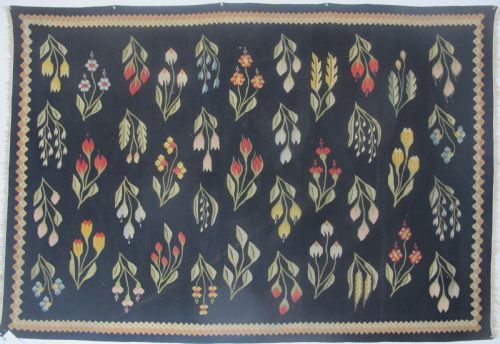
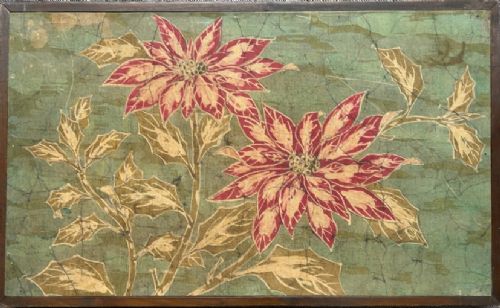
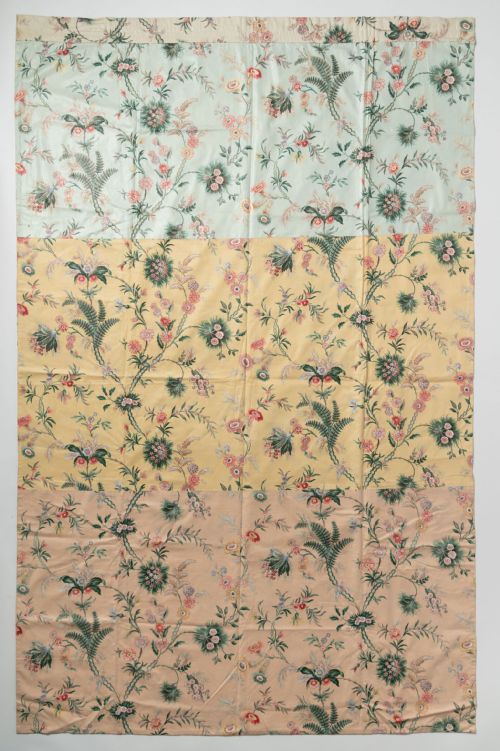
An antique botanical wall textile brings organic forms and historic textile craft into a room, offering rich visual weight and texture.
Antique Botanical Wall Textile
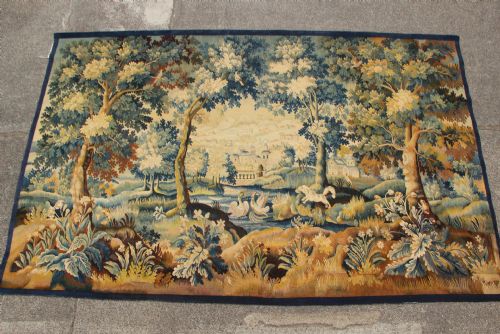
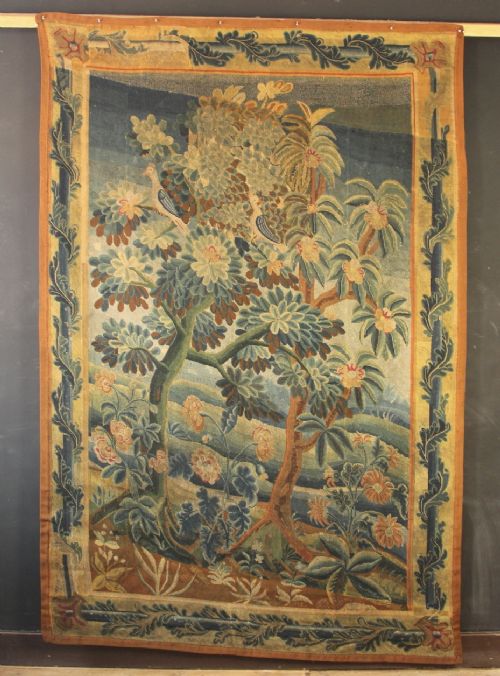
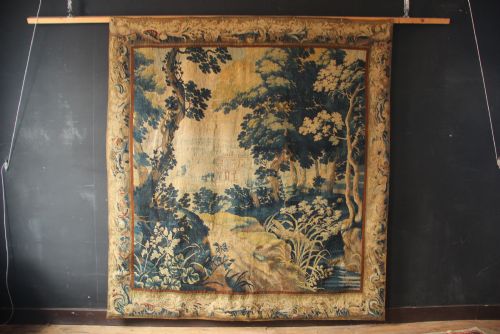
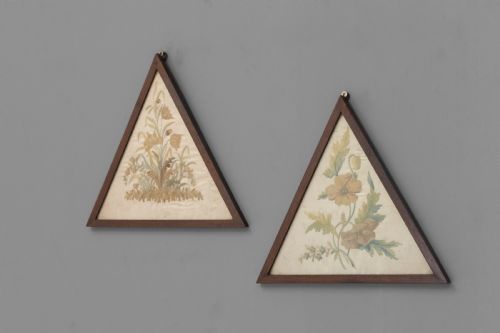
When you search for an antique botanical wall textile, you encounter a diverse range of fabric panels, verdure tapestries, and hand-stitched needleworks spanning from the seventeenth century through to the early twentieth century. These pieces showcase natural motifs, floral patterns, and garden birds rendered in textile form rather than painted canvas.
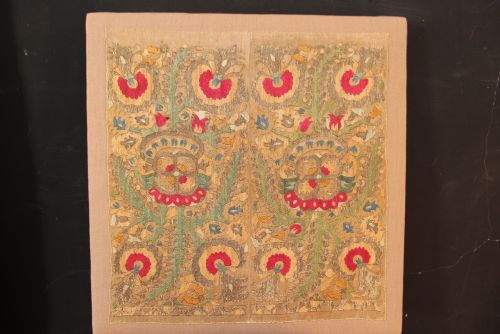
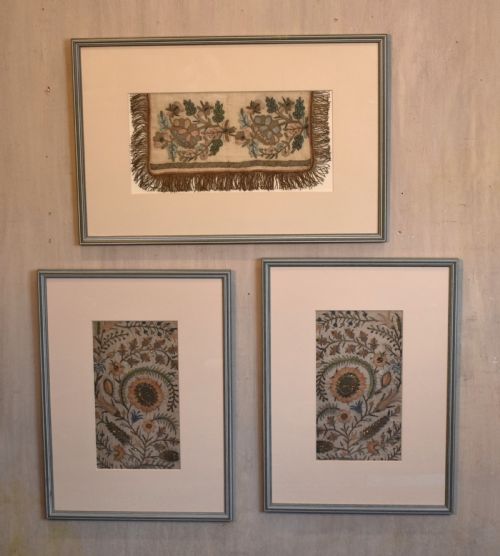
The selection on this page most frequently presents European verdure tapestries alongside Central Asian embroideries and framed needlework pictures. These items range from large wall hangings originating in French workshops to smaller framed panels originating in England and Eastern Europe.
Origin points visible in the inventory stretch from Flemish and French looms to Greek folk traditions, Romanian workshops, and Uzbek households. Each piece serves primarily as wall art, bringing historical textile techniques directly into domestic interior spaces.
How they were made
Makers utilised natural fibres including wool, silk, linen, and cotton as the foundational grounds for these works. Metallic threads appear in specific compositions to add highlights to the stitched or woven botanical and avian motifs.
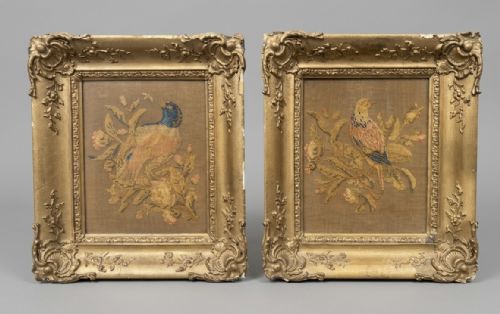
Techniques diverge between woven tapestries produced on looms and needlework panels stitched by hand using various embroidery threads. Framing materials such as gilt wood and plain wood support many of the smaller needlework pictures and textile panels.
Mandarin ducks and garden birds persistently peer out from nineteenth-century silk embroideries, watching the room from behind old glass.
What varies in quality
The finesse of the needlework or the density of the loom weaving dictates the visual depth of the botanical forms. Finer stitch work and complex thread combinations achieve greater realism in depicting garden birds, leaves, and floral arrangements.
The integrity of the textile ground and the survival of the original fibres determine the overall condition and visual impact of the piece. Verdure tapestries with well-preserved wool and silk yarns retain richer woodland and garden details than heavily worn examples.
The Antique Botanical Wall Textile Glossary
- Verdure tapestry
- A woven wall hanging depicting a stylised landscape, foliage, trees, and often birds or animals. These scenes typically employ dominant green and earth tones.
- Suzani
- A type of embroidered and decorative tribal textile made in Tajikistan, Uzbekistan, and other Central Asian nations. They frequently display bold floral and botanical motifs worked in silk on a silk or cotton ground.
- Needlework
- A general term for decorative work produced using a needle and thread on a canvas or fabric backing. This category encompasses various historical embroidery and canvas work pictures.
- Aubusson
- A town in France renowned for producing woven tapestries and carpets since the seventeenth century. Pieces originating here often display classical verdure or pastoral designs.
- Needlework picture
- A framed embroidered composition created as a standalone artwork rather than a functional textile. These works frequently depict birds, figures, or botanical scenes.
Antique Botanical Wall Textile: Frequently Asked Questions
How do I hang a heavy tapestry?
Large tapestries require an evenly distributed weight-bearing system to prevent strain on the historical fibres. A hidden wooden batten or a robust textile sleeve sewn along the top reverse edge is standard practice.
Avoid hanging heavy textile art directly from isolated nails or rings that pull on a single point of the fabric. Ensure the piece hangs away from direct sunlight to protect natural wool and silk dyes.
Are these textiles fragile?
Historical textiles require careful handling due to the age of natural fibres such as silk, wool, and linen. Light dusting with a soft brush helps maintain the surface without placing stress on fragile threads.
Keep these pieces out of humid environments and away from constant direct heat sources. Professional conservation framing provides the best protection for smaller needlework panels.
What is a verdure scene?
A verdure scene represents a dense woodland, garden, or landscape dominated by foliage, trees, and plants. These compositions frequently incorporate birds or animals hidden within the leafy background.
Originating largely from European weaving centres, verdure designs were created to bring the outdoors into interior rooms. The palette relies heavily on greens, browns, and blues derived from period dyes.