
18th Century Tapestry
An 18th century tapestry brings woven depth and historical narrative to a room through centuries-old textile artistry.
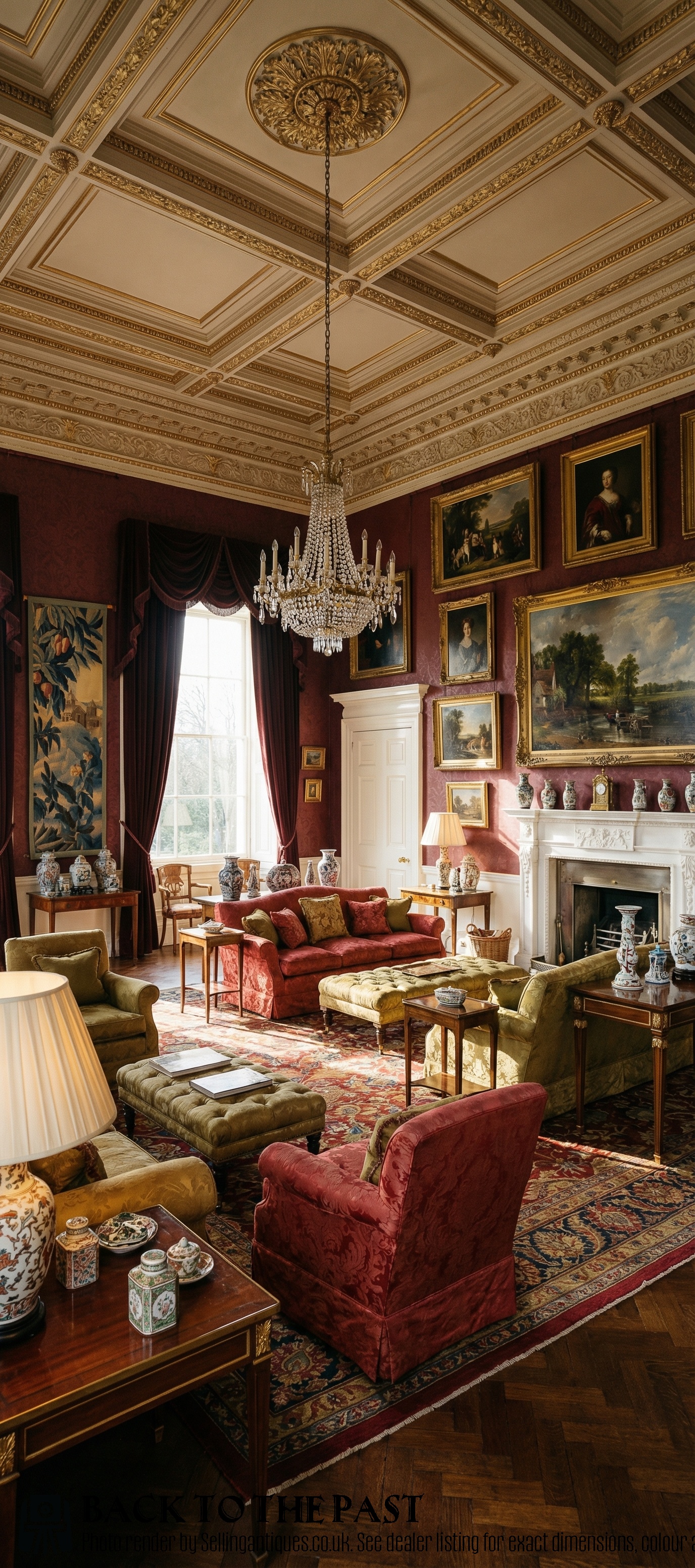
18th Century Tapestry
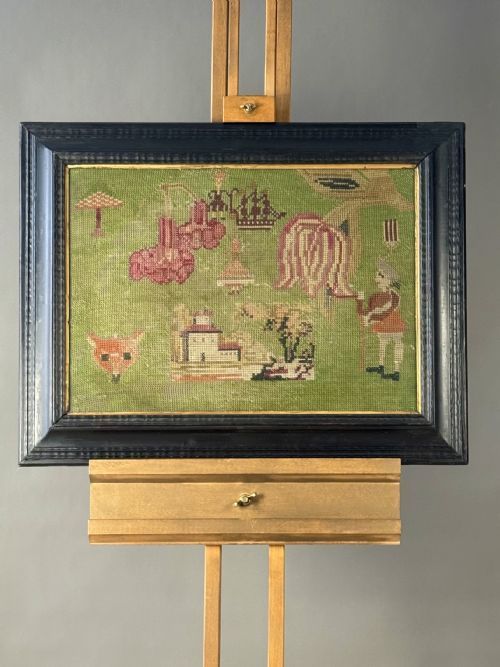
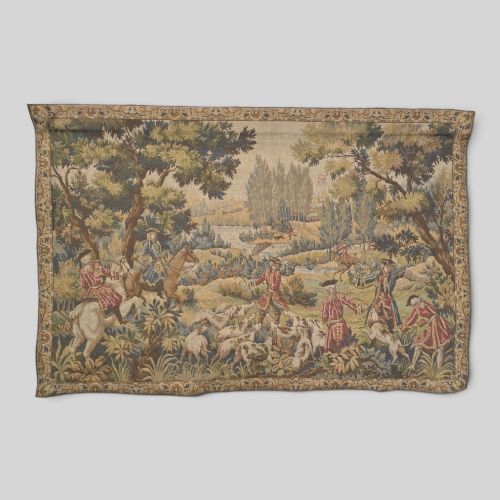
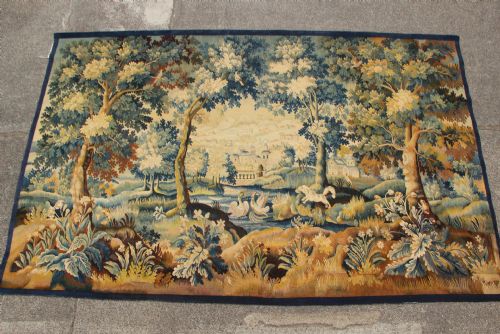
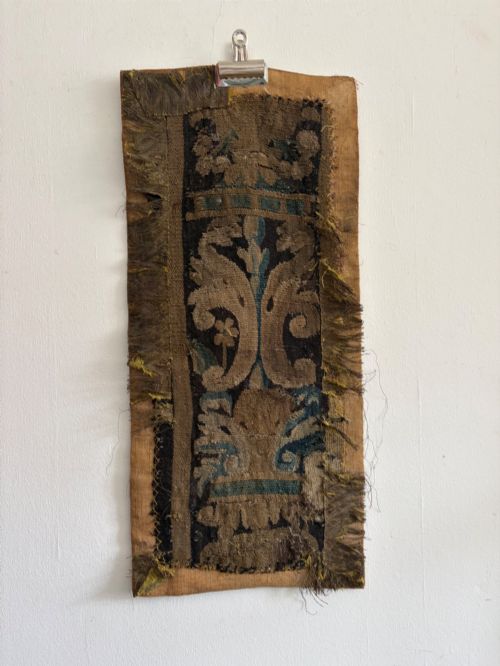
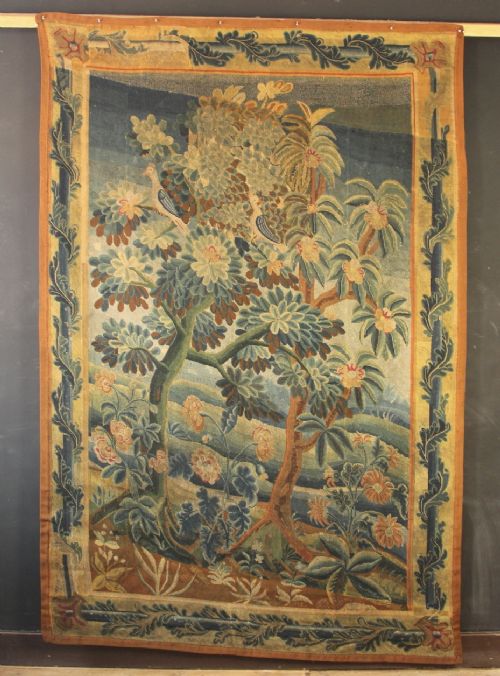
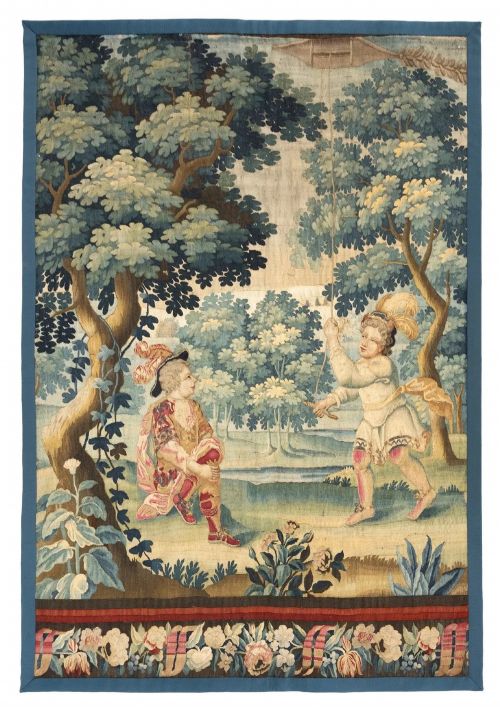
When searching for an 18th century tapestry, a buyer encounters large wall hangings, framed panels, verdure scenes depicting woodlands, and textile fragments mounted for display. Many pieces originate from renowned European weaving centres in France and Flanders, showcasing pastoral or botanical imagery.
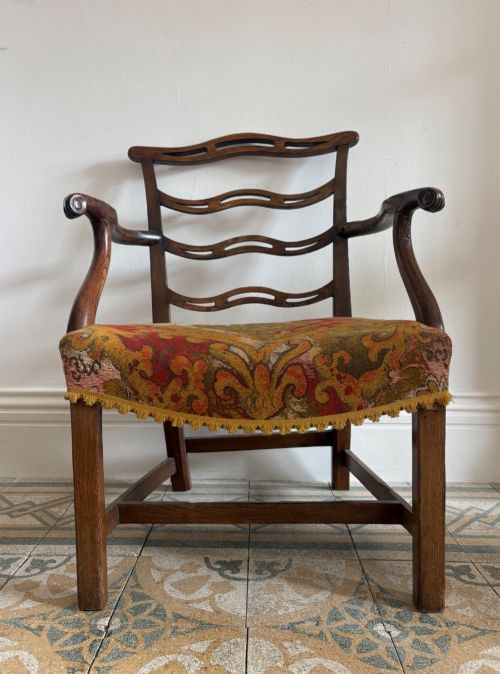
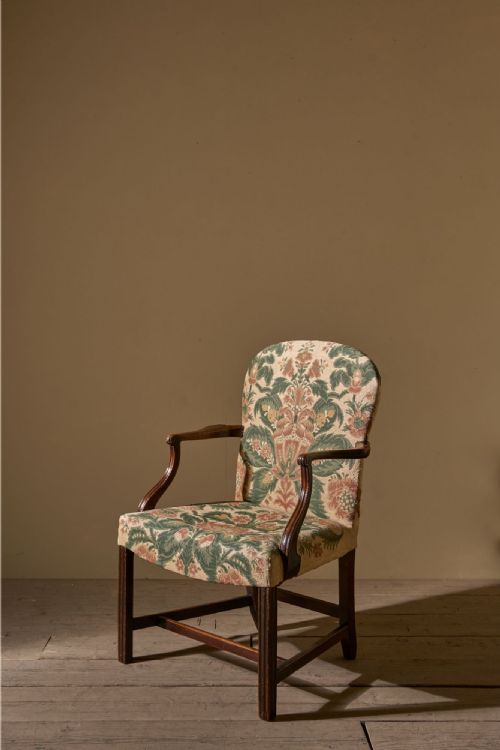
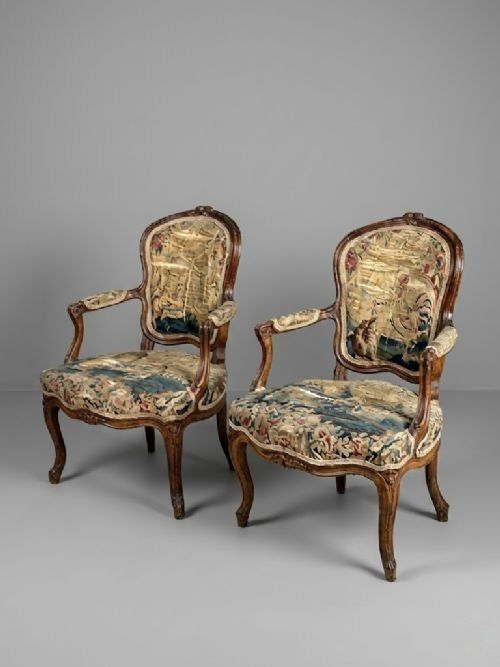
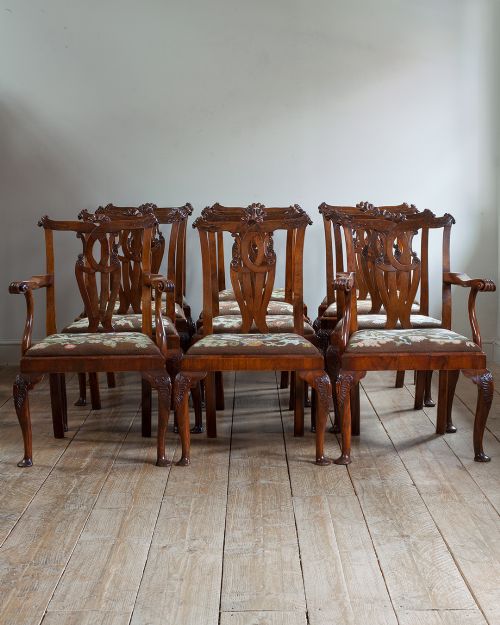
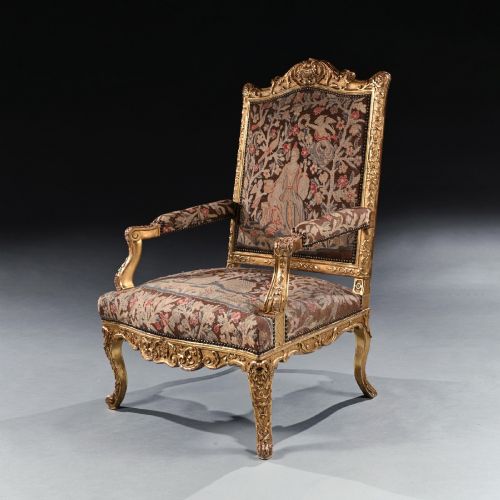
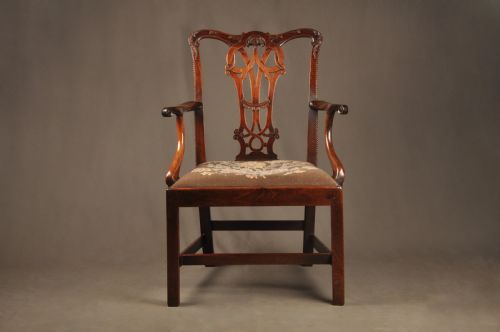
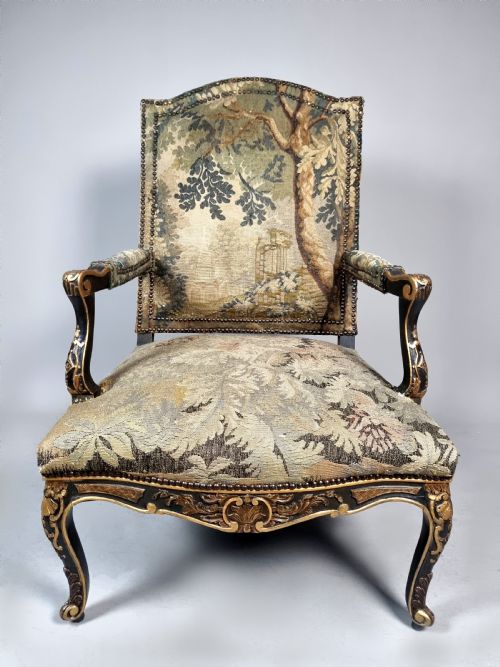
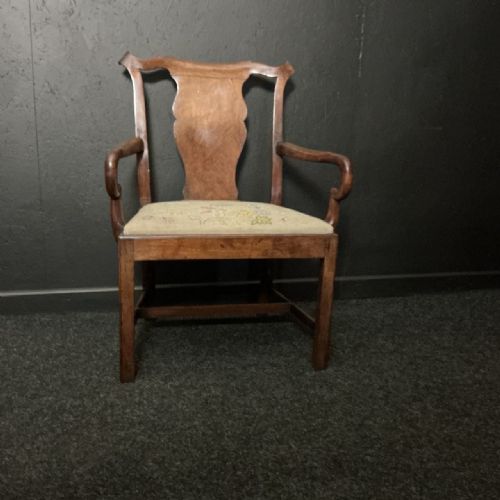
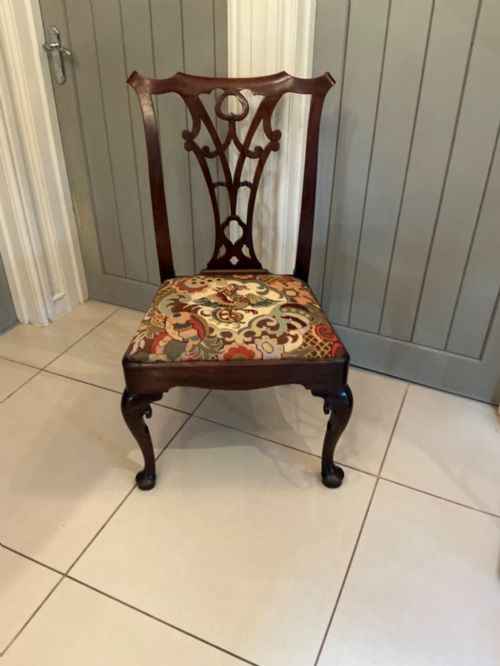
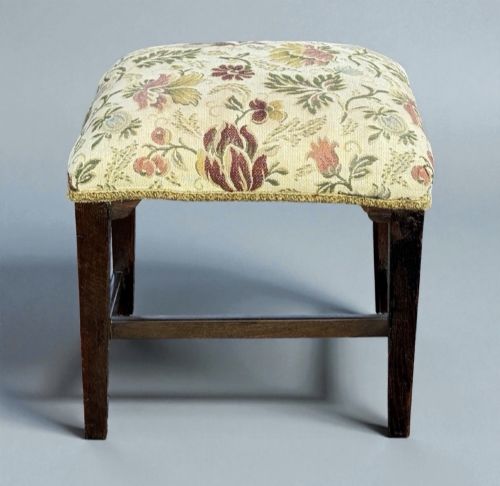
Beyond wall-mounted textiles, this category encompasses seating furniture upholstered in period needlework and tapestry fabric. Dining chairs, open armchairs, and footstools from the Georgian and Louis periods frequently appear bearing woven or embroidered seats.
The selection ranges from expansive room-sized landscape panels to smaller border fragments and fire screens. Verdure scenes dominated by foliage and muted greens form a significant portion of what is available.
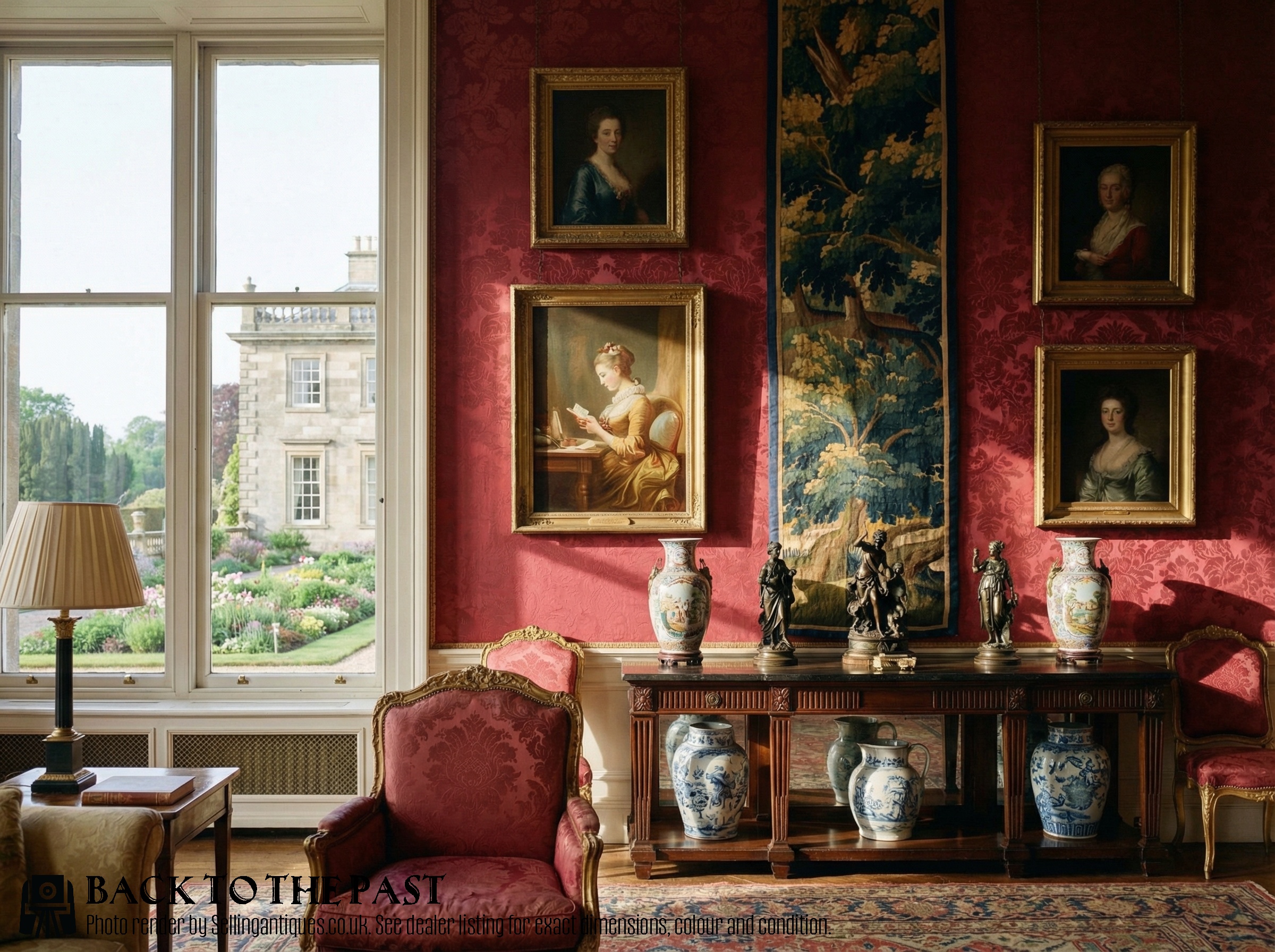
Materials and construction methods
Weavers constructed these textiles primarily using wool and silk threads, occasionally incorporating metal thread embroidery for added luminescence. The foundational warp threads typically utilised sturdy linen or wool to support the dense pictorial weave.
Wooden frames constructed from mahogany, walnut, oak, elm, or giltwood support the upholstered seating variations. Frame carvers shaped woods like mahogany and walnut to match contemporary styles such as Chippendale, Baroque, and Rococo before securing the textile panels.
18th Century Tapestry Retail Price Guide 2026
Typical asking prices for 18th century tapestry among the pieces listed under this phrase on Sellingantiques today, from the lower quarter to the upper quarter. They describe what is for sale here now, not the wider market.
Listings feature walnut and mahogany frames alongside wool, silk, and linen textiles across Georgian and Baroque periods.
Factors determining quality
The density of the weave and the complexity of the pictorial design dictate the standard of a textile panel. Superior examples display intricate detailing in foliage, figures, and animal motifs, alongside harmonious colour retention across wool and silk threads.
For upholstered furniture, the integrity of the wooden frame matches the significance of the textile. Master craftsmanship shows in deeply carved mahogany or walnut woodwork paired with authentic period needlepoint rather than later replacements.
The 18th Century Tapestry Glossary
- Verdure tapestry
- A wall hanging dominated by plant and foliage motifs, often featuring stylised trees, undergrowth, and distant landscapes. These woodland scenes were widely produced in Flemish and French workshops.
- Needlework
- Hand-stitched embroidery executed on a canvas or linen ground, frequently utilised for chair seats, fire screen panels, and framed pictures. This technique differs from woven tapestry produced on a loom.
- Aubusson
- A town in France celebrated for its tapestry weaving tradition, producing distinctive floral and pastoral wall hangings and upholstery fabrics. Aubusson pieces often reflect Louis XV and Rococo aesthetic sensibilities.
- Petit point
- A fine, count-thread needlepoint stitch executed on single-mesh canvas that allows for high-detail pictorial representation. It appears on select French armchairs and decorative panels from the period.
- Fire screen
- A freestanding wooden frame, often in mahogany or giltwood, designed to shield a person from fireplace heat and inset with an embroidered or woven textile panel.
18th Century Tapestry: Frequently Asked Questions
How do I hang a large antique tapestry?
Large textile panels require a weight-distributing hanging method such as a concealed Velcro strip sewn to the reverse or a fabric tunnel to slide over a custom rod. This prevents pulling stress on the historical fibres.
Professional mounting onto a linen backing provides extra structural support for fragile or fragmented wall hangings before they go on display.
Can I use tapestry upholstered chairs daily?
Chairs with period needlework or woven covers can withstand light, careful use if the underlying textile remains robust. Many examples serve successfully as occasional seating in low-traffic areas.
Placing chairs away from direct sunlight preserves the natural wool and silk dyes from fading over time.
What is the difference between weaving and needlework?
Woven tapestries are created on a loom by interlacing warp and weft threads to build an image from scratch. The structure of the textile itself forms the pictorial design.
Needlework involves stitching thread through an already existing woven mesh or canvas ground by hand. Both techniques appear frequently across eighteenth-century domestic items.
How do I identify a Flemish verdure tapestry?
Flemish verdure panels typically display dense arrangements of broad-leafed plants, trees, and small animals executed in deep greens, blues, and browns. Workshops in centres like Audenaarde and Flanders specialised in these forest scenes.
Border fragments often feature floral scrollwork framing the central landscape motif.