

Antique Embroidery Panel
An antique embroidery panel brings centuries of hand-stitched artistry into an interior through framed samplers, crewelwork hangings, and Central Asian suzanis.
Antique Embroidery Panel
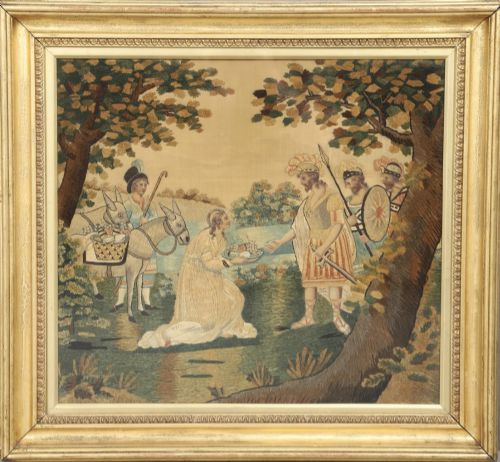
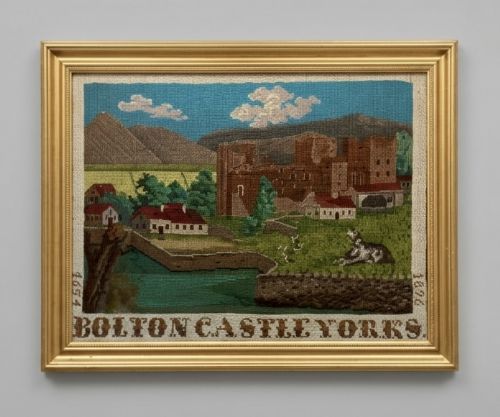
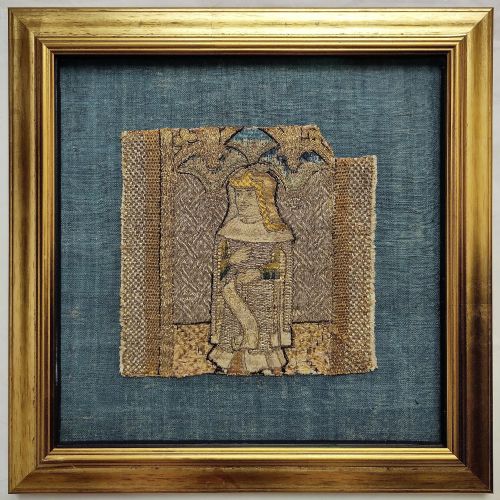
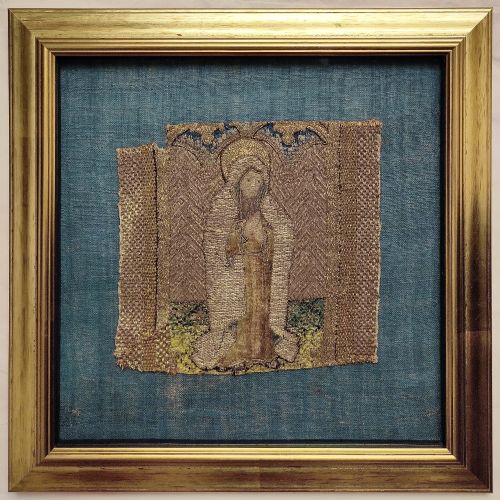
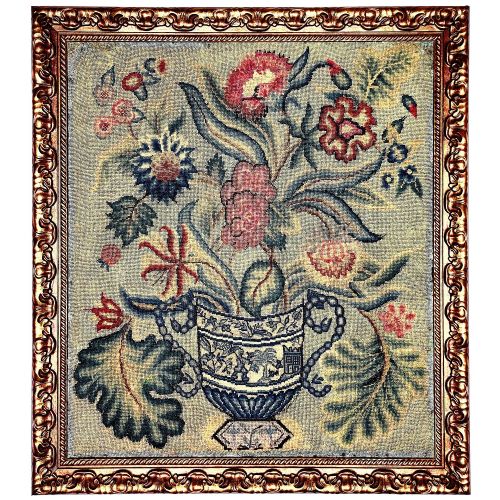
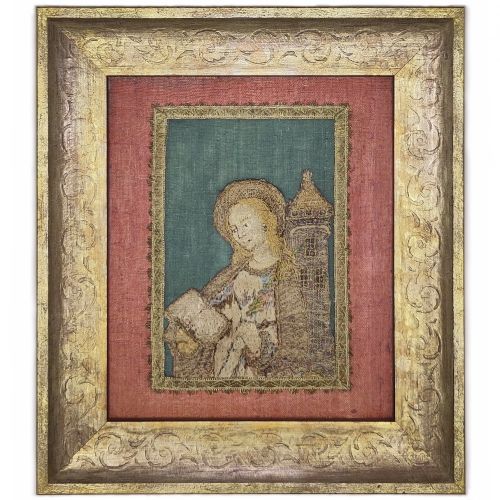
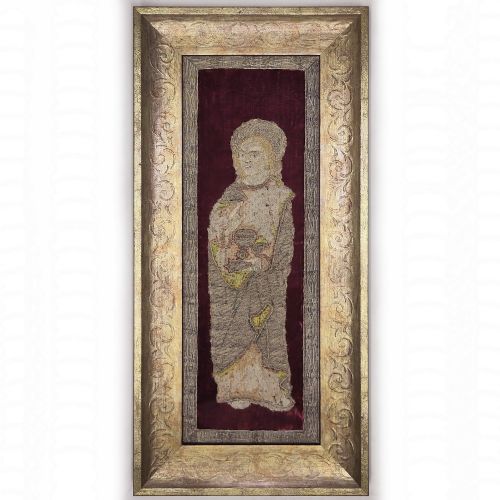
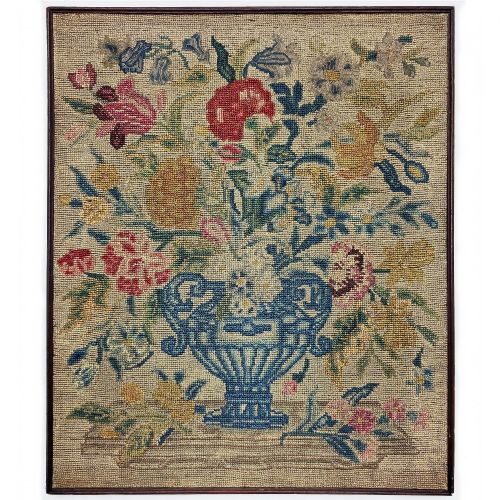
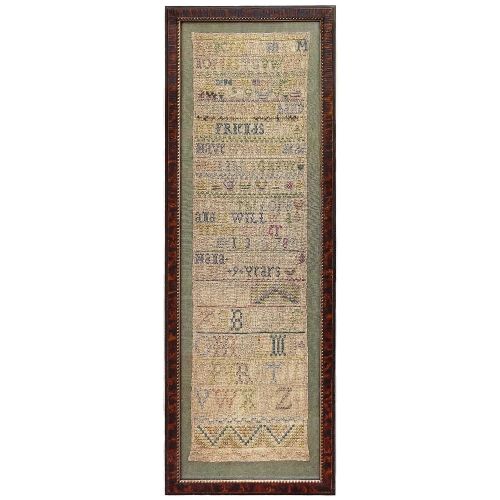
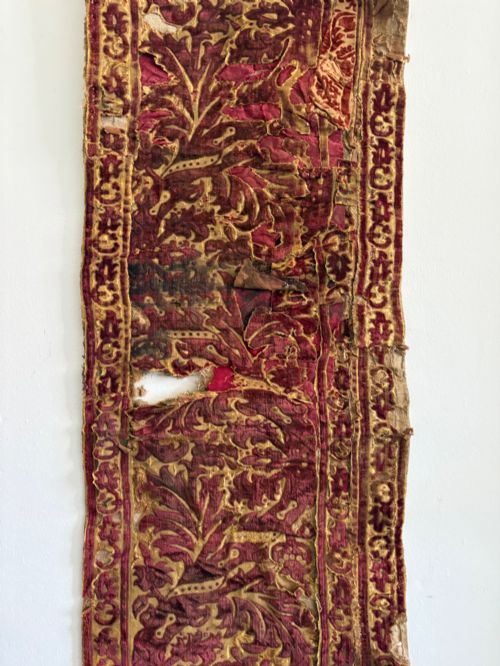
An antique embroidery panel encompasses everything from schoolgirl samplers and Berlin wool work to large Central Asian suzanis and crewelwork wall hangings. These textiles span periods from the seventeenth century through the Victorian era and into the early twentieth century.
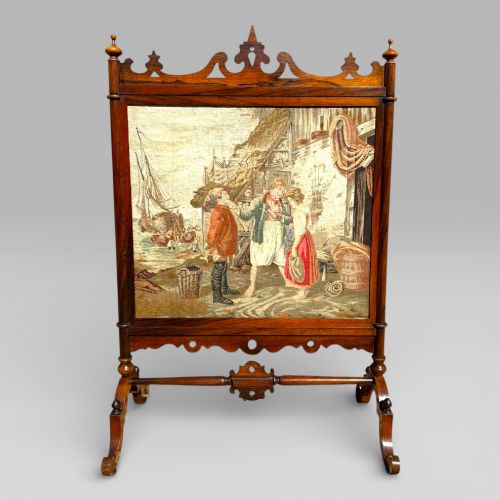
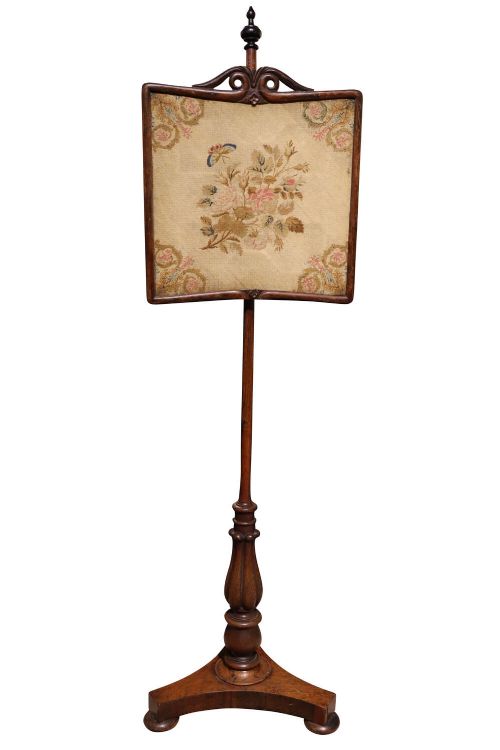
Buyers encounter distinct regional traditions, including Uzbek dowry embroidery, Chinese silk rank badges, and English needlework pictures. Most examples function as wall art, textile panels, or decorative inserts within screens and frames.
The materials and techniques reflect the domestic and professional needlework of their respective centuries. Survival depends heavily on the original backing, framing, and whether the textile was preserved behind glass.
How they were made
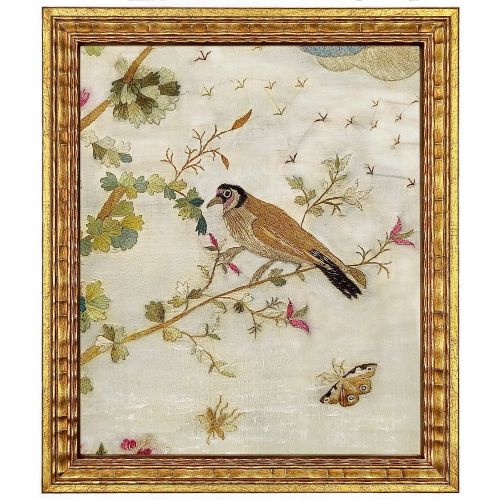
Needlework relies on a foundation of linen, cotton, wool, or canvas stitched with silk, wool, and metallic thread. Silk floss provides high-gloss detail in Suzanis and Georgian pictures, while heavy wool creates texture in crewelwork and seventeenth-century panels.
Supports often include wood frames, burr maple, walnut, or copper structures designed to protect delicate textile edges. Many pieces incorporate hand-painted elements alongside the needlework, combining paint and stitch on silk or canvas.
Antique Embroidery Panel Retail Price Guide 2026
Typical asking prices for embroidery panel among the pieces listed under this phrase on Sellingantiques today, from the lower quarter to the upper quarter. They describe what is for sale here now, not the wider market.
Listings feature textile art ranging from 17th-century crewelwork and Georgian silk samplers to 20th-century Central Asian suzanis.
What varies in quality
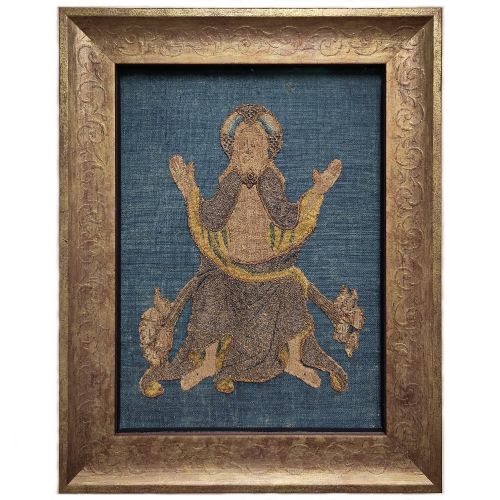
Density of stitchwork and complexity of design separate ordinary examples from exceptional ones. Fine antique suzanis and early crewelwork demonstrate intricate planning, varied stitches, and vibrant colour retention in the silk or wool threads.
The condition of the textile ground and the survival of original frames or mounts dictate the integrity of the piece. Professional mounting and protection behind glass preserve vulnerable metallic threads and fragile silk grounds against environmental wear.
The Antique Embroidery Panel Glossary
- Suzani
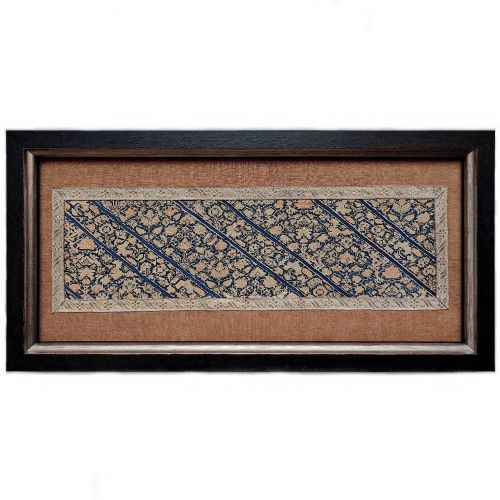
- An embroidered tribal textile from Central Asia, traditionally made as dowry pieces with bold floral and architectural motifs worked in silk on a cotton or linen ground.
- Crewelwork
- A style of embroidery using wool yarn to create heavy, textured designs on a linen or cotton twill foundation, popular in seventeenth-century and later decorative hangings.
- Sampler
- A piece of needlework produced by a beginner or child to demonstrate mastery of various stitches, alphabets, and motifs, often bearing a signature and date.
- Berlin Work
- A type of counted-thread embroidery popular in the nineteenth century, charted on grid paper and worked in brightly coloured wool on canvas.
- Rank Badge
- A square embroidered insignia worn on Chinese official robes to denote civil or military status, repurposed as framed textile panels.
Antique Embroidery Panel: Frequently Asked Questions
How do I hang an antique embroidery panel safely?
Heavy textiles require professional framing behind conservation glass to protect fragile silk and wool fibres from dust and direct sunlight. Wall hangings mounted on specialist battens distribute weight evenly across the fabric ground.
Avoid hanging panels in damp environments or areas with fluctuating temperatures. Gentle support prevents the textile from stretching or tearing under its own weight over time.
What is the difference between a suzani and a sampler?
Suzanis are large, vibrant embroidered wall hangings and dowry textiles originating from Central Asia, featuring complex floral and geometric silk designs. Samplers are typically smaller European practice pieces created to showcase stitch alphabets and motifs.
While suzanis served ceremonial and domestic furnishing roles in tribal households, samplers functioned as educational exercises and domestic records bearing dates and maker names.
How can I tell the age of a needlework panel?
Dating relies on stylistic clues, framing materials, stitch types, and the composition of the threads. Early pieces often feature coarse linen grounds, hand-spun silk, and natural dyes that mellow over centuries.
Documentation such as stitched dates, maker names, or accompanying historical records provides definitive age. Comparing stitch density and design motifs with dated examples helps place undated fragments into their correct period.