


Brown Wooden Frame
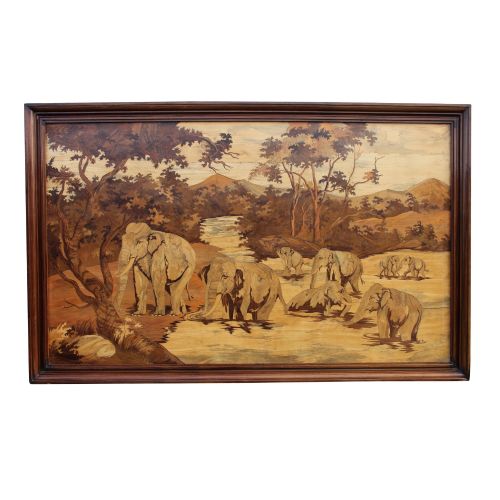
A brown wooden frame holds paintings, mirrors and photographs, bringing warmth and structural presence to interior walls.
Brown Wooden Frame
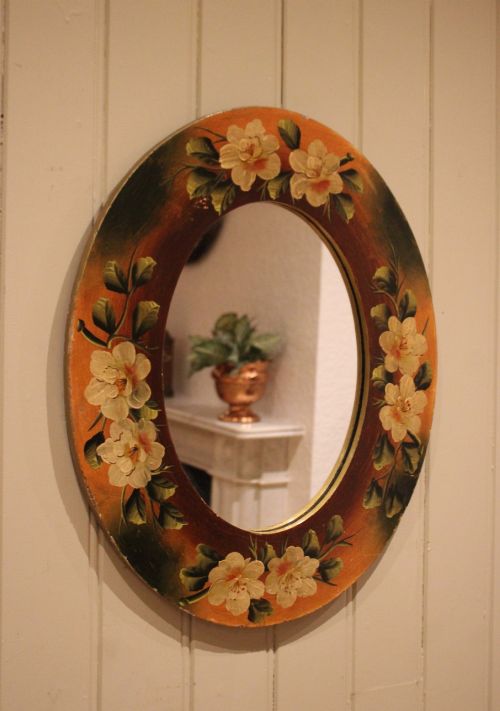
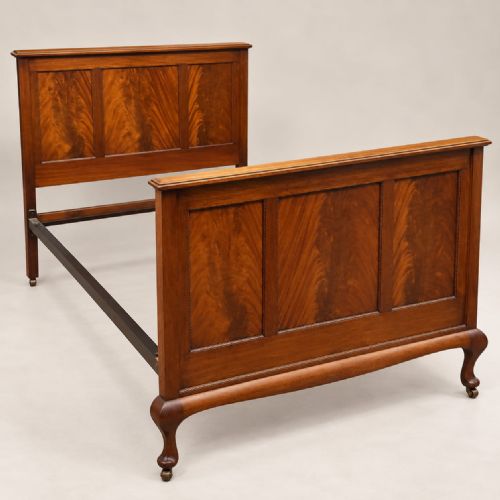
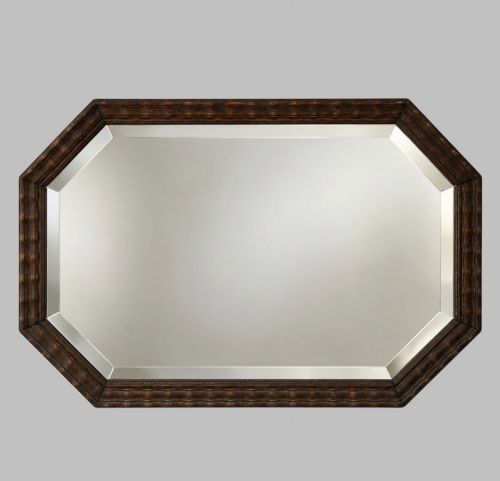
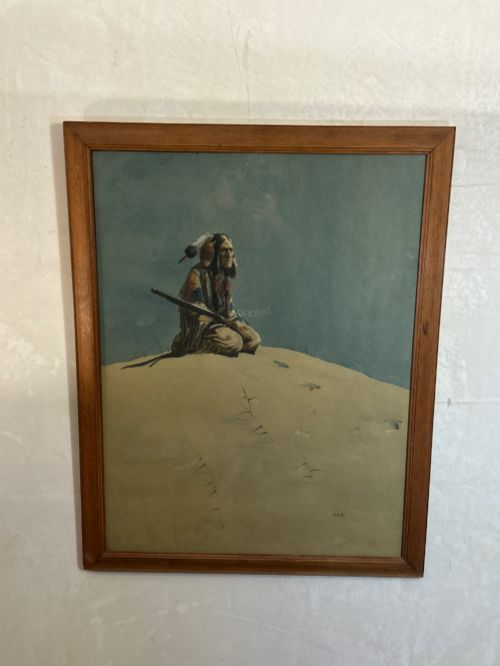
A brown wooden frame surrounds wall art, mirrors and watercolours, appearing across multiple eras from the 17th century onwards. These structural surrounds define the perimeter of hanging pieces, adding architectural depth to domestic spaces.
The selection here encompasses various incarnations produced across the Victorian, Edwardian and Art Deco periods. Buyers encounter specimens fashioned from native and imported timbers, each housing glass, mirrors or paper works.
Materials and construction
Carpenters utilised timbers such as oak, mahogany, walnut, fruitwood and beech to build these surrounds. Traditional joinery techniques secure the corners, whilst glass and paper complete the enclosed compositions.
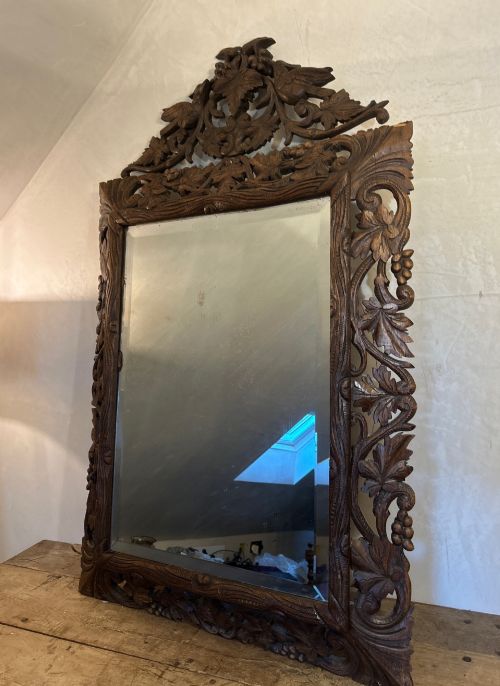
Makers shaped the timber through planing and carving, sometimes applying polish to highlight the natural grain. Iron and brass components occasionally provide structural reinforcement or hanging hardware.
Some timbers spent decades serving royal messengers before finding sanctuary behind glass.
Assessing quality and craftsmanship
Superior examples demonstrate meticulous timber selection, displaying rich grain patterns and stable joinery at every corner. The depth of hand-carving and the clarity of the protective glass distinguish finer pieces from standard utilitarian outputs.
Age and original surface patination influence the character of the timber over decades of exposure. Pieces retaining their early finish exhibit a depth that mechanical polishing fails to replicate.
Holland and Sons·Waring and Gillow·Stanley Webb Davies·Oliver Morel
The Brown Wooden Frame Glossary
- Bevelled glass
- Glass with an angled edge cut around the perimeter, catching light and adding visual depth to mirrors.
- Trumeau
- A decorative wall mirror or panel featuring painted or carved artwork within the upper section.
- Faux bamboo
- Timber shaped and painted to imitate natural bamboo stems, popular during the Victorian era.
- Cartography
- The study and mapping of geographical regions, often seen in framed antique maps.
Brown Wooden Frame: Frequently Asked Questions
What periods do these frames represent?
The selection spans multiple centuries, including 17th-century pieces alongside Victorian, Edwardian and Art Deco examples.
Each period utilises specific construction methods and timber preferences characteristic of its time of origin.
What timbers were used?
Common timbers include oak, mahogany, walnut, beech and fruitwood, selected for durability and grain pattern.
Craftsmen matched the timber choice to the style and intended room placement of the finished object.
How are mirrors incorporated?
Mirrors sit securely within the timber rebate, often backed with protective boards and supported by original framing joints.
Many incorporate bevelled glass edges which reflect ambient light effectively within living spaces.
Can these pieces be hung easily?
Most wall-hanging items arrive fitted with appropriate mounting hardware suitable for domestic display.
Buyers should verify weight specifications and wall fixings prior to installation.