





Georgian Embroidered Sampler
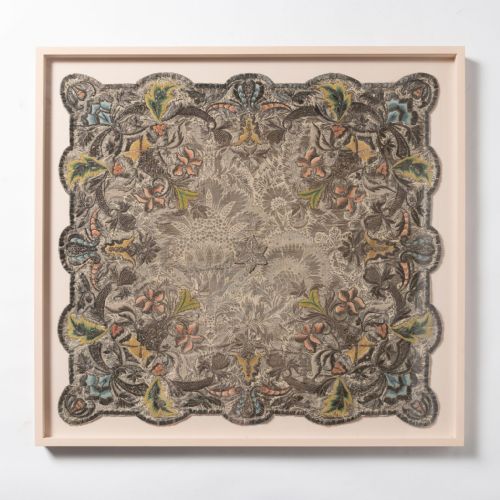
A georgian embroidered sampler is a needlework textile panel worked in silk thread and wool on linen, prized by collectors for its intimate record of needlecraft history.
Understanding the georgian embroidered sampler
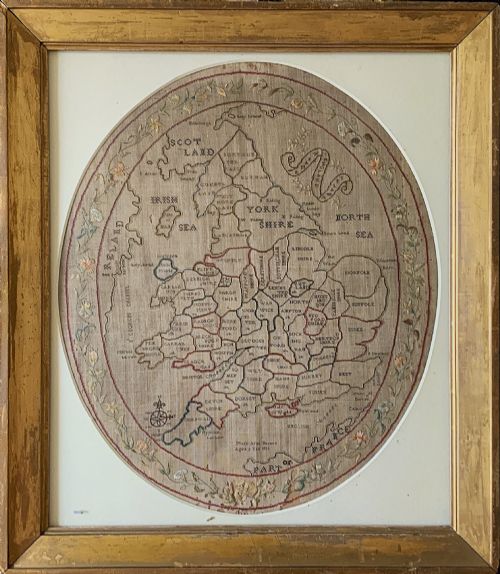
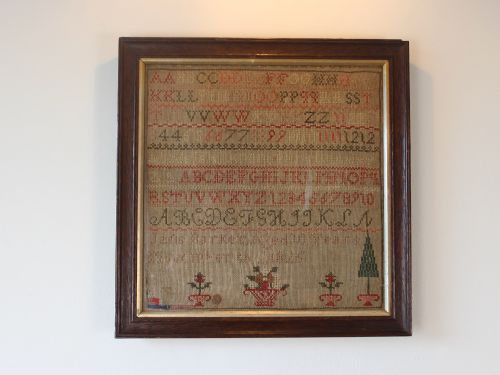
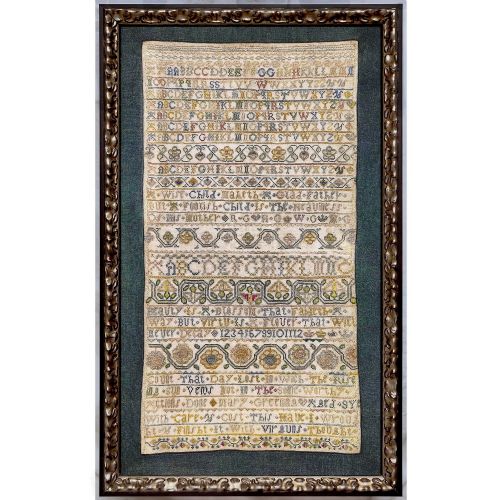
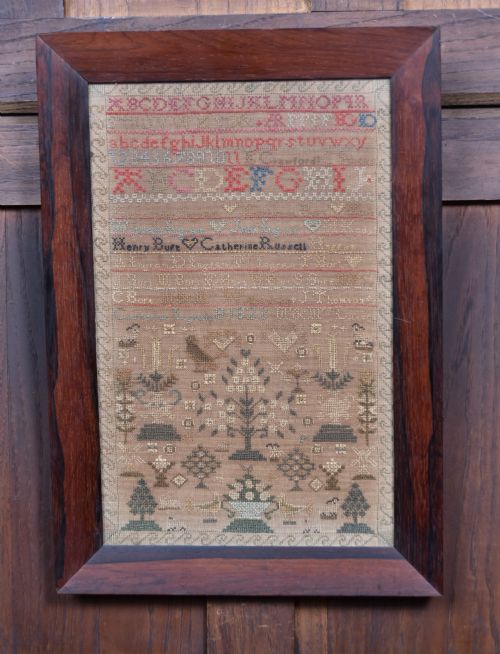
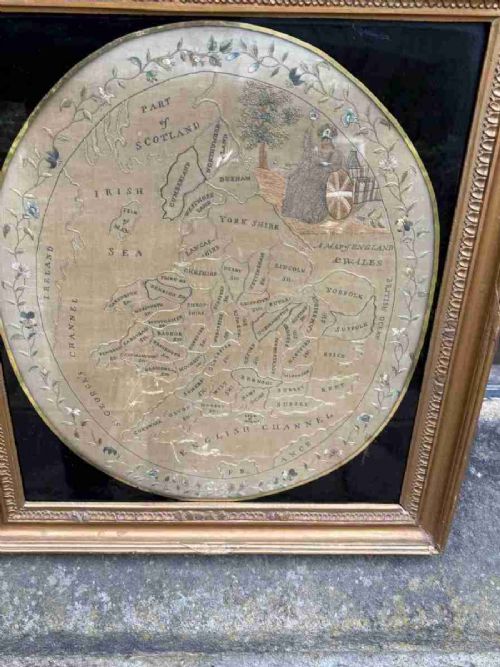
A georgian embroidered sampler takes the form of needlework samplers, textile wall art, and framed embroidered panels produced across the Georgian period and the early nineteenth century. These needlework pieces frequently incorporate alphabets, numerals, and pictorial scenes such as the story of Jack and the Beanstalk, executed by makers like Elizabeth Horn, Mary Street, and Susan Mary Williams.
Collectors encounter examples originating from English workshops and establishments like the Lozells Establishment, dated from the late eighteenth century through to the 1830s. The format ranges from compact framed works to larger pictorial wall art, capturing domestic education and needlework skill.
The material composition relies on linen grounds worked with silk thread and wool, typically preserved behind glass within maple wood or other wooden frames. These textiles survive as primary documents of period needlecraft, reflecting both individual maker signatures and regional English traditions.
Materials and construction
Makers constructed each georgian embroidered sampler by stitching directly onto a woven linen ground using coloured silk thread and wool. This combination of fibres provided varied textures for lettering, floral motifs, and detailed pictorial narratives.
Finished needlework panels were mounted into wooden frames, frequently utilising maple wood, and protected beneath glass to preserve the delicate textile fibres. Framing practices of the period ensured these works functioned as durable wall art.
Retail Price Guide 2026
Typical UK retail prices for georgian embroidered sampler, calculated from the Sellingantiques database of over a million retail prices indexed since 2003. This retail price guide relies exclusively on Sellingantiques data; no external sources or auction records are used, so the figures do not describe the wider market.
One recorded maker stitched an entire visual retelling of Jack and the Beanstalk into her linen canvas.
Assessing quality
Quality rests upon the complexity of the pictorial design, the precision of the needlepoint stitches, and the legibility of inscriptions recording the maker and date. Works depicting narrative scenes or detailed figures demonstrate greater ambition than standard alphabet exercises.
Condition of the linen ground and the retention of colour in the silk thread and wool dictate the visual impact of the piece. Intact early framing materials further contribute to the integrity of surviving examples.
The Georgian Embroidered Sampler Glossary
- Sampler
- A piece of needlework produced to demonstrate proficiency in various stitches, alphabets, and decorative motifs. These panels served as educational exercises and decorative records for young makers.
- Needlepoint
- A type of embroidery where yarn or thread is stitched through a stiff open-weave canvas or linen ground. This technique creates a dense, durable surface suitable for pictorial designs.
- Linen
- A textile made from the fibres of the flax plant, utilised as the foundational ground fabric for needlework samplers. Its even weave allowed for precise counting of threads during execution.
- Maple Wood
- A dense hardwood frequently selected for framing decorative panels and samplers in the Georgian and Victorian eras. The timber provides a stable, attractive border for textile art.
Frequently Asked Questions
What is a georgian embroidered sampler?
A georgian embroidered sampler is a historic textile panel stitched with silk thread and wool on linen, featuring alphabets, names, dates, and pictorial scenes.
These pieces were created by individuals learning needlecraft and serve as documented records of English domestic art from the late eighteenth and early nineteenth centuries.
How were these samplers originally displayed?
Makers and owners mounted the finished needlework panels into wooden frames, often using maple wood, with glass protection to shield the delicate threads from dust and damage.
Framed in this manner, they functioned as interior wall art within period homes.
How do you date a georgian sampler?
Dating relies primarily on inscribed names, dates, and place names stitched directly into the textile by the maker, such as works dated from 1800 through to the 1830s.
Stylistic indicators, framing materials, and the specific characteristics of the linen and threads also assist in determining the period of origin.
What materials are used in these pieces?
The primary components consist of a linen ground embroidered with silk thread and wool, housed within wooden frames under glass.
These organic materials require stable environmental conditions to prevent fibre degradation and fading over time.