

Framed Silk Embroidery
A framed silk embroidery brings centuries of textile artistry indoors, offering detailed needlework preserved beneath glass.

Framed Silk Embroidery
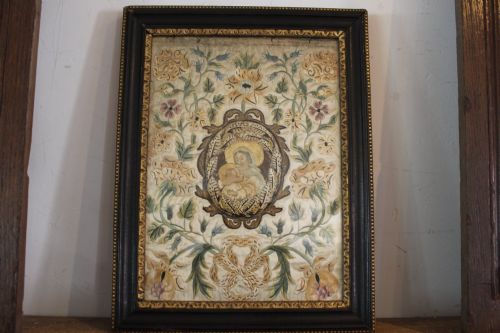
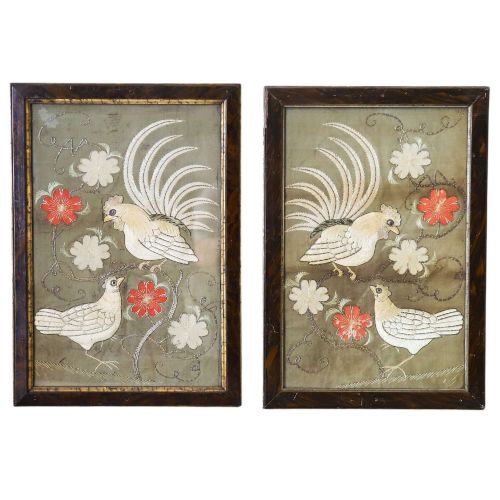
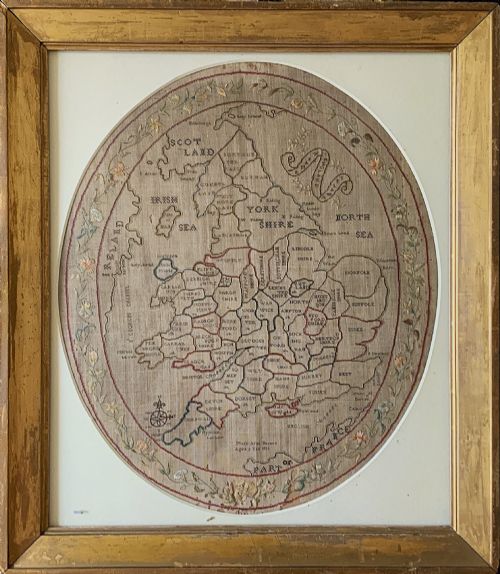
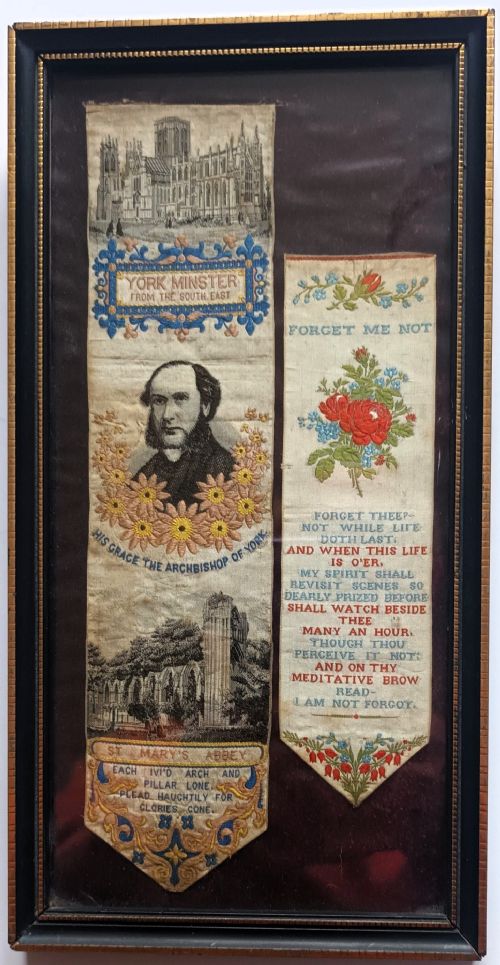
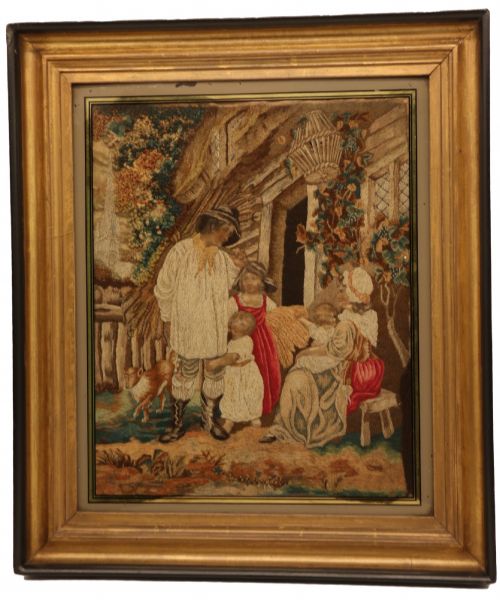
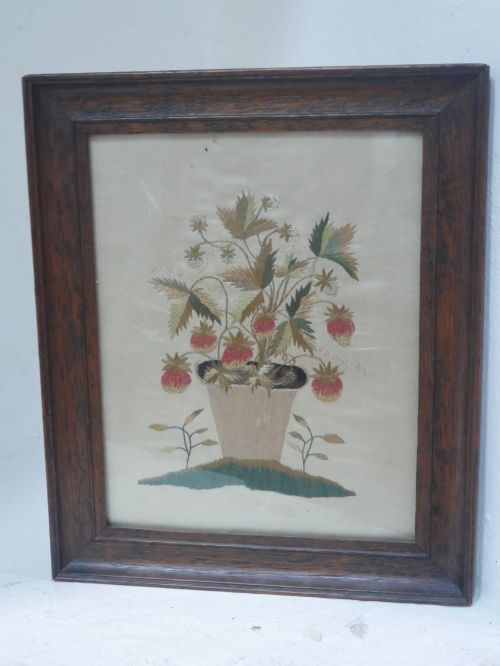
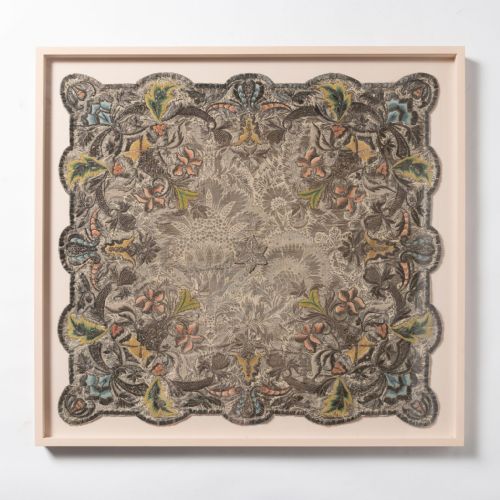
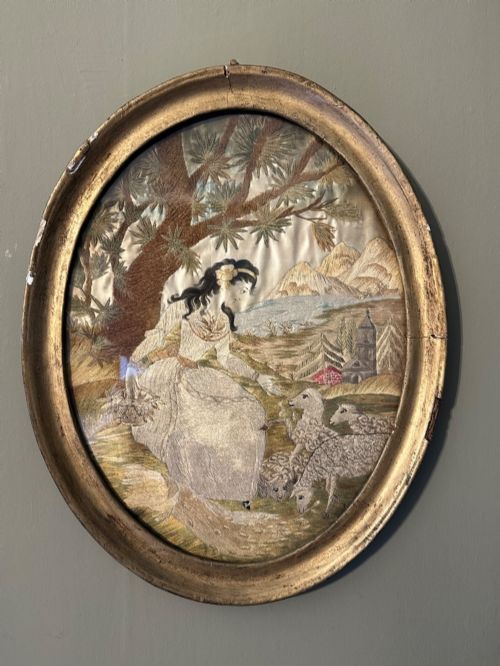
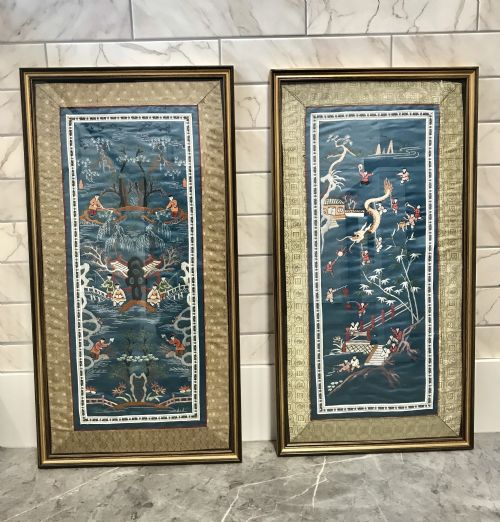
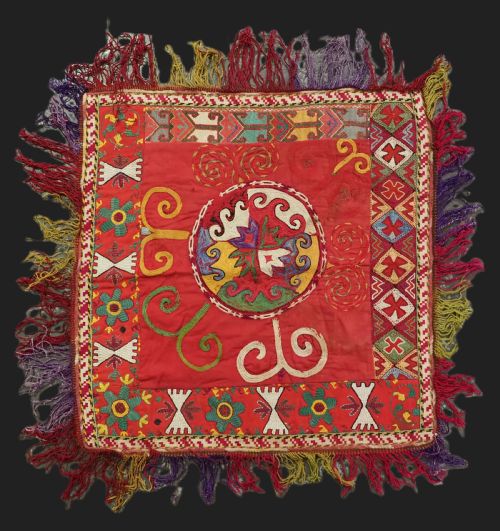
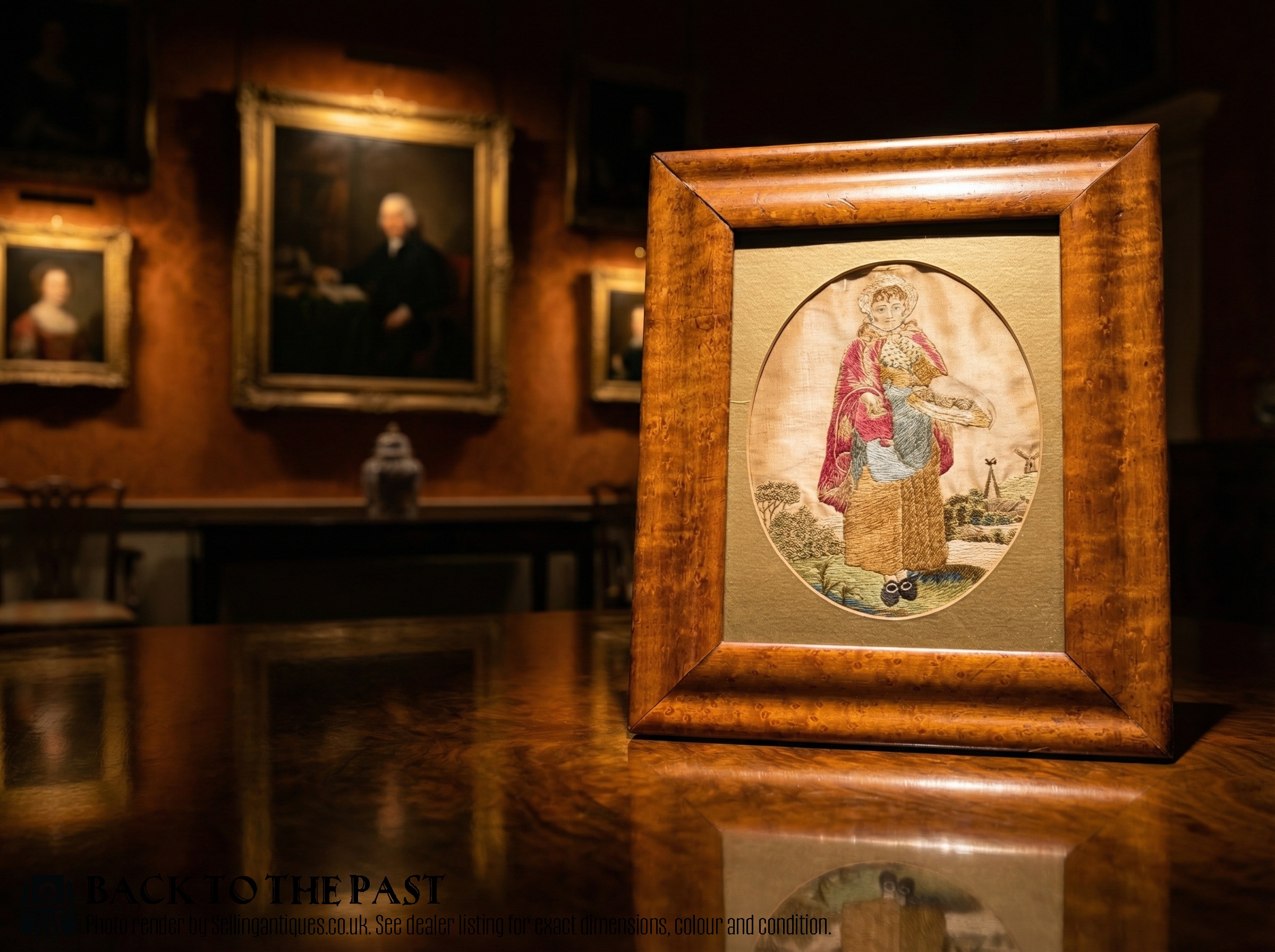
A framed silk embroidery comprises textile works created across centuries, spanning periods from the seventeenth century to the twentieth century. These pieces appear as wall art, needlework pictures, framed panels, samplers, and hanging textiles.
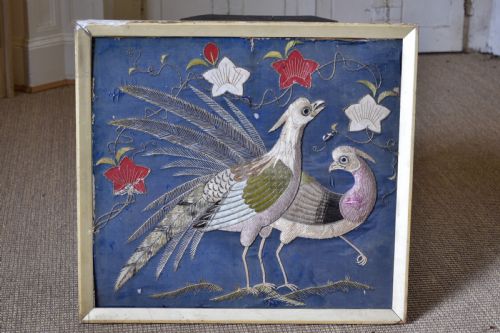
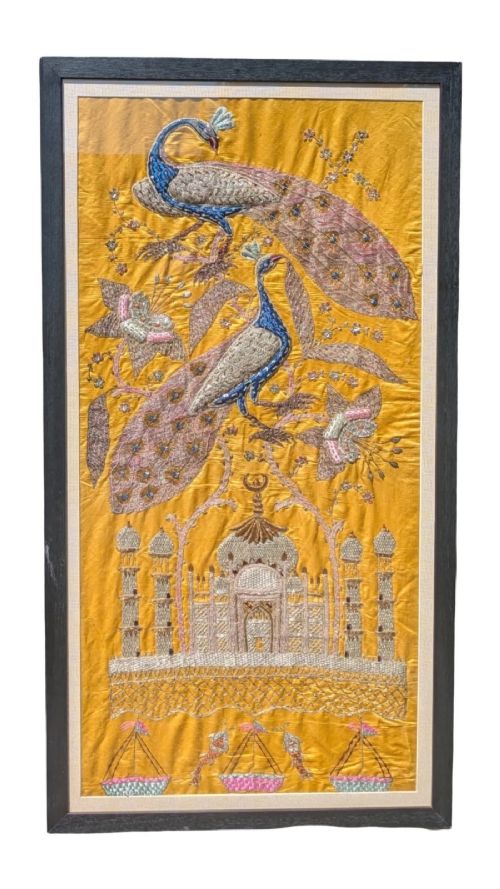
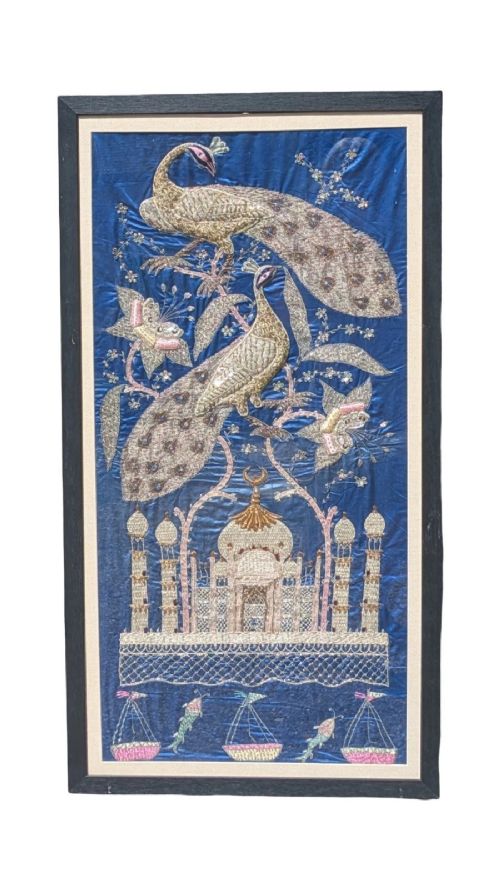
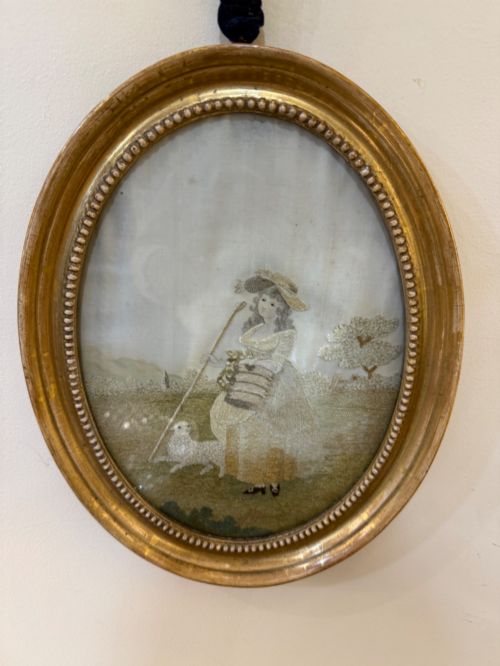
Buyers meet diverse regional styles on this page, including English, French, Chinese, Ottoman, Greek, and Indian examples. Common forms include maps, pastoral scenes, portraits, floral motifs, animals, and architectural landmarks.
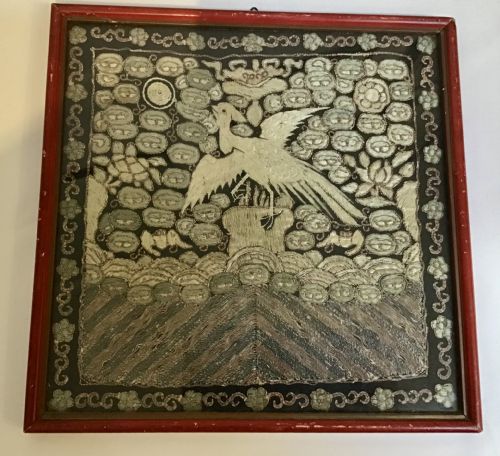
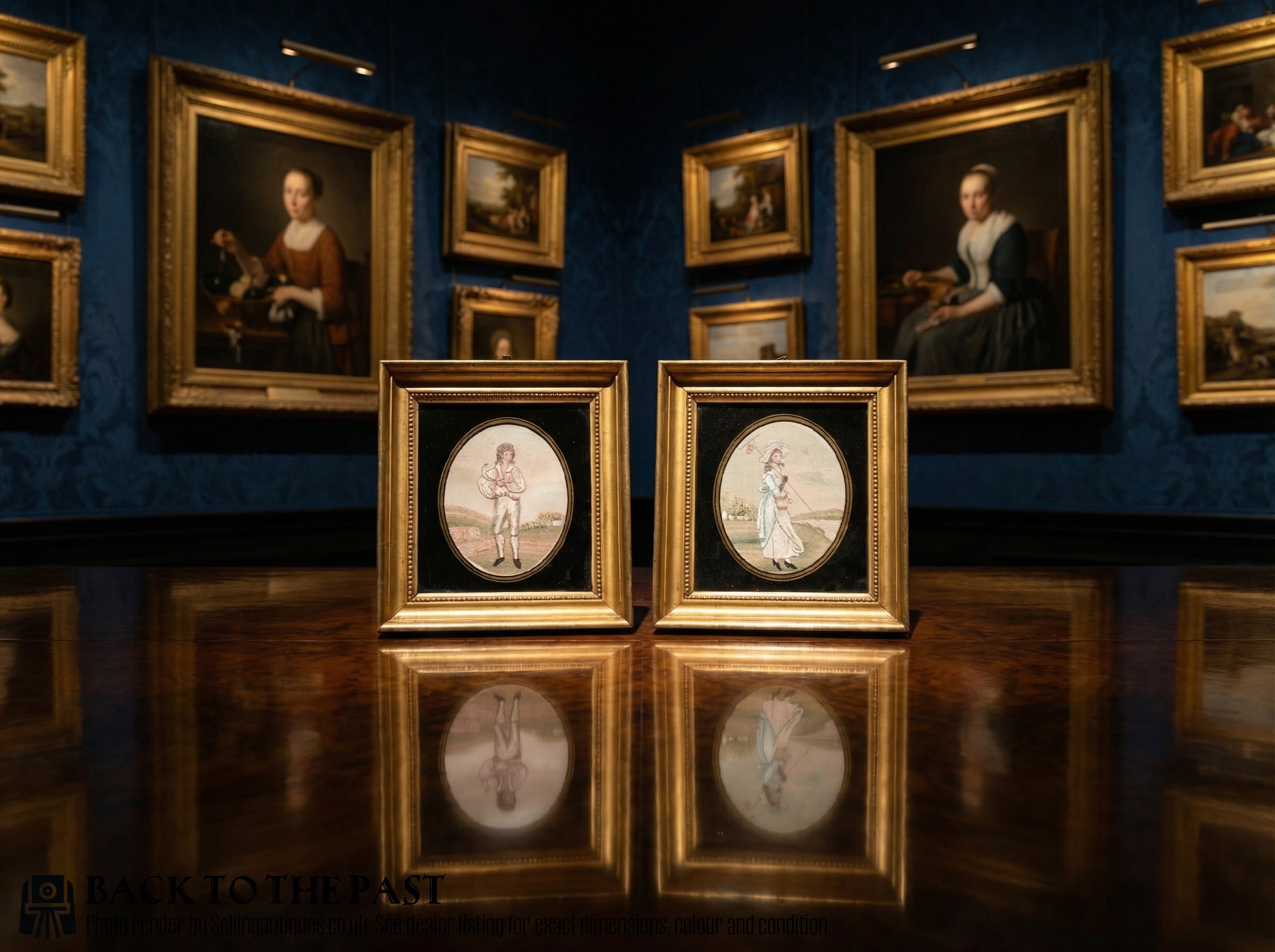
The selection ranges from early stumpwork panels and band samplers to nineteenth-century silkwork pictures and twentieth-century rank badges. Each piece reflects the specific decorative taste and needlework techniques of its origin.
Materials and Technique
Framed Silk Embroidery Retail Price Guide 2026
Typical asking prices for framed silk embroidery among the pieces listed under this phrase on Sellingantiques today, from the lower quarter to the upper quarter. They describe what is for sale here now, not the wider market.
Listings feature eighteenth-century samplers alongside seventeenth-century stumpwork panels and twentieth-century Chinese rank badges.
Assessing Quality and Execution
Technical proficiency dictates the distinction between standard works and master examples, visible in the complexity of the stitch work and the precision of the shading. Fine execution appears in detailed depictions of figures, plumage, and architecture using varied thread types.
The survival of the textile ground and the vibrancy of the original colours determine the preservation standard. Superior examples retain their early frames, whether giltwood or specialised glass settings, maintaining the integrity of the piece.
Stevens of Coventry
The Framed Silk Embroidery Glossary
- Stumpwork
- A raised embroidery style popular in the seventeenth century that utilises padded elements to create a three-dimensional effect on the panel.
- Sampler
- A piece of needlework demonstrating various stitches and patterns, historically worked by young girls to practice lettering, numbers, and map designs.
- Rank Badge
- A square embroidered patch worn on official Chinese garments to denote the civil or military rank of the wearer.
- Metallic Thread
- A fine thread wrapped or manufactured with gold or silver used to add reflective highlights to textile art.
- Verre Églomisé
- A process of applying gold or silver leaf to glass combined with engraving and painting, frequently used for decorative antique picture frames.
Framed Silk Embroidery: Frequently Asked Questions
What periods do these embroideries come from?
The pieces span multiple historical eras, with surviving examples dating from the seventeenth, eighteenth, nineteenth, and early twentieth centuries.
English, European, Asian, and Mediterranean workshops produced these works using traditional regional stitching methods.
How should I display framed silk work?
These textiles require hanging away from direct sunlight to prevent the silk threads and natural dyes from fading over time.
Keeping the original glass intact protects the delicate fibres and hand-painted details from atmospheric dust and moisture.
What subjects appear in these panels?
Common subjects include floral arrangements, birds, horses, architectural landmarks, and pastoral farming scenes.
Educational maps, religious figures, mythological symbols, and formal portraits also feature prominently across the surviving examples.
How do I identify a sampler?
Samplers typically display alphabets, numerical sequences, and geometric borders executed by young makers as practice pieces.
Many examples include the name of the maker, age, and a specific date indicating when the needlework was completed.