
Antique Needlepoint Panel
An antique needlepoint panel brings tactile history into a room, offering stitched scenes and patterns that anchor a period interior.
What They Are
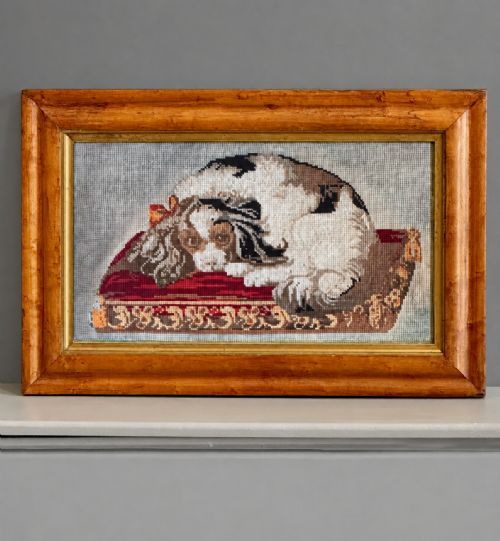
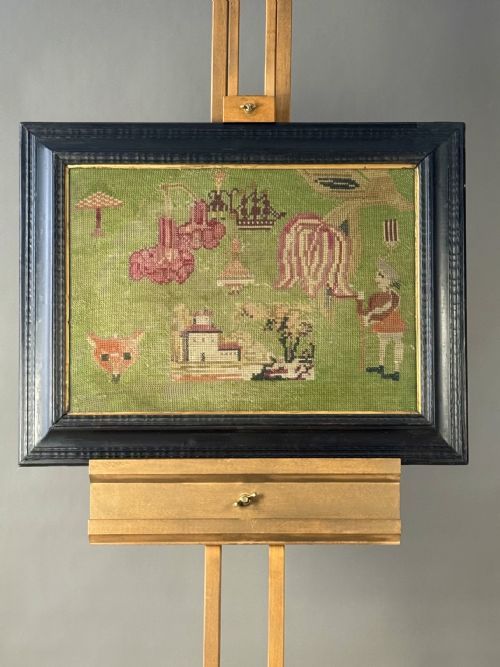
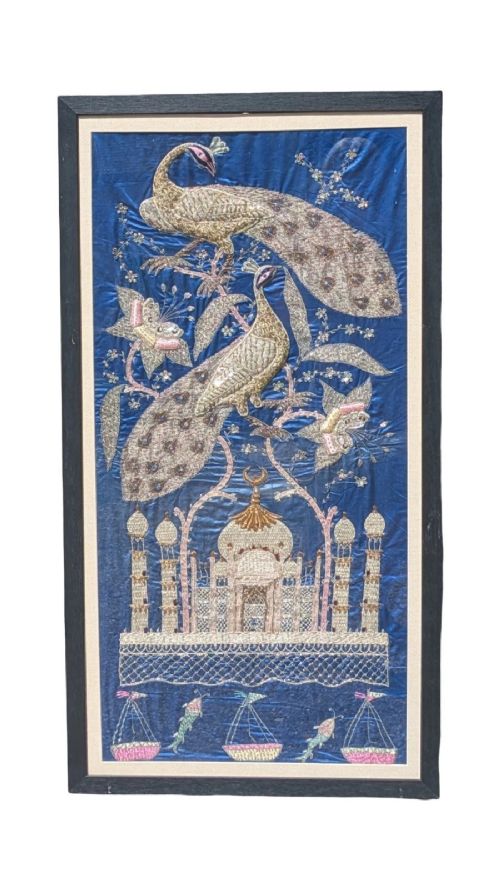
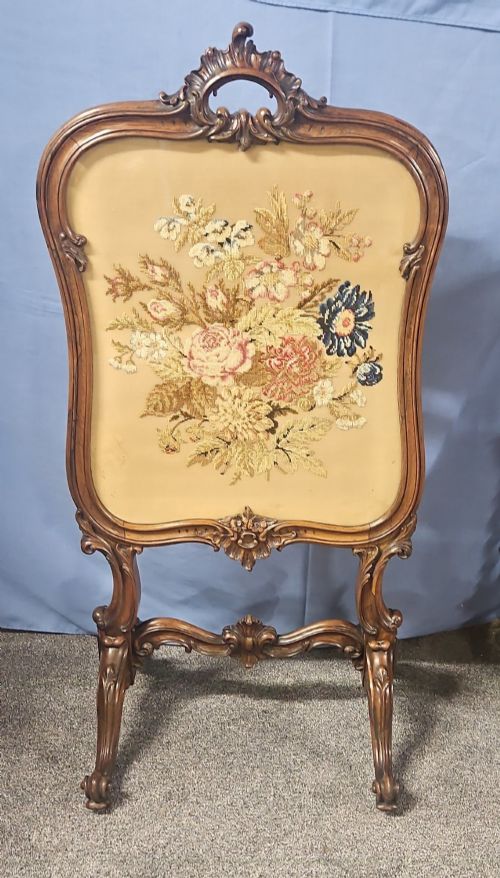
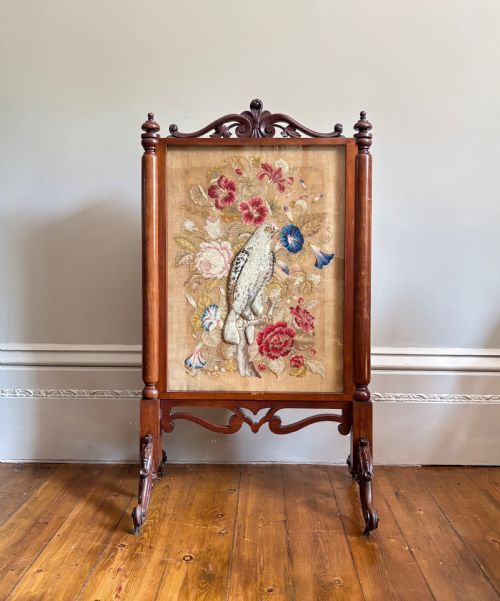
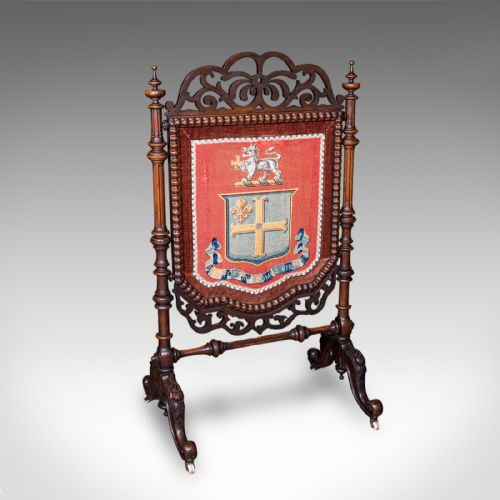
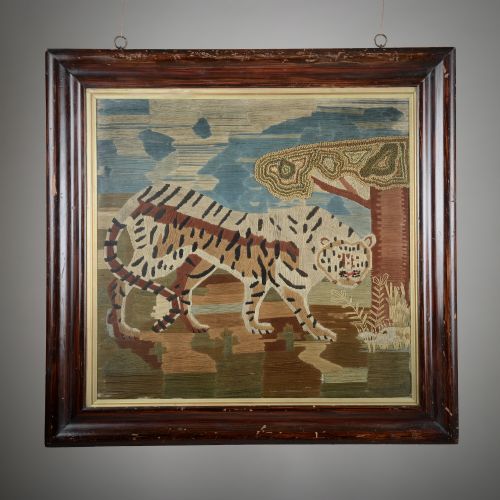
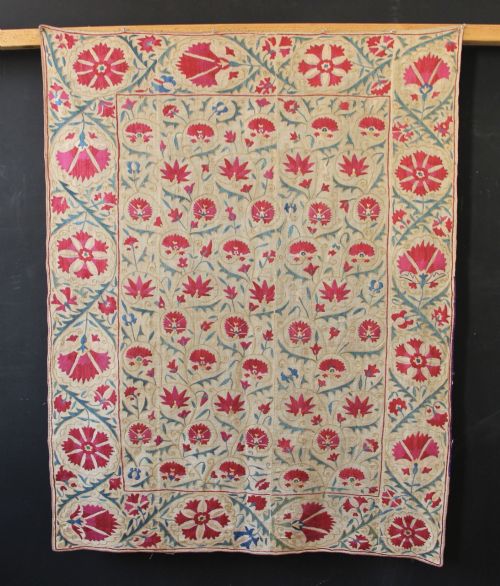
When searching for an antique needlepoint panel, buyers encounter an array of framed textiles, wall hangings, samplers, and fireside screens. These pieces span the Georgian, Victorian, and Edwardian eras, originating from English, French, Chinese, and Greek Island workshops.
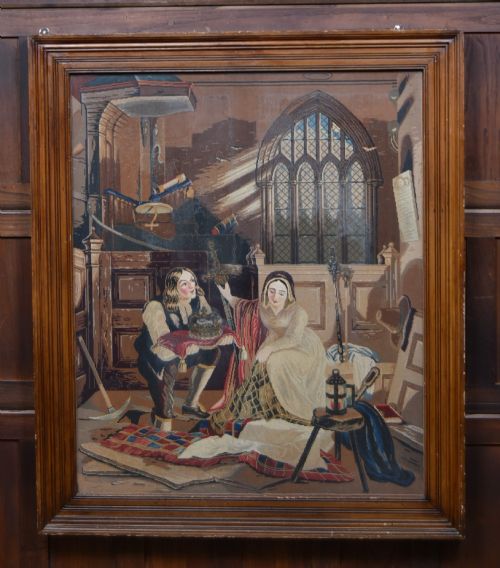
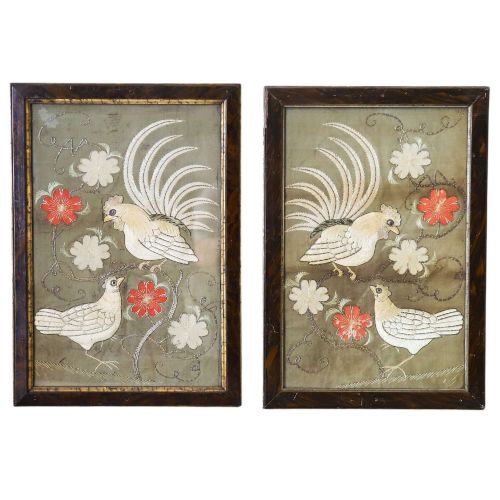
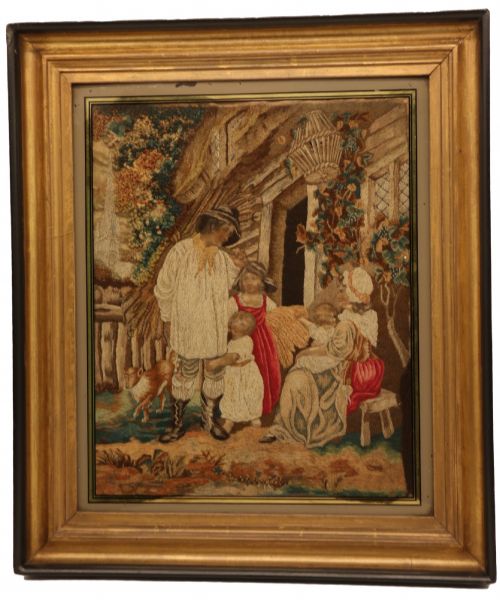
The most common examples on this page are Victorian framed tapestry panels and samplers worked by hand. Formats range from large decorative friezes and panoramic wall hangings down to small framed silkwork and specialised fireplace screen inserts.
Makers include young stitchers recording dates and names alongside anonymous artisans who produced detailed botanical, landscape, and architectural scenes. Such textiles served both domestic utility as screens and pure decoration as framed wall art.
How They Were Made
Needlepoint panels combine spun threads of wool, silk floss, and linen worked meticulously across canvas or woven grounds. Artisans built up dense pictorial surfaces using counted-thread embroidery and tapestry stitches.
Many surviving panels retain their original wooden housings formed from oak, maple, walnut, rosewood, satinwood, or gilt frames. Glazing often protects the fragile textile arts from dust and handling over the centuries.
Retail Price Guide 2026
Typical UK retail prices for needlepoint panel, calculated from the Sellingantiques database of over a million retail prices indexed since 2003. This retail price guide relies exclusively on Sellingantiques data; no external sources or auction records are used, so the figures do not describe the wider market.
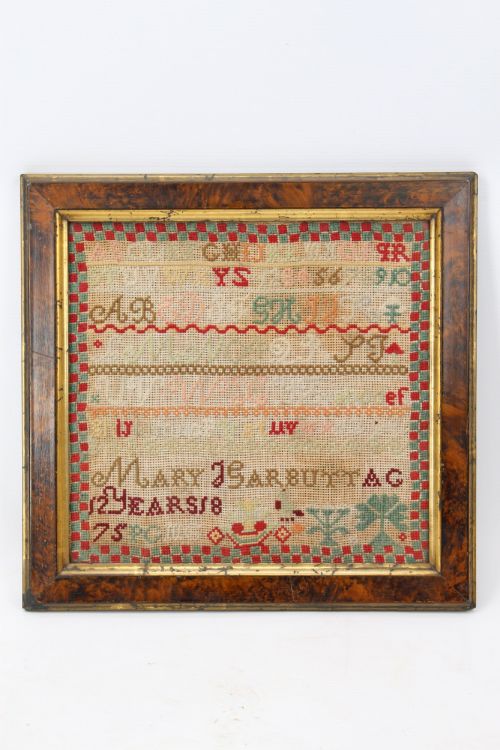
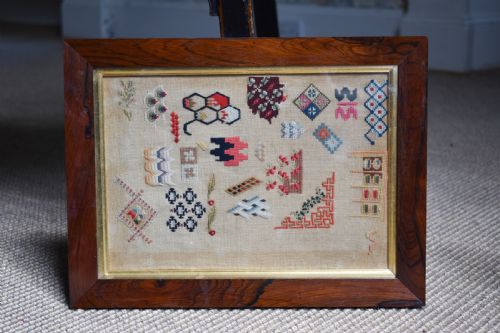
Margaret Ann Blackow stitched her age into a mid-Victorian sampler at twelve years old, leaving her needlework signature for modern rooms.
What Varies in Quality
Quality rests in the precision of the stitch work and the complexity of the polychrome palette. Finer panels display tight, even tension and subtle shading that mimics painted landscapes or classical portraits.
The choice of secondary materials marks the distinction between standard and superior pieces. Finer framing woods like burr walnut, rosewood, and satinwood elevate the overall status of the textile display.
The Antique Needlepoint Panel Glossary
- Sampler
- A piece of needlework produced to demonstrate skill in various stitches and patterns. These often include alphabets, numbers, and the maker's name alongside a date.
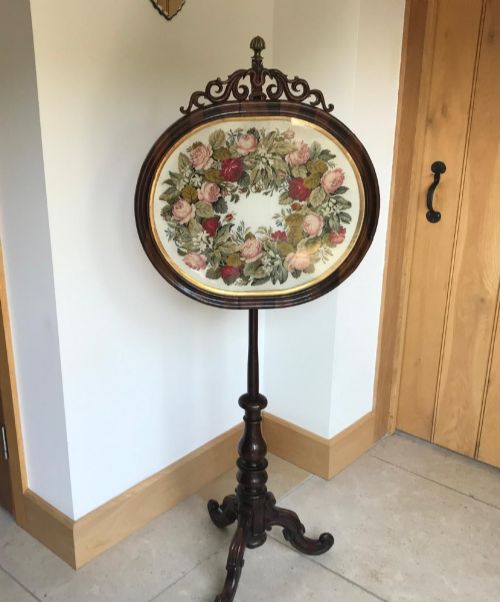
- Pole screen
- A freestanding fireplace screen featuring an adjustable vertical shaft and a sliding needlework panel. This device protected a person's face from the direct heat of an open fire.
- Tapestry
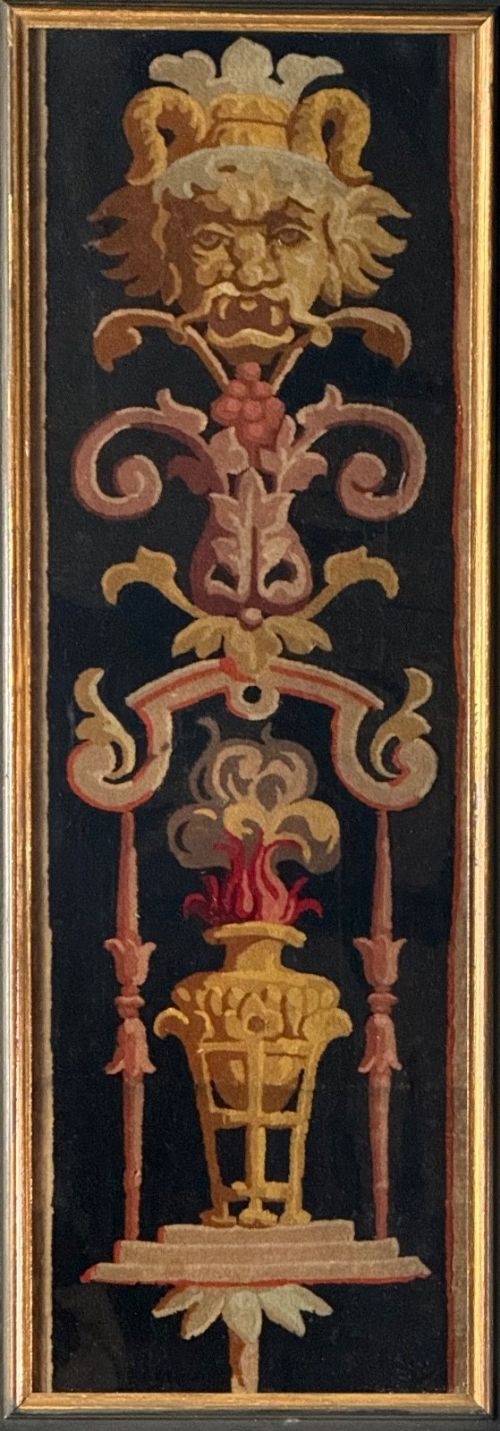
- A form of textile art traditionally woven on a loom, though the term often applies to heavy needlepoint wall hangings. These large panels depict panoramic scenes or decorative friezes.
- Silk floss
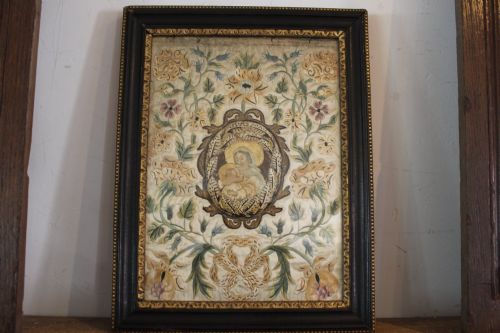
- Unspun or loosely twisted silk fibres used for embroidery. This material imparts a high lustre and fine detail to floral and pictorial needlepoint.
- Frieze
- A long, horizontal band of decoration. In needlepoint panels, this format suits narrow wall spaces above furniture.
Frequently Asked Questions
How do I hang a heavy needlepoint panel?
Support large framed textile panels using robust picture wire attached directly to sturdy wooden frame rails. Ensure the wall fixings match the weight of the dense timber and glass.
Keep panels away from direct sunlight and damp walls to preserve the vulnerable wool and silk threads over time.
Can I clean an antique needlepoint panel?
Dust accumulated on glazed pieces requires only a soft cloth on the exterior glass. Unglazed textiles need professional conservation rather than domestic washing.
Water and standard cleaning products cause shrinkage and dye transfer in historic wool and silk threads.
What is a pole screen used for?
Victorian and Georgian households used pole screens to shield faces from fireplace heat and flickering flames. The adjustable needlepoint panel slid up and down a wooden stem to find the correct height.
Today these pieces function as decorative floor-standing art rather than functional heat barriers.
How do I date an antique sampler?
Stitched dates and makers' names provide the most direct evidence for age. Stylistic cues in the border designs, lettering fonts, and framing materials help narrow down undated examples.
Georgian samplers tend to feature simpler pictorial elements, while Victorian pieces often display elaborate floral motifs.