

Antique Embroidery Picture
An antique embroidery picture brings centuries of needlework skill into a room, preserving silk, wool, and linen framed behind glass.
Antique Embroidery Picture
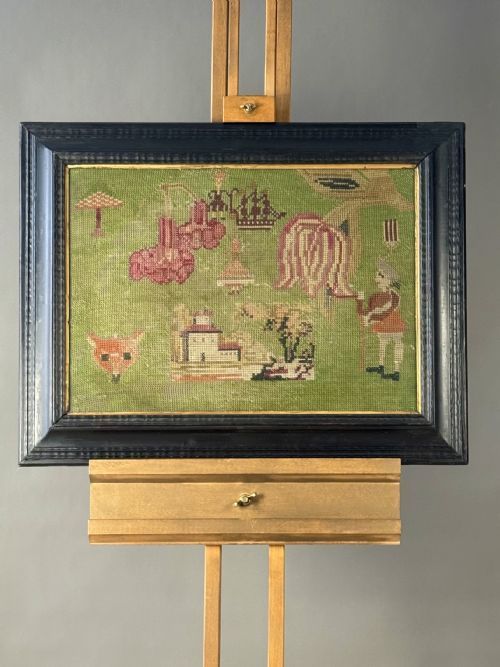
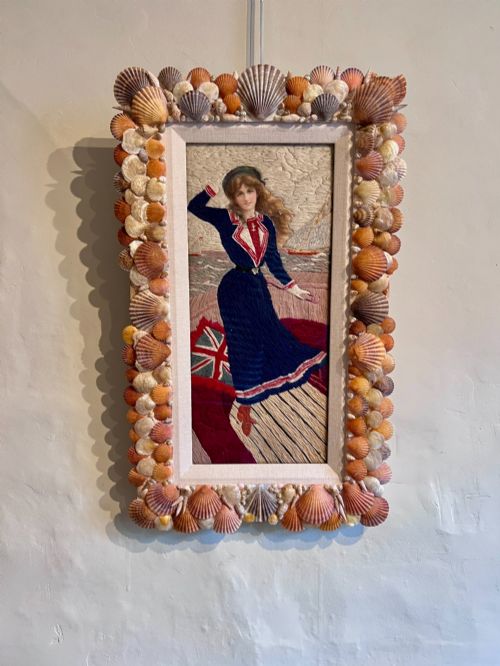
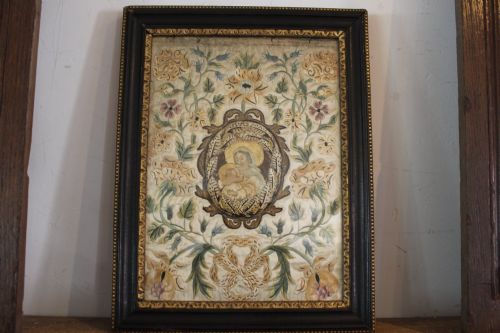
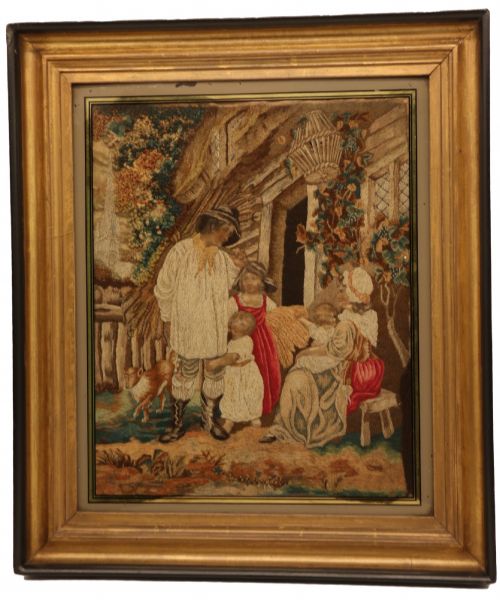
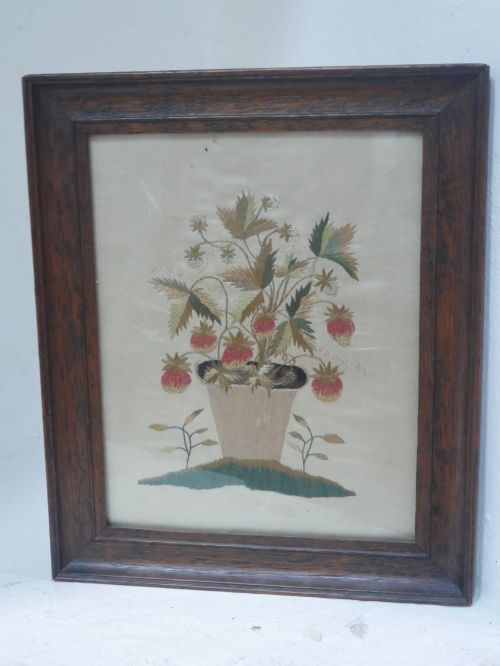
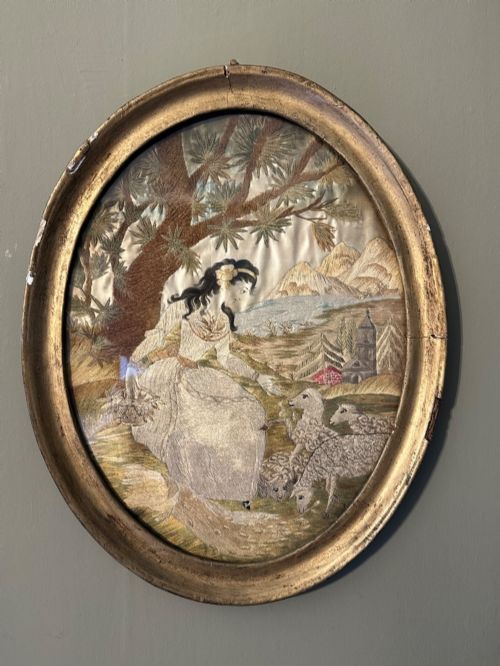
An antique embroidery picture is a framed textile artwork created using various stitching techniques on a fabric ground. These pieces range from early sampler panels and heraldic scenes to pastoral landscapes and detailed portraits.
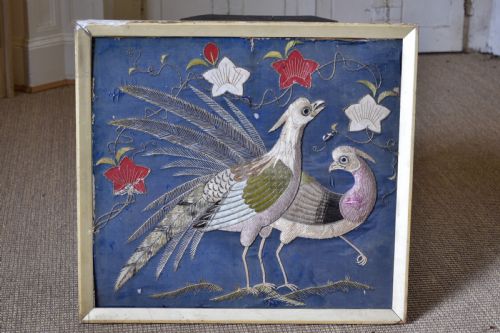
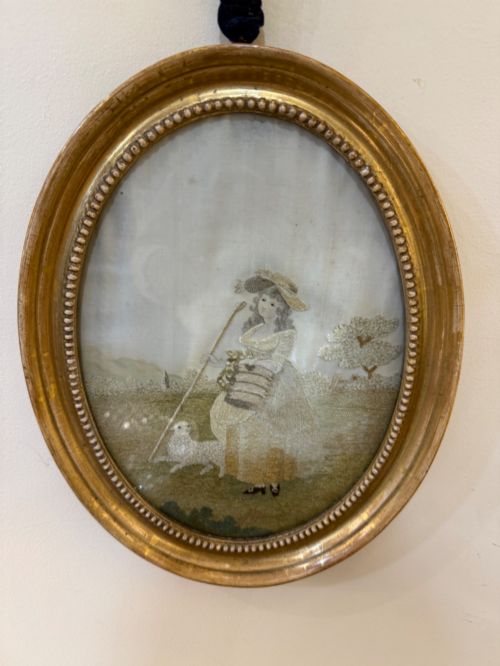
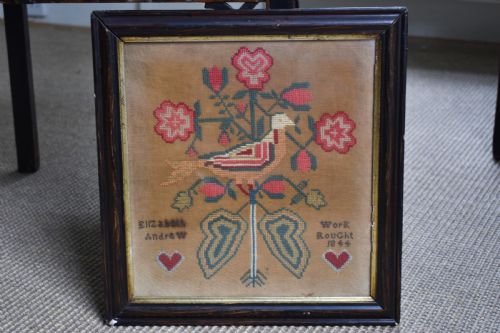
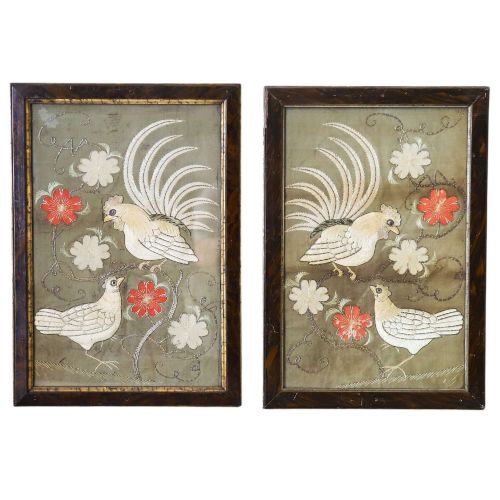
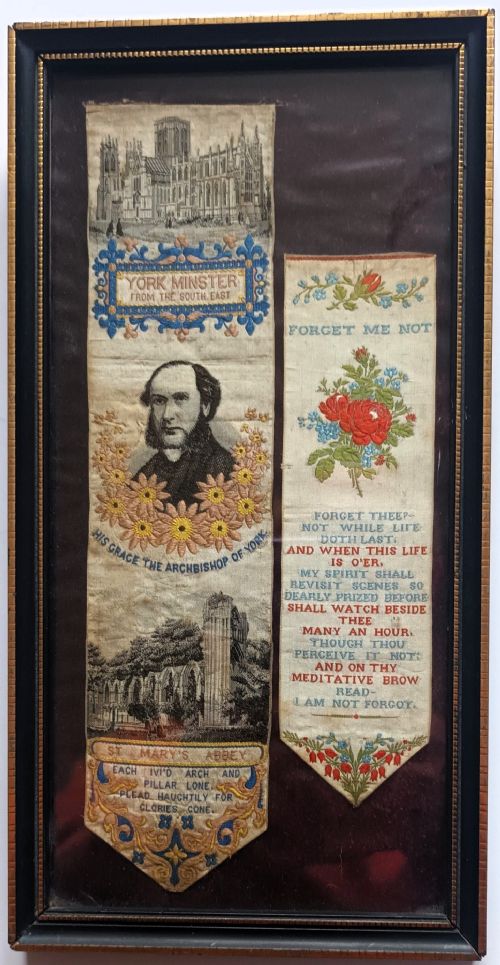
The version a buyer is most likely to encounter on this page is from the nineteenth century, often worked in wool or silk. These Victorian and Georgian examples frequently depict animals, birds, or figurative scenes mounted in original wooden or gilt frames.
Earlier examples also appear, dating back to the seventeenth century with Stuart stumpwork or silk embroidery panels. Buyers find domestic works alongside French, Italian, and Chinese pieces showing diverse cultural needle traditions.
Materials and construction methods
Frames play a structural role in survival, utilising glass to protect fragile threads from dust and light. Many pieces retain original burr maple, giltwood, or faux tortoiseshell surrounds that complement the textile within.
Antique Embroidery Picture Retail Price Guide 2026
Typical asking prices for embroidery picture among the pieces listed under this phrase on Sellingantiques today, from the lower quarter to the upper quarter. They describe what is for sale here now, not the wider market.
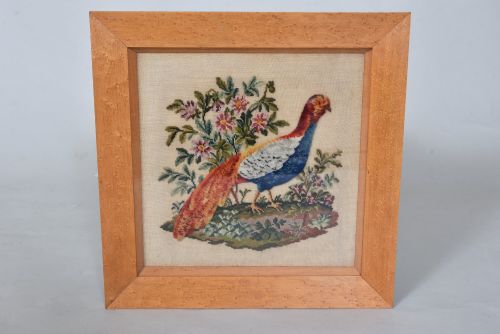
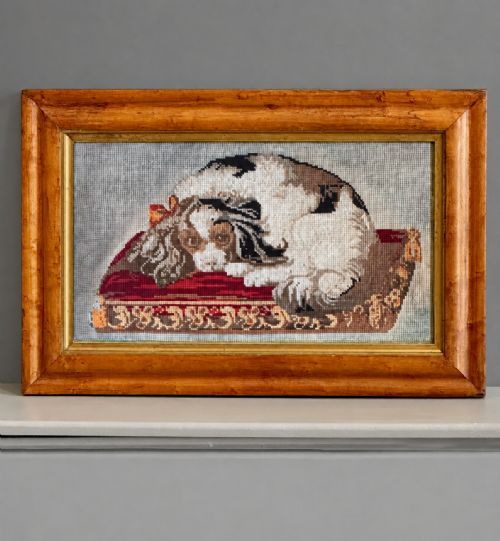
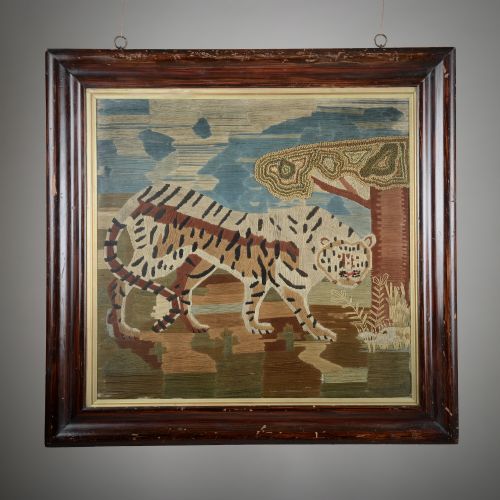
Stray woolwork menageries on this page include a King Charles spaniel, a tiger, and several vigilant pheasants.
Quality factors in needlework art
Execution and precision of the stitchwork dictate the distinction between pieces, alongside the complexity of the design. Fine silk floss work and detailed stumpwork require advanced technical skill compared to standard foundational exercises.
Condition and originality of both the textile and its contemporary frame determine visual impact. Surviving panels retaining rich colour without heavy fading or thread loss stand at the upper end of the range.
Stevens of Coventry
The Antique Embroidery Picture Glossary
- Berlin work
- A type of coloured needlepoint pattern on canvas popular in the nineteenth century. It allowed makers to follow charted squares to create vivid floral or figurative pictures.
- Stumpwork
- A raised embroidery style from the seventeenth century utilising padded elements and wire foundations. Figures and motifs project outward from the flat background fabric.
- Sampler
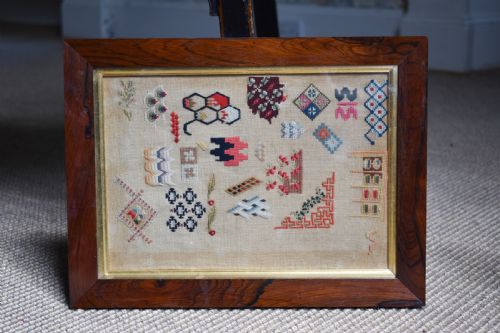
- A piece of needlework demonstrating various stitches and alphabets, often worked by young learners. They serve as records of domestic education and technical proficiency.
- Plushwork
- A tactile embroidery method creating a raised, velvety surface resembling fur or feathers. It appears frequently on nineteenth-century animal pictures.
- Verre églomisé
- A technique of applying gold or silver leaf to glass alongside reverse painting. Frames utilising this method frame pictures with decorative metallic borders.
Antique Embroidery Picture: Frequently Asked Questions
How should I hang an antique embroidery picture?
Keep textile art away from direct sunlight and damp conditions to prevent fading and fibre degradation. Glass protection shields the delicate threads from airborne dust.
Ensure hanging hardware securely supports the weight of the original frame without straining the historic wooden joins or the mounted textile inside.
How do I date an antique embroidery picture?
Examine the materials, stitching style, and framing methods to establish a period of origin. Alphabet samplers frequently include stitched dates or maker names that provide a clear timeline.
Stylistic cues such as Georgian pastoral themes or Victorian plushwork techniques help narrow down the decade of creation.
What is the difference between a sampler and a picture?
Samplers primarily record a range of practice stitches, motifs, and alphabets arranged systematically across linen. They reflect educational exercises rather than composed decorative scenes.
Pictures focus on a unified pictorial subject like a landscape, portrait, or animal study intended solely for wall display.