
Antique Silk Embroidery
When you handle antique silk embroidery, you touch centuries of patient needlework spanning English samplers, Central Asian Suzanis and Chinese panels.
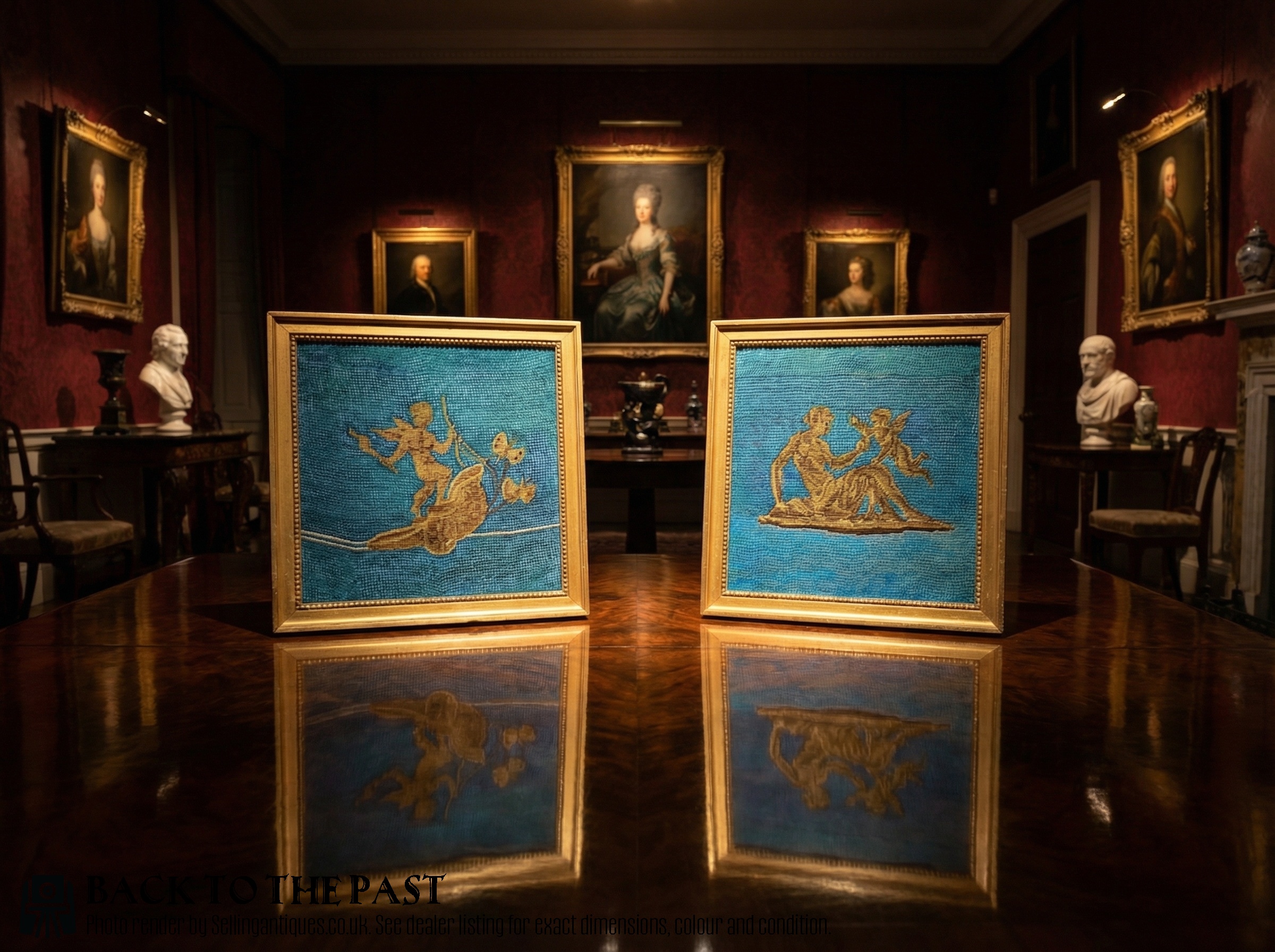
Antique Silk Embroidery
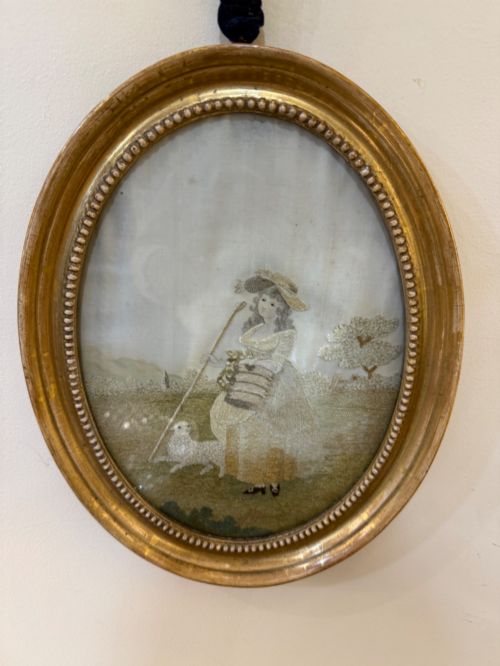
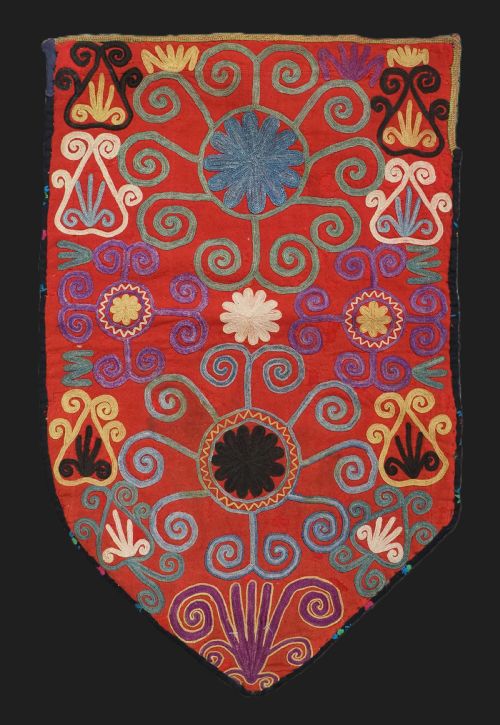
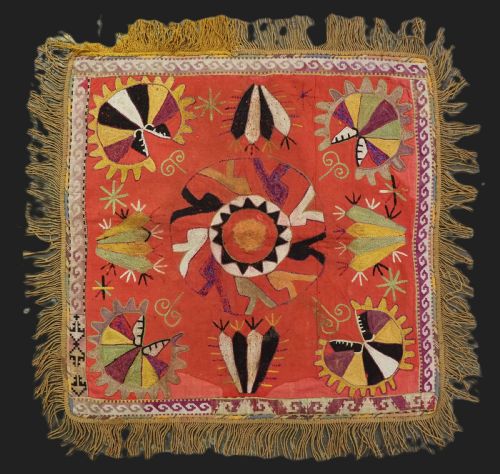
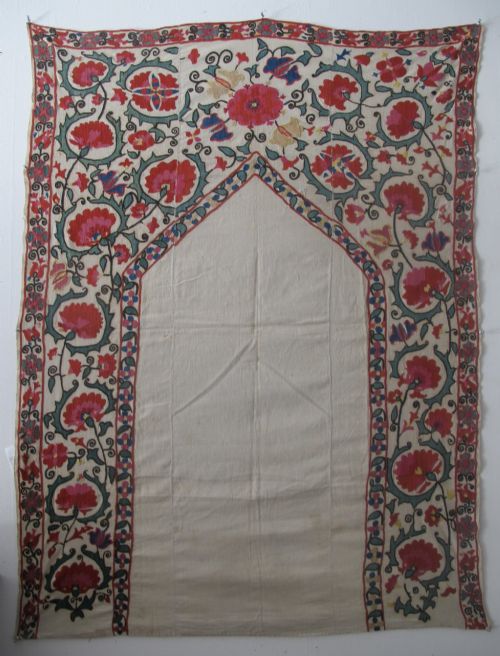
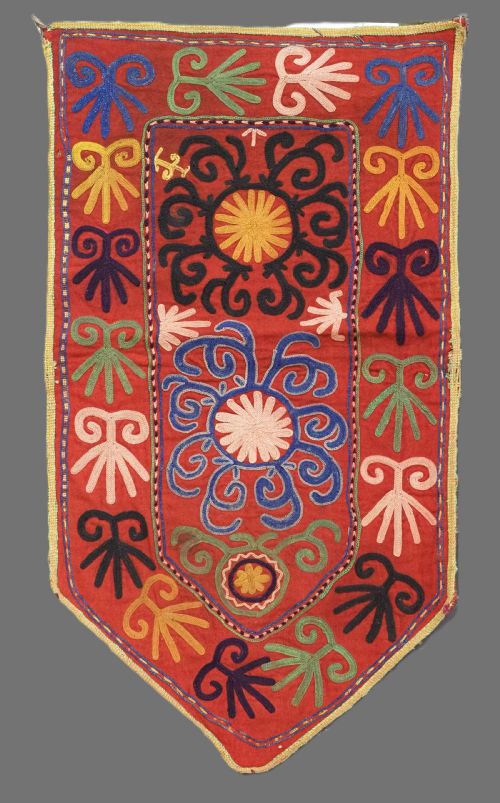
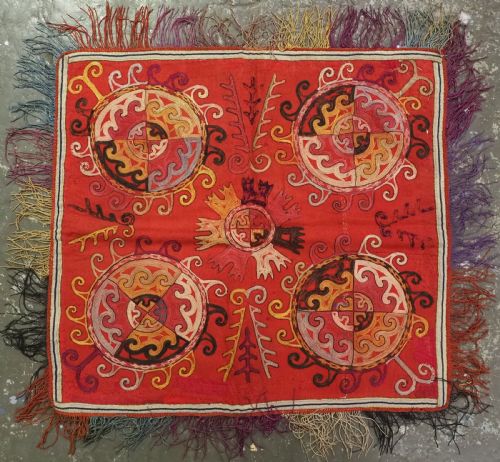
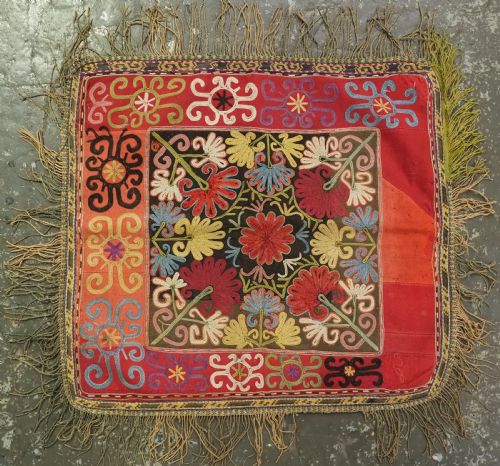
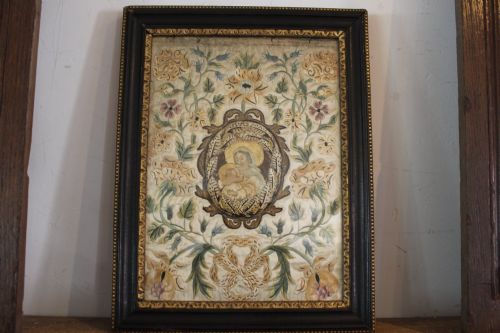
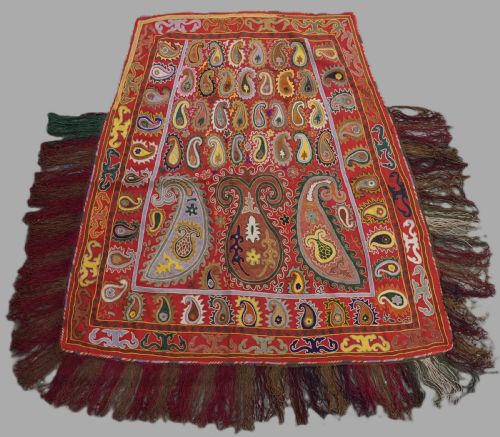
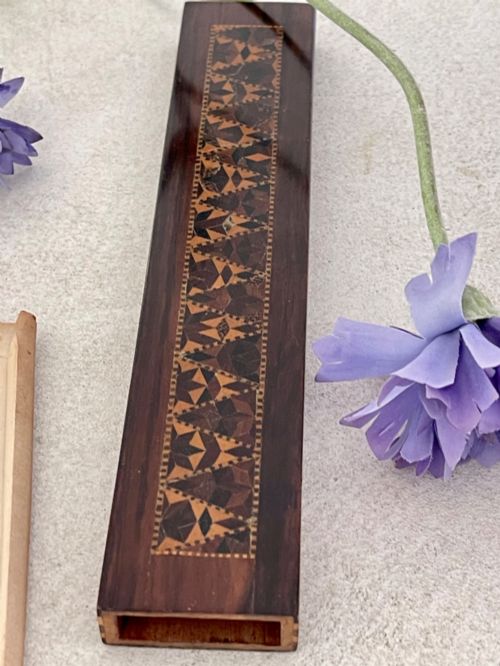
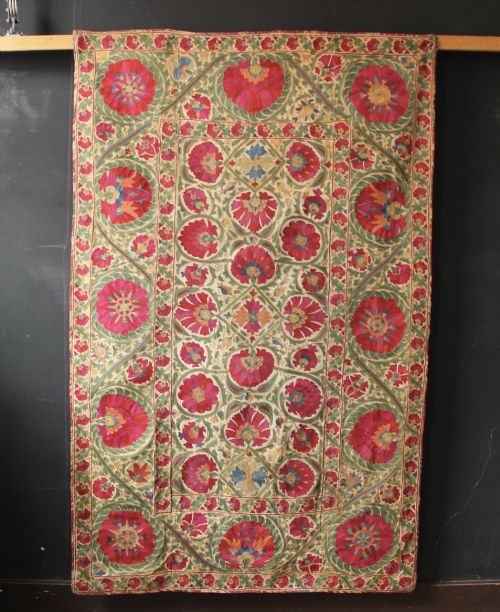
When you search for antique silk embroidery, you encounter a diverse group of textile arts created across centuries, ranging from framed European pictures to Central Asian wall hangings and dowry pieces. The selection includes domestic items such as samplers, beadwork-adjacent needlework, and furniture panels alongside grand tribal horse covers and architectural Suzanis.
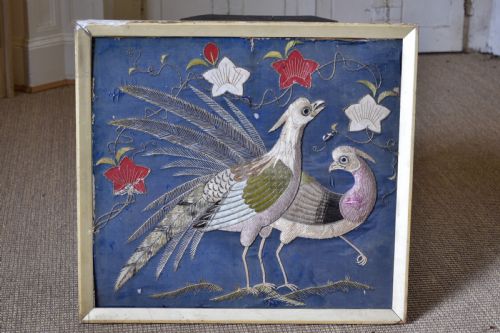
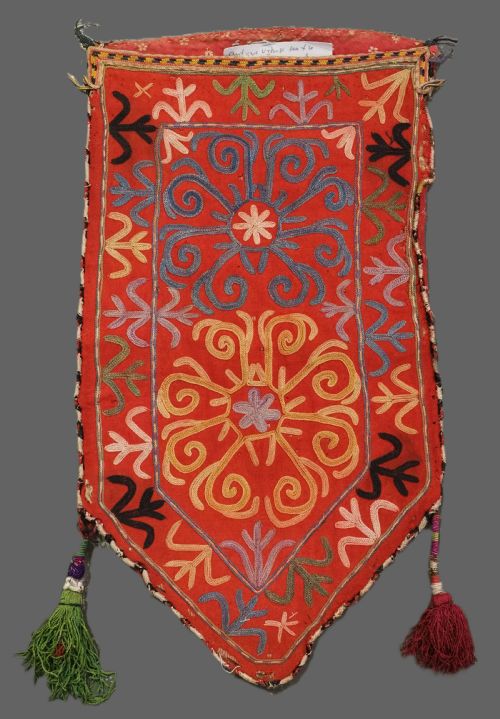
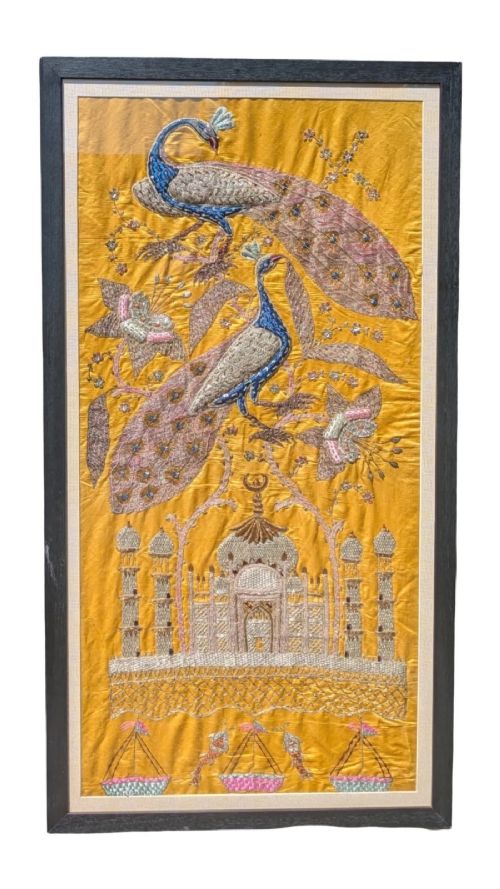
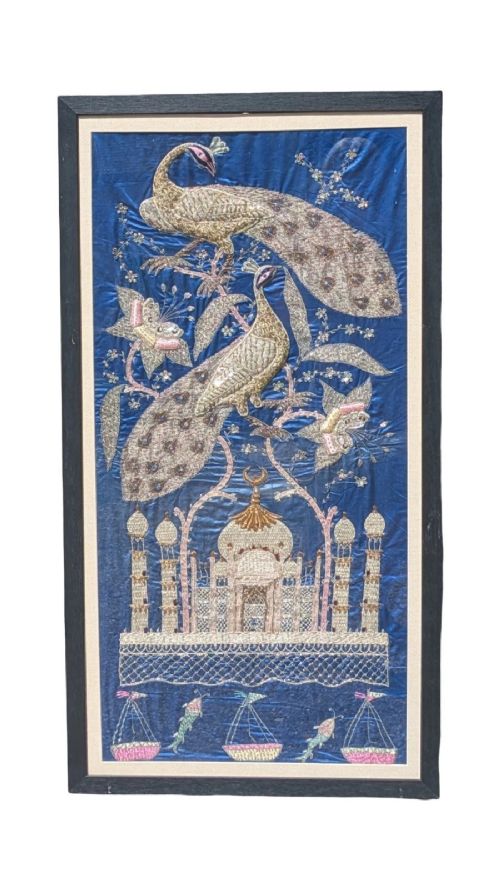
You are most likely to meet Central Asian pieces, particularly Uzbek Lakai tribalilgiches and Suzanis executed on cotton or silk grounds, alongside nineteenth-century English and French framed works. These span domestic needlework depicting birds, flora and maps to ceremonial textiles adorned with metallic thread.
Originating from workshops, domestic interiors and nomadic tents alike, these works utilise fine stitching to record personal milestones, cultural identity and decorative tastes across Georgian, Victorian, Edwardian and earlier periods.

Materials and technique
The foundation grounds typically rely on woven silk, cotton, linen, wool, or felt, providing a stable base for intricate hand-stitched motifs. Artisans applied silk floss, wool, and metallic thread using specialised stitches to build up dense, textured surfaces.
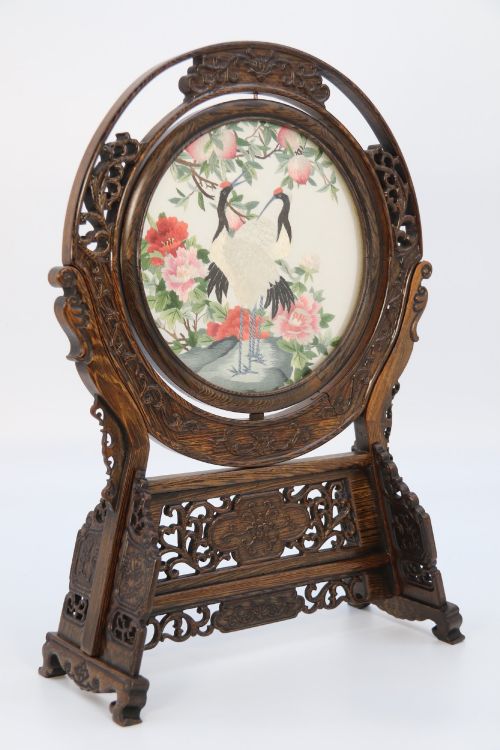
Many surviving examples incorporate secondary elements such as glass beads, wood frames, giltwood mouldings, or hand-painted silk sections. Techniques range from double-sided stitching on rotating stands to appliqué work and precise needlepoint mapping.
Antique Silk Embroidery Retail Price Guide 2026
Typical asking prices for silk embroidery among the pieces listed under this phrase on Sellingantiques today, from the lower quarter to the upper quarter. They describe what is for sale here now, not the wider market.
Nineteenth-century makers occasionally embroidered domestic poultry, ensuring cockerels and hens maintained a permanent, watchful roost indoors.
What separates the best from the rest
Quality rests upon the tightness of the stitch, the complexity of the design layout, and the preservation of the delicate silk threads. Pieces with intact, vibrant floss and minimal ground distortion command attention through their visual clarity.
The sophistication of the composition dictates distinction, whether in the architectural precision of a Suzani or the careful draughtsmanship of an early English map sampler. Material integration, such as original framing or double-sided execution, elevates the piece further.
Stevens of Coventry
The Antique Silk Embroidery Glossary
- Suzani
- A large, embroidered tribal wall hanging or bed cover originating from Central Asia, traditionally worked in silk on a cotton or silk foundation. These items formed essential parts of a bride's dowry.
- Sampler
- A piece of needlework produced by a beginner or child to demonstrate proficiency in various stitches and alphabets, often featuring decorative motifs and genealogical data.
- Lakai
- A distinct nomadic tribe within Central Asia known for dynamic, heavily embroidered dowry items and horse covers utilising bright silk floss and applique.
- Rank Badge
- A square embroidered panel worn on the robes of Chinese officials during the imperial era to denote civil or military status.
- Silk Floss
- Untwisted or lightly twisted silk yarn used in embroidery to create a smooth, glossy surface with high light reflectance.
Antique Silk Embroidery: Frequently Asked Questions
How do I hang a textile safely?
Mount the embroidery on a padded board covered in acid-free fabric to distribute the weight evenly across the entire piece.
Avoid direct sunlight and keep the textile away from sources of heat or dampness to protect the fragile silk fibres.
What is the difference between a Suzani and an ilgich?
A Suzani is typically a large wall hanging, bed cover or domestic spread, while an ilgich is a specific smaller dowry embroidery format created by Lakai tribes.
Both feature rich silk embroidery on woven grounds, but their traditional household functions and dimensions diverge significantly.
Can I clean an antique silk panel?
Surface dust can be gently removed using low suction through a mesh screen, but washing should be left entirely to specialist textile conservators.
Water can cause dyes to bleed and brittle silk threads to fracture during handling.
How do I date an English sampler?
Makers frequently stitched their names, ages and specific years directly into the composition alongside alphabets and topographical designs.
Stylistic cues in the border motifs, figures and framing materials help corroborate the stitched date.