




18th Century Embroidery
These 18th century embroidery pieces bring historic needlecraft into modern interiors through detailed silk and wool work framed in wood and gilt.
What 18th century embroidery pieces are
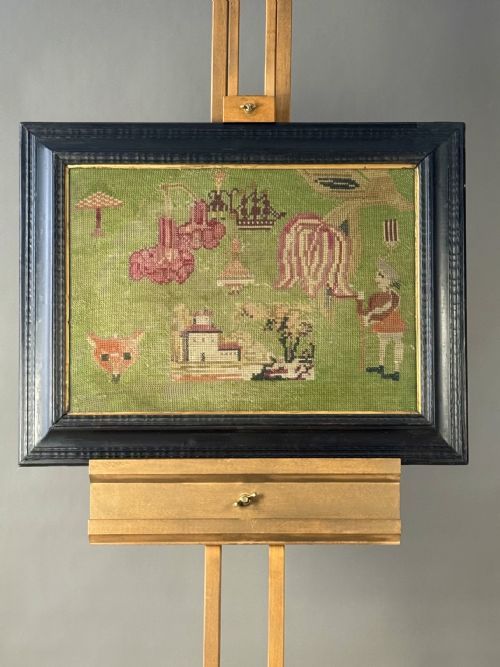
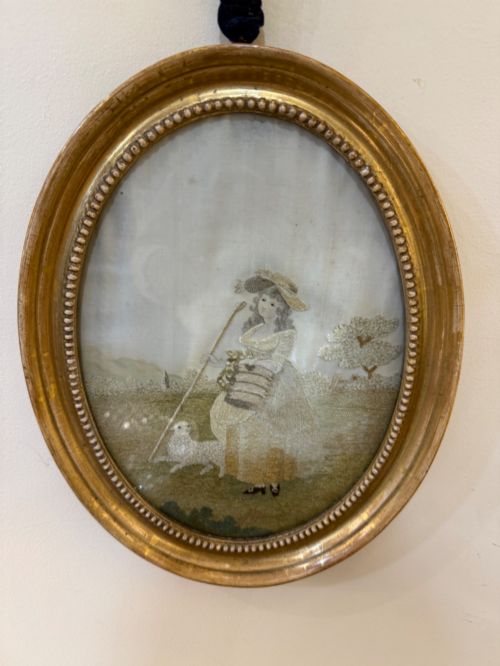
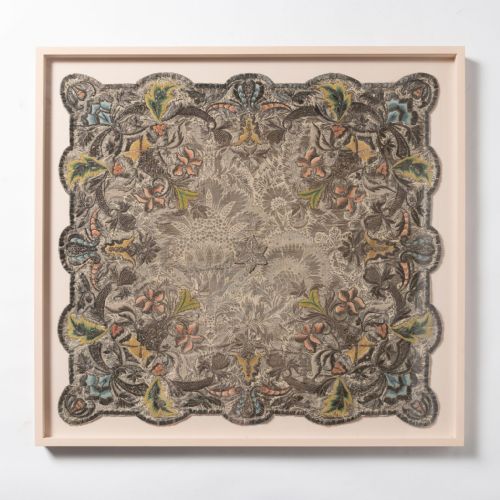
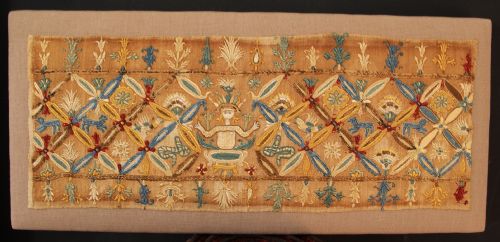
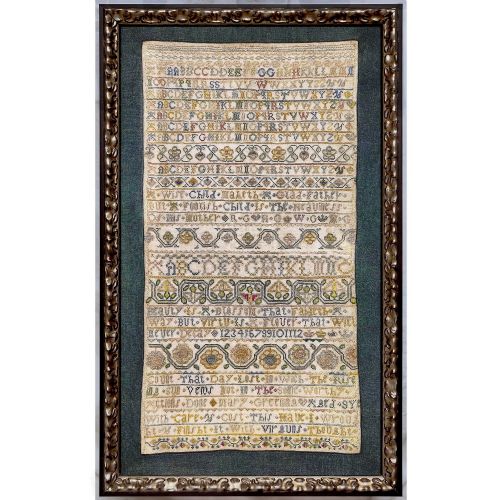
When you search for 18th century embroidery, you encounter needlework pictures, samplers, and regional textiles originating from Britain, France, Italy, Greece, and Gujarat. These works span domestic samplers, religious subjects, and large panels created during the Georgian period and the broader seventeen-hundreds.
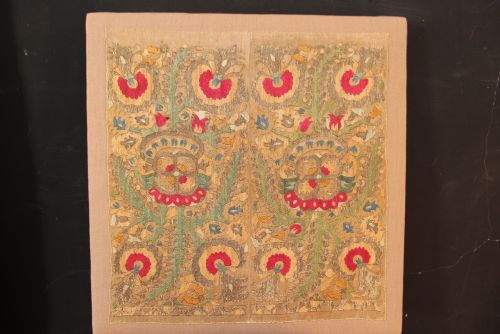
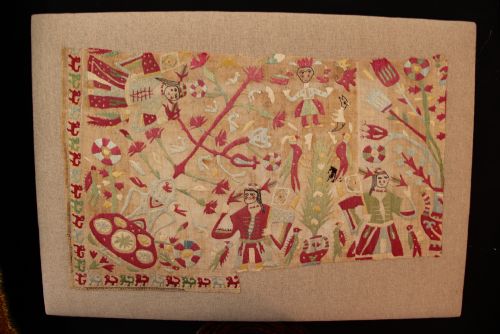
Framed textiles and needlework pictures dominate the selection, often preserved behind glass in original giltwood or wooden frames. Regional examples from Skyros, Epirus, and the Ottoman sphere introduce distinct geometric and floral compositions distinct from Western pictorial needlework.
Samplers and love embroidery capture personal milestones, occasionally bearing dates from the late eighteenth century alongside maker inscriptions. Larger textile art pieces include crewelwork and satinwood sewing boxes fitted with embroidered panels.
Materials and construction
Maker materials rely heavily on natural grounds of linen and silk, worked with silk thread and wool yarn. Gilt elements and wooden frames complete many of the surviving wall art pieces.
Needlework techniques range from counted-thread samplers to freeform crewelwork and detailed pictorial stitching in silk. Supporting structures utilise timber frames, giltwood mouldings, and satinwood boxes.
Retail Price Guide 2026
Typical UK retail prices for 18th century embroidery, calculated from the Sellingantiques database of over a million retail prices indexed since 2003. This retail price guide relies exclusively on Sellingantiques data; no external sources or auction records are used, so the figures do not describe the wider market.
Some pieces carry the silent witness of eighteenth-century household dust trapped safely behind centuries-old glass.
What drives quality
Quality rests in the precision of the needlework and the survival of the original materials, particularly the condition of delicate silk threads and linen grounds. Tighter, more complex stitch work distinguishes superior pictorial depth.
The enclosure matters greatly, with original giltwood frames or period wooden surrounds preserving the textile far better than modern replacements. Provenance and documented origins also elevate certain examples above standard domestic work.
Sophie Brown
The 18th Century Embroidery Glossary
- Sampler
- A piece of needlework demonstrating a variety of stitches, alphabets, or motifs, frequently worked by young women. These act as educational exercises and genealogical records.
- Needlework picture
- A framed textile composition designed to imitate oil paintings, using silk and wool threads to depict figures, landscapes, or religious scenes. They represent the decorative high art of domestic embroidery.
- Giltwood
- Wood carved and coated with a thin layer of gold leaf or gilt powder. Many fine period embroidery pieces retain their original giltwood frames.
Frequently Asked Questions
How do I clean antique embroidery?
Historic textiles cannot be washed using conventional methods due to fragile silk threads and unstable natural dyes. Dust should be removed gently with a soft brush, keeping the piece away from direct sunlight.
Professional textile conservators should handle any deeper restoration or reframing. Moisture and household cleaners will permanently damage the linen ground and metal threads.
Were these made for display?
Many surviving needlework pictures and framed textiles were created specifically to be hung on domestic walls as decorative art. Samplers and smaller panels often served as proof of accomplishment for the maker.
Regional embroideries from Greece and the Ottoman territories fulfilled domestic furnishing or ceremonial functions before entering collections. Sewing boxes integrated embroidered panels into functional household objects.
How do I date an embroidery piece?
Dating relies on stylistic clues, framing methods, and occasional direct evidence such as stitched dates or maker names. Samplers frequently include the year of completion and the stitcher's age.
Materials and stitch types also shift across the seventeen-hundreds, aligning with changing Georgian tastes and regional traditions. Comparing the fabric ground and thread type against known examples clarifies the timeline.
Can I hang these in direct light?
Silk and wool threads fade permanently when exposed to strong sunlight or halogen spotlights over long periods. Conservation-grade UV-filtering glass helps protect the pigments and natural fibres.
Positioning pieces on interior walls away from windows ensures the colours remain vibrant. Controlled ambient light preserves the integrity of the antique textiles.