

Framed Wool Tapestry
A framed wool tapestry brings rich textile history and textured warmth to interior walls.
Framed Wool Tapestry
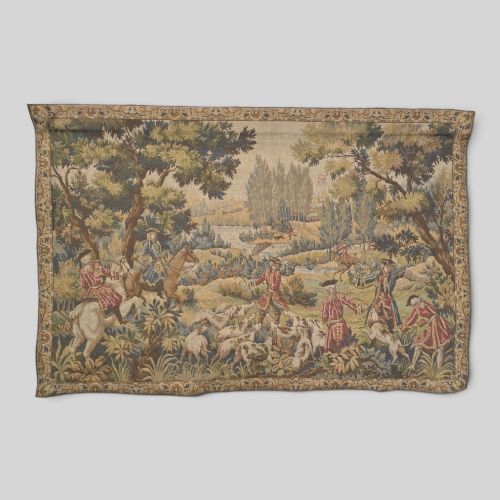
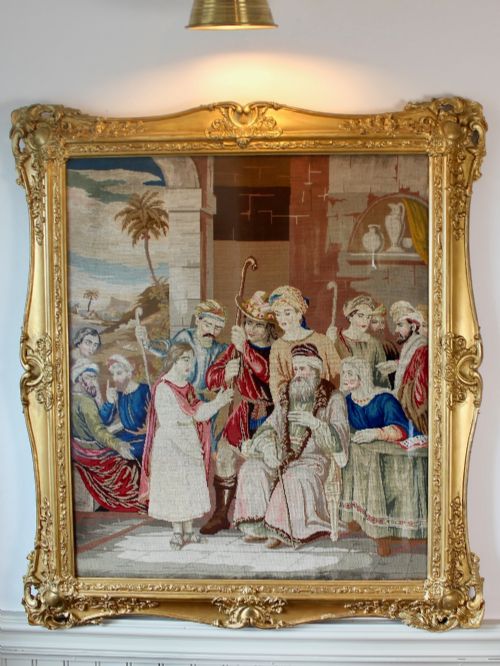
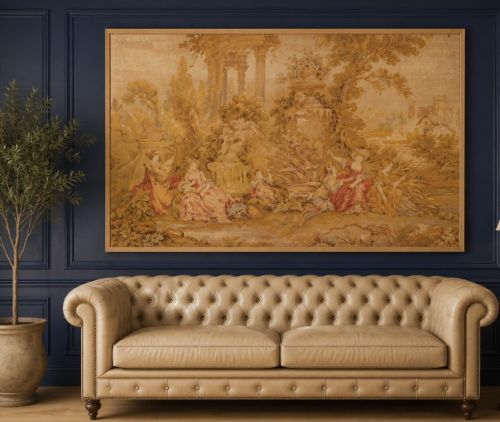
When you search for a framed wool tapestry, you encounter centuries of textile artistry ranging from detailed needlework pictures to large woven panels. The selection spans distinct periods from the seventeenth century through to the early twentieth century, incorporating diverse regional styles like French Baroque, Victorian folk art, and Italian portraiture.
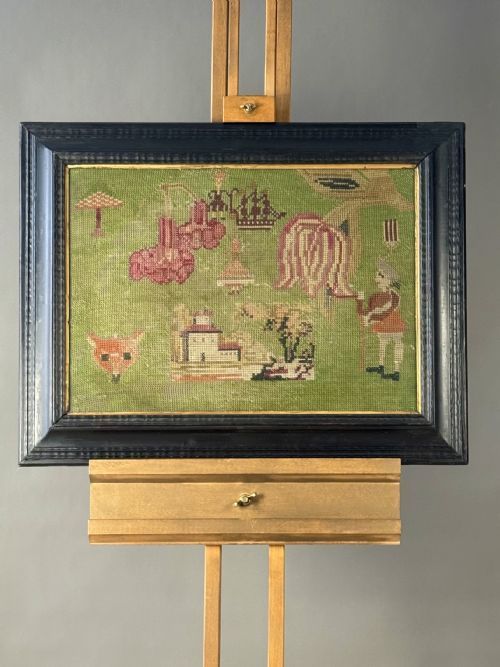
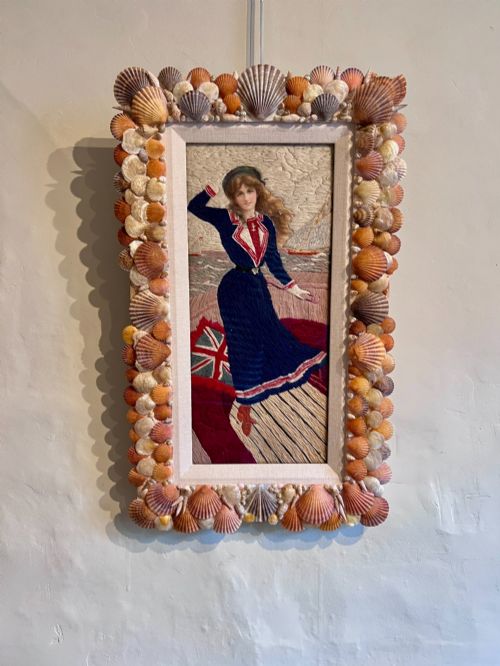
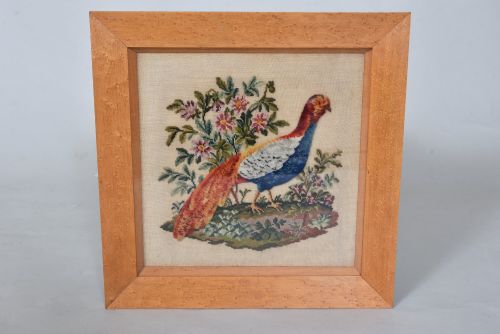
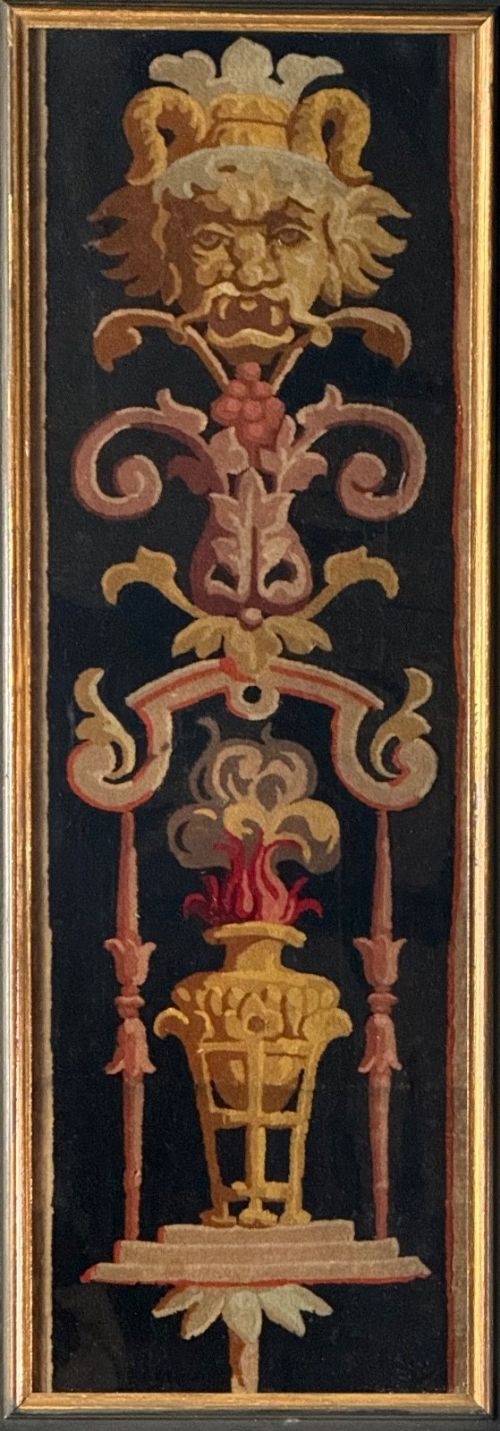
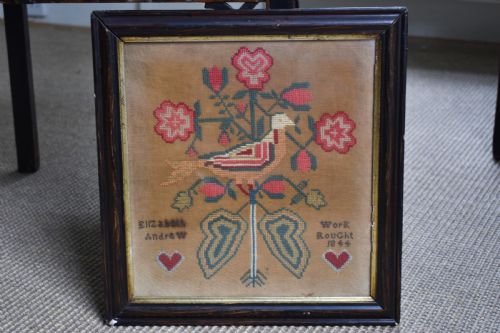
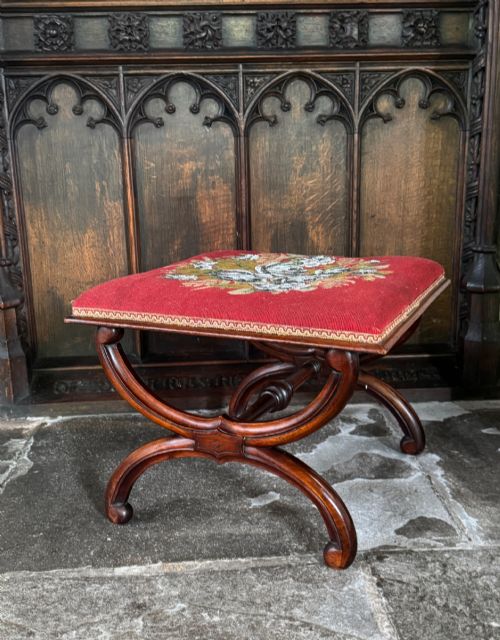
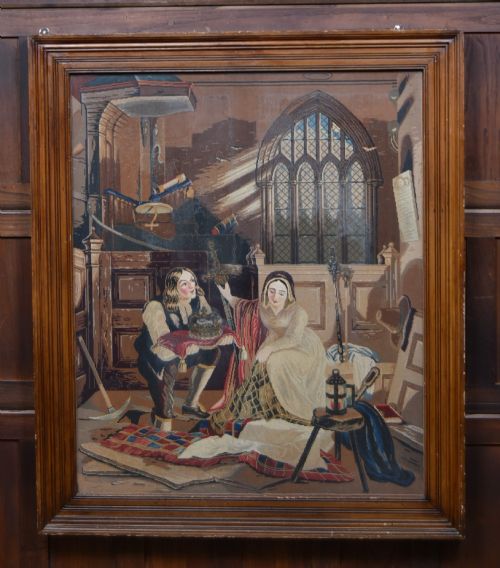
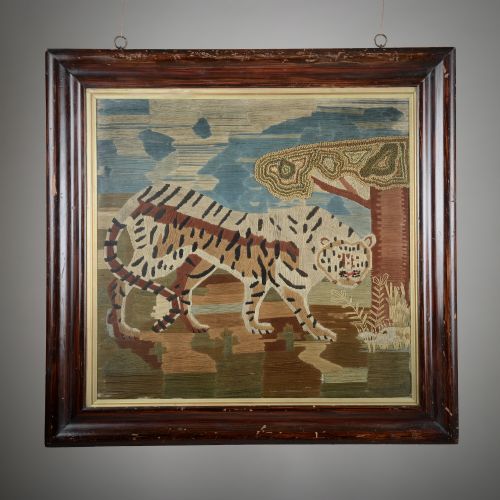
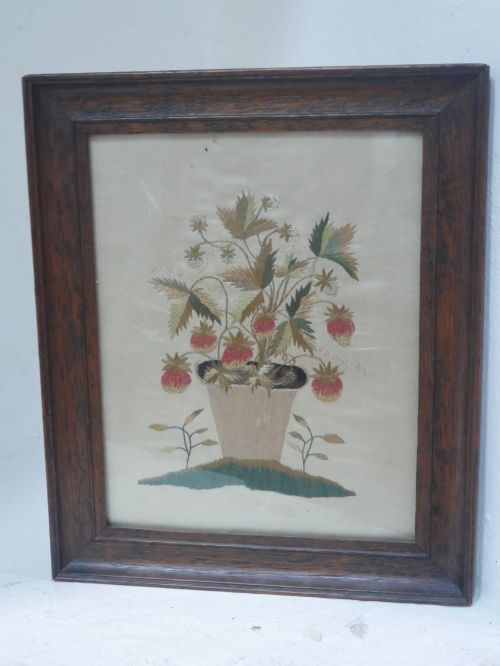
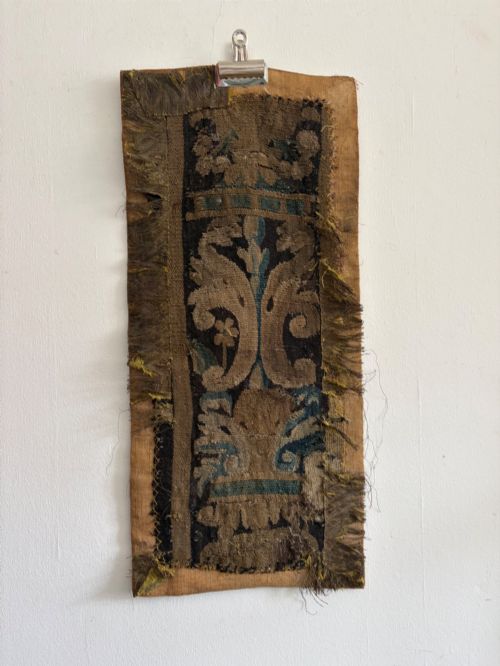
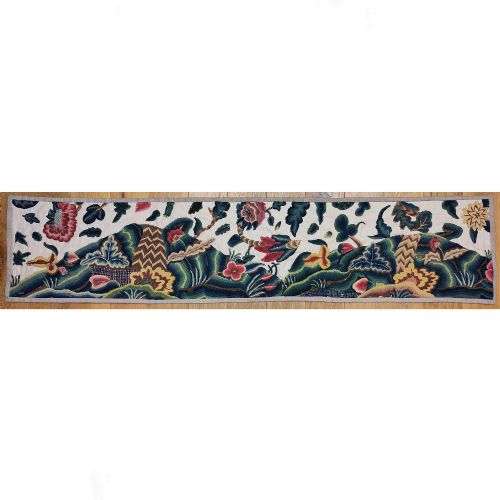
You meet various forms on this page, including Berlin woolwork pictures, crewelwork panels, samplers, and verdure tapestry fragments mounted behind glass or within timber frames. These pieces capture historical scenes, botanical studies, animal portraits, and classical figures worked primarily in wool yarns upon canvas or linen backings.
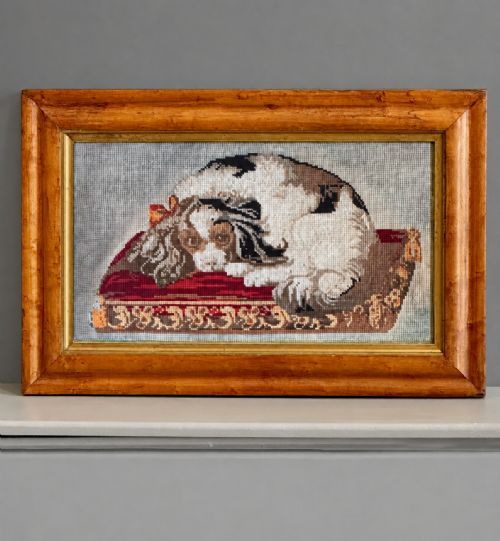
The framing itself forms an integral part of the piece, with surviving examples housed in original burr maple, giltwood, or verre églomisé frames that complement the textile within. Whether viewing a substantial eighteenth-century French panel or a Victorian woolwork depiction of a spaniel, each item bridges textile craft and wall art.
Materials and construction methods
The primary material is wool, frequently combined with silk, cotton, and linen threads stitched or woven onto robust canvas and linen grounds. Artisans employed various needlework techniques, including gros-point, plushwork, and Berlin woolwork, to build dense surfaces and varied textures.
Frames utilise traditional timbers such as oak, walnut, rosewood, and giltwood, often fitted with protective glass or designed as specialised mouldings like verre églomisé panels. Tapestry fragments and embroidered panels are frequently mounted carefully onto linen backings to stabilise the aged textiles before framing.
Listings feature wool, silk, and cotton textiles mounted in giltwood, oak, and burr maple frames across periods from the seventeenth century to the twentieth century.
Distinctions in quality and execution
Quality rests upon the fineness of the needlework execution, the complexity of the design, and the survival of the original colouring in the wool yarns. Pieces displaying intricate shading, precise stitch density, and sophisticated pictorial composition stand apart from simpler folk art renderings.
The integrity and originality of the frame contribute significantly to the piece, particularly when surviving in period burr maple or giltwood surrounds that complement the textile. Condition also matters greatly, with preference given to panels retaining strong structural integrity in their ground fabrics and minimal restoration to the wool.
The Framed Wool Tapestry Glossary
- Berlin woolwork
- A type of counted-thread embroidery popular in the nineteenth century, stitched in coloured wools from printed and painted grid patterns. It allowed makers to create highly detailed pictorial scenes and animal portraits.
- Crewelwork
- A traditional form of surface embroidery using wool yarn on linen or cotton twill grounds. This technique creates flowing floral and figurative designs associated with seventeenth-century English textiles.
- Verdure tapestry
- A woven textile design featuring stylised foliage, trees, landscape backgrounds, and frequently birds or animals. These panels often survive as fragments mounted for display on walls.
- Verre églomisé
- A gilded and painted glass framing technique where design elements are applied to the reverse of glass panels. It provides a reflective, decorative border around antique needlework and prints.
- Plushwork
- An embroidery technique using raised loops of wool cut to resemble velvet pile. It adds three-dimensional texture to specific elements within Victorian textile pictures.
Framed Wool Tapestry: Frequently Asked Questions
How do I clean an antique tapestry?
Antique textiles require specialist conservation rather than standard domestic cleaning methods. Gentle surface dusting with a soft brush is generally the limit of safe maintenance.
Moisture and harsh chemicals can damage fragile wool fibres and historic wooden frames. Professional textile conservators should handle any deep cleaning or structural repairs.
Are these tapestries original period pieces?
The pieces span authentic periods from the seventeenth to the early twentieth centuries, as recorded in the listings. Materials and frame styles provide key evidence of their true age.
Examinations of the backing linen, wool dyes, and framing construction help confirm historical authenticity. Many retain their original mounting or period timber surrounds.
How should I hang a framed wool tapestry?
Secure hanging requires hardware suited to the combined weight of the heavy wooden frame and textile panel. Professional mirror and picture hangers ensure stability on the wall.
Placement should avoid direct sunlight to prevent fading of the dyed wool yarns. Stable room humidity also protects the historic fibres and wooden frames from deterioration.
What is the difference between needlework and weaving?
Weaving constructs the fabric itself on a loom by interlacing warp and weft threads together. Tapestries created this way integrate the image directly into the textile structure during production.
Needlework involves stitching threads through a pre-existing woven canvas or linen ground by hand. Techniques like Berlin work and crewelwork fall into this embroidered category.