

Antique Tapestry Panel
An antique tapestry panel brings centuries of hand-stitched narrative, rich wools and woven botanical scenes directly into modern interiors.
Antique Tapestry Panel
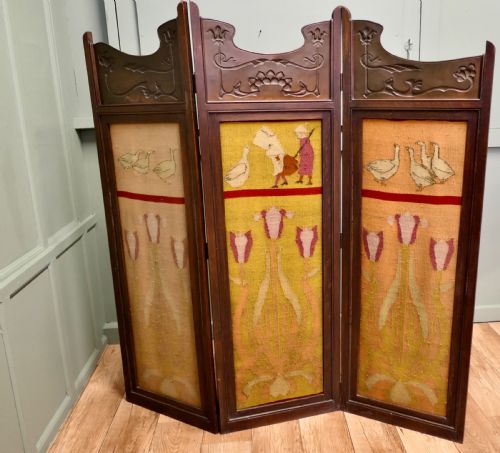
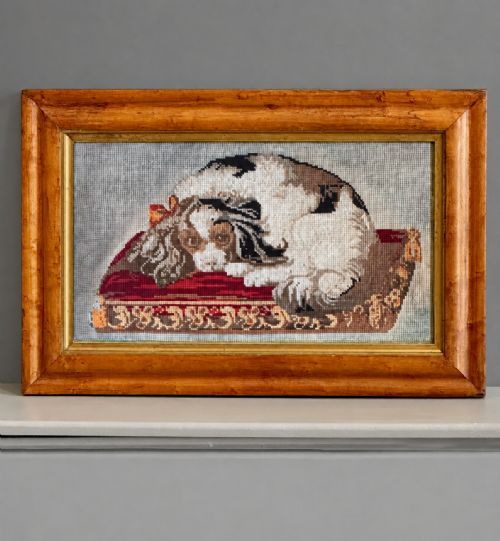
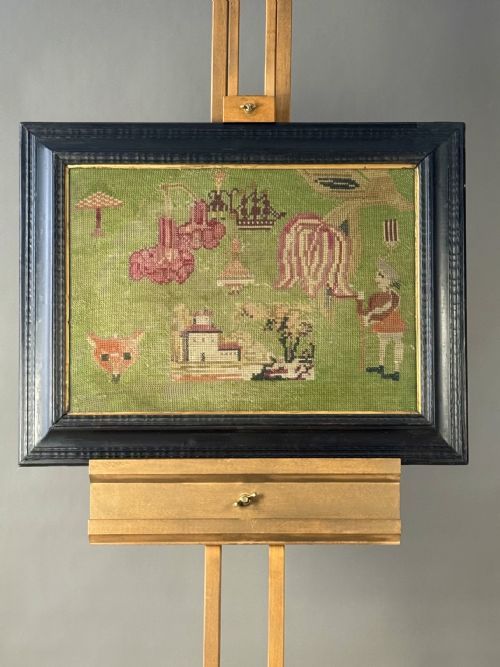
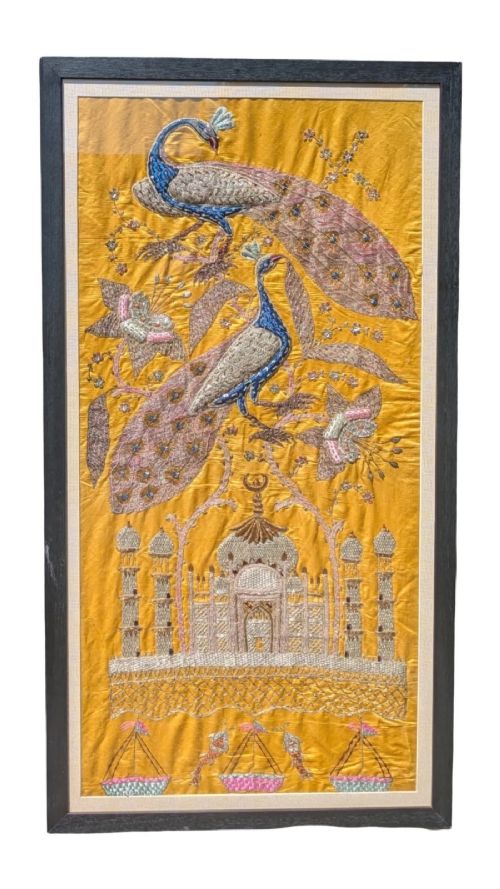
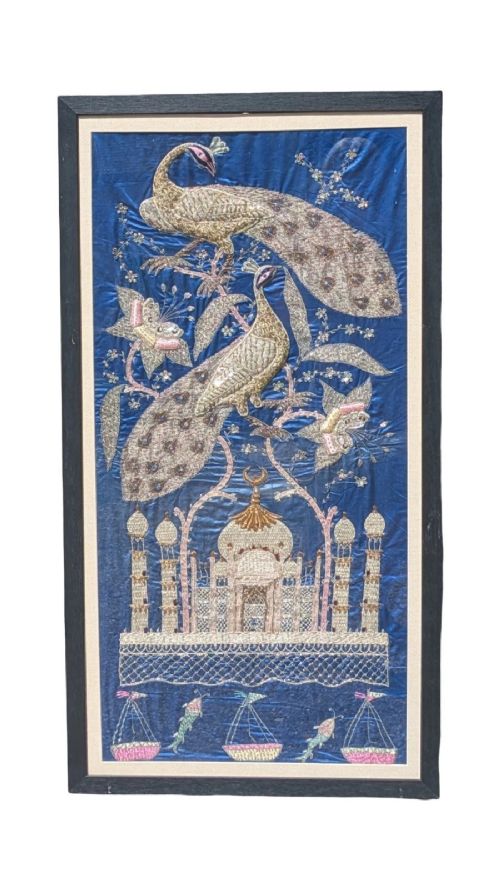
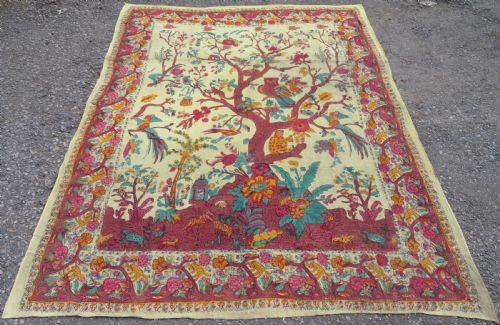
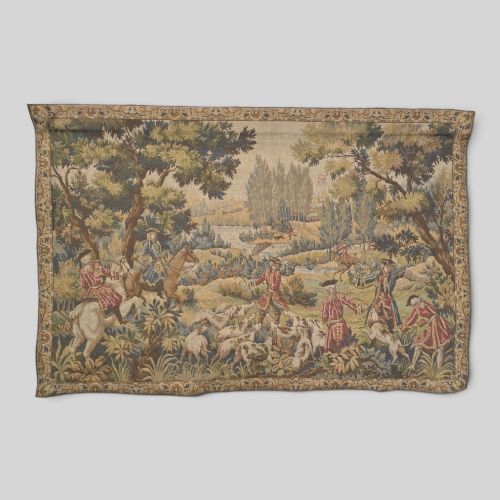
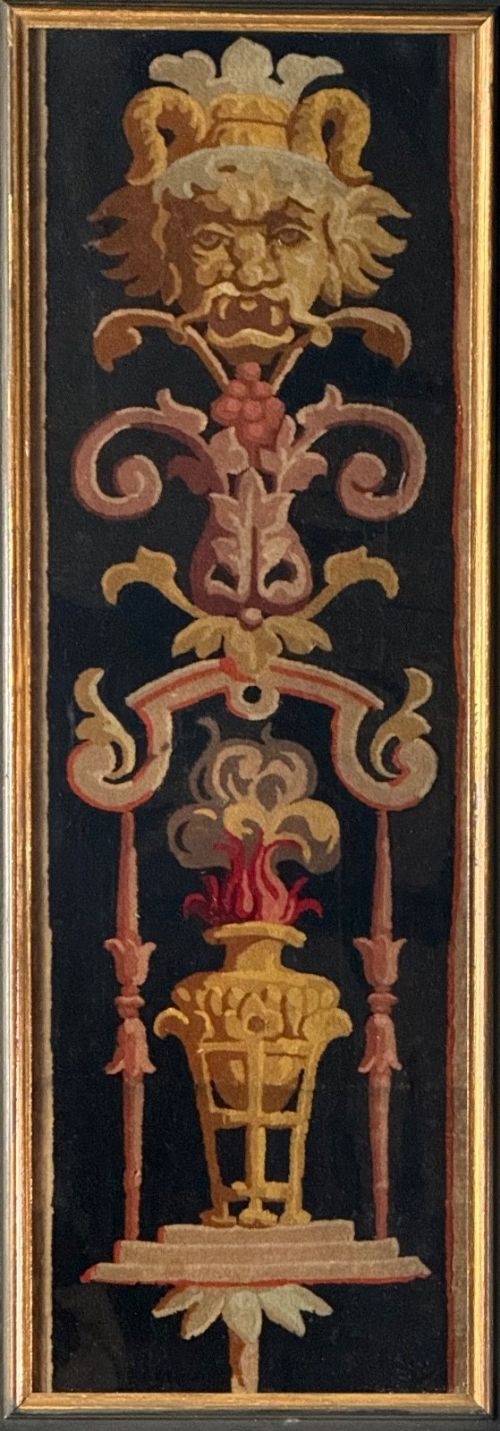
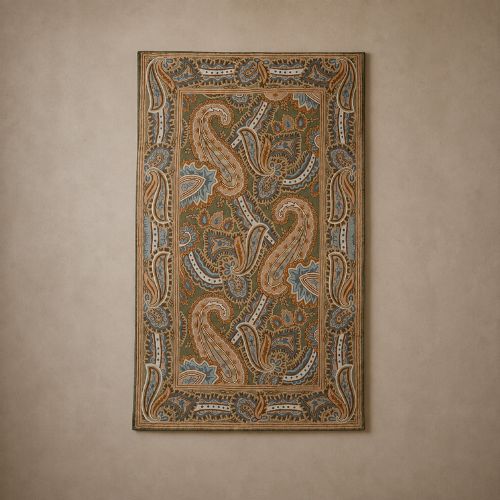
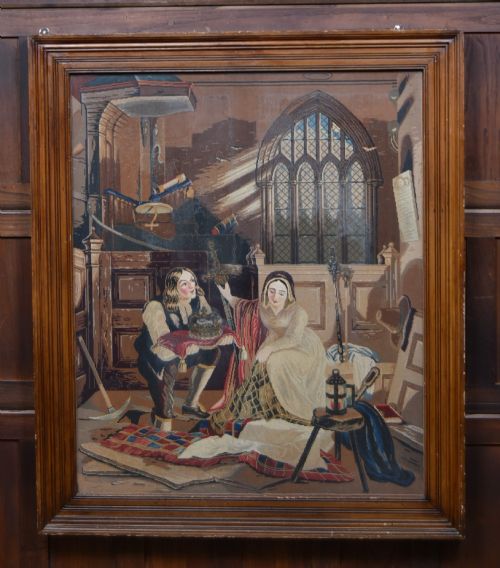
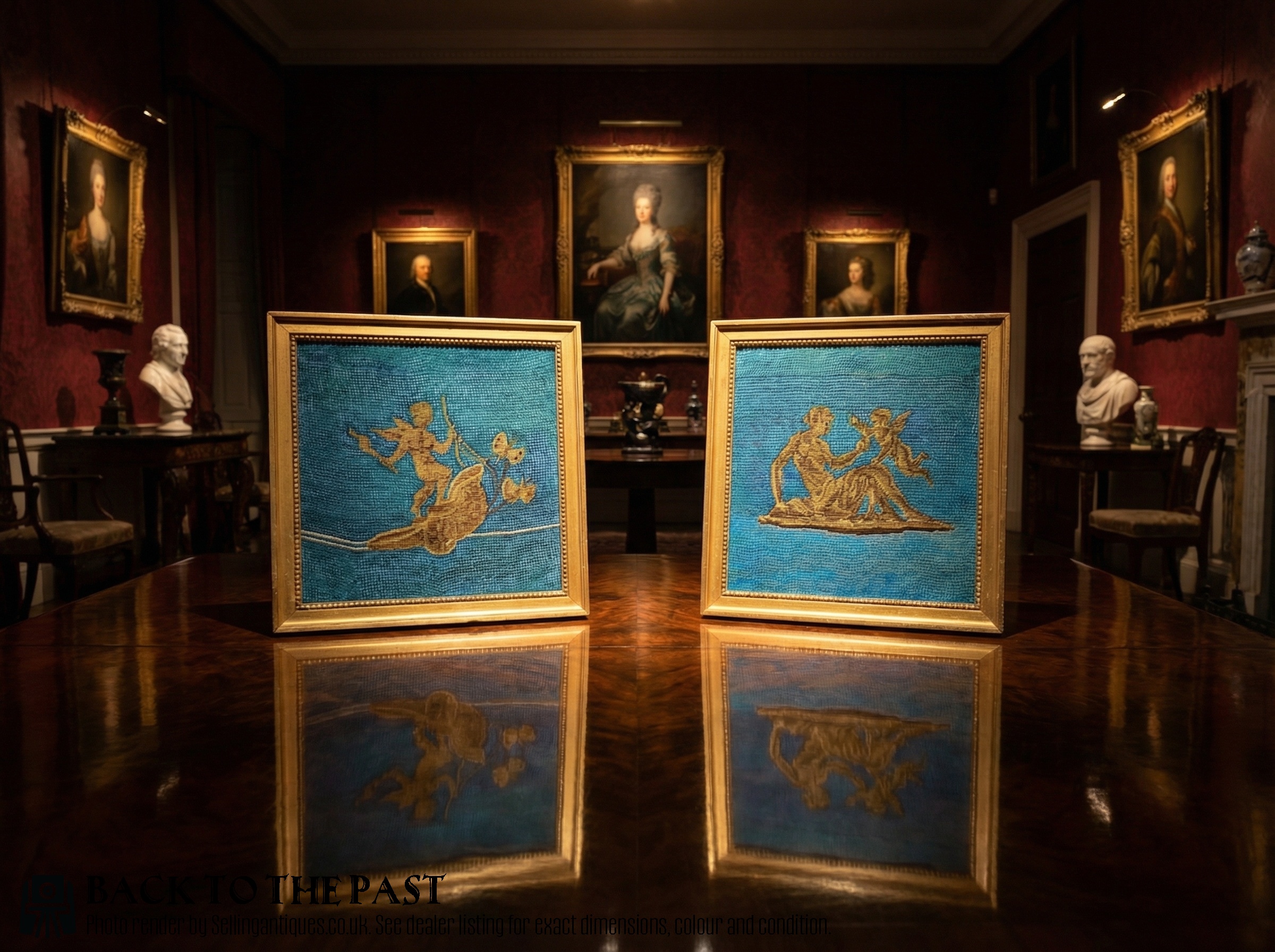
When searching for an antique tapestry panel, buyers encounter an array of historical textiles ranging from heavy woven wall hangings to framed needlework pictures and mounted tapestry fragments. The pieces on this page span several centuries, with nineteenth-century French and English needlepoint wall panels alongside earlier continental verdure fragments and Central Asian embroideries appearing frequently.
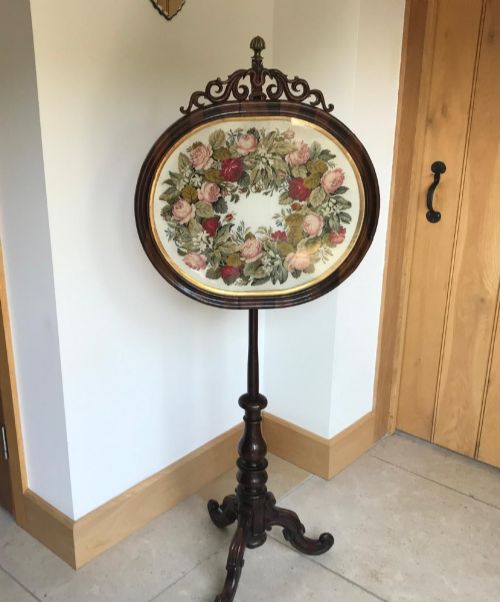
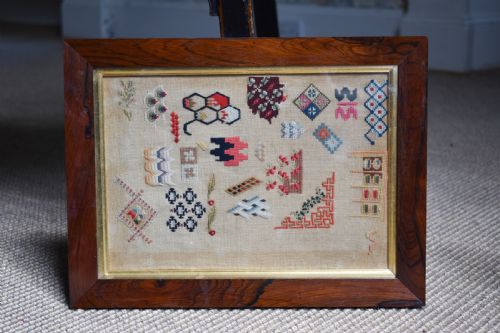
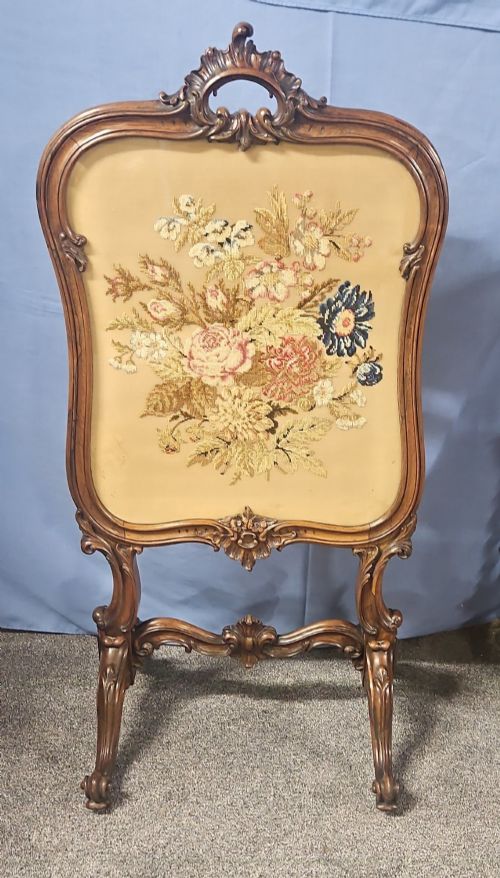
The functional origins of these items vary widely, incorporating domestic fire screens, pole screens, and architectural friezes that have been adapted for modern display. Whether encountering a seventeenth-century classical embroidered panel or a Victorian needlework sampler, collectors select these works for their decorative impact and tangible connection to historical textile traditions.
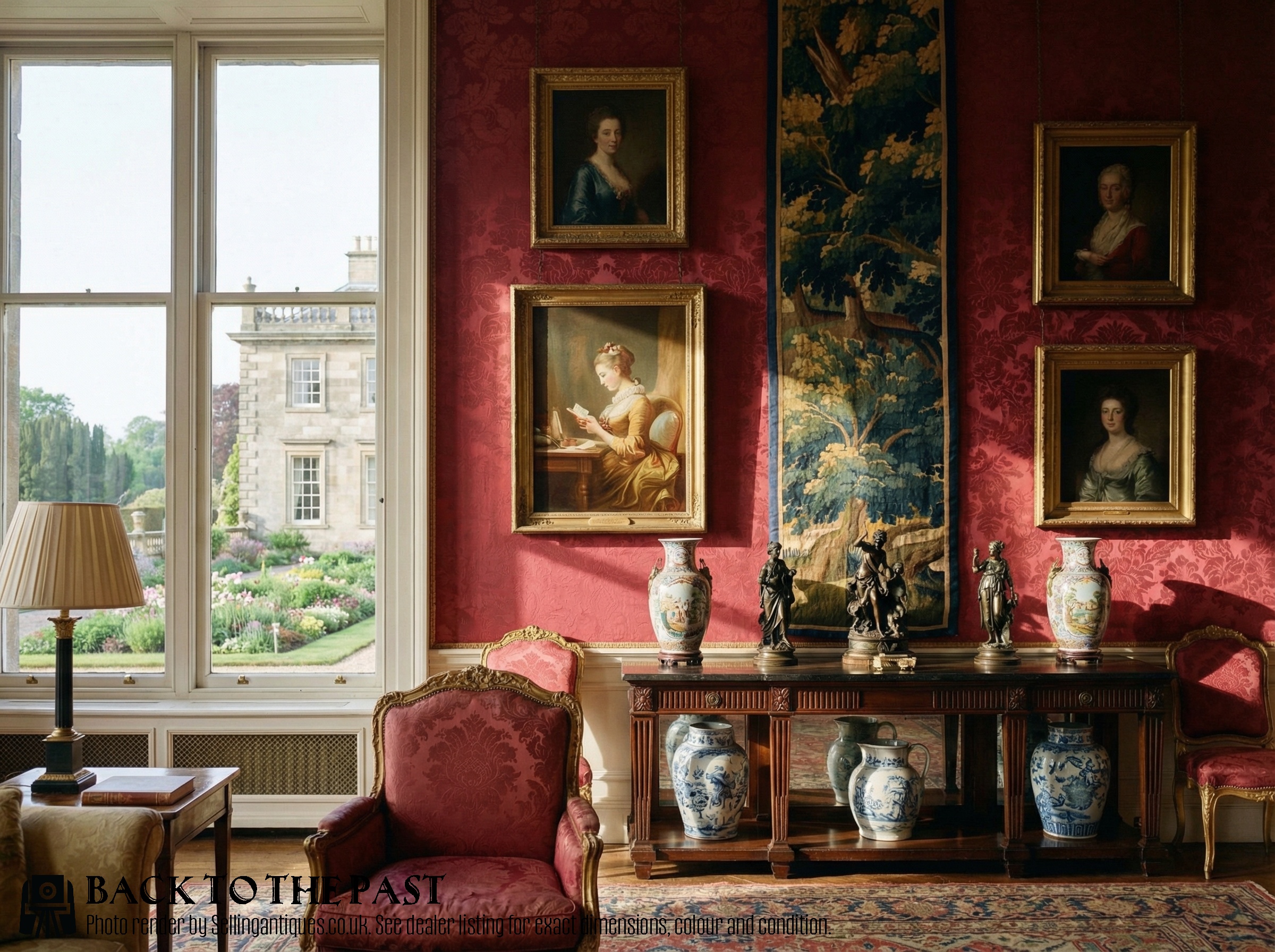
Evaluating craftsmanship and condition
Quality in these textiles rests upon the density of the weave, the precision of the needlework, and the complexity of the rendered design. Superior examples display tight, uniform stitches and sophisticated colour blending that create naturalistic light and shadow across pastoral or classical scenes.
The preservation of original materials significantly influences the standing of a piece, with intact borders, stable foundations, and minimal fibre loss distinguishing finer items. Furthermore, the presence of original framing, such as period burr maple or carved walnut surrounds, enhances the historical integrity of the textile.
Antique Tapestry Panel Retail Price Guide 2026
Typical asking prices for tapestry panel among the pieces listed under this phrase on Sellingantiques today, from the lower quarter to the upper quarter. They describe what is for sale here now, not the wider market.
Primary materials recorded across the inventory include wool, silk, cotton, and linen, mounted upon oak, walnut, and burr maple frames.
The Antique Tapestry Panel Glossary
- Verdure tapestry
- A woven wall hanging dominated by lush botanical designs, trees, and foliage, often populated by birds or distant architectural elements. These scenes were particularly popular in seventeenth and eighteenth-century European workshops.
- Crewelwork
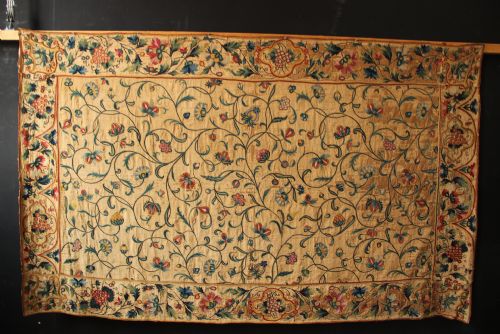
- Embroidery executed with fine wool yarn on a heavy linen or cotton foundation using traditional crewel stitches. This technique produces deeply textured surfaces well suited to large floral and trailing patterns.
- Suzani
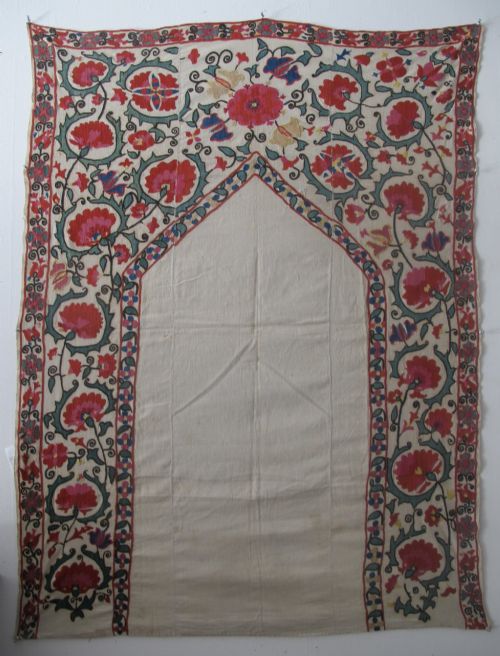
- A large, decorative embroidered textile created in Tajikistan, Uzbekistan, and other Central Asian regions using silk or cotton threads on a cotton or linen ground. They typically feature vibrant sunburst and floral motifs.
- Needlepoint
- Embroidery stitched onto an open-weave canvas foundation where every thread of the backing is covered by the design. This method provides the structural rigidity required for nineteenth-century fire screens and seat covers.
- Asmalyk
- A pentagonal trapezong cap or hanging produced by Turkmen tribes, traditionally used to decorate camel wedding processions. They display intricate geometric patterns worked in rich woolen yarns.
Antique Tapestry Panel: Frequently Asked Questions
How do I hang a textile panel?
Heavy woven hangings typically require a discreet wooden batten or metal rod secured through a stitched sleeve along the top reverse edge. Lighter framed needlework pieces utilise standard picture wire attached securely to sturdy period wooden mouldings.
Ensure the display location avoids direct sunlight to prevent fading of natural wool and silk dyes over time. Maintaining a stable indoor humidity level also protects fragile historical fibres from becoming brittle.
What is the difference between tapestry and needlework?
True tapestries are woven on a loom where the design is built by interlacing warp and weft threads simultaneously. Needlework involves stitching a design by hand through an already existing woven canvas or fabric foundation.
Both categories appear frequently under historical textile headings, though needlework allows for greater individual texture and sculptural depth.
How should I clean an antique textile?
Routine maintenance should be restricted to very gentle surface dusting using a soft brush or low-suction vacuum applied through a protective mesh screen. Professional textile conservators should handle any deep cleaning or structural repairs to avoid damaging delicate historical threads.
Avoid using water, chemical solvents, or standard household cleaning agents directly on aged silk or wool fibres.
Can I use a fire screen as a wall hanging?
Many nineteenth-century fire screens feature removable needlepoint panels originally designed to shield inhabitants from hearth heat. These panels can be unmounted and framed for wall display, though the wooden stands are often collected intact.
Evaluating the reverse side of the panel will reveal whether the textile was originally built as a portable screen insert or an independent wall hanging.