
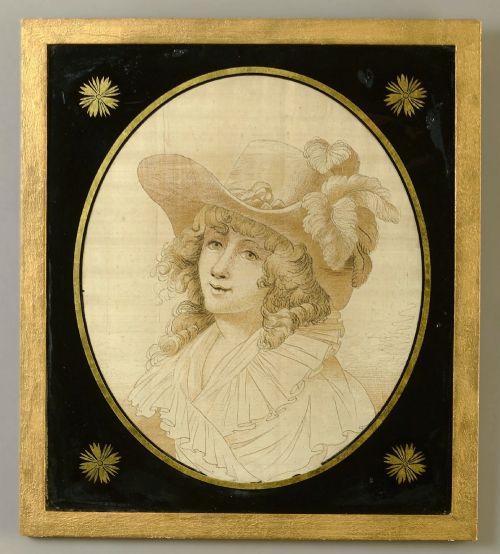
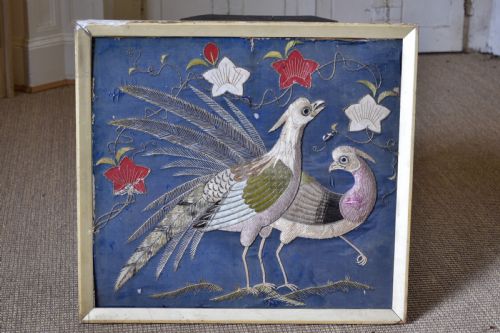
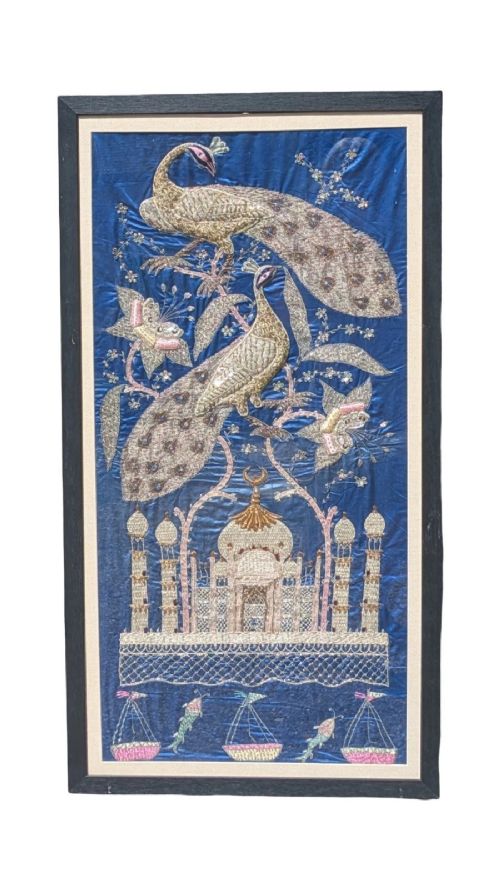
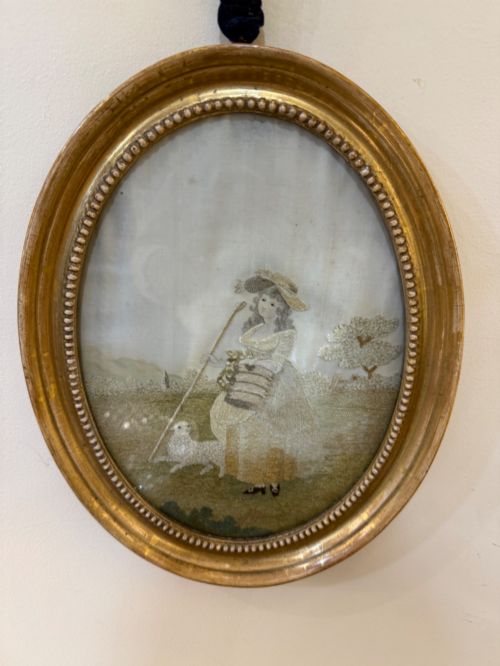

Antique Silk Needlework
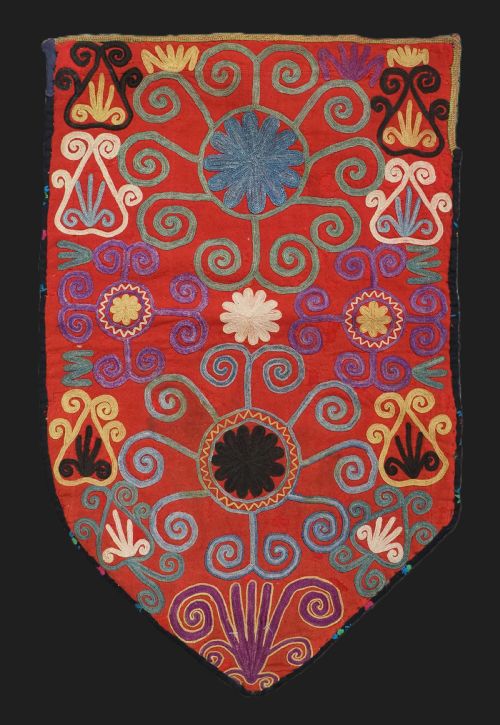
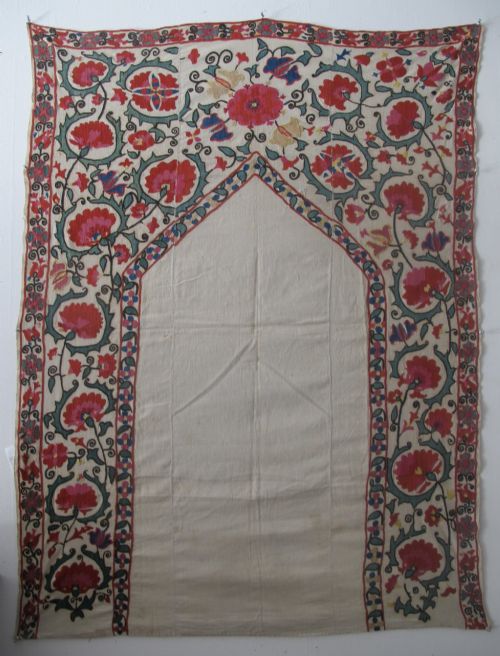
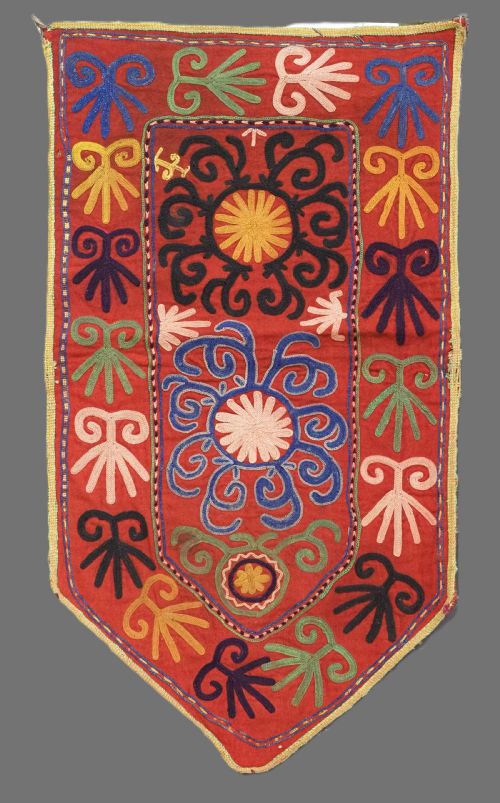
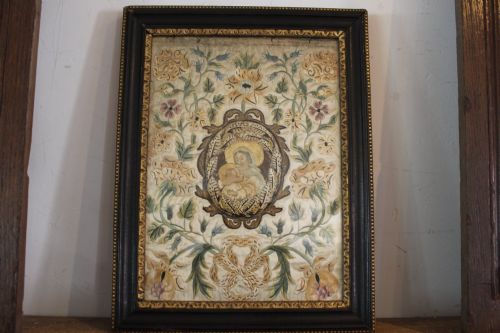
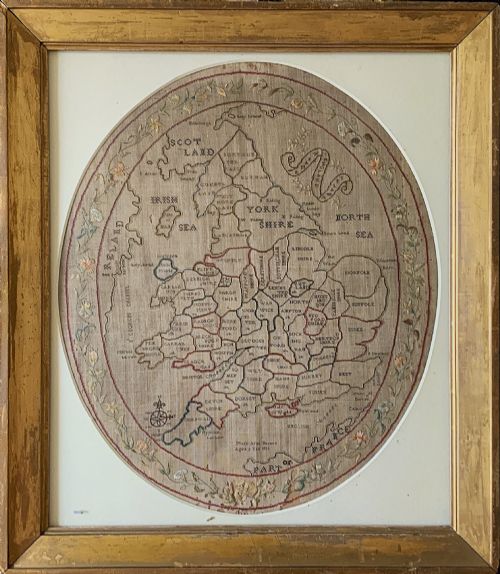
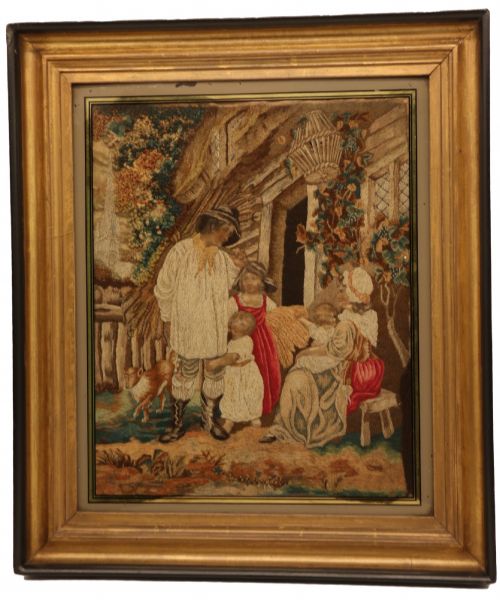
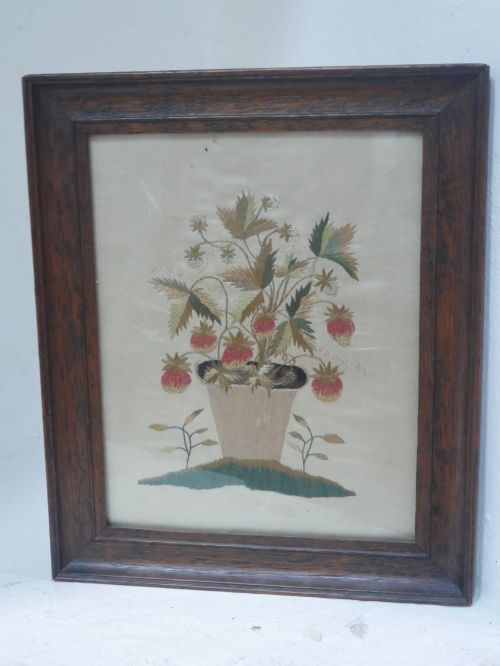
Antique silk needlework pieces are finely stitched textiles that bring historic texture and colour to a room.
What antique silk needlework is
When you search for antique silk needlework, you encounter pieces spanning from the seventeenth century through to the early twentieth century. The selection includes needlework pictures, table screens, and wall art produced across various regions.
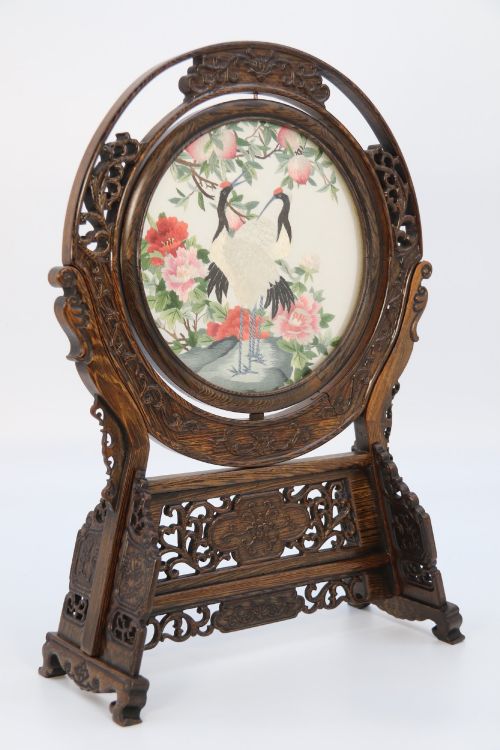
You are most likely to meet nineteenth century theatrical silkwork pictures and eighteenth century continental examples among these listings. Works range from Greek Island embroideries to Chinese double sided silk embroidery on rotating stands.
These textiles often combine silk thread with materials like brass wire or wool. They preserve historic stitching techniques within hardwood, giltwood, or paper mounts.
How they were made
The makers of antique silk needlework utilised fine silk threads applied to fabric grounds such as linen or silk itself. Many examples incorporate specialised methods like long stitch and brass wirework alongside traditional embroidery.
Support structures include hardwood and giltwood frames, rotating display stands, and paper backings. Glass often protects the delicate textile surfaces from dust and handling.
Retail Price Guide 2026
Typical UK retail prices for silk needlework, calculated from the Sellingantiques database of over a million retail prices indexed since 2003. This retail price guide relies exclusively on Sellingantiques data; no external sources or auction records are used, so the figures do not describe the wider market.
The listings on this site span materials including silk, glass, linen, hardwood, giltwood, wool, walnut, and paper across multiple centuries.
What varies in quality
The distinction between ordinary and exceptional antique silk needlework lies in the intricacy of the stitching and the preservation of the material. Finer pieces demonstrate meticulous control over long stitches and complex pictorial compositions.
The quality of the surrounding frame or mount also matters significantly, with original hardwood or giltwood surrounds elevating the piece. Condition is paramount, as silk is inherently fragile and susceptible to light damage over the centuries.
The Antique Silk Needlework Glossary
- Long stitch
- An embroidery technique where stitches of varying lengths fill a design area to create smooth pictorial effects. This method appears frequently in Regency silk pictures.
- Needlework picture
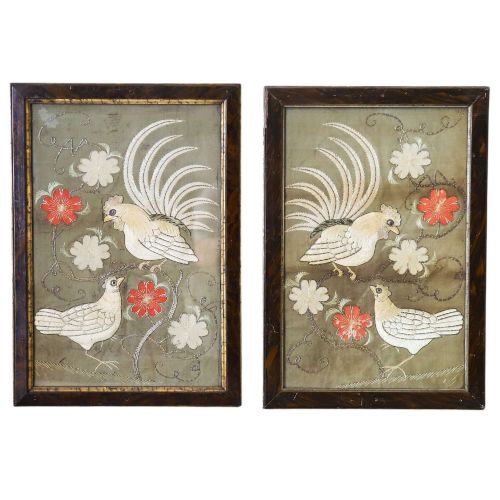
- A framed textile artwork created with a needle and thread rather than painted with a brush. These pieces often depict classical, theatrical, or botanical scenes.
- Table screen
- A small decorative panel mounted on a stand for tabletop display. Chinese examples often feature double sided embroidery visible from both angles.
- Skyros embroidery
- Traditional needlework originating from the Greek island of Skyros. These pieces display distinct regional motifs and historic stitching patterns.
Frequently Asked Questions
How should I hang antique silk needlework?
Keep textile pieces away from direct sunlight to prevent the silk threads from fading and weakening over time.
Ensure the room maintains a stable humidity level to protect both the fabric and any wooden frames.
Are these pieces glazed?
Many framed needleworks and pictures feature glass glazing to protect the delicate silk threads from environmental damage. Table screens and certain double sided pieces may leave the fabric exposed for rotation.
Glazing helps preserve the historic materials from atmospheric soot and accidental touching.
How can I tell the period?
Dating relies on examining the framing materials, the style of the stitching, and the underlying fabric support. Seventeenth century works differ notably in subject and execution from Victorian or twentieth century examples.
Comparing the subject matter to known historical periods helps narrow down the date of creation.