


Mid 19th Century Art
Mid 19th century art encompasses diverse Victorian and continental works on paper and canvas that bring historic character to any interior.
Mid 19th Century Art
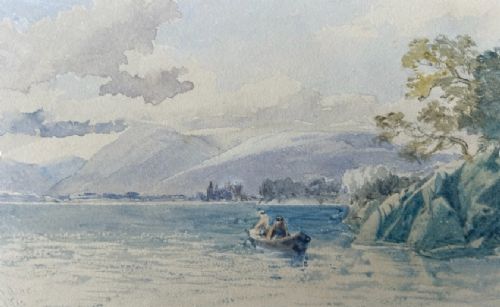
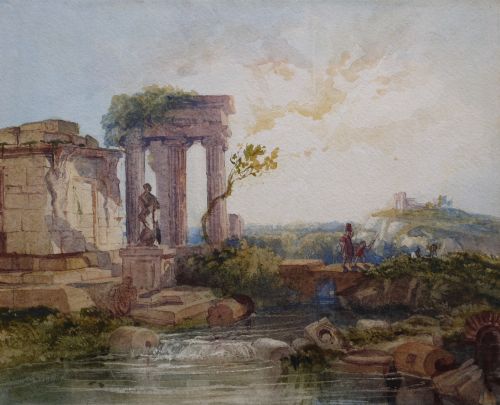
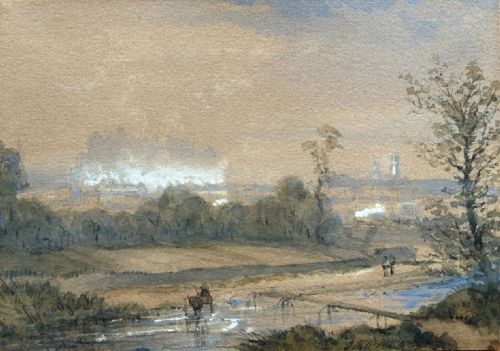
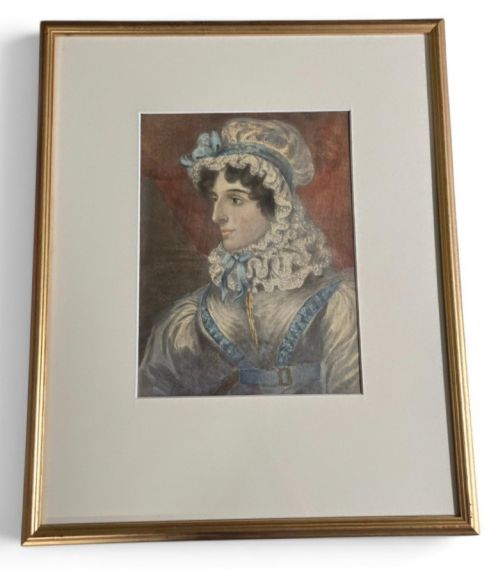
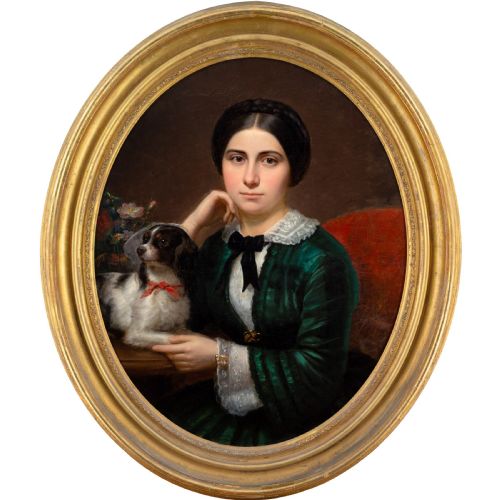
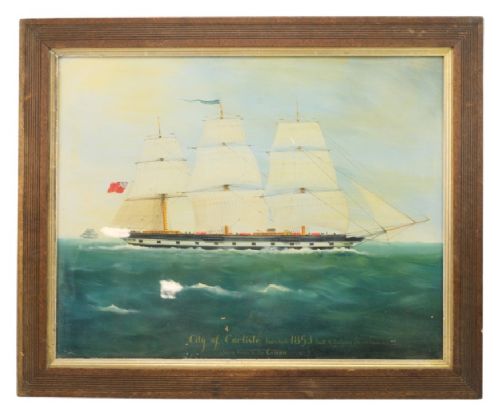
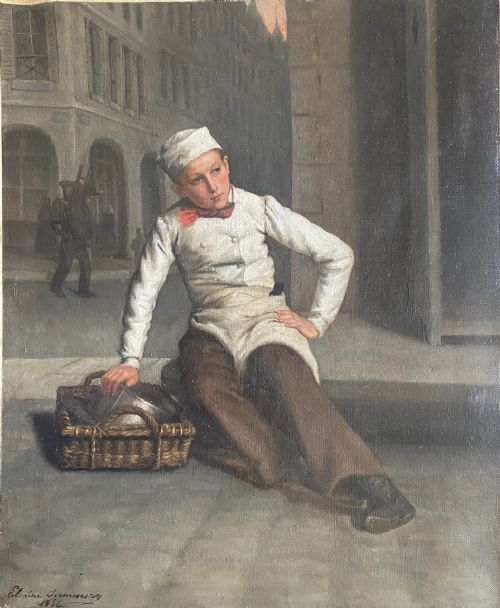
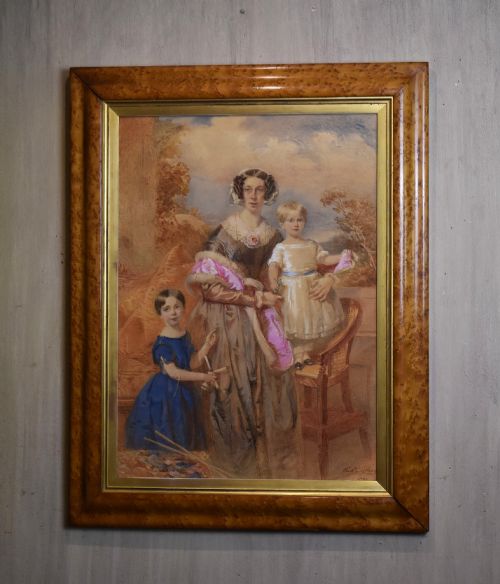
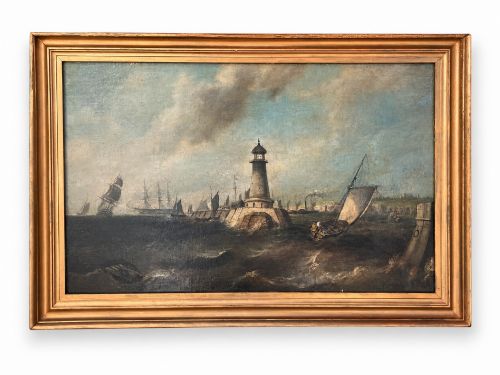
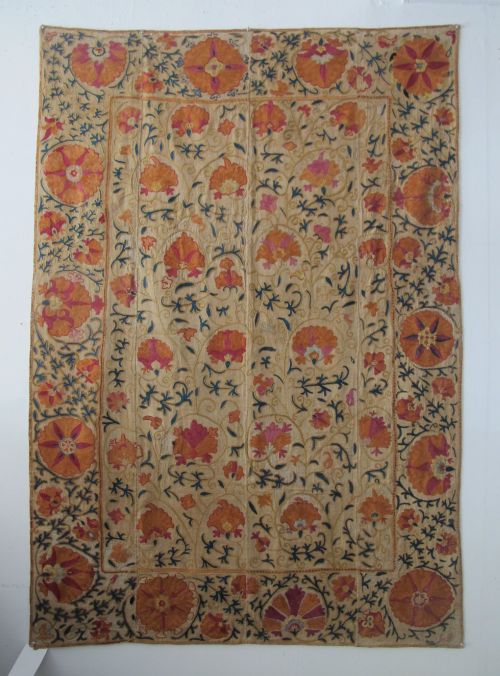
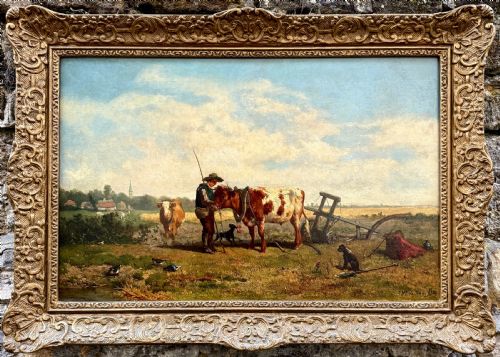
When browsing mid 19th century art, buyers encounter a wide array of visual and decorative objects produced primarily during the Victorian era, alongside continental and Scandinavian works. The selection spans delicate watercolours, academic portraiture, oil paintings on canvas or board, and intricate textile pieces such as silk embroidered suzanis and needlework samplers. These pieces record the shifting aesthetic values of the mid-nineteenth century, moving from classical traditions toward romanticism, maritime scenes, and regional folk art.
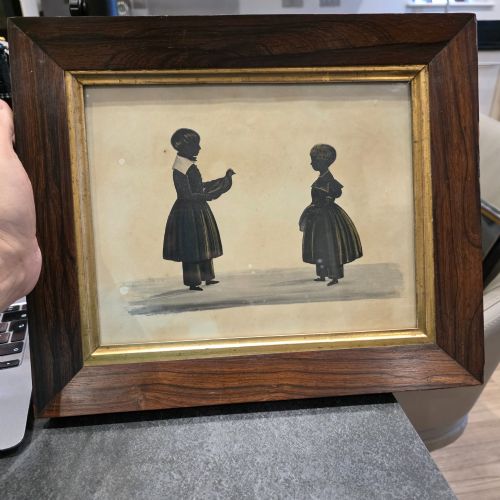
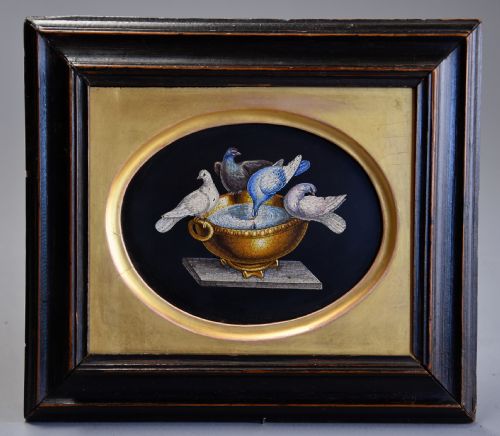
The most common formats on this page include framed portraiture, landscape watercolours, and figurative oil paintings signed by period artists or attributed to specific schools. Beyond flat works, the category extends to decorative objects like micromosaic plaques, painted pine boxes, and silhouette cutouts. Each piece reflects the specific domestic, academic, or maritime interests of the period, offering tangible links to nineteenth-century visual culture.
Materials and construction methods
Artisans and painters of this period relied on traditional supports such as heavy paper, prepared canvas, and wooden panels for their paintings and drawings. Watercolours were applied with fine brushes over graphite sketches on paper, whilst oil painters utilised rich pigments layered onto canvas or board, often framed in gilded wood.
Three-dimensional decorative pieces and furniture incorporate pine, mahogany, fruitwood, and boxwood, frequently enhanced with hand-painting, gold leaf, or detailed carving. Textiles employ fine silk thread embroidered onto ground fabrics, demonstrating advanced needlework techniques like gros point and intricate canvas stitching.
Mid 19th Century Art Retail Price Guide 2026
Typical asking prices for mid 19th century art among the pieces listed under this phrase on Sellingantiques today, from the lower quarter to the upper quarter. They describe what is for sale here now, not the wider market.
The inventory combines British and continental paintings with Scandinavian folk art pine boxes.
Determinants of quality
The degree of finesse in the execution separates standard decorative pieces from exceptional works of this era. In paintings and drawings, anatomical accuracy, expressive brushwork, and the preservation of the original paper or canvas surface dictate the calibre of the piece. Works exhibiting clear provenance, artist signatures, or exhibition history hold greater distinction.
For carved and textile works, the complexity of the needlework stitches or the depth and sharpness of the fruitwood carving determine the standard. Materials that survive with minimal restoration, vibrant original pigments, and intact period framing retain their intended aesthetic impact.
Thomas Miles Richardson Jnr RWS·Richard Principal Leitch·John R Prentice·Frederick Tatham·Johannes de Haas·Thomas Hicks·Henry Barlow Carter·Robert Faulkner
The Mid 19th Century Art Glossary
- Watercolour
- A painting method where fine pigment is suspended in a water-soluble binder and applied to paper. This medium was widely utilised by nineteenth-century artists for both rapid field sketches and finished landscapes.
- Oil painting
- A technique involving pigments suspended in a drying oil, typically applied to canvas or wood panels. It allows for rich colour depth and smooth blending, characteristic of Victorian portraits and scenes.
- Micromosaic
- A meticulous decorative art form made by assembling tiny, coloured glass tesserae to form detailed pictorial plaques. They were frequently mounted in frames or boxes as souvenirs of the Grand Tour.
- Folk art
- Creative works produced by self-taught or provincial makers, often displaying a charming disregard for academic perspective. Scandinavian painted pine boxes and regional portraits fall into this category.
Mid 19th Century Art: Frequently Asked Questions
How do I identify a genuine nineteenth-century watercolour?
Examine the paper stock for appropriate ageing, watermark characteristics, and hand-applied pigments rather than modern dot-matrix printing. Genuine period pieces often display contemporary framing, handwritten artist inscriptions, or studio stamps on the reverse.
Paper from this era typically exhibits a heavier weight and subtle texture distinct from modern wood-pulp sheets. Analysing the mounting materials and any foxing spots also helps confirm age.
Where were painted pine strong boxes used?
Scandinavian households utilised painted pine strong boxes and cupboards for storing domestic textiles, valuables, and provisions. These functional items doubled as decorative storage within rural homes.
Craftsmen often adorned them with regional folk art motifs and hand-mixed pigments. Their robust construction allowed them to withstand daily domestic demands over generations.
How should I care for antique needlework samplers?
Protect textile art and needlework samplers by keeping them away from direct sunlight and high humidity. Framing behind UV-resistant glass prevents the silk threads and backing fabric from fading.
Avoid hanging delicate embroideries in damp environments or areas with fluctuating temperatures. Gentle dusting with a soft brush helps maintain the surface without disturbing fragile stitches.
What defines Victorian academic art?
Academic art follows the rigorous training standards set by official art academies, emphasising classical drawing, historical subjects, and realistic human anatomy. Life studies and portraits from this tradition display precise pencil or oil techniques.
Artists trained in these methods prioritized correct proportions and detailed observational skills. This formal approach creates a striking contrast with contemporaneous naive folk art.