





Lake District Painting
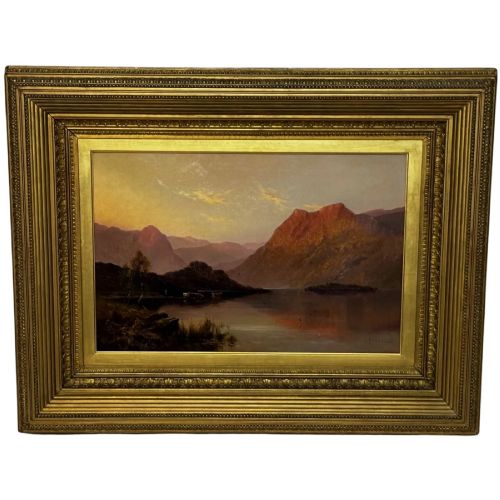
When you search for a lake district painting, you are looking at topographical and romantic views of northern waters, fells and valleys executed across three centuries.
Lake District Painting
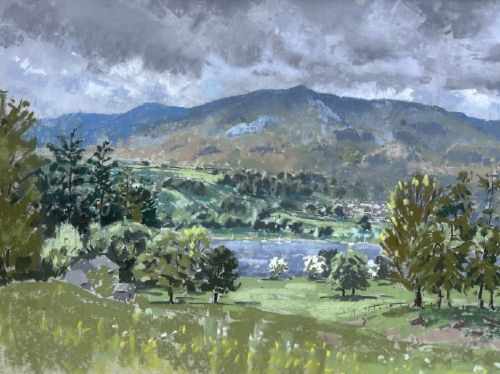
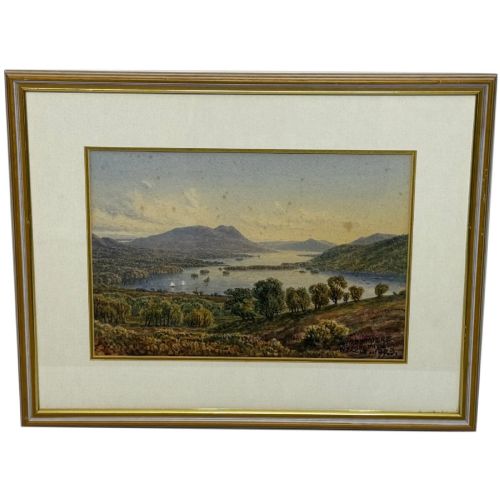
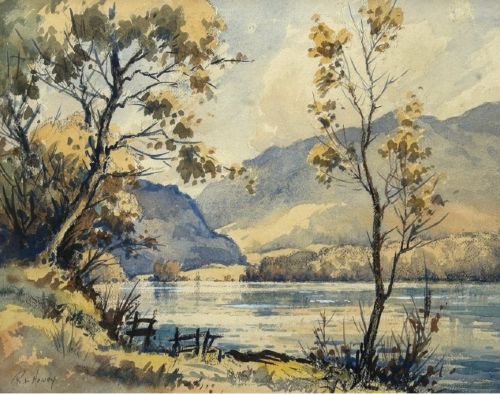
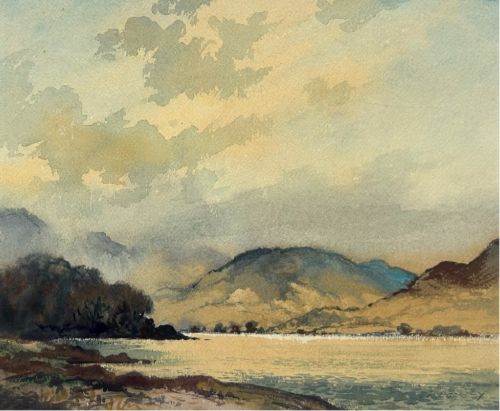
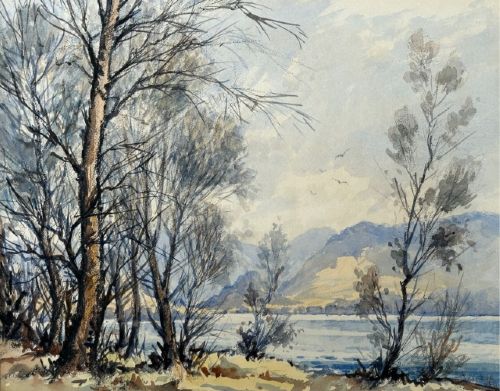
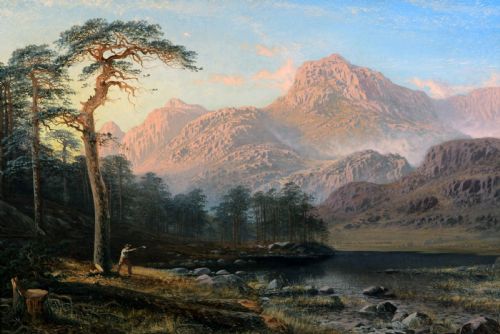
A lake district painting captures specific northern landscapes such as Windermere, Derwentwater and Grasmere through the eyes of artists working from the seventeenth century onwards. These works range from early topographical watercolours and ink sketches to nineteenth-century oil paintings and mid-century post-war impressions.
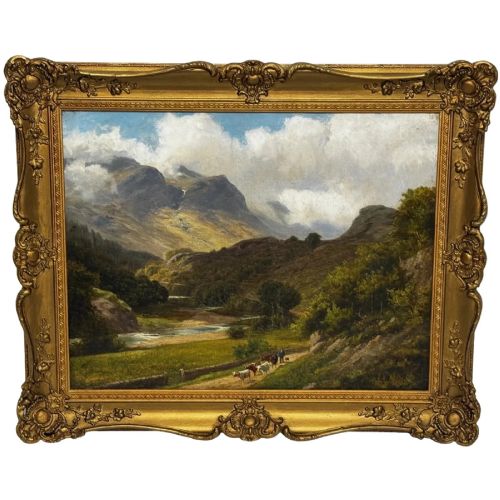
The subjects focus heavily on recognizable fells, tarns, and valleys like Borrowdale, Langdale, and Coniston. You will encounter both intimate river views and sweeping mountain panoramas framed by period wood and gesso frames under glass or canvas.
How They Were Made
Artists traditionally employed watercolour pigment on paper for fluid, transparent atmospheric effects, often supplemented with ink detail to define rocks and architecture. For richer, heavier textures, makers turned to oil on canvas or board, occasionally applying impasto to build up the heavy surface of fells and foliage.
Support materials include woven canvas, stretched paper, and wooden panels, typically housed within moulded gesso and wood frames. Glass frequently protects the delicate watercolour works on paper from atmospheric moisture and dust.
Lake District Painting Retail Price Guide 2026
Typical asking prices for lake district painting among the pieces listed under this phrase on Sellingantiques today, from the lower quarter to the upper quarter. They describe what is for sale here now, not the wider market.
What Varies in Quality
Quality rests primarily upon the sureness of the hand in capturing light and the specific geological character of the Cumbrian landscape. Stronger examples demonstrate confident brushwork or pigment washes that convey weather, distance and topography without stiffness.
The handling of the frame and the preservation of the original medium also dictate the standing of a piece. Works retaining their period gesso frames and stable, unblemished surfaces command greater appreciation among collectors.
Alfred Fontville de Breanski Jr·Robert Leslie Howey·Helen Layfield Bradley·Edward Dayes·James Gunson Atkinson·Edward Horace Thompson·Joseph Farrington·Stephen Enoch Hogley·Alfred de Breanski·Claude Muncaster·Frederick Tucker·T B Garvie·Sidney Richard Percy·Cornelius Pearson·Tom Dudley·William Mellor·Percy Lancaster·Charles Pettitt·B R Townend·Augustus William Enness·Arthur Tucker·J Bigland·W L Sunderland·William Green·Angus Rands
The Lake District Painting Glossary
- Topographical
- Depicting an actual, identifiable geographic location rather than an imaginary scene. This accuracy is central to regional Cumbrian art.
- Impasto
- Paint applied thickly to a canvas or panel so that it stands out from the surface. This technique gives physical texture to water or rock faces.
- Gesso
- A plaster-like mixture applied to wood frames as a base for moulding ornamental details. It is finished with gilt or paint.
- Wash
- A thin, semi-transparent layer of diluted watercolour pigment applied across paper. Artists use it to build up expansive skies and still lakes.
Lake District Painting: Frequently Asked Questions
How do I identify the specific lake shown?
Many works bear inscriptions of the specific location, such as Grasmere, Wastwater, or Derwentwater, written directly on the reverse of the canvas or on the mount beneath the watercolour.
Artists also frequently included recognizable landmarks like the Langdale Pikes or Skiddaw to anchor the view for anyone familiar with the geography.
Were these painted outdoors or in a studio?
Artists during the eighteenth and nineteenth centuries commonly made initial sketches and watercolours on the spot during walking tours of the northern fells.
They then often translated these field studies into finished oil paintings back in their urban studios.
How should I care for a historic watercolour?
Watercolours on paper are highly sensitive to strong direct sunlight, which causes the delicate pigments to fade permanently over time.
Display them away from direct windows and maintain stable indoor humidity to protect both the paper support and the frame.
What is the difference between an oil and a watercolour here?
Oil paintings use pigment suspended in drying oils applied to canvas or wood boards, offering rich textures and deep colour saturation.
Watercolours use water-soluble pigments on paper, presenting a lighter, more luminous quality that relies on the white paper beneath for brightness.