

Historical Female Portrait
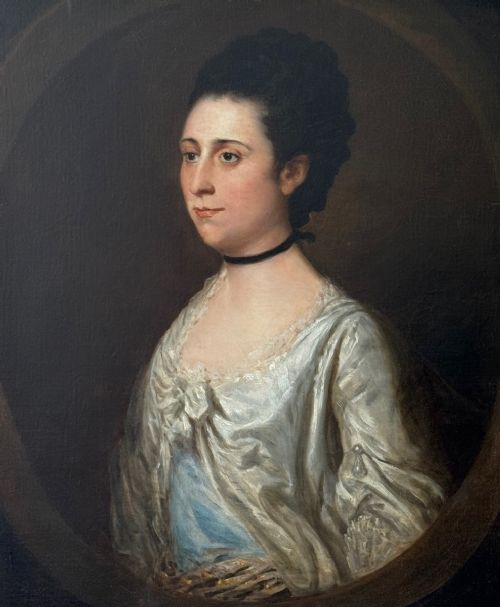
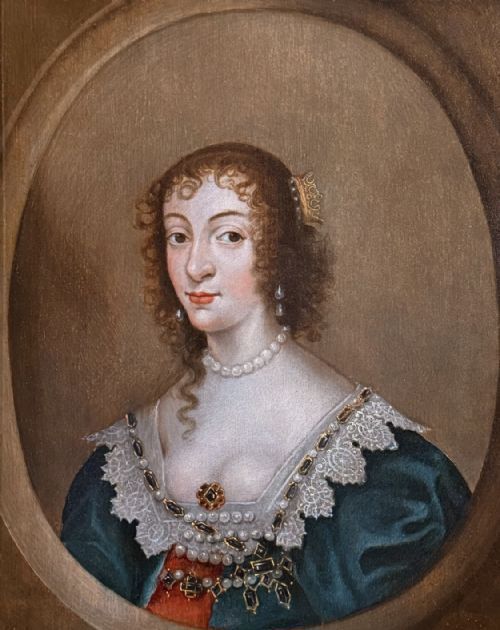
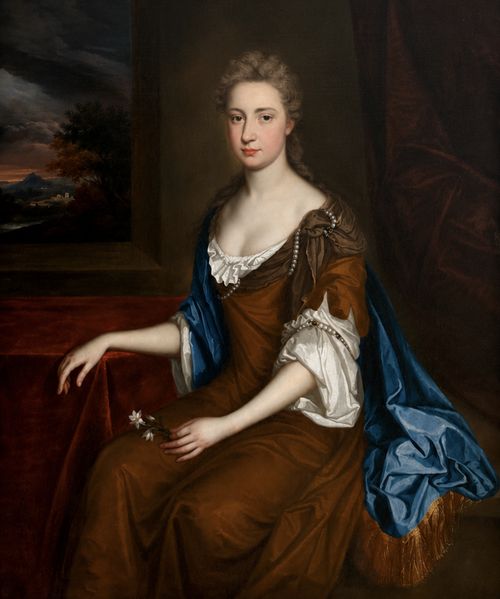
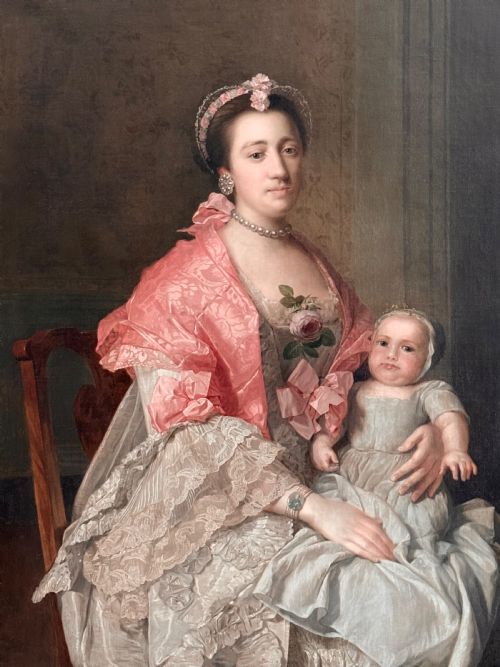
A historical female portrait brings centuries of character into a room through oil, pencil and panel.
What historical female portraits are
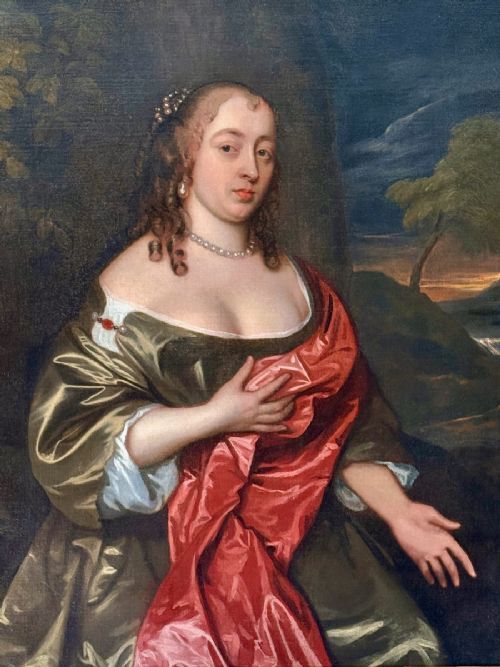
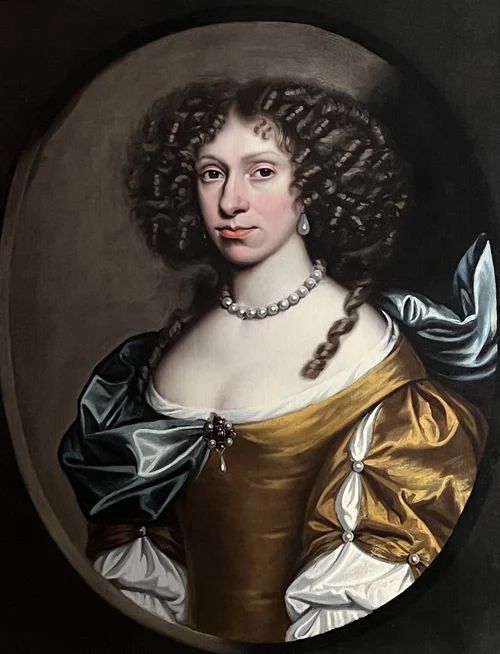
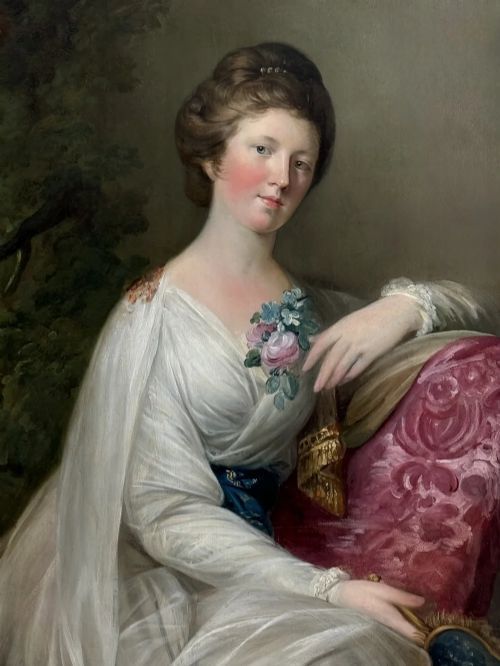
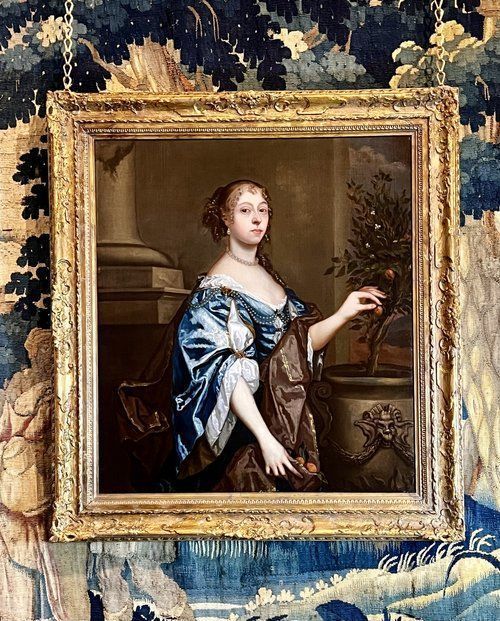
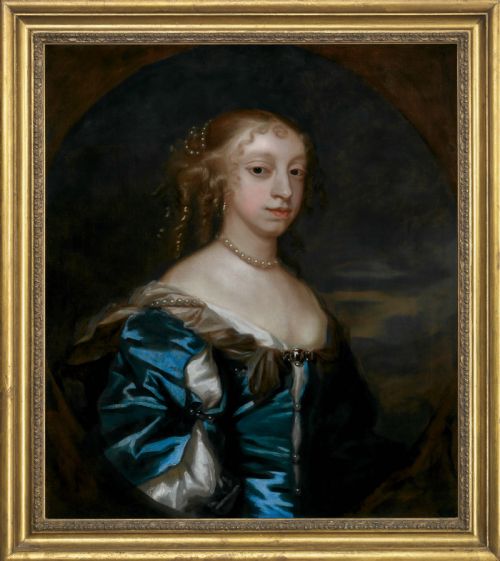
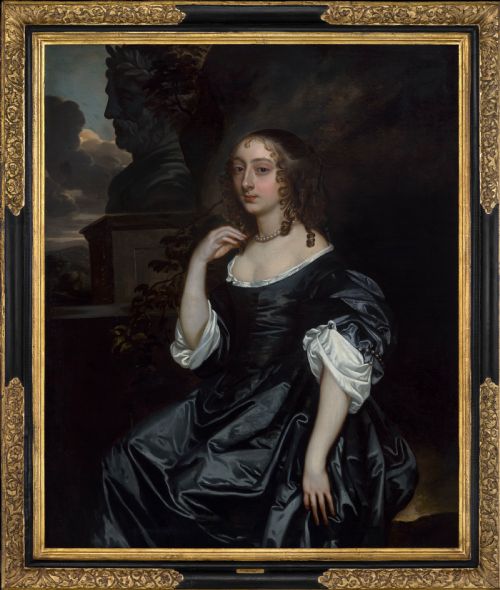
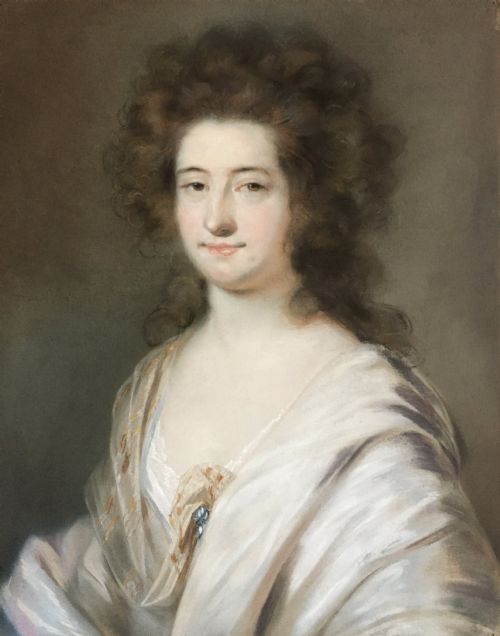
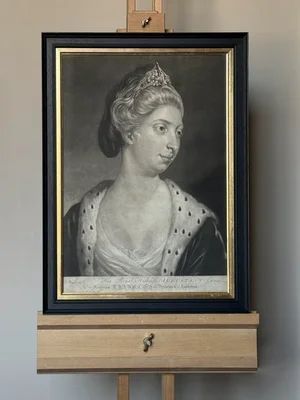
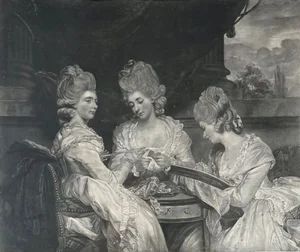
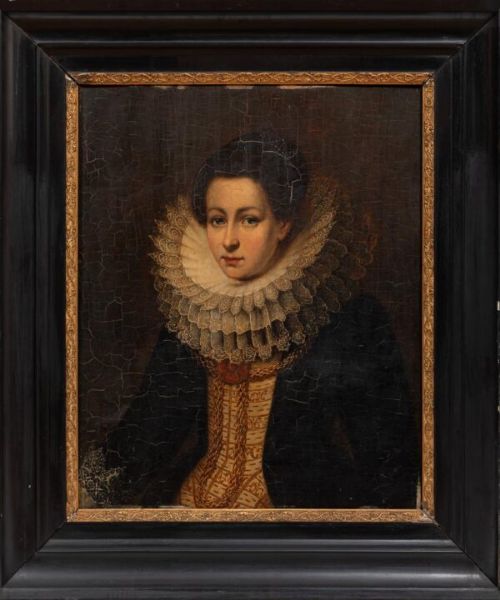
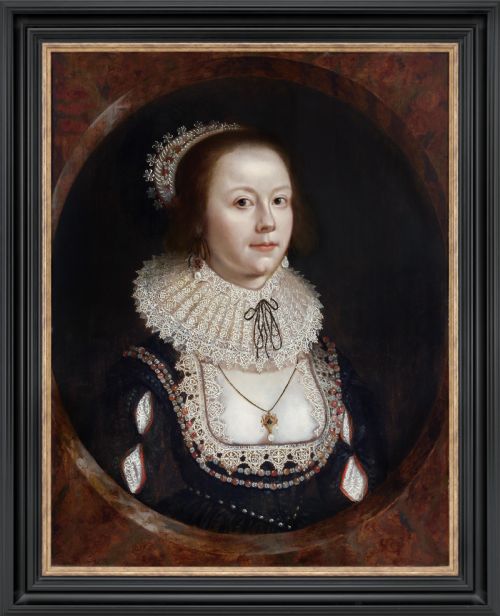
A historical female portrait captures the likeness and status of women from past centuries through various artistic mediums. Buyers seeking a historical female portrait will encounter works ranging from large canvas paintings to intimate pencil drawings.
The pieces available span multiple periods, including the seventeenth, eighteenth and nineteenth centuries. Examples stretch from seventeenth century portrayals of nobility to mid Victorian pencil drawings depicting women alongside domestic animals.
Origin and school vary, encompassing British subjects, French baroque depictions and Italian school paintings. Each piece presents a distinct record of feminine representation across different European artistic traditions.
How they were made
Artists executed these works using oil paint applied to canvas or wood panel, as well as graphite and watercolour on paper. Canvas supports suited grander baroque compositions, whilst wood panels provided a rigid ground for earlier seventeenth century portraiture.
Frames play a structural and aesthetic role, with gilt wood and gilded wood enhancing the visual presence of the paintings. Drawings on paper utilise delicate graphite lines to capture fine detail, often accompanied by signatures from the period.
Retail Price Guide 2026
Typical UK retail prices for historical female portrait, calculated from the Sellingantiques database of over a million retail prices indexed since 2003. This retail price guide relies exclusively on Sellingantiques data; no external sources or auction records are used, so the figures do not describe the wider market.
Listings feature works spanning the seventeenth, eighteenth and nineteenth centuries in oil, graphite and watercolour.
What varies in quality
Quality rests upon the skill of the execution, from the subtlety of facial modelling to the rendering of drapery and fabrics like cut sleeves. School attribution and proximity to notable hands elevate certain works above standard workshop output.
The preservation of the original surface, whether oil on canvas or wood panel, dictates the enduring visual impact. Finer frames in gilt wood further distinguish pieces created for prominent patrons.
Nicolas Fouché
The Historical Female Portrait Glossary
- Oil on canvas
- Pigments bound in drying oil applied to a woven fabric support stretched over a wooden frame. This medium allowed artists to achieve rich colour depths and large scales.
- Wood panel
- A rigid wooden board used as a painting support before canvas became dominant. Panels often indicate earlier periods of execution.
- Gilt wood
- Carved timber coated with gold leaf or metal leaf to create an ornate frame. It provides a reflective border that complements classical portraiture.
- Baroque
- An artistic style prevalent in the seventeenth and eighteenth centuries characterised by dynamic movement and drama. French baroque works emphasise rich ornamentation and theatrical lighting.
Frequently Asked Questions
How do I date a portrait?
Dating relies on costume, hair styling and the materials used such as wood panel versus canvas. Examining the frame and any signatures provides further chronological clues.
Comparison with documented works from specific centuries helps narrow down the period of creation.
What is an oil on panel?
An oil on panel painting uses a solid piece of timber as the base instead of woven fabric. This technique is frequently found in earlier centuries before canvas became standard.
Panels require stable environmental conditions to prevent warping of the wood over time.
How should I hang a portrait?
Portraits look best displayed at eye level on walls with controlled lighting to protect the paint surface. Avoid direct sunlight and high humidity areas to preserve canvas and wood.
Pairing the piece with appropriate wall colours enhances the tones of the historical pigments.
What is the Italian school?
The Italian school refers to works produced by artists trained within the Italian artistic tradition. These pieces often reflect specific regional techniques and stylistic developments.
Such works bring classical composition and distinct European heritage to a collection.