
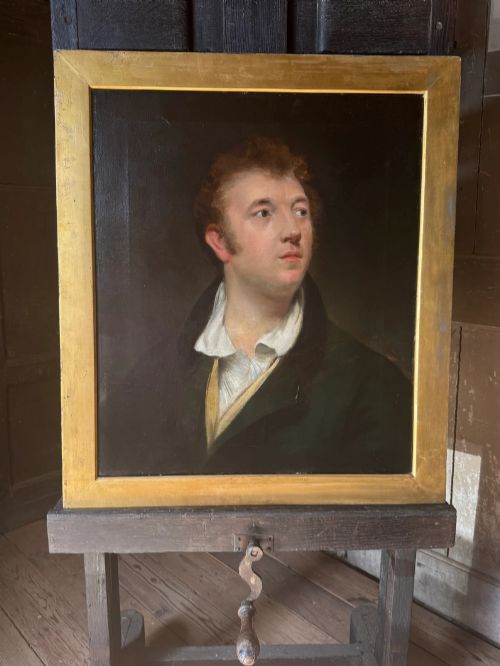
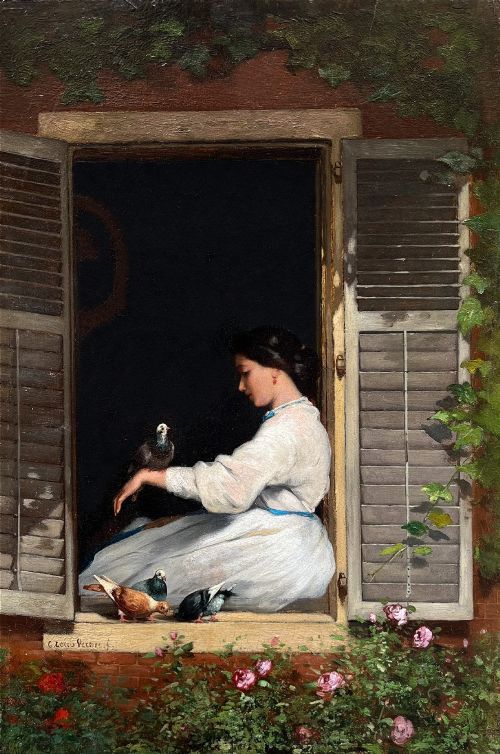
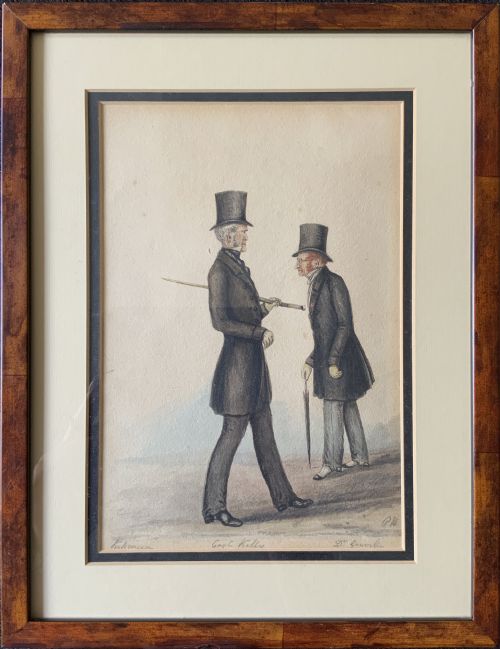
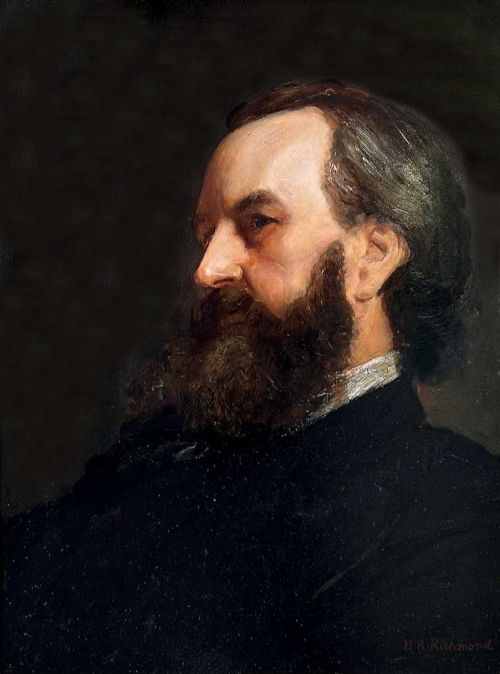
Original 19th Century Portrait
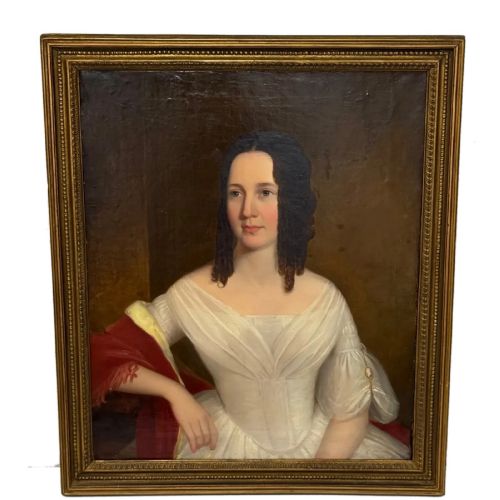
An original 19th century portrait captures personality and status through the skilled hand of period artists, offering buyers a direct link to historical lives.
Original 19th Century Portrait
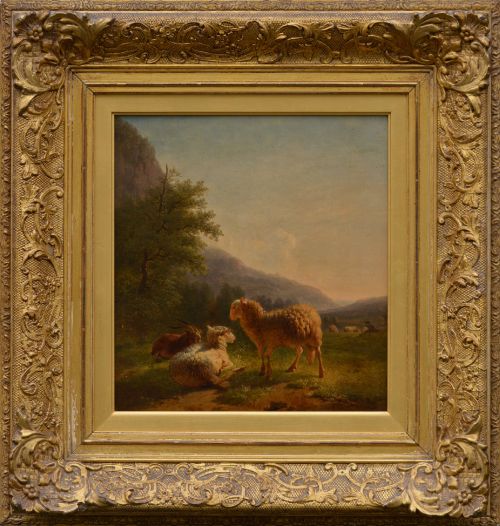
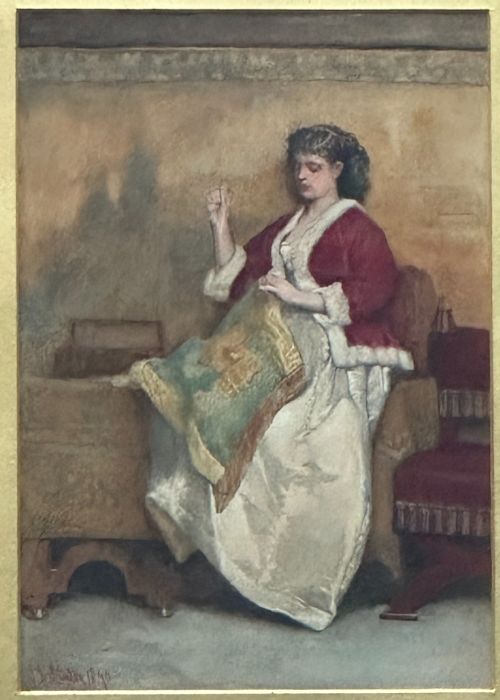
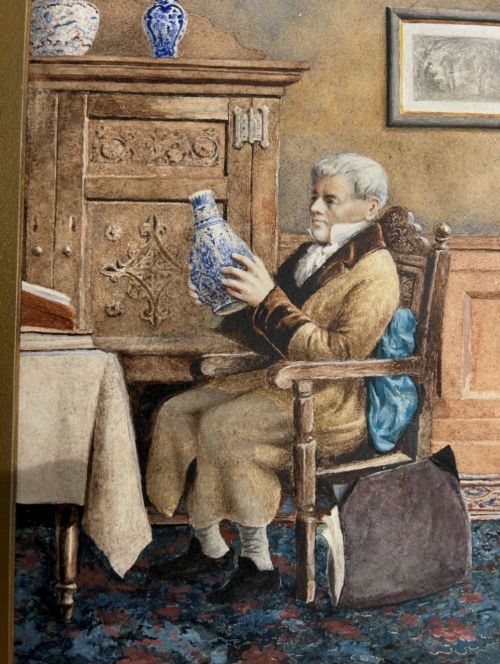
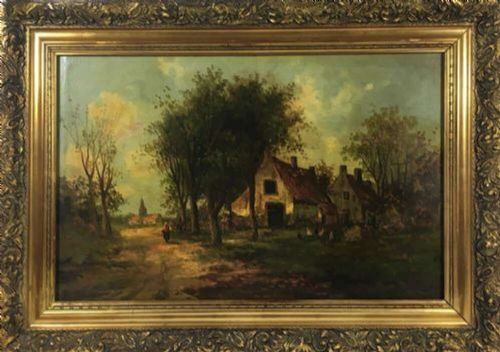
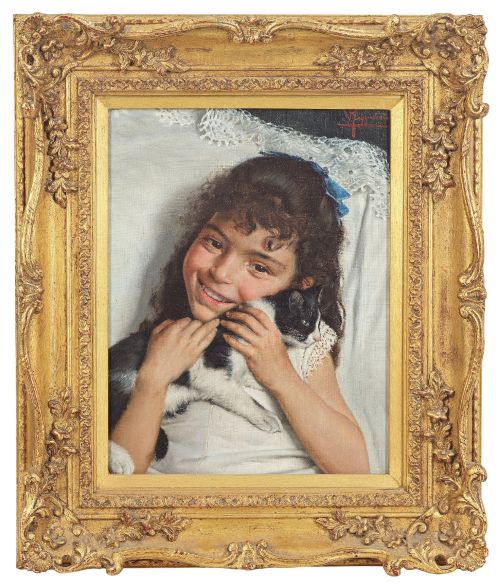
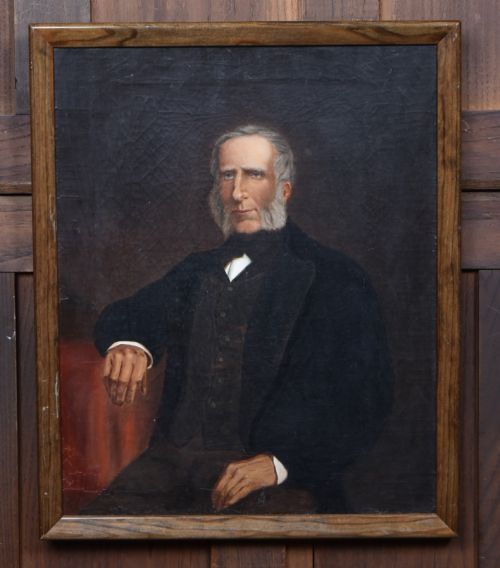
When browsing an original 19th century portrait, collectors encounter works spanning the Georgian, Regency, and Victorian eras, encompassing oil paintings, watercolours, and pencil drawings.
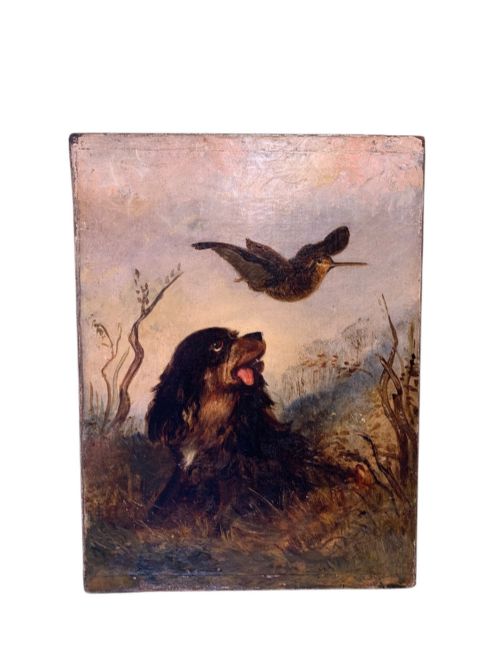
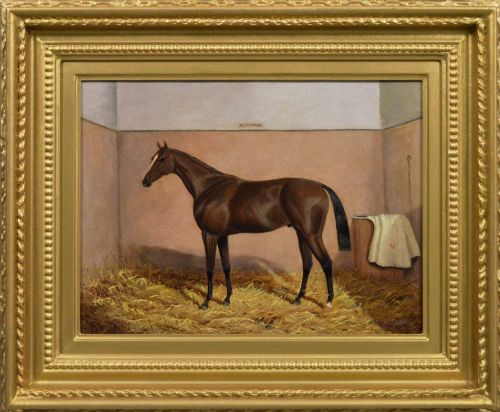
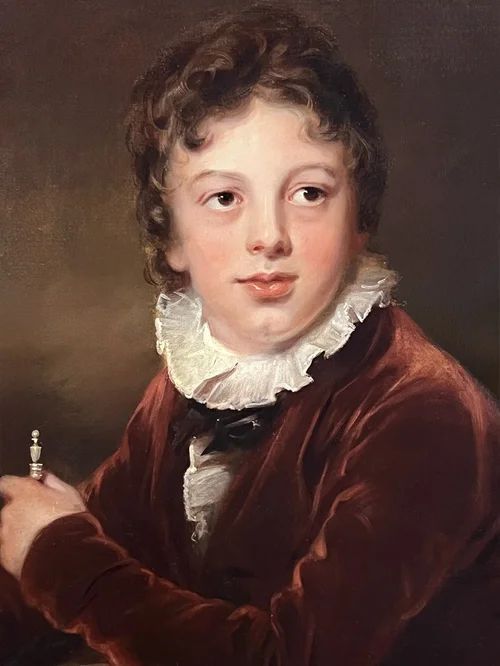
The subjects range from formally dressed gentlemen and ladies to children, animals, and historical figures executed by British and European schools.
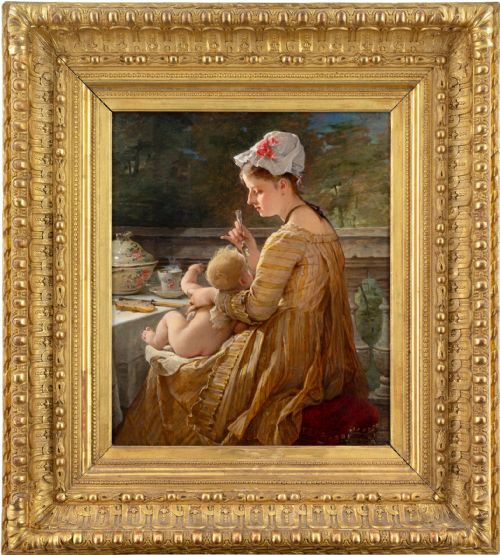
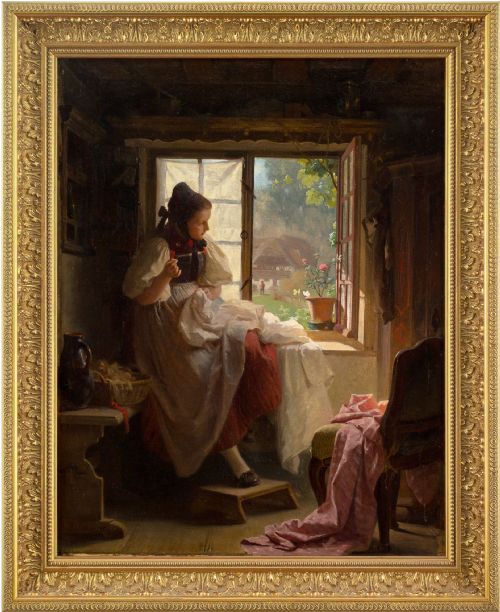
Most pieces on this page take the form of framed oil on canvas or delicate works on paper, reflecting the diverse domestic portraiture of the eighteen-hundreds.
Materials and methods
Artists of the period predominantly applied oil paint to stretched canvas or wooden panels, building rich textures and deep tones over preparatory sketches.
Works on paper utilised graphite pencil, charcoal, and watercolour washes, frequently mounted behind glass and housed in original giltwood or ebonised frames.
Specialised techniques such as reverse painting on glass and silhouette cutting also appear among miniature domestic commissions.
Original 19th Century Portrait Retail Price Guide 2026
Typical asking prices for original 19th century portrait among the pieces listed under this phrase on Sellingantiques today, from the lower quarter to the upper quarter. They describe what is for sale here now, not the wider market.
Listings feature works spanning the 19th century, with materials ranging from oil paint and canvas to delicate paper, glass, and wood.
Judging execution and presence
Quality rests in the anatomical accuracy of the hands and face, the subtle handling of light across fabric, and the psychological depth captured in the subject's expression.
Skilled draughtsmanship and confident brushwork distinguish master academic works from standard provincial commercial output of the period.
The integrity of the original support, the retention of natural pigment vibrancy, and the appropriateness of the period frame elevate a piece significantly.
Eugène Verboeckhoven·Joseph Clover RA·Sir James Dromgole Linton·Vittorio Reggianini·Albert Clark·Margaret Sarah Carpenter·Adelaïde Salles-Wagner·Max Kaltenmoser·James Howe·Louis Charles Verwee·William Blake Richmond·Stephen Pearce·Albin Mattenheimer·Achille-Fould·Frederick Tatham·Renato Moretti·Alfred Arthur Brunel de Neuville·Theodore Jensen·Charles Henry Slater·John Ferneley Senior·Thomas Hicks·Benjamin Eugene Fichel·Henry Arthur Roberts·Philip Richard Morris
The Original 19th Century Portrait Glossary
- Giltwood
- Carved wood treated with gold leaf or gilding composition. This finish is commonly found on ornate period frames surrounding oil paintings.
- Grisaille
- A painting executed entirely in shades of grey or neutral monochrome. This technique often mimics the appearance of a sculptural relief.
- Academic Realism
- A style of painting produced under the influence of European academies of art. It emphasises precise anatomical accuracy, smooth finishes, and classical themes.
- Pastel
- A medium consisting of powdered pigment mixed with a binder and formed into sticks. Artists used it on paper to create soft portraits with a powdery texture.
Original 19th Century Portrait: Frequently Asked Questions
How do I date a portrait?
Dating relies on costume, hair styling, and the sitter's accessories, combined with any visible artist signatures, dates, or canvas stamps.
Framing styles and stretcher construction also provide valuable clues to the exact decade of creation.
Were these painted from life?
Most formal commissions required the subject to sit directly for the artist over several sessions in a studio setting.
Sketches and watercolours were frequently completed quickly from life, while larger oil portraits occasionally utilised preparatory drawings.
How should I display them?
Hang these works away from direct sunlight and fluctuating humidity to protect delicate watercolours and oil paint surfaces.
Pairing them with period-appropriate wall colours enhances the rich tones of the original canvas or paper.
What is an English School portrait?
The designation denotes an artwork created by a British artist whose specific identity remains unrecorded or lost to history.
These pieces reflect the prevailing academic standards and portrait traditions of British society during the 19th century.