






Carved Gilt Frame Art
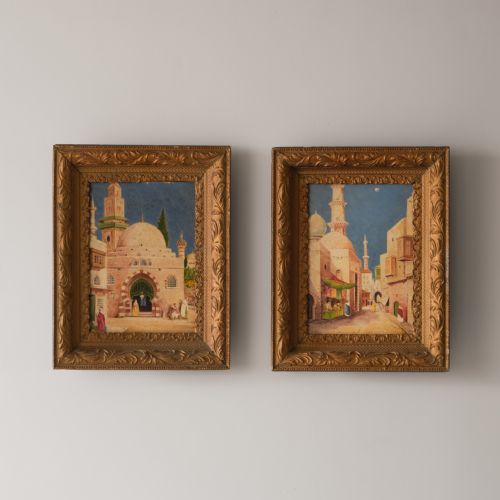
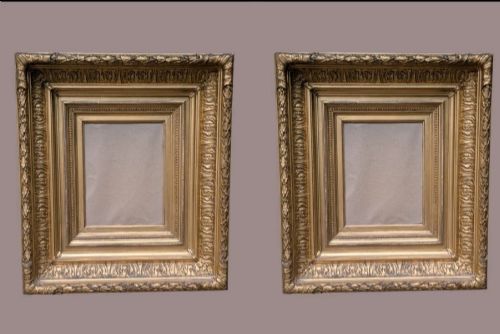
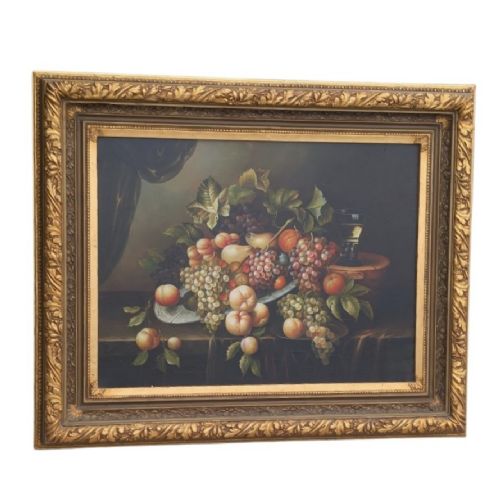
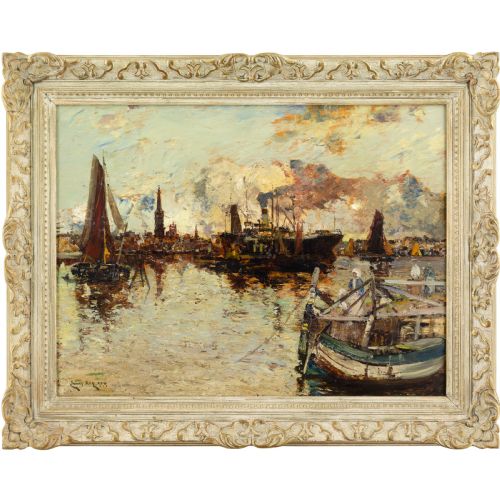
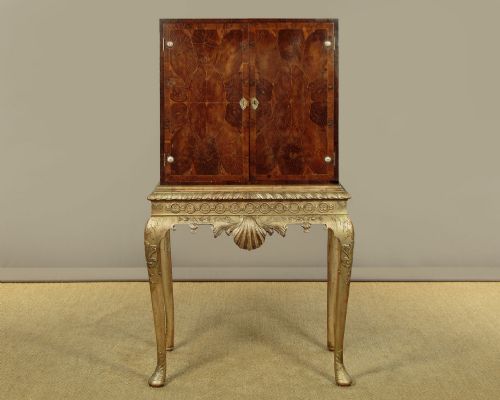
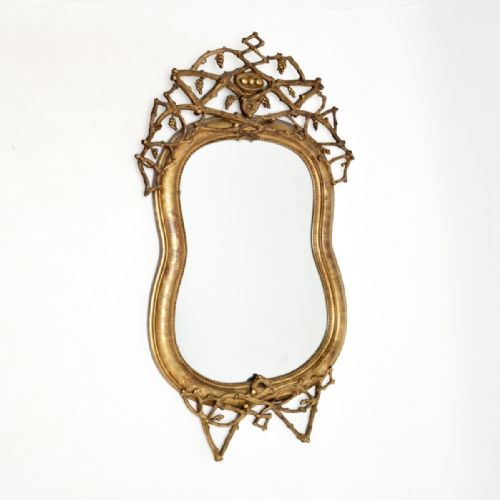
Carved gilt frame art brings together historic oil paintings and decorative mirrors held within ornate, luminous surrounds of gold leaf and wood.
Carved Gilt Frame Art
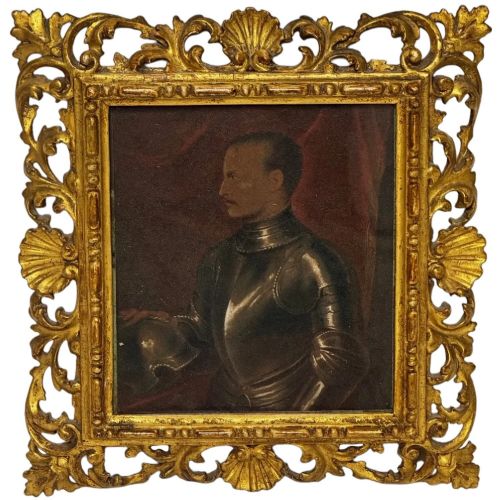
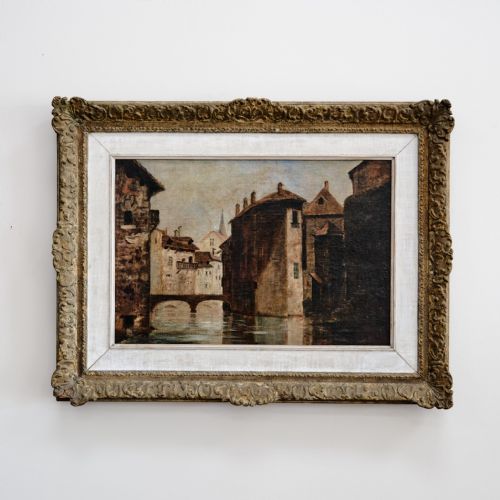
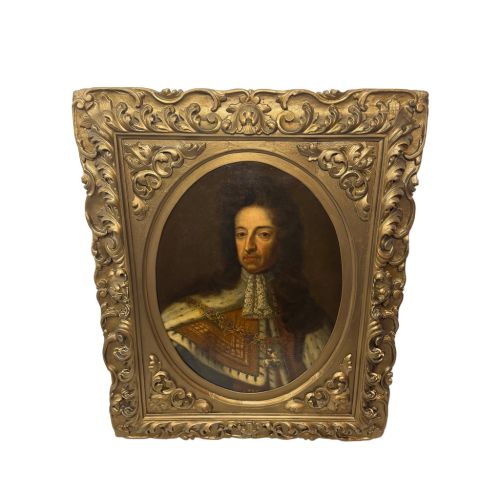
Carved gilt frame art encompasses historic oil paintings on canvas, detailed portraits, mirrors, and standalone picture frames dating from the seventeenth century through to the twentieth century. These pieces reflect diverse regional origins, including English, French, Dutch, Flemish, Spanish, and Italian schools.
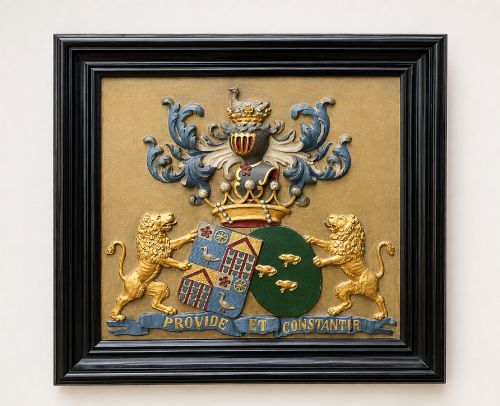
The objects span multiple stylistic movements such as Baroque, Rococo Revival, Georgian, Victorian, Art Nouveau, and Art Deco. Portraits of nobility, gentlemen, and ladies sit alongside landscape oils, floral still lifes, and heraldic marriage plaques.
Buyers most frequently encounter nineteenth-century interpretations and Victorian gilt surrounds alongside earlier seventeenth and eighteenth-century works. The combination of painted canvas and gilded wood creates an integrated decorative statement designed for interior display.
Materials and construction methods
Frames are constructed from wood, frequently pine or carved timber, built to house canvases painted with oil paint. Artisans applied layers of gesso to the wooden base to create a smooth surface for subsequent gilding.
Gold leaf was meticulously laid over the prepared ground to achieve a brilliant metallic sheen that catches ambient light. Silk, metal thread embroidery, and lithographic paper occasionally substitute for canvas in specific framed works.
Carving was executed by hand directly into the wood or moulded in gesso relief before the application of the gold leaf. This technique produced the deep profiles and elaborate decorative motifs characteristic of period frames.
Carved Gilt Frame Art Retail Price Guide 2026
Typical asking prices for carved gilt frame art among the pieces listed under this phrase on Sellingantiques today, from the lower quarter to the upper quarter. They describe what is for sale here now, not the wider market.
Listings feature oil on canvas paintings, gesso picture frames, and giltwood mirrors spanning the seventeenth to the twentieth centuries.
Factors determining quality
Quality rests upon the depth and crispness of the hand-carved ornamentation on the frame and the artistic execution of the painting within. Superior examples display spirited brushwork, anatomical proportion in portraits, and sculptural relief that retains sharp definition beneath the gilding.
The integrity of the original gold leaf and gesso surface dictates the visual impact of the piece. Finer works preserve their original surface patination, whereas heavily restored or later re-gilded examples lose the subtle tonal variations accumulated over centuries.
Thomas Hudson·Sir Anthony van Dyck·Nicolaes Maes·Thomas Murray·Sir Godfrey Kneller
The Carved Gilt Frame Art Glossary
- Giltwood
- Wood that has been coated with gold leaf or gold paint. This finish provides a reflective, warm metallic border that enhances the artwork contained within.
- Gesso
- A plaster-like mixture applied to wood frames to prepare the surface for gilding. It allows craftsmen to carve intricate decorative details before applying gold leaf.
- Oil on Canvas
- Pigments bound in an oil medium applied to a woven fabric support. This technique allowed historic artists to achieve rich colour depth and subtle tonal gradation.
- Baroque
- An ornate artistic style prevalent from the seventeenth century onwards characterised by drama, exuberant detail, and deep sculptural relief in frames.
Carved Gilt Frame Art: Frequently Asked Questions
How do I date a gilt frame?
Dating relies on examining the construction methods of the wooden corners, the composition of the underlying gesso, and the style of the carving. Earlier seventeenth and eighteenth-century frames typically feature hand-carved wooden profiles, while later nineteenth-century examples often utilise moulded gesso ornamentation.
The tool marks left by the craftsman and the wear patterns on the gold leaf also offer reliable indicators of age. Comparing the frame's construction style to documented historical periods helps narrow down its exact era of manufacture.
Were frames and paintings always matched?
Many historic oil paintings have spent centuries in frames that were either original to their creation or thoughtfully matched during a later period. Portraits commissioned in the seventeenth and eighteenth centuries frequently retain their contemporaneous carved wooden surrounds.
Over the lifespan of an artwork, frames were occasionally swapped to suit changing interior tastes or to replace damaged housings. Assessing whether a frame fits the rebate and matches the age of the canvas requires careful inspection of both elements.
How should I hang antique framed art?
Antique framed art requires secure wall fixings capable of supporting the combined weight of dense timber, gesso, and canvas. Hardware should be anchored directly into wall studs or masonry using appropriate heavy-duty brackets.
Position pieces away from direct sunlight and fluctuating heat sources to protect the delicate oil paint and fragile gold leaf. Maintaining stable indoor humidity prevents the wooden frame from warping and the gesso from cracking.
What is the difference between gesso and carved wood?
Carved wood involves directly chiselling intricate patterns into the timber substrate itself, yielding sharp edges and deep relief. Gesso is a fluid mixture built up on the frame and moulded or stamped to simulate elaborate carving.
Master craftsmen often combined both techniques, using a wooden base with applied gesso details to achieve complex ornamentation. Examining the relief under magnification reveals whether the motifs are cut from timber or built up in plaster.