
18th Century Portraiture
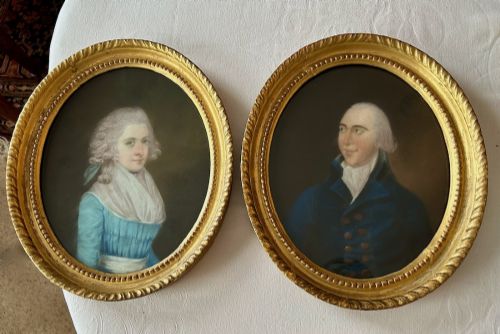
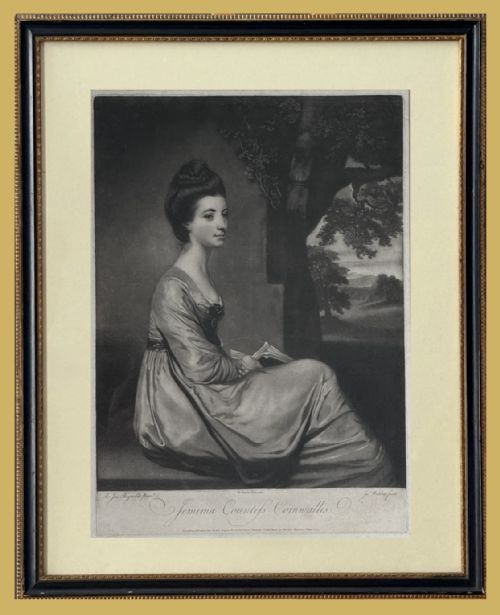
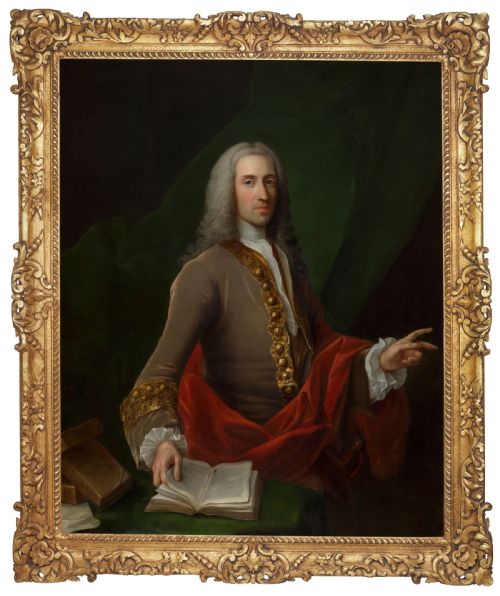
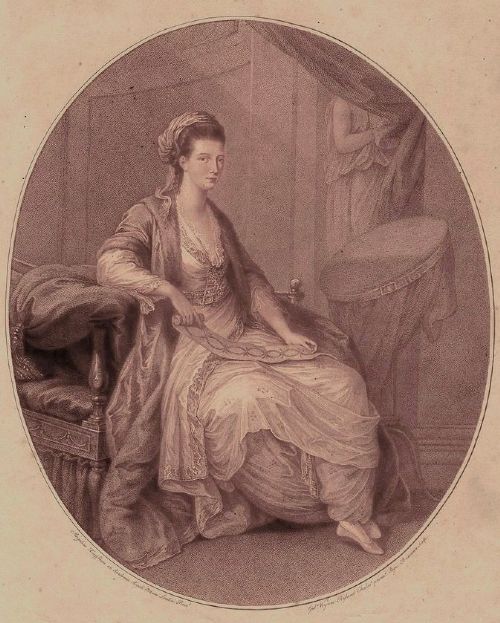
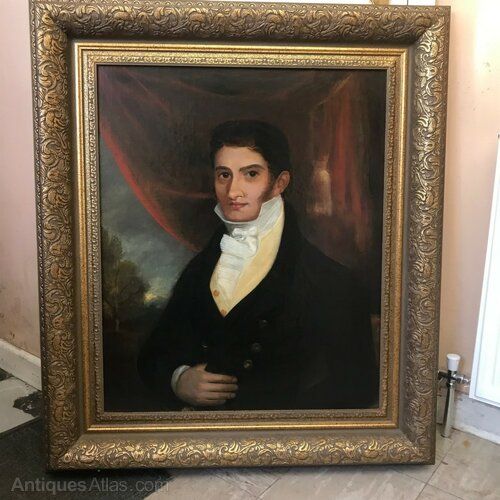
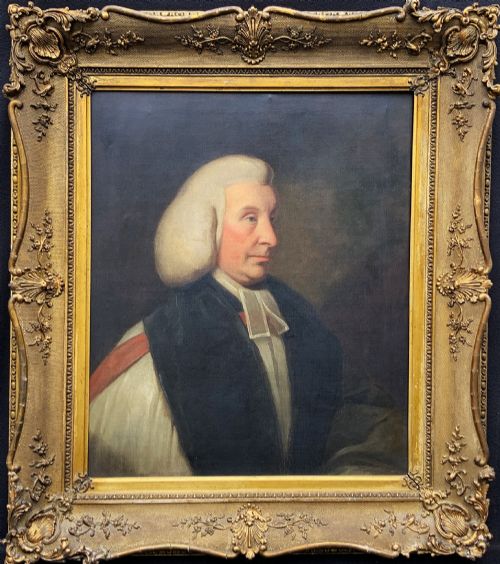
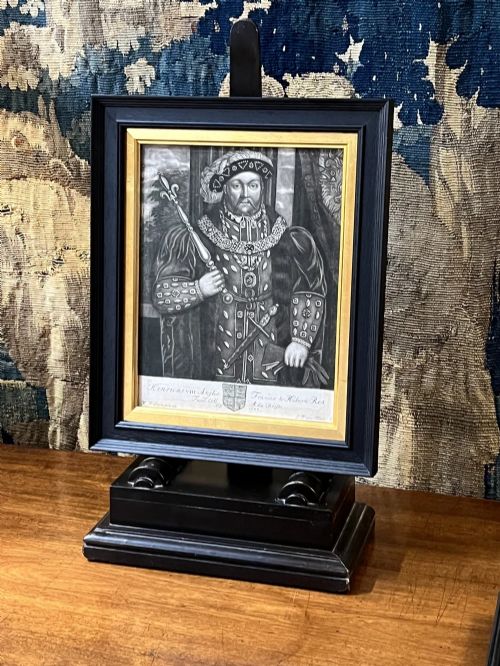
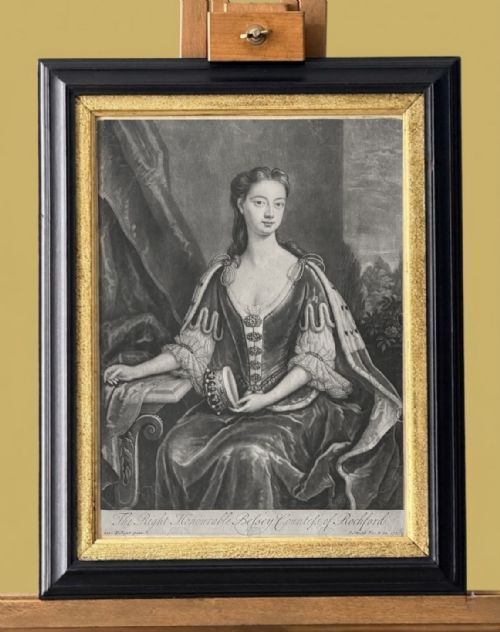
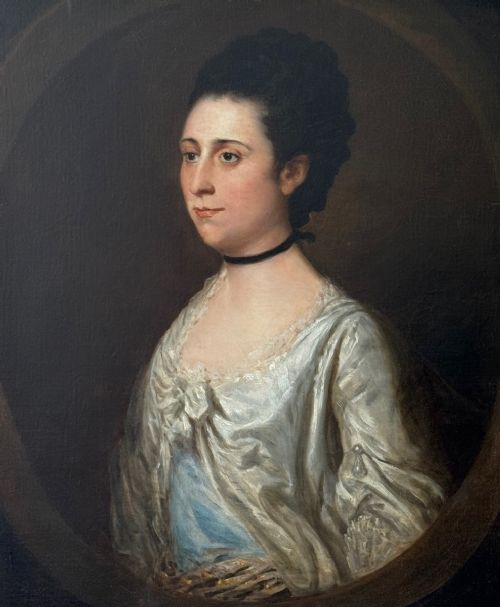
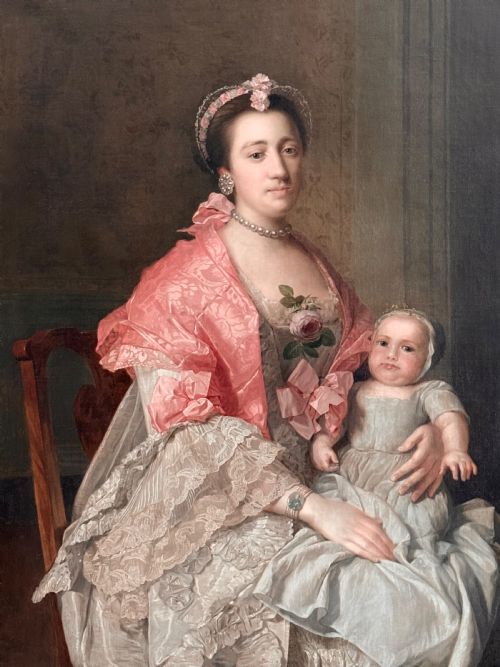
Eighteenth century portraiture captures the likenesses of monarchs, clerics and lawyers in oil on canvas.
What 18th Century Portraiture Is
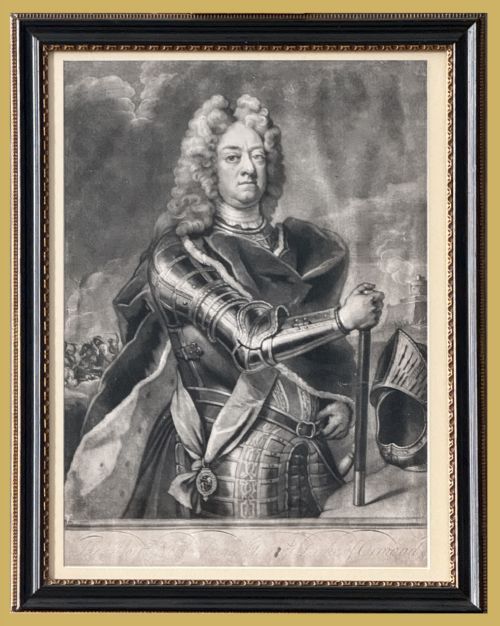
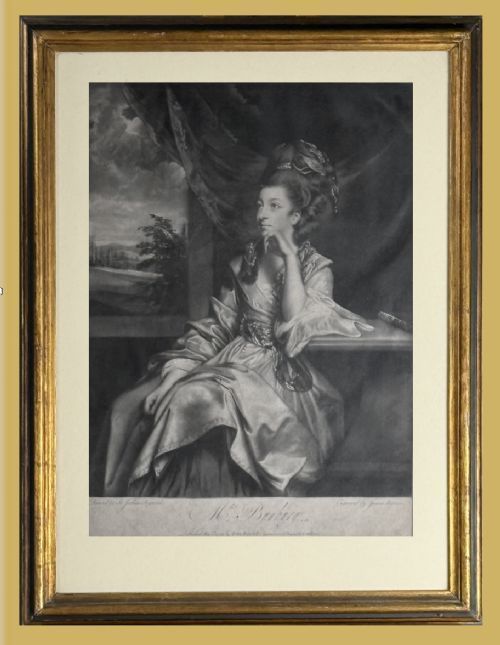
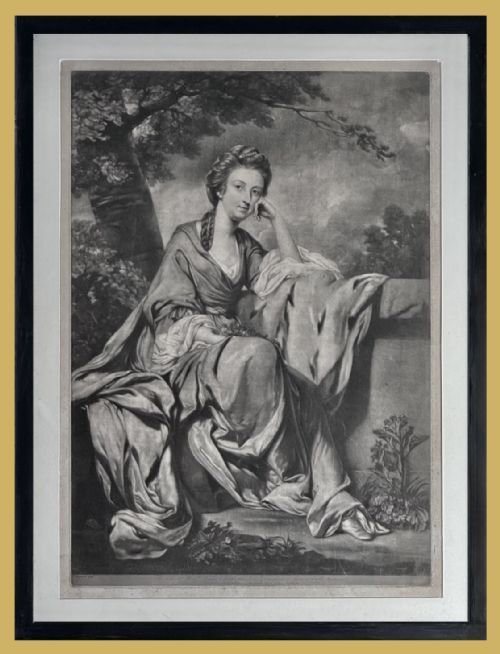
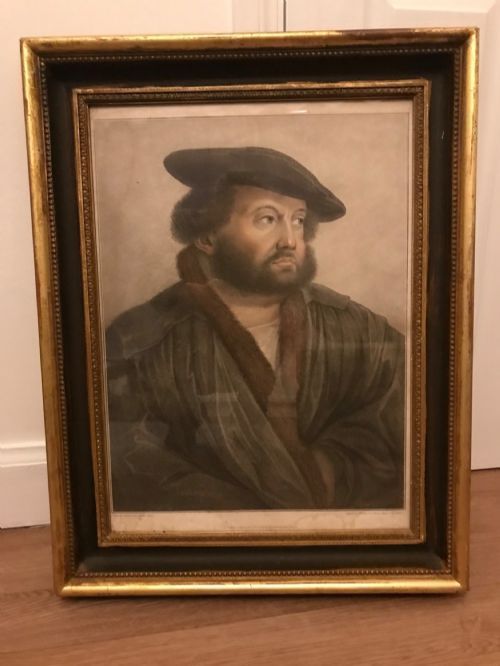
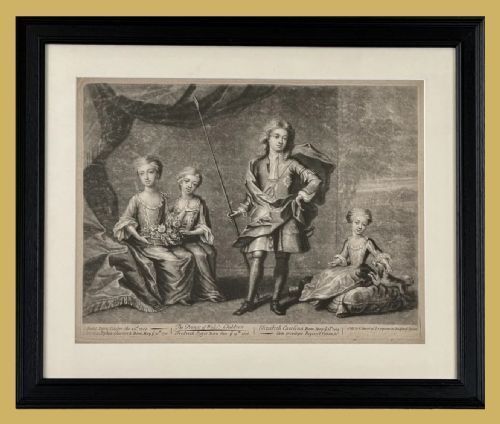
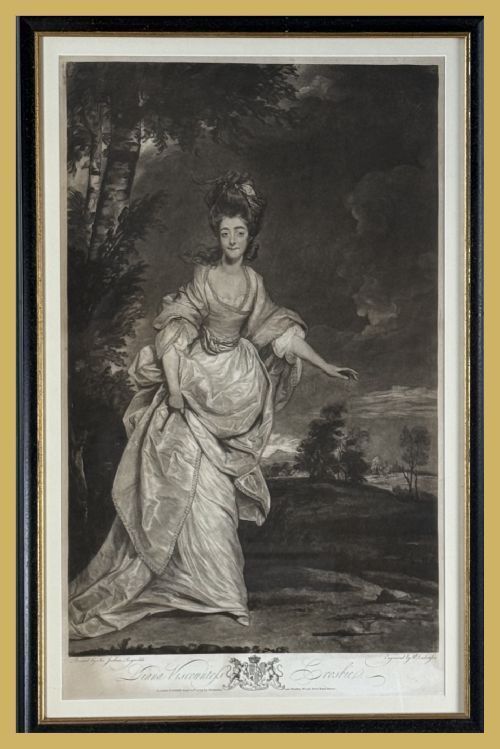
Eighteenth century portraiture comprises oil paintings on canvas depicting specific historical individuals from the Georgian and Baroque eras. Buyers searching for 18th century portraiture encounter works representing subjects ranging from royalty to local professionals.
The pieces on this page include depictions of figures such as King William III, elegant female beauties, and notable men including Reverend Patrick Bennet and Daniel Pring. These works originate from European schools and named painters of the period.
How They Were Made
These works are executed in oil on canvas, utilising traditional painting techniques of the Georgian era. Pigments are applied to woven canvas supports to build up the subject's likeness and costume.
Many of these oil paintings retain their period framing, consisting of gilded timber and giltwood surrounds that complement the canvas works.
Retail Price Guide 2026
Typical UK retail prices for 18th century portraiture, calculated from the Sellingantiques database of over a million retail prices indexed since 2003. This retail price guide relies exclusively on Sellingantiques data; no external sources or auction records are used, so the figures do not describe the wider market.
Daniel Pring served as an under sheriff of Devon while having his likeness recorded for posterity.
What Varies in Quality
Quality in these works rests upon the precision of brushwork and the accuracy of facial rendering by the artist. Attributions to documented painters elevate the standing of a canvas above anonymous European school pieces.
The preservation of the original oil medium and the integrity of the canvas support dictate the visual strength of the portrait. Framing in period gilded timber further influences the overall presentation.
Alan Ramsay·Richard Cosway RA·Francis Alleyne
The 18th Century Portraiture Glossary
- Oil on canvas
- A painting medium where pigments suspended in drying oils are applied to a stretched woven fabric support. This method allows for subtle blending and rich colour depths.
- Giltwood
- Wood carved and coated with a thin layer of gold leaf. It provides ornate framing for many period paintings.
- Georgian
- The period spanning the reigns of the Hanoverian kings from seventeen fourteen to eighteen thirty. Much of the portraiture originates within this era.
- Baroque
- An artistic style characterised by drama, rich detail and deep shadow. It influences the composition of earlier eighteenth century works.
Frequently Asked Questions
What is 18th century portraiture?
Eighteenth century portraiture consists of oil paintings on canvas depicting real people from the Georgian era. These works record the likenesses of monarchs, clergymen, lawyers and private individuals.
Created during the seventeen hundreds, these paintings serve as historical records of dress, status and society. They utilise oil pigments on woven canvas supports.
How do I identify the subject?
Subjects are often identified through inscriptions on the canvas, labels on the reverse, or accompanying documentation detailing the sitter's life. Clerics, lawyers and nobility are frequently named with their dates.
Portraitists sometimes recorded the sitter's profession and title directly within the provenance or historical records attached to the painting.
What frames do they use?
Many of these paintings are housed in period frames made from gilded timber or giltwood. These surrounds reflect the decorative styles of the Georgian and Baroque eras.
Original frames enhance the historical context of the canvas, though framing styles can vary depending on the workshop and region of origin.
Who painted these portraits?
These works are created by named artists of the period, such as Alan Ramsay, Richard Cosway and Francis Alleyne. Other pieces originate from broader European schools without a specific attributed master.
Documented painters often held professional memberships or royal appointments during the eighteenth century.