

Restoration Portrait Painting
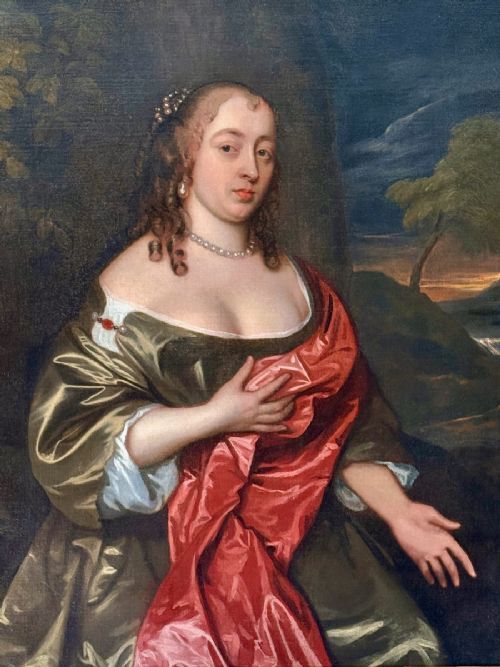
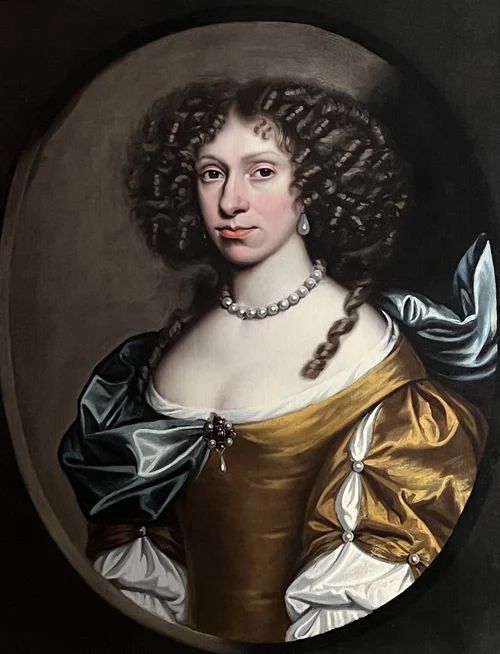
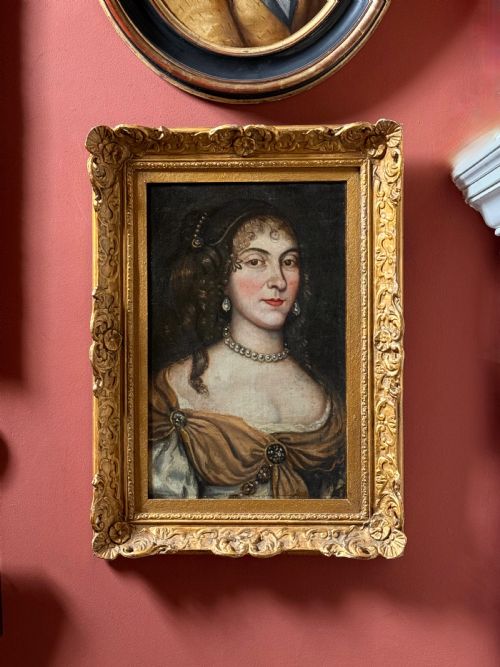
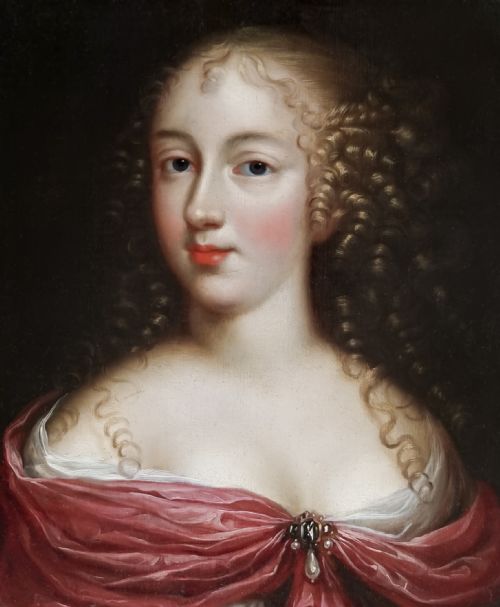
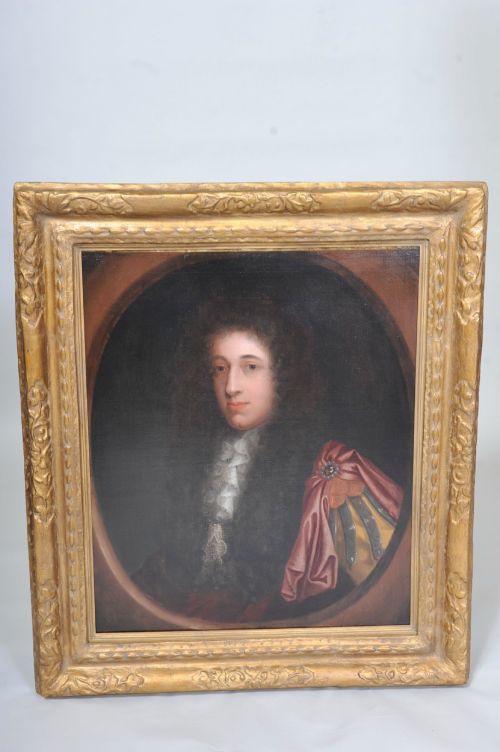
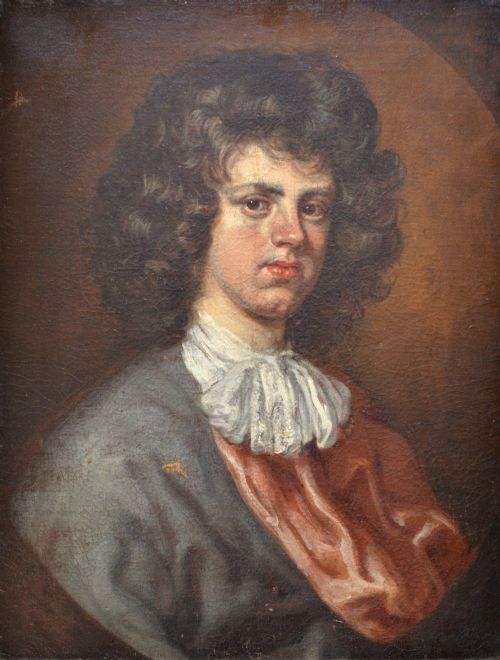
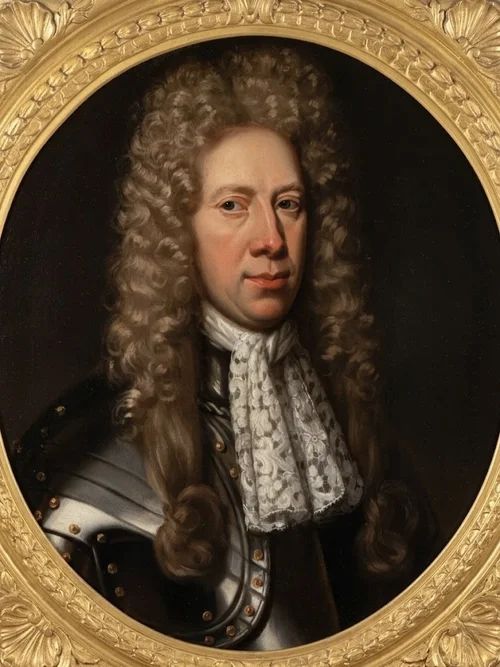
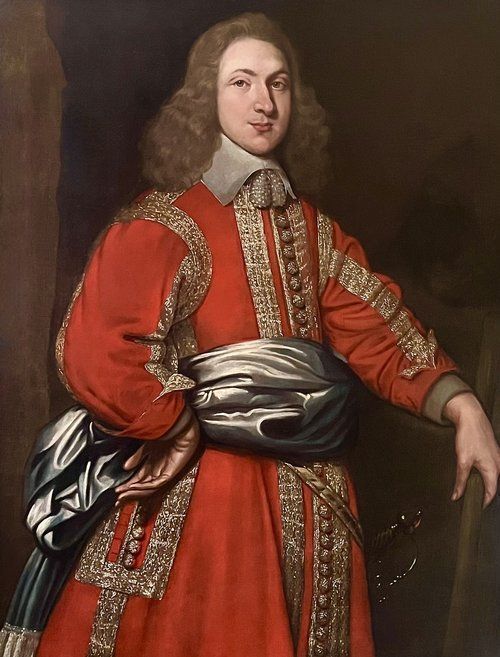
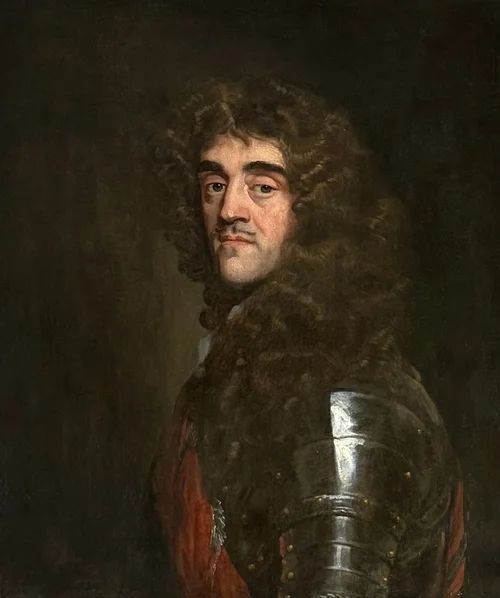
When you look for a restoration portrait painting, you encounter seventeenth-century oil canvases capturing noblemen, ladies, and military officers with Baroque gravity.
Restoration Portrait Painting
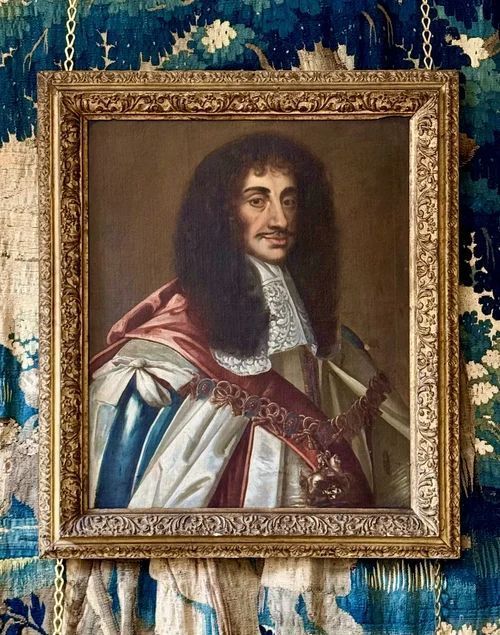
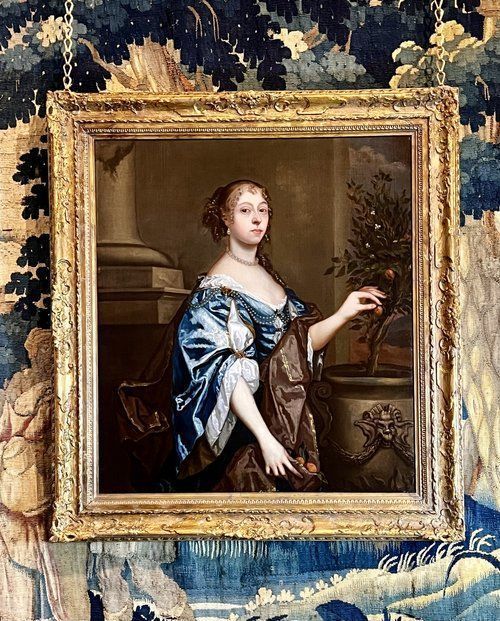
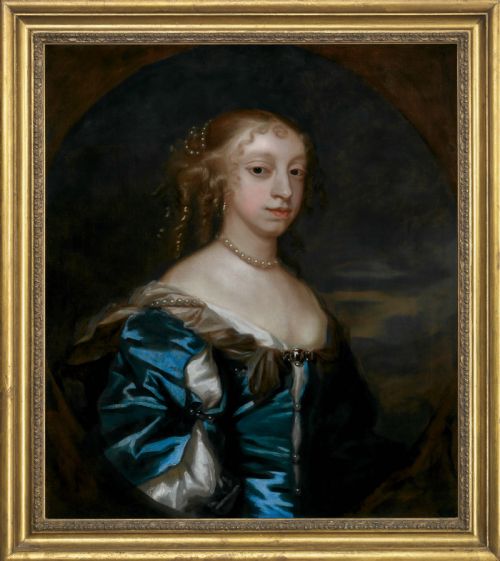
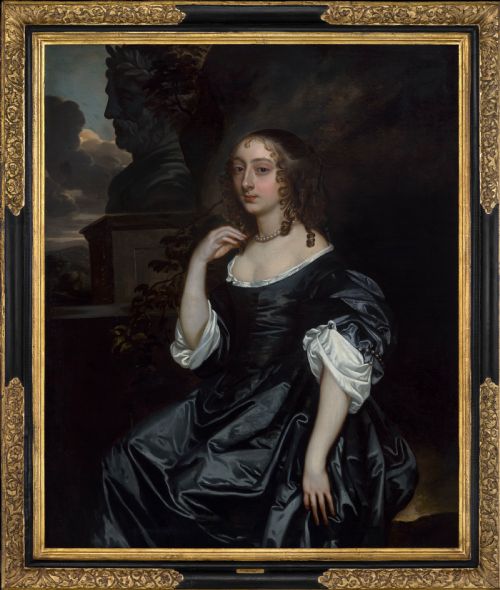
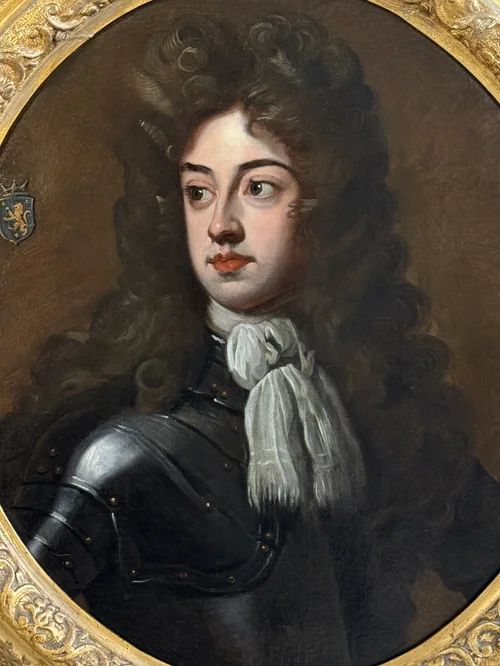
A restoration portrait painting depicts figures from the later seventeenth century, spanning noblewomen in silk gowns, military officers in armour, and clergymen. These works reflect the aesthetic values of the Stuart era and British Baroque styles, often produced by prominent workshops or regional schools active across England and Scotland.
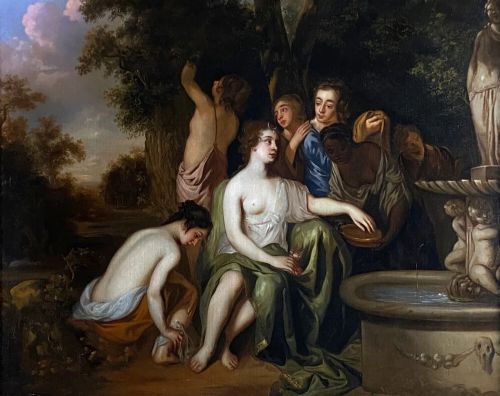
The subjects frequently appear in half-length or bust-length formats, sometimes positioned within extensive landscapes or garden terraces. You will encounter canvases linked to notable circles, such as those inspired by Sir Peter Lely or Mary Beale, capturing the distinct dress and social standing of the period.
Materials and Technique
Artists of this era painted primarily in oil paint upon woven canvas supports, occasionally utilising oil on panel for specific commissions. The application of rich oil pigments allowed for deep drapery folds in garments like blue silk gowns and red satin sleeves.
Finished works were typically housed within wooden frames embellished with gold leaf and giltwood finishes. These frames were designed to complement the Baroque grandeur of the portrait within.
Listings feature seventeenth-century oil paintings on canvas and panel, encompassing British Baroque styles and Anglo-Dutch school works.
Distinctions in Quality
The distinction between a prime studio output and a provincial copy lies in the rendering of facial expression, hand anatomy, and fabric texture. Master hands achieved subtle luminosity in flesh tones and convincing folds in heavy drapery.
Compositional confidence also separates tiers of work, with principal artists demonstrating superior command of perspective, background landscape detail, and the psychological presence of the sitter.
JOHN HAYLS·DAVID SCOUGALL·SIR PETER LELY·MARY BEALE·SIR GODFREY KNELLER·JOHN MICHAEL WRIGHT
The Restoration Portrait Painting Glossary
- Baroque
- A stylistic period of the seventeenth century characterised by drama, rich colour, and grand scale. This aesthetic influenced the theatrical poses and sumptuous fabrics seen in period portraits.
- Canvas
- A heavy woven fabric stretched across a wooden stretcher to serve as a painting support. Oil on canvas represents the primary medium for these historical portraits.
- Giltwood
- Wood carved and then covered with a thin layer of gold leaf or metallic powder. Frames made in this manner frequently accompany seventeenth-century paintings.
- Studio
- The working workshop of a master artist where assistants and pupils contributed to the production of commissions. Studio pieces often reflect the direct influence of a major painter's hand.
Restoration Portrait Painting: Frequently Asked Questions
How should I hang a seventeenth-century oil portrait?
Position the painting away from direct sunlight and fluctuating heat sources to protect the delicate oil pigments and canvas support.
Ensure the wall can adequately support the weight of the canvas and its original or period-style giltwood frame.
What do the costumes indicate about the sitter?
Elaborate dress, such as silk gowns, satin sleeves, and military armour, denotes the high social status, wealth, or profession of the individual.
Specific garments and accessories help historians date the painting within the broader seventeenth-century timeframe.
Are these portraits signed by the artists?
Signatures on works from this era are uncommon, as many pieces were produced within active workshops or attributed later based on stylistic evidence.
Inscriptions naming the sitter or providing a date often appear directly on the canvas or within historical records.
How do I identify the circle of a major painter?
Attributions to a master's circle rely on comparisons of brushwork, facial typology, and compositional arrangement seen in documented primary works.
Studio assistants and followers closely emulated the distinctive techniques established by leading portraitists of the Stuart court.