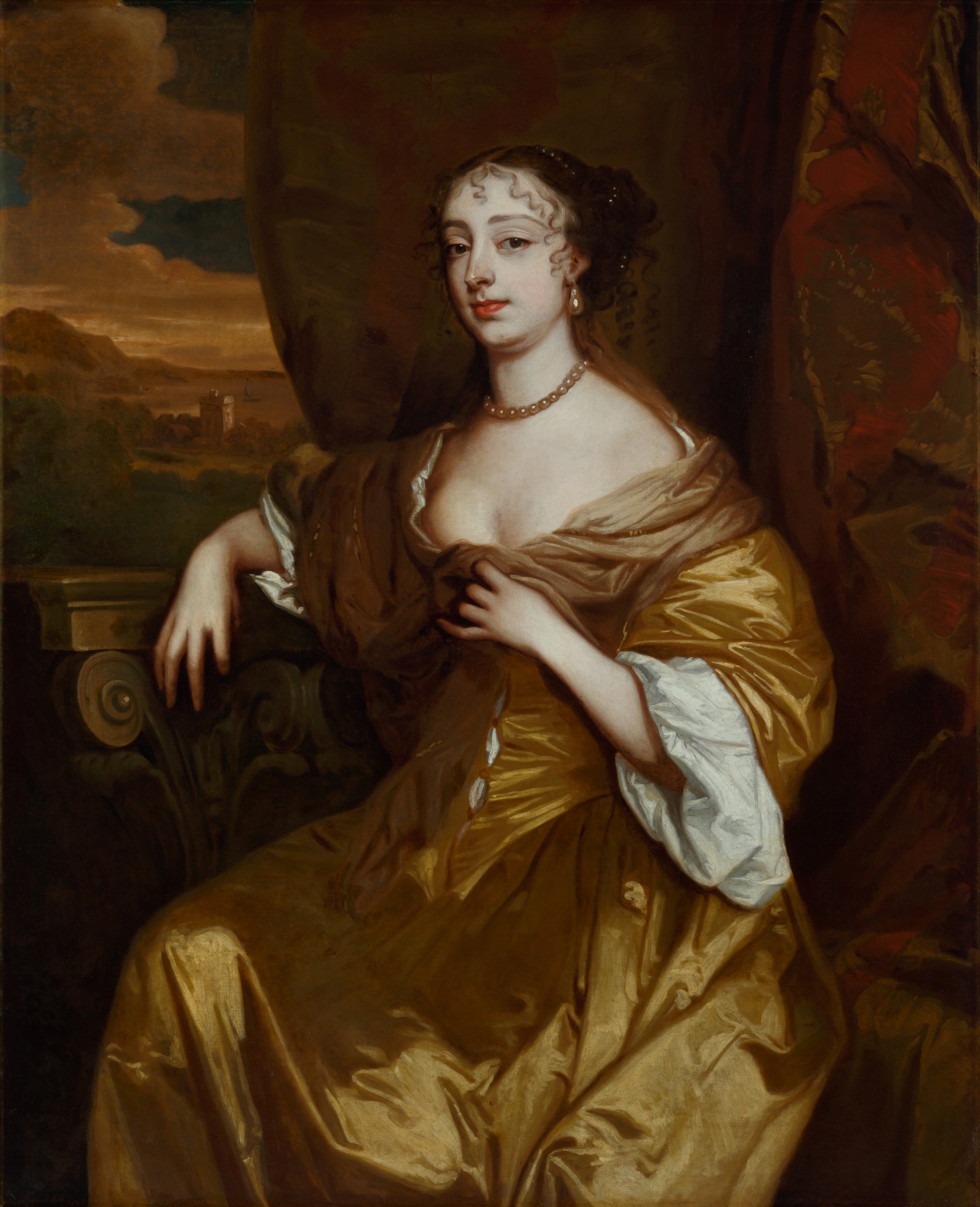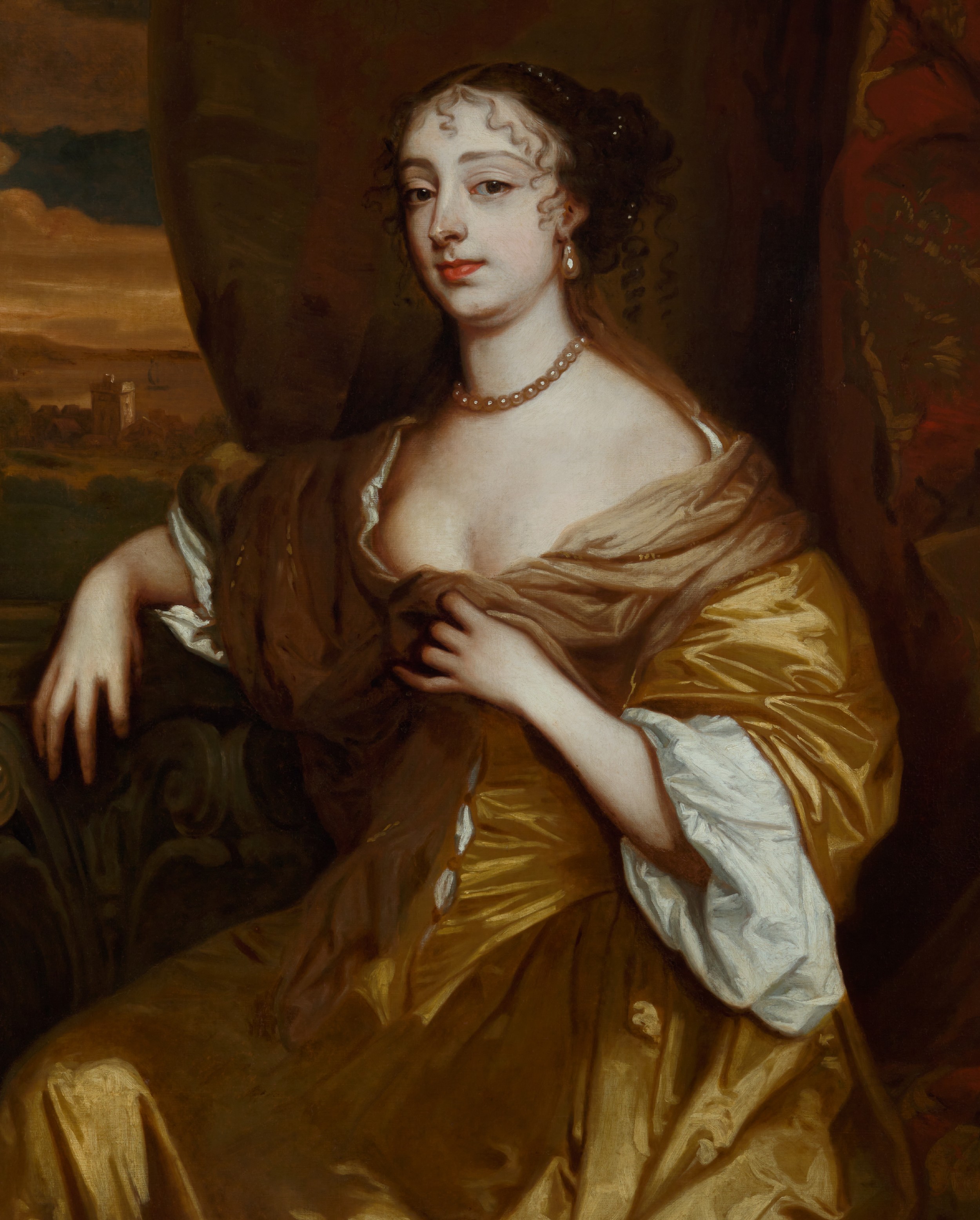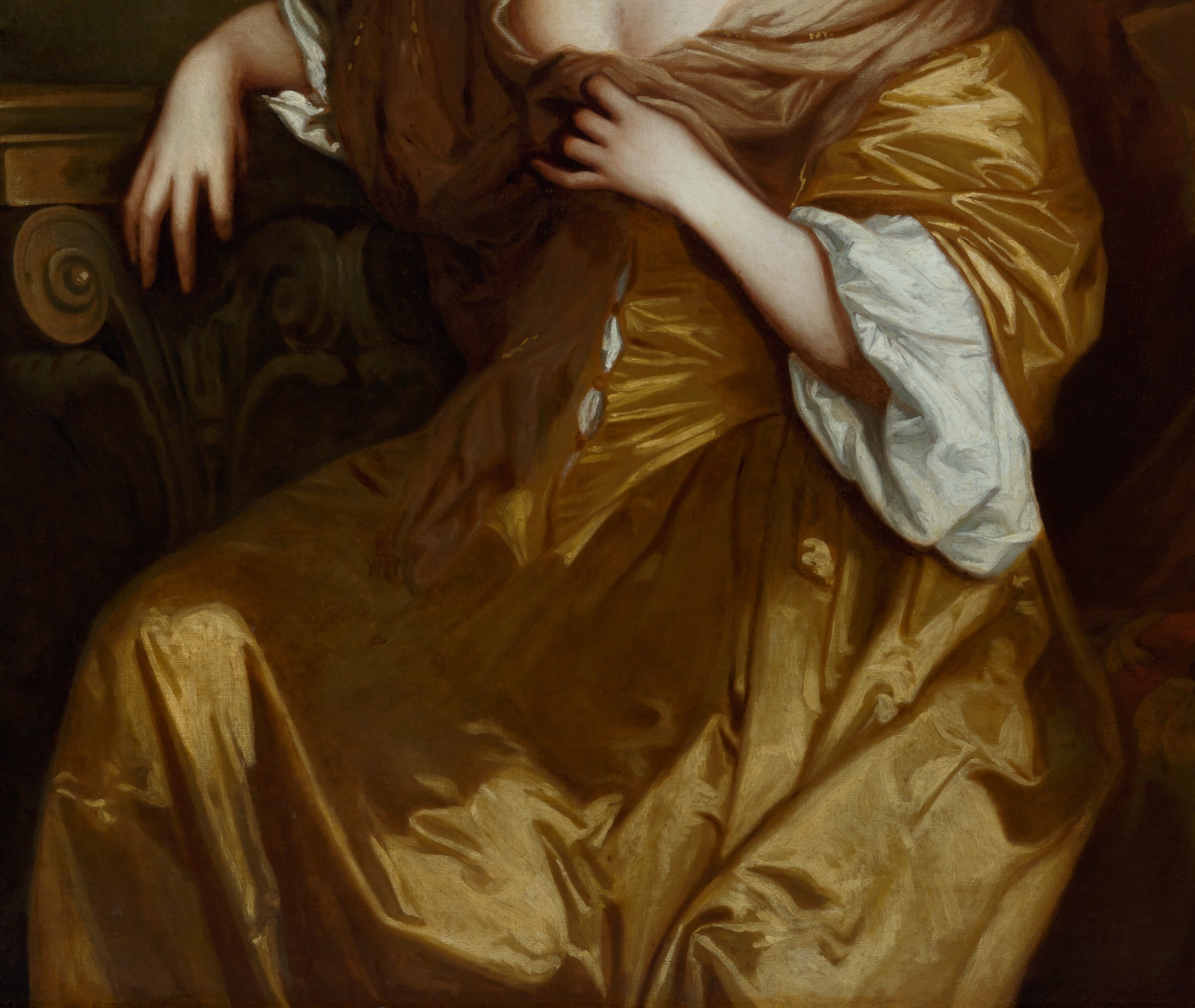
Titan Fine Art has dated this 17th Century Portrait Painting to the 17th Century.
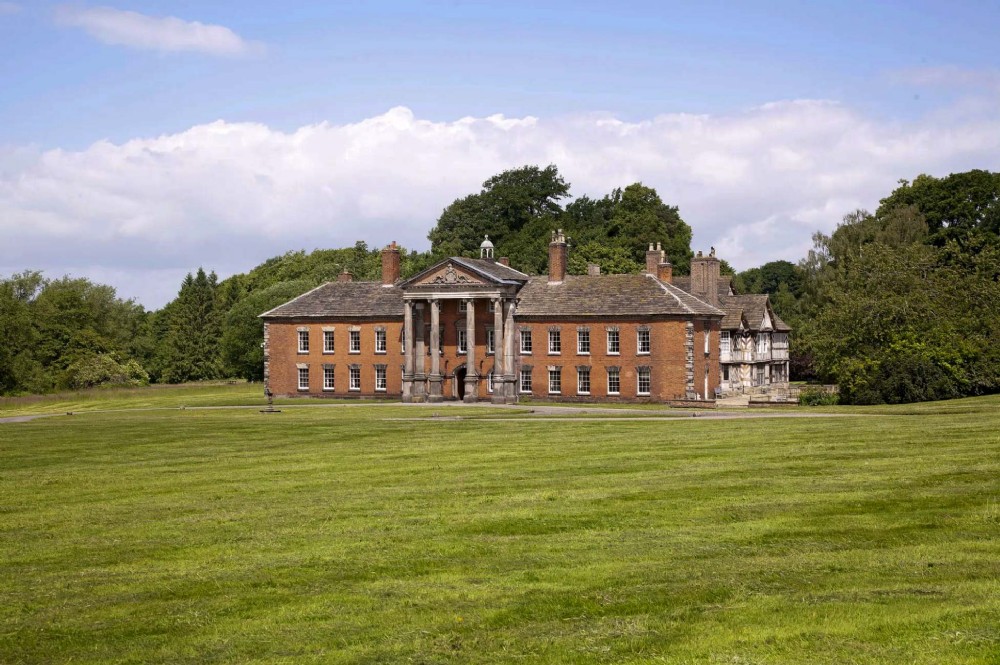
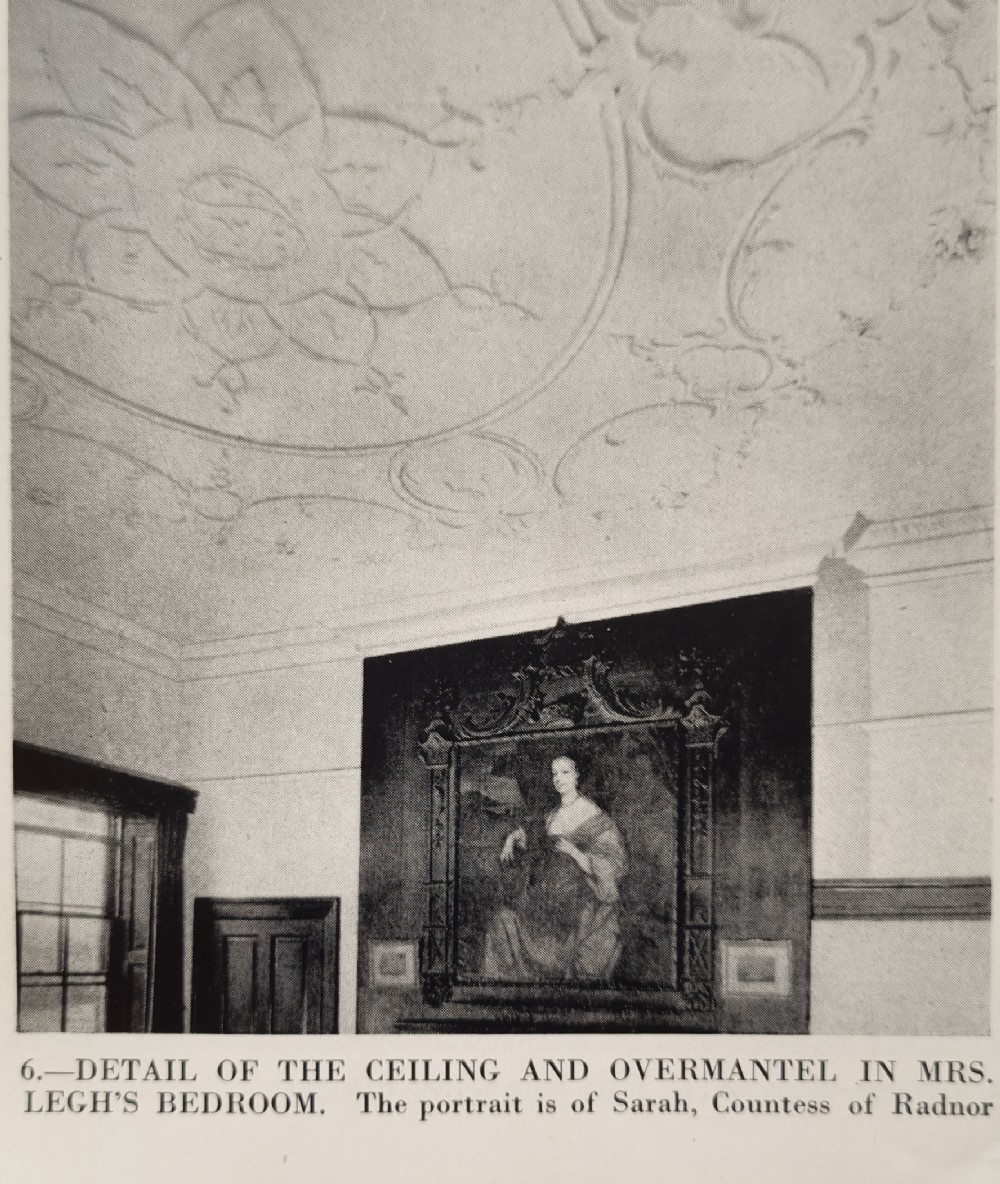
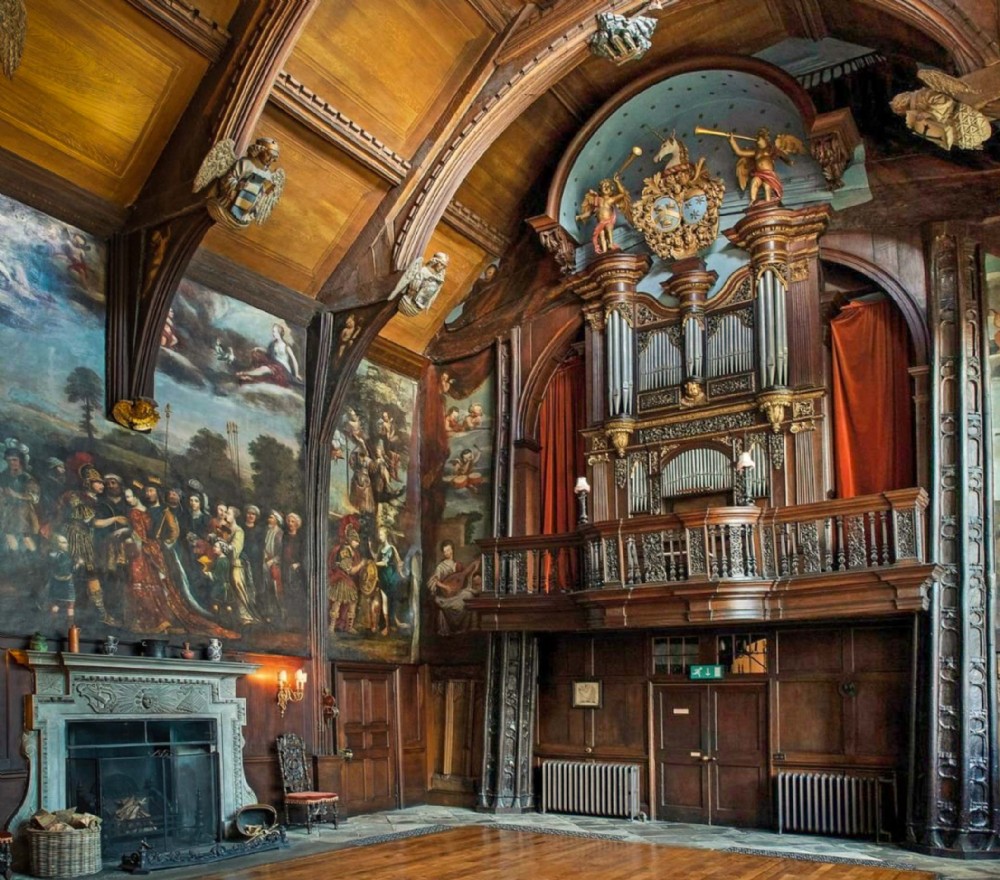
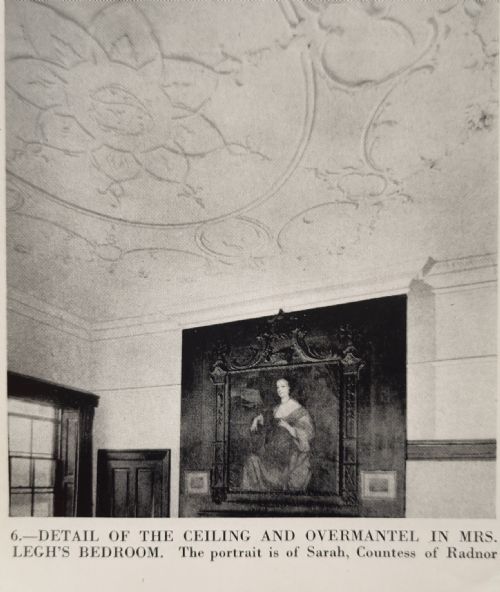
Remarkably, it was photographed hanging above the chimneypiece in Mrs Legh’s bedroom and reproduced there in Country Life in 1952. Sarah’s daughter Lady Isabella Robartes married John Legh of Adlington in 1693, providing the probable route by which this and other Robartes family portraits entered the Legh collection. If it descended through Isabella at this date, the portrait remained with Sarah’s descendants at Adlington for more than three centuries.
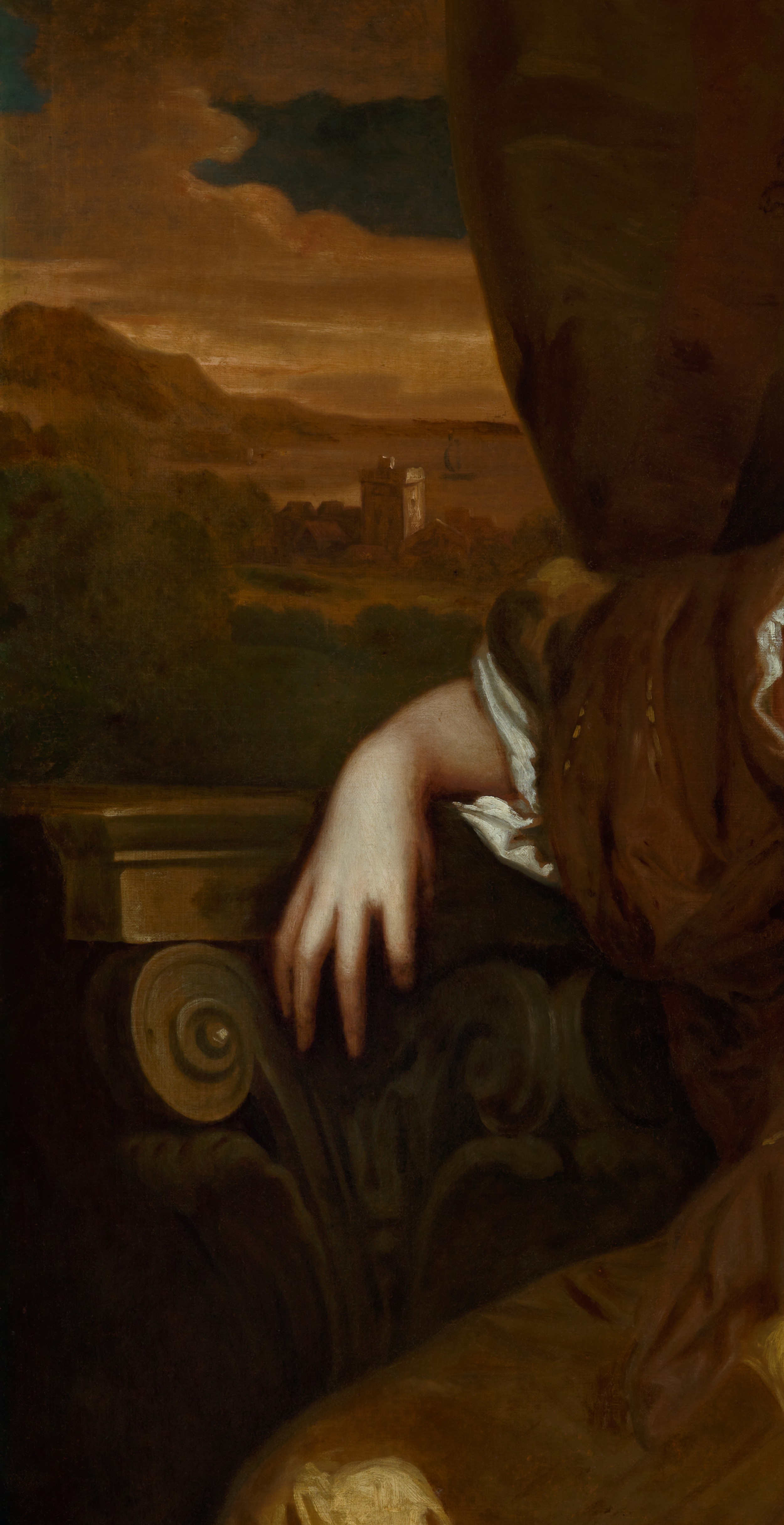
Beyond her is an intriguing waterside landscape: a sailing vessel, substantial buildings dominated by a square tower and distant hills. Although the location cannot presently be identified and may be an idealised landscape, it is tempting to wonder whether it was intended to evoke Sarah’s origins in the dramatic coastal landscape of Caernarfonshire and the Llyn Peninsula, where the Bodvile family possessed extensive estates.
Sarah’s serene appearance disguises an extraordinary life. Her father, Colonel John Bodvile, was a Royalist during the Civil War, while her mother, Anne Russell, was a committed Puritan. Their marriage became so divided that in 1646 Anne petitioned concerning the removal of their children from their father’s care. Sarah therefore grew up in a household in which the political and religious divisions of the Civil War were effectively being played out within her own family.
In 1657 her mother arranged Sarah’s marriage to Robert Robartes, son of the powerful Parliamentarian John Robartes of Lanhydrock, later 1st Earl of Radnor, without her father’s consent. Following John Bodvile’s death, Sarah became embroiled in a bitter dispute over her substantial Welsh inheritance. The affair reached Parliament and, on 3 May 1664, Samuel Pepys spent some five hours in the House of Lords listening to the case.
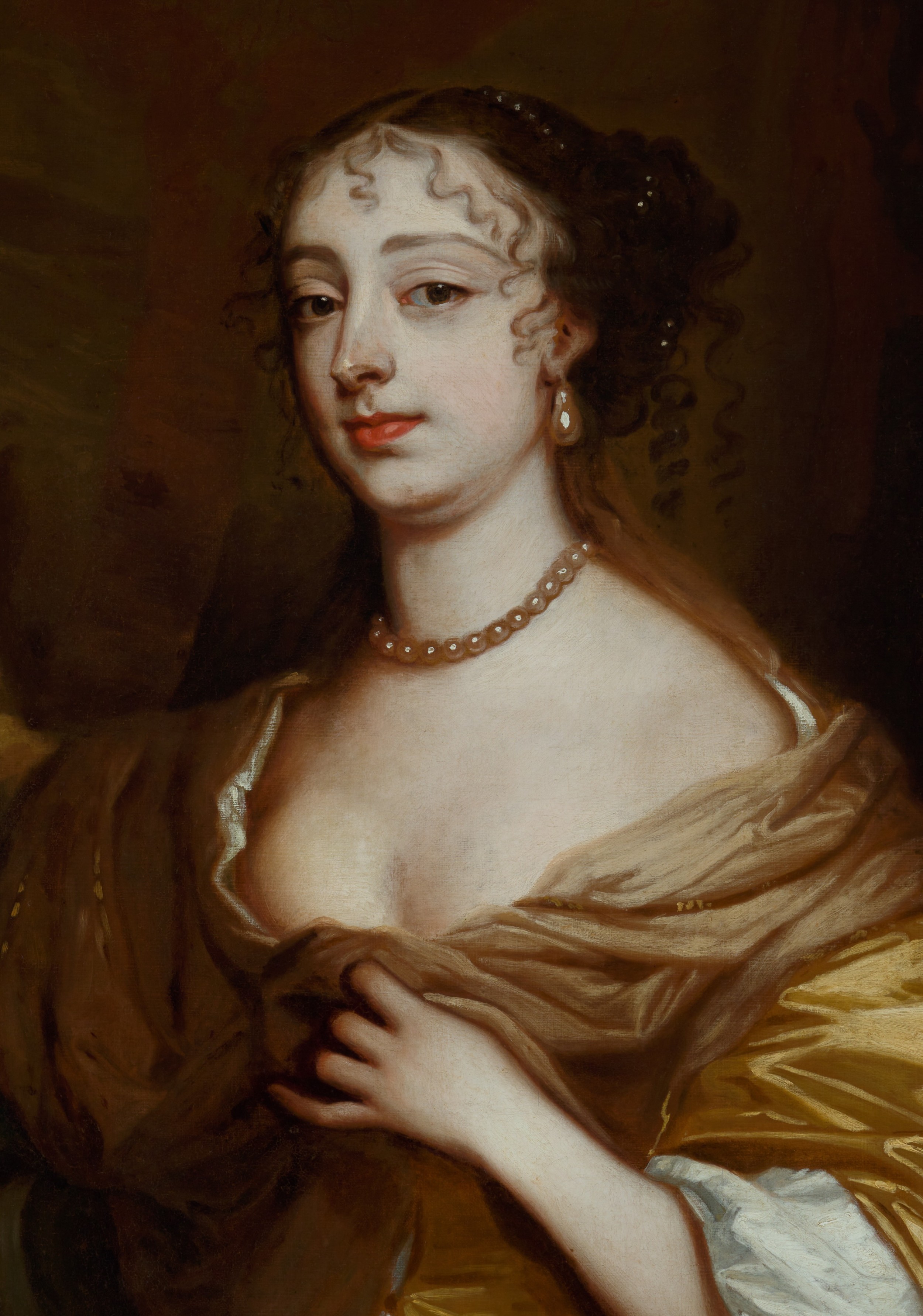
Pepys later met Sarah herself. On 27 April 1668 he encountered her at Lord Crew’s house in London and recorded his immediate impression of her as “the great beauty, and a fine lady indeed.” It is exceptional to possess such vivid contemporary testimony concerning the appearance of a seventeenth-century portrait sitter.
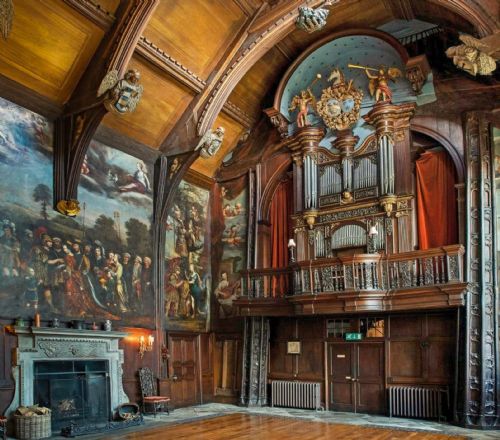
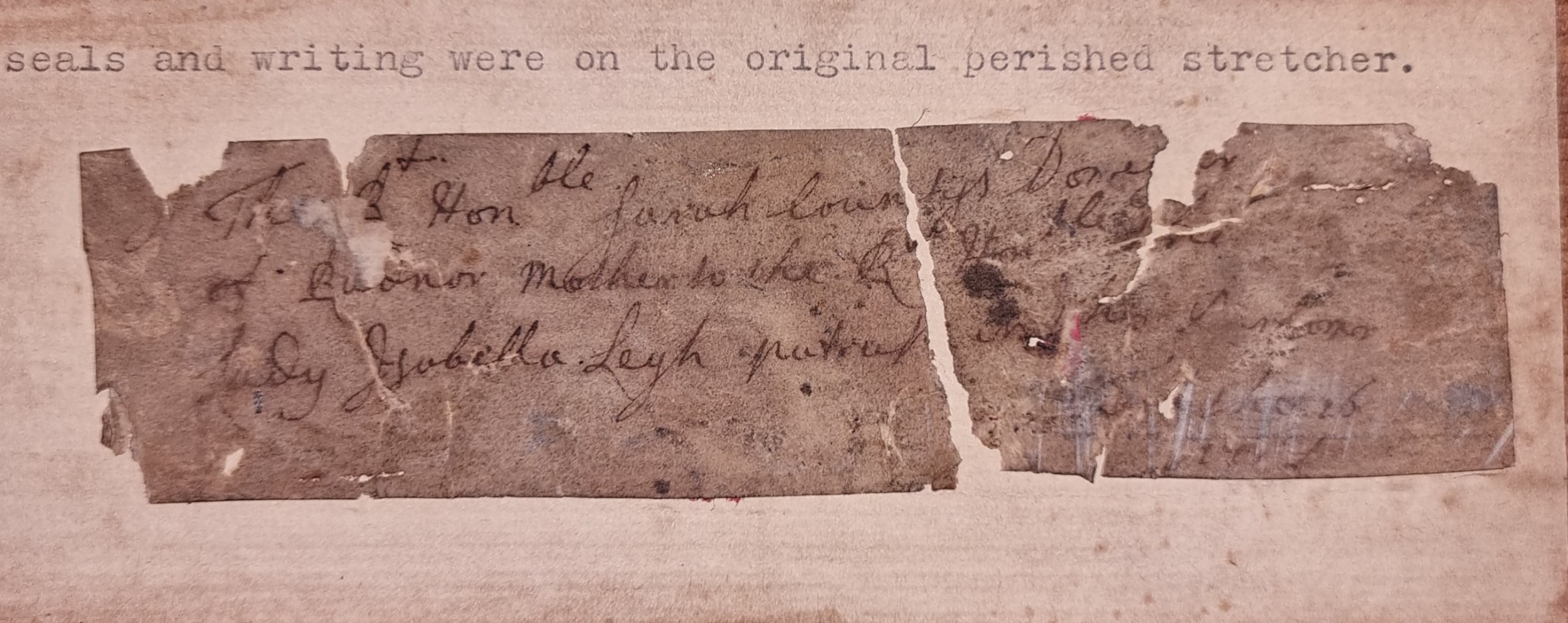
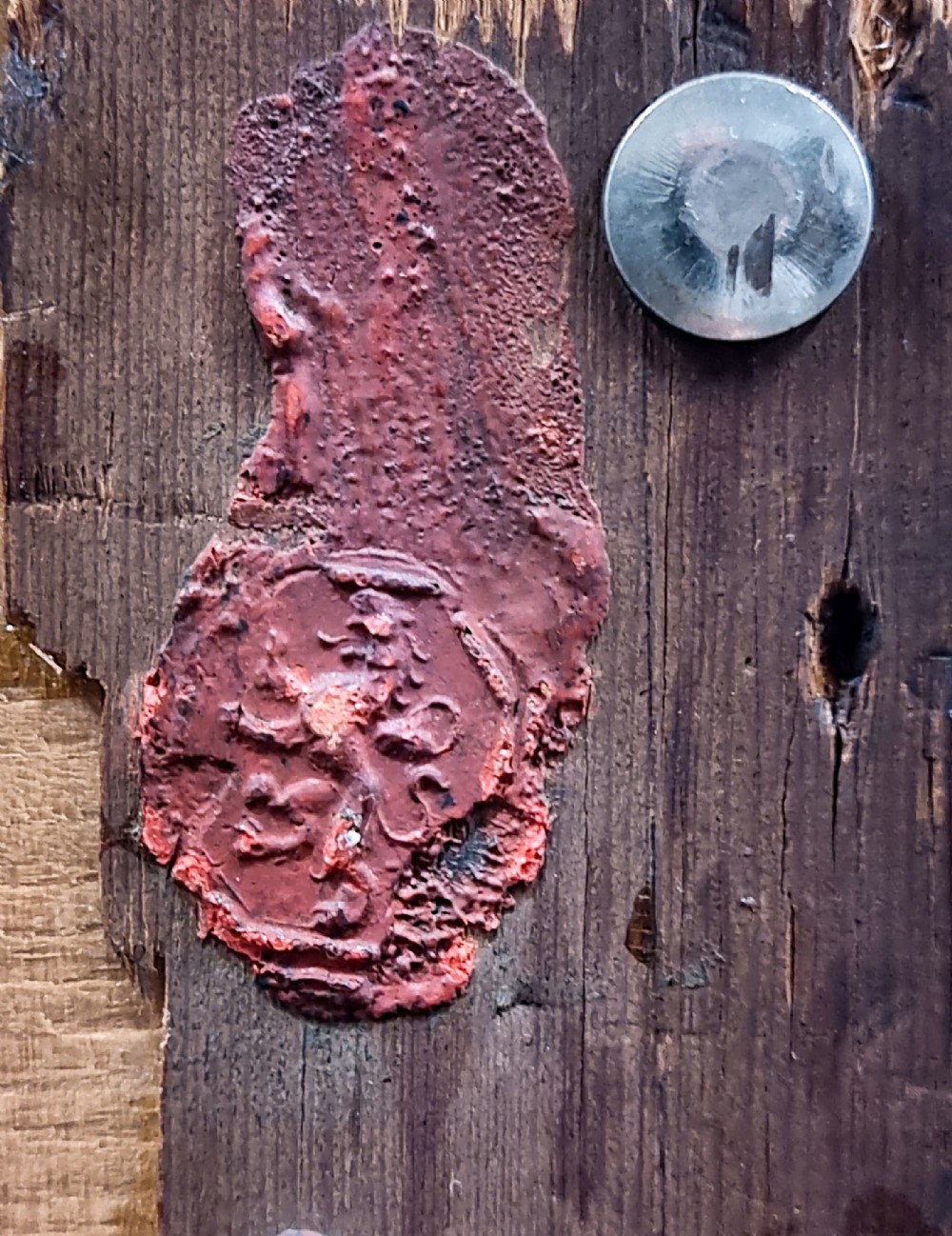
Robert Robartes died in 1682 before succeeding his father and therefore never became Earl of Radnor. Sarah was consequently not Countess of Radnor when this portrait was painted. After the 1st Earl’s death in 1685, however, Sarah and her daughters were granted the rank and precedence they would have enjoyed had Robert lived to inherit the earldom. This explains the historic identification on the reverse, “SARAH COUNTESS OF RADNOR”: it records the later status by which Sarah became known rather than her rank at the time of the portrait.
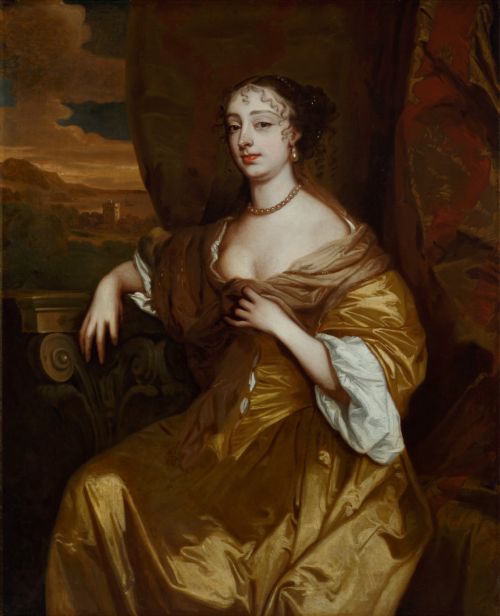
Another version of the composition survives at Lanhydrock, while a second was formerly at Adlington - the present work was subsequently regarded as the probable prime version; the attribution adopted here to the Studio of Sir Peter Lely is deliberately conservative.
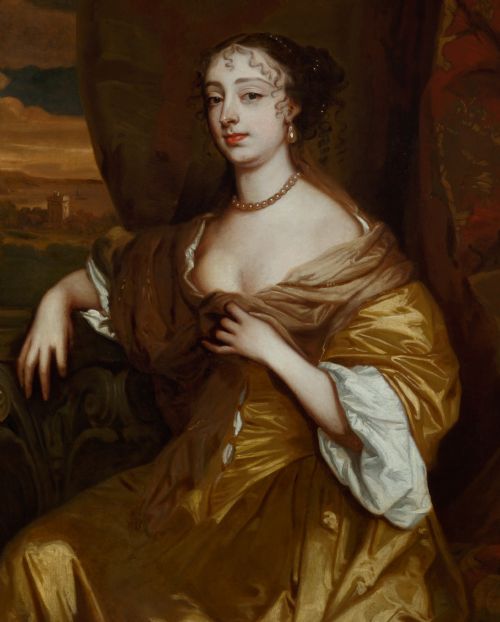
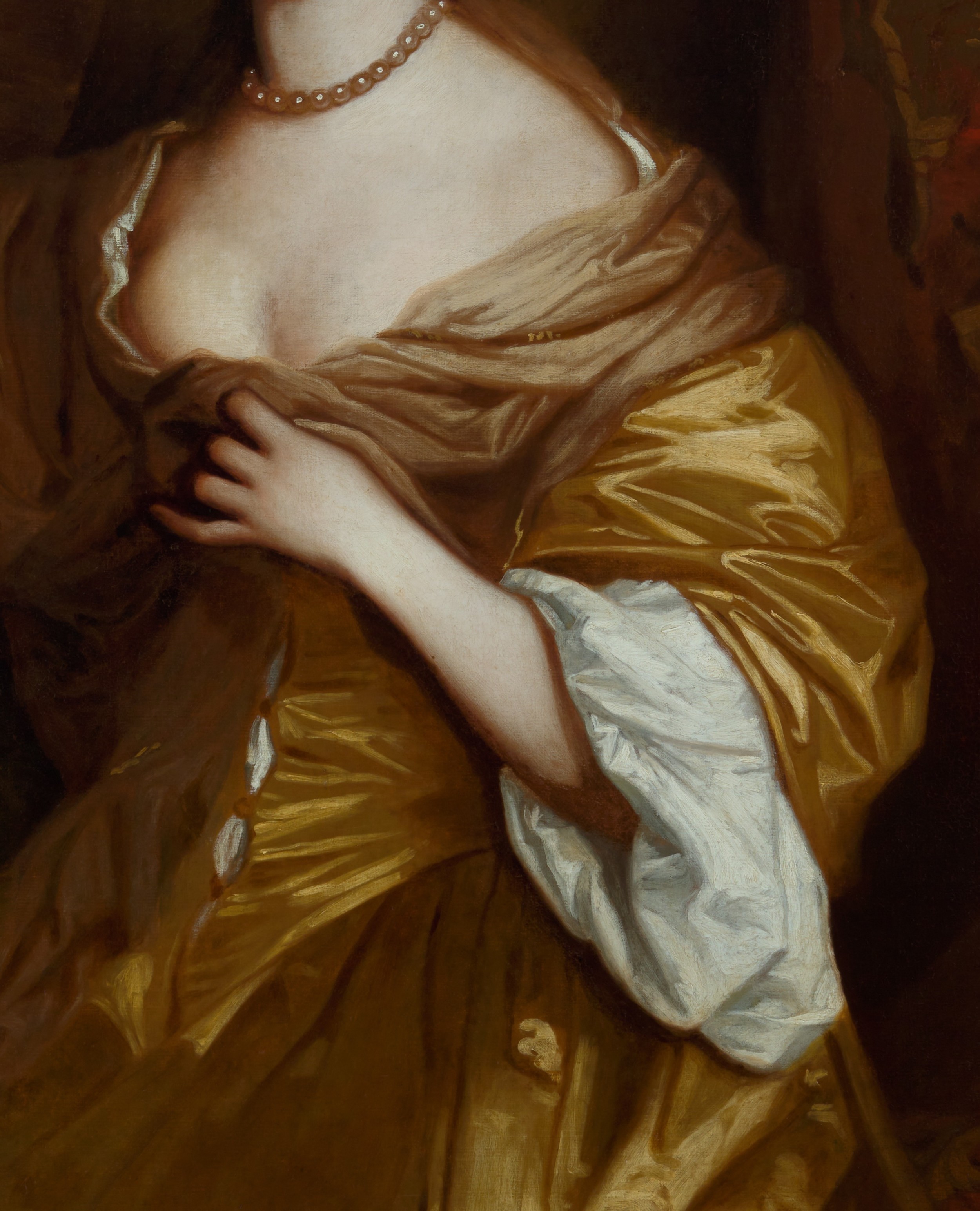
This is therefore considerably more than an attractive Restoration portrait: it combines an identified sitter praised personally by Samuel Pepys, a remarkable life story, association with Lely’s studio, probable descent through Sarah’s own daughter, centuries of Adlington Hall provenance, published photographic documentation in situ, an evocative landscape, excellent condition and a spectacular coronet frame.
Full description at: www.titanfineart.com
Titan Fine Art has dated this 17th Century Portrait Painting to the 17th Century.
Specialist in 17th & 18thc portraits. Highly curated selection, museum-level research & pro conservation. Exceptional art, expertly vetted.
You can view the stock and full dealer information on the Titan Fine Art Profile Page
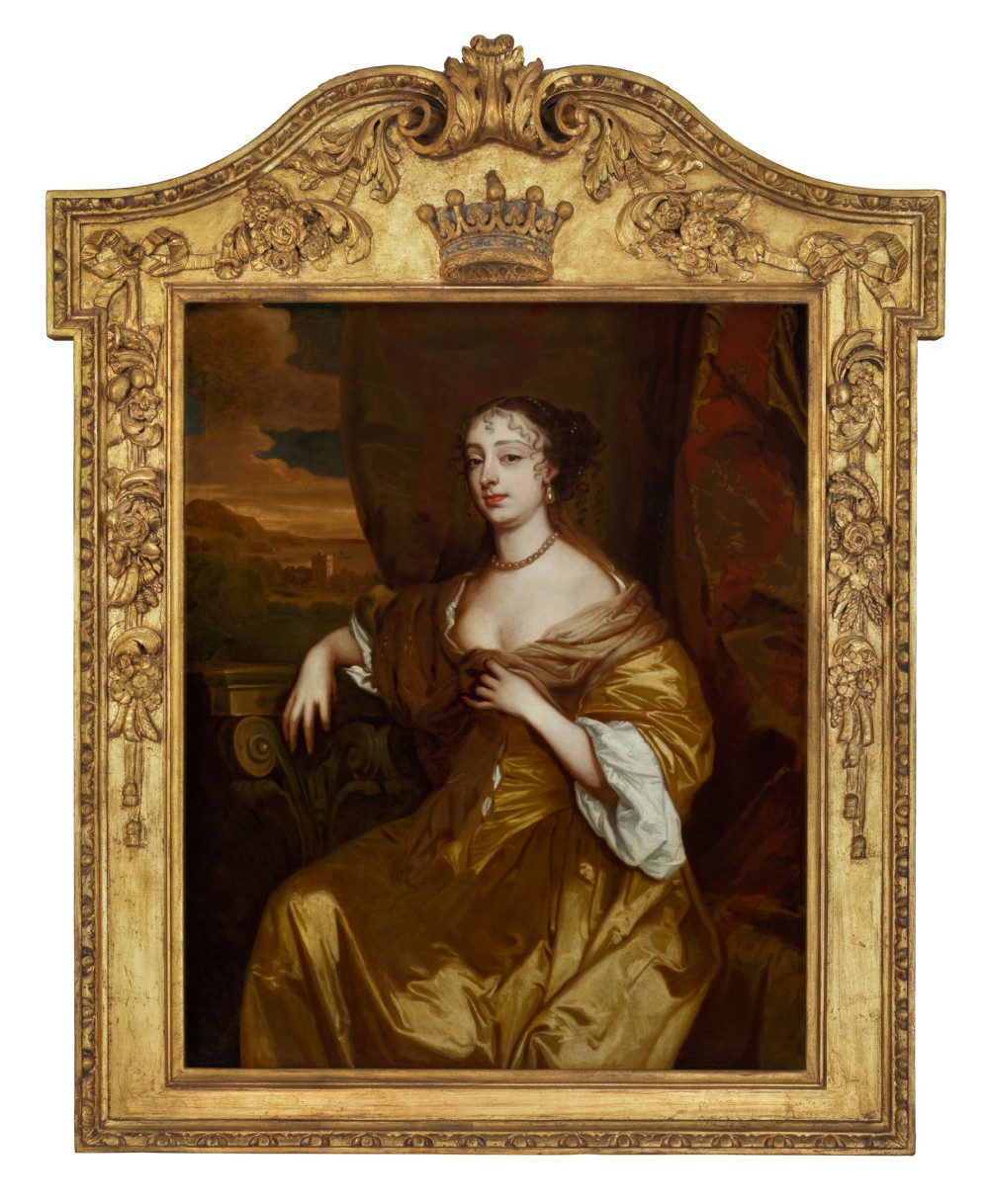
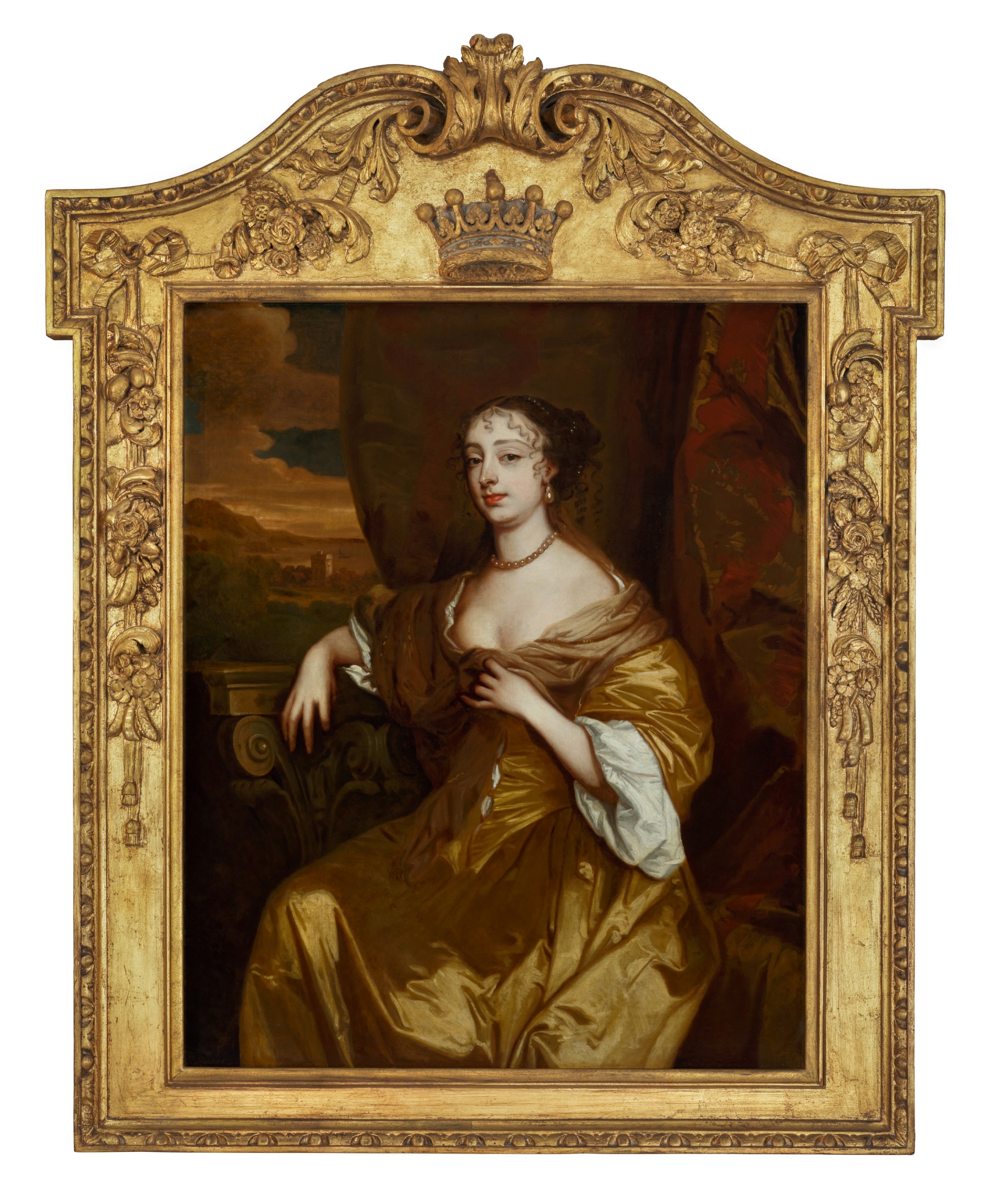
Portrait of Sarah Bodvile, Later Countess of Radnor C.1660; Studio of Sir Peter Lely. Adlington Hall Provenance and Superb Coronet Frame, Oil on Canvas Painting