
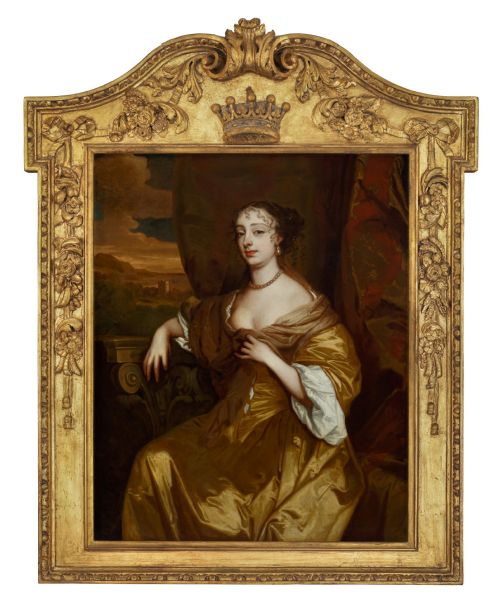
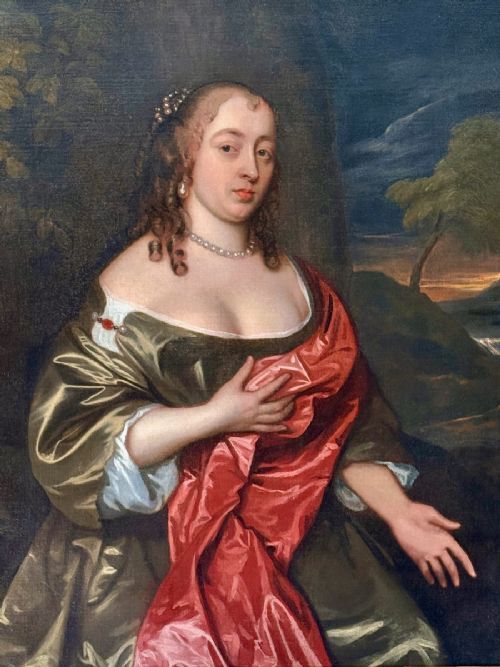

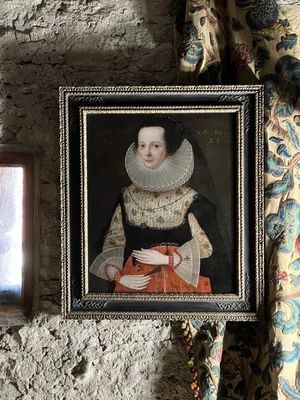
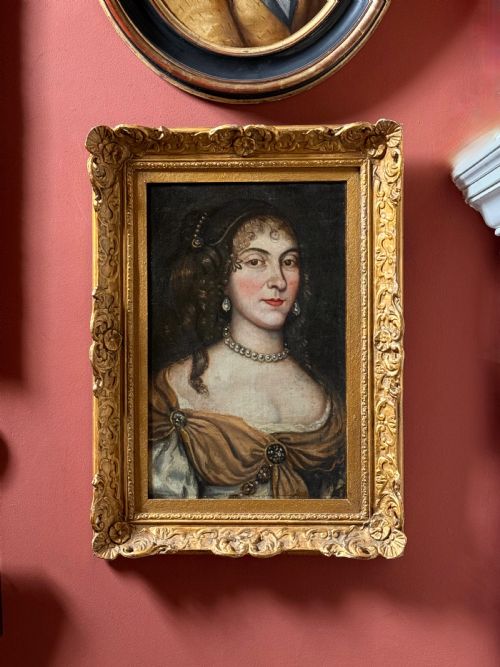
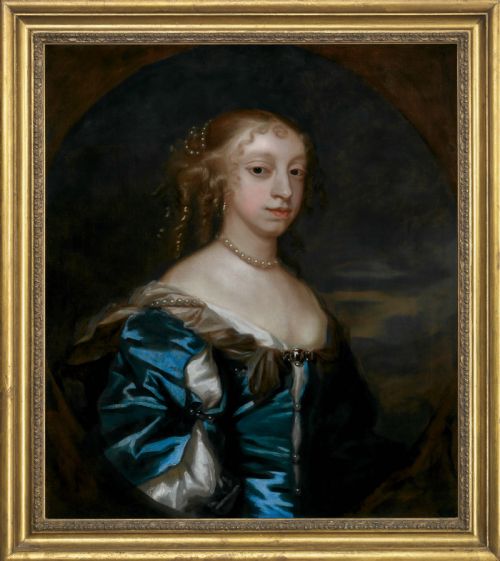

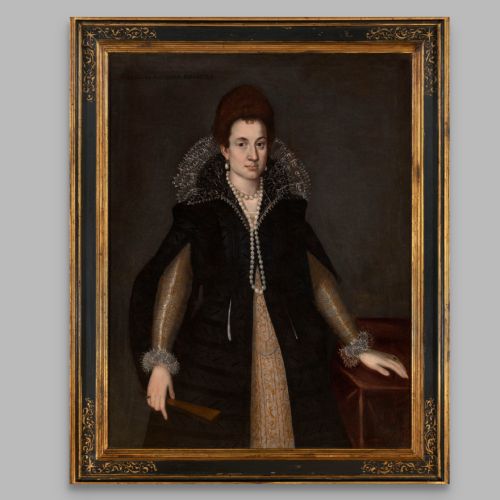
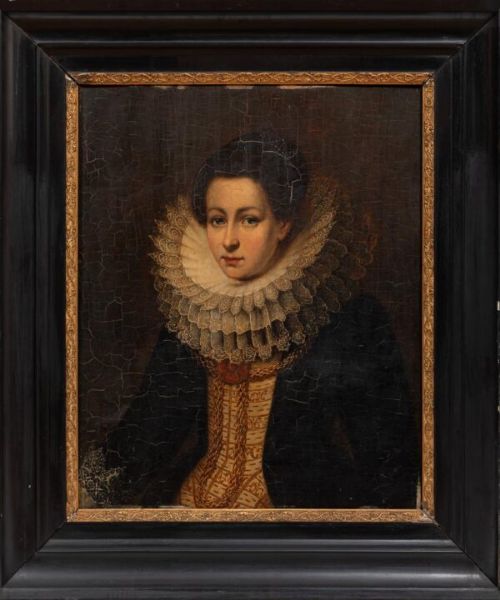


Noblewoman Oil Portrait
A noblewoman oil portrait captures high status and detailed historical costume, offering a direct window into past centuries through canvas and pigment.
Noblewoman Oil Portrait
A noblewoman oil portrait represents aristocratic female subjects rendered in fine art oil paintings across several centuries. These works frequently depict subjects adorned in elaborate historical attire such as intricate ruff collars and ermine-trimmed cloaks.
The selections available span from the late 16th century Italian Renaissance through the Stuart, Jacobean, Baroque, and Dutch Golden Age periods up to the 18th century. English and Dutch schools feature prominently among these historical fine art paintings.
Most examples encountered on this page originate from the seventeenth century, capturing sitters with distinct regional styles and aristocratic provenance.
What varies in quality
Condition of the original canvas and the preservation of the underlying oil paint layer influence the visual impact of each piece. Intricate details in costume, such as ruffs and lace, demonstrate the painter's skill and precision.
Several noblewomen gaze outward wearing ruff collars so vast and intricate they must have required careful posture to navigate a doorway.
John Hayls·Pietro Fachetti·Sir Anthony Van Dyck·John Greenhill·Sir Godfrey Kneller·Charles Jervas
The Noblewoman Oil Portrait Glossary
- Baroque
- A European artistic style originating in the 17th century characterised by drama, deep colour and grand movement. It emphasises rich detail to evoke emotional intensity.
- Ruff
- A voluminous pleated collar worn in the 16th and 17th centuries. This stiffened fabric accessory indicates high social standing in portraits.
- Ermine
- The white winter fur of the stoat used historically to trim royal and noble garments. Its presence in a painting signals the sitter's aristocratic rank.
- Provenance
- The chronological history of the ownership of a work of art. It establishes authenticity and traces the path of the painting through time.
- Old Master
- A term for a European painter of skill who worked before about 1800. These artists established foundational techniques in oil painting.
Noblewoman Oil Portrait: Frequently Asked Questions
How do I date a portrait?
Examine the style of the clothing, particularly collars, sleeves, and headdresses, which changed rapidly across decades. Hairdos and the cut of gowns often provide the clearest chronological clues.
Compare the painting technique and canvas preparation with documented works from specific periods like the Stuart or Dutch Golden Age. Inscriptions or labels on the reverse can also offer dates.
Where should I hang a portrait?
Select a wall with stable humidity away from direct sunlight to protect the aged oil paint and canvas. Placing the piece at eye level in a principal room echoes historic domestic display.
Ensure the surrounding interior allows the gilt wood frame to complement rather than compete with existing furnishings. Adequate lighting enhances the depth of dark backgrounds typical of early oil paintings.
What is an English school painting?
An English school attribution indicates a work produced within England following prevailing domestic artistic traditions rather than continental imports. These pieces often reflect the specific tastes of the British aristocracy.
Many such portraits record local nobility and landed gentry using techniques passed down through domestic workshops and studios.
How do I care for old canvas?
Dust the surface gently with a soft, dry brush without applying pressure to the paint layer. Avoid using water or cleaning solutions on aged oils.
Keep the room temperature moderate to prevent the wooden stretcher and canvas from expanding and contracting. Professional conservation is recommended for any structural repairs or cleaning.