




19th Century Dog Portrait
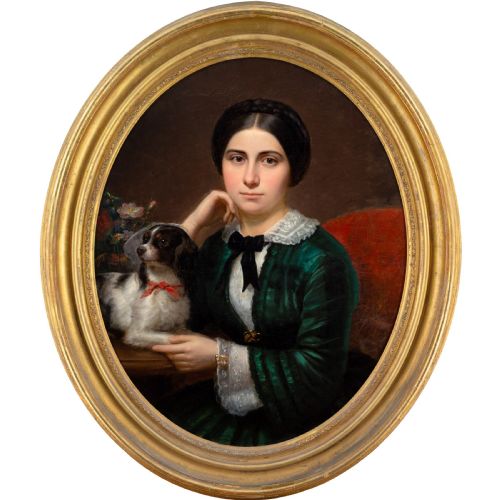
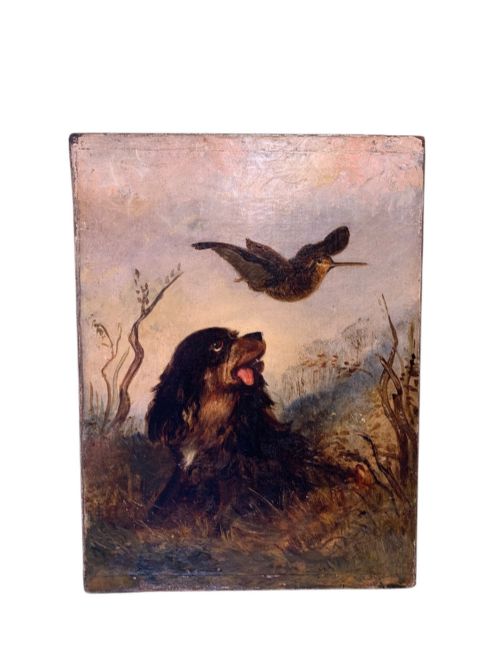
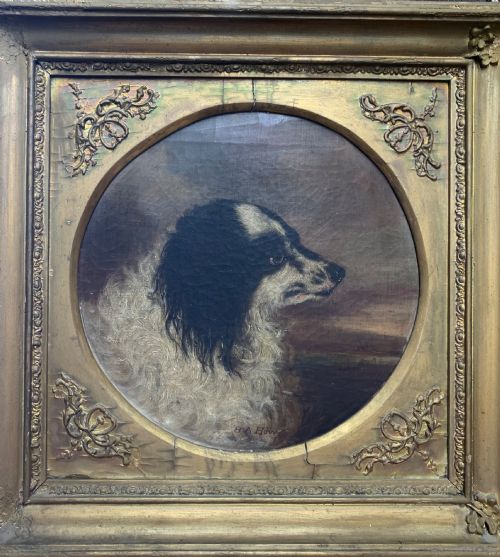
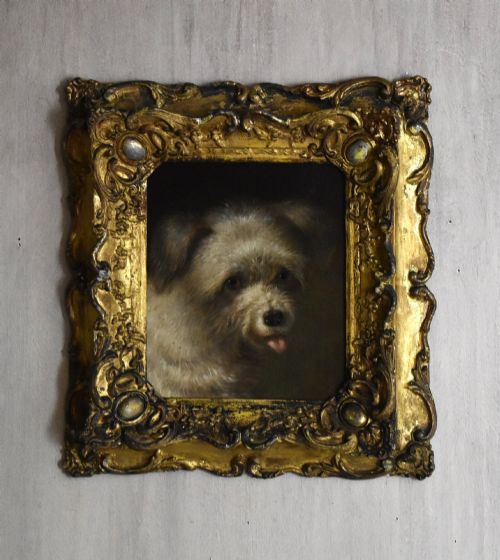
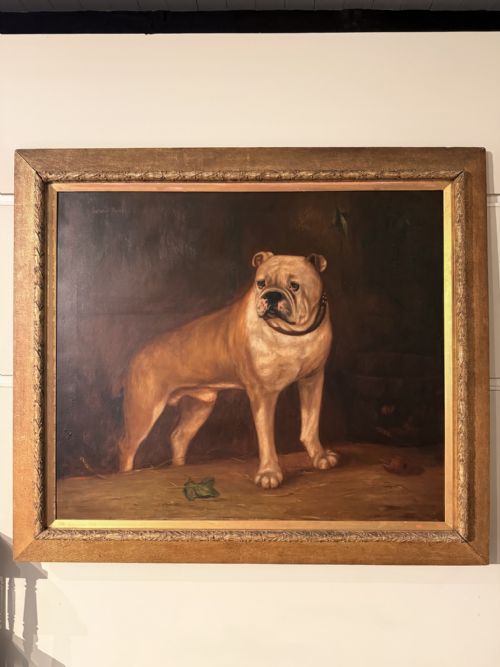
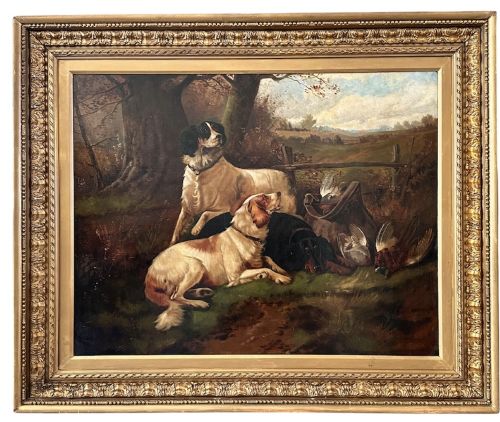
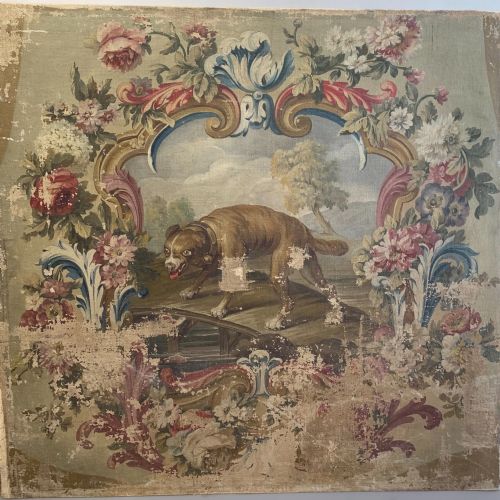
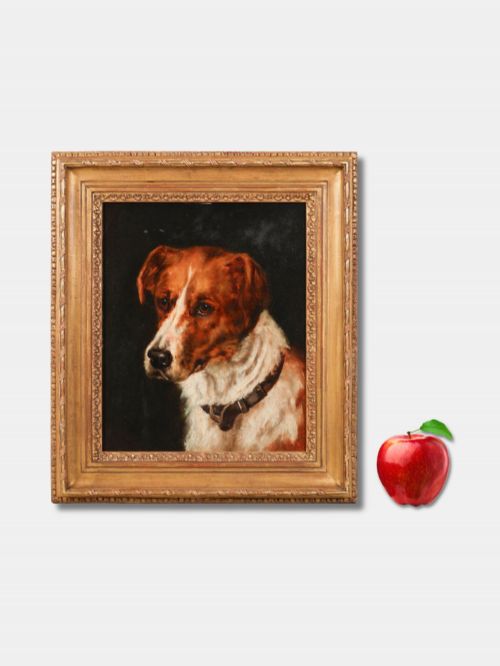
A 19th century dog portrait captures the personality and presence of valued animals through oil paint, canvas, and framed textile work from the Regency and Victorian eras.
19th Century Dog Portrait
When searching for a 19th century dog portrait, a buyer encounters painted and needleworked depictions of hounds, gun dogs, terriers, and spaniels rendered during the Victorian and Regency periods.
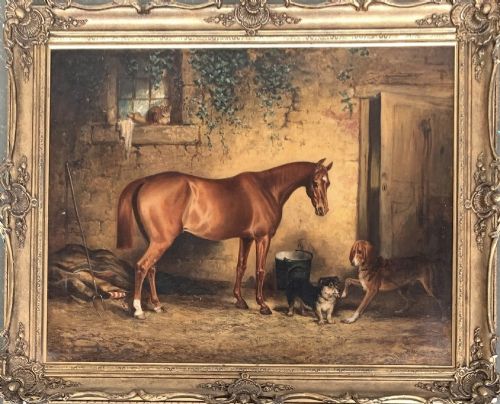
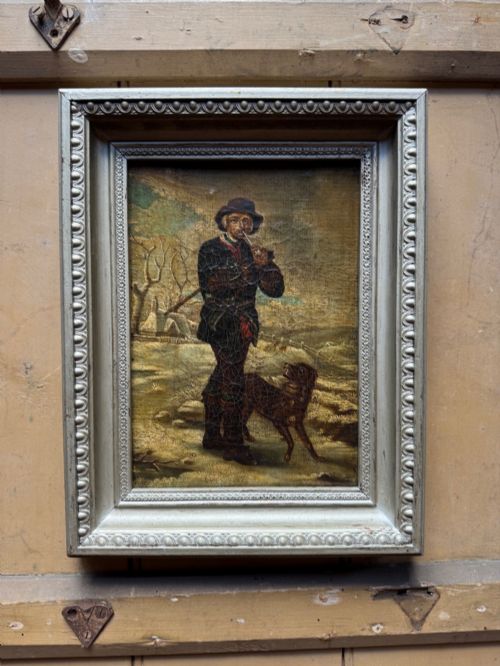
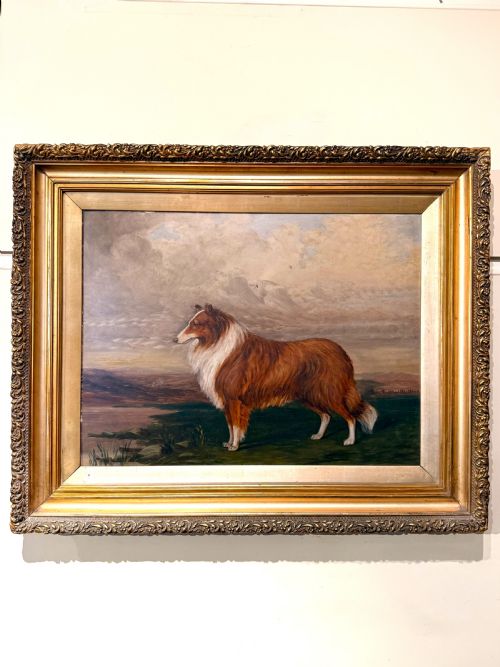
The most common versions met on this page are oil paintings on canvas or board, created within Victorian fine art and sporting art traditions.
These works range from intimate studies of individual animals in landscapes to folk art pieces and detailed renderings after established artists like Sir Edwin Landseer.
How They Were Made
Artists utilised oil paint applied to canvas, wood panels, or artist palettes, often pairing the mediums with original giltwood and burr maple frames.
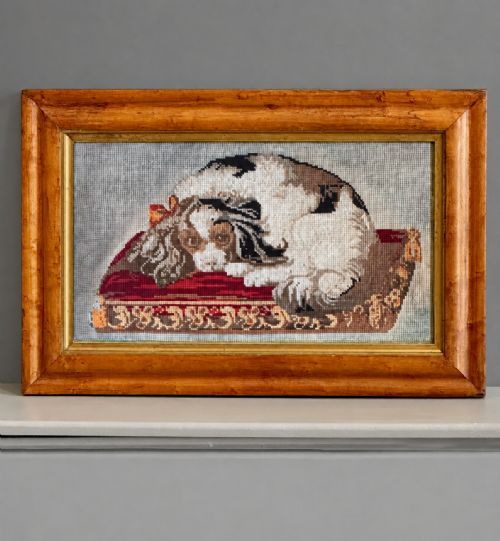
Alternative techniques recorded in the evidence include cut paper silhouettes, watercolour, and Berlin work needlework.
19th Century Dog Portrait Retail Price Guide 2026
Typical asking prices for 19th century dog portrait among the pieces listed under this phrase on Sellingantiques today, from the lower quarter to the upper quarter. They describe what is for sale here now, not the wider market.
Listings feature works spanning the 1800s to 1900, including Regency and Victorian periods executed in oil, canvas, paper, and gold leaf.
What Varies in Quality
The distinction between ordinary and exceptional works rests on the artist's command of anatomy, expression, and the integration of the animal within its landscape setting.
Condition of the canvas, original framing, and the clarity of provenance associated with known Victorian and Regency painters elevate certain examples above provincial or naive pieces.
Henry Barraud·William James Hubard·Valentine T Garland·Martin Theodore Ward·John Sargent Noble·C R Breytle·John Emms·John Frederick Herring Senior·Thomas Hicks·George E Sharpe·Sir Edwin Landseer·Colin Graeme Roe·Samuel Raven·John Trivett Nettleship·Fannie Moody·Edwin Frederic Holt·John Alfred Wheeler·Robert Cleminson·James Clark·Henry Bernard Chalon
The 19th Century Dog Portrait Glossary
- Regency
- An English stylistic period spanning the early 19th century, known for refined elegance before the Victorian era. Pieces from this time often display distinct classical influences.
- Berlin work
- A type of coloured wool needlework popular in the 19th century, frequently charted on squared paper. These textile pieces are often found in period wooden frames.
- Giltwood
- Wood carved and coated with gold leaf or metallic paint, commonly used for framing fine art. Original giltwood frames complement the tone of 19th-century canvases.
- Sporting art
- Depictions of hunting, dogs, horses, and rural pursuits that gained immense popularity during the Victorian period. These works document specific breeds and field sports of the time.
- Naive art
- Characterised by a childlike perspective and lack of formal academic training, often seen in folk art portraits. Such pieces offer charm through directness rather than strict anatomical accuracy.
19th Century Dog Portrait: Frequently Asked Questions
What dog breeds appear most often?
Spaniels, collies, pointers, setters, terriers, and hounds dominate the available canvases, reflecting the popularity of sporting and working dogs during the 19th century.
Artists frequently recorded specific animals owned by gentry or depicted archetypal gun dogs in rural landscapes.
Are these works signed by the artists?
Many pieces carry signatures or attributions to recorded 19th-century painters, while others remain anonymous provincial or folk art creations.
Attributions rely on stylistic comparisons to known sporting artists and period documentation.
How should these portraits be framed?
Many pieces retain their original giltwood, burr maple, or decorative period frames which complement the age of the canvas.
Preserving original framing maintains the historical integrity of the artwork.
Can I find works on materials other than canvas?
While oil on canvas and board are most prevalent, the selection includes cut paper silhouettes, watercolours, and needlework panels.
These varied formats demonstrate the wide range of visual media utilised by 19th-century makers.