




Vintage Landscape Art
Vintage landscape art brings the fields, rivers, and coastlines of past centuries straight onto your walls through original paintings and drawings.
Vintage Landscape Art
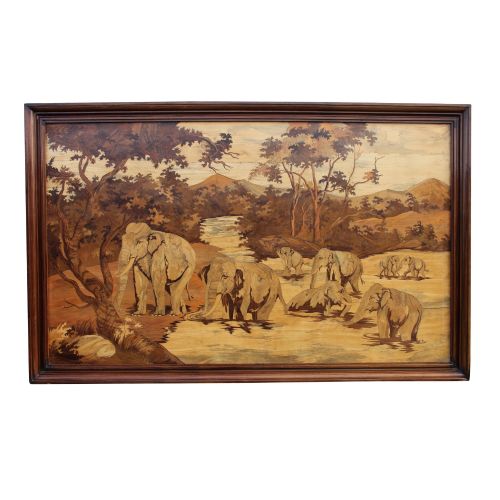
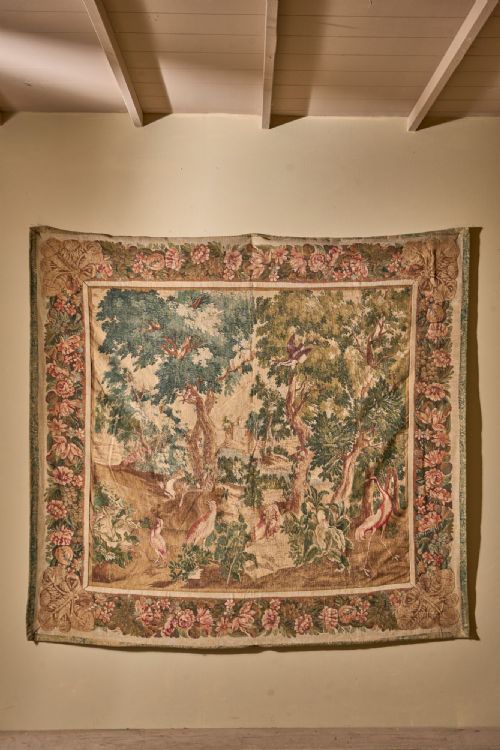
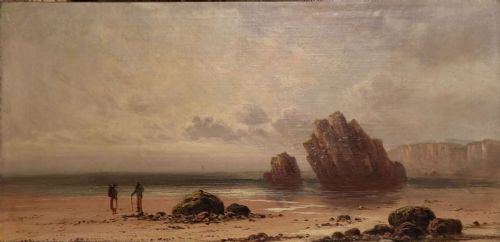
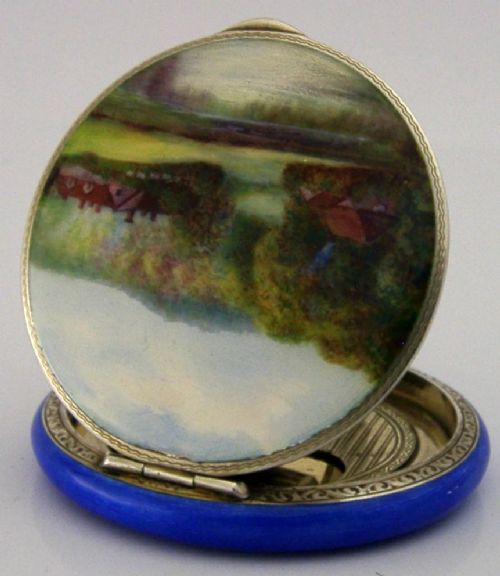
When you search for vintage landscape art, you find original works capturing natural scenery, rural valleys, and coastal views from various periods. The pieces on this page span from the late nineteenth century through the mid twentieth century, reflecting shifting artistic movements.
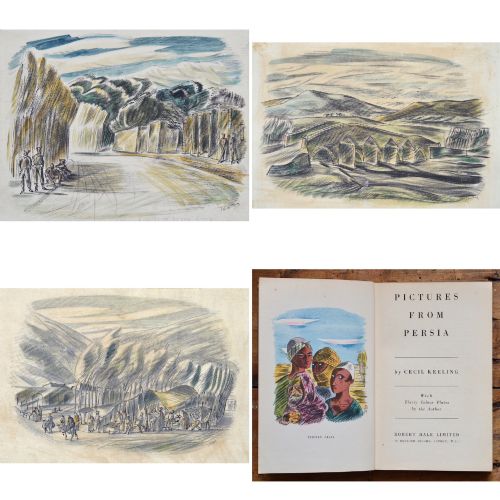
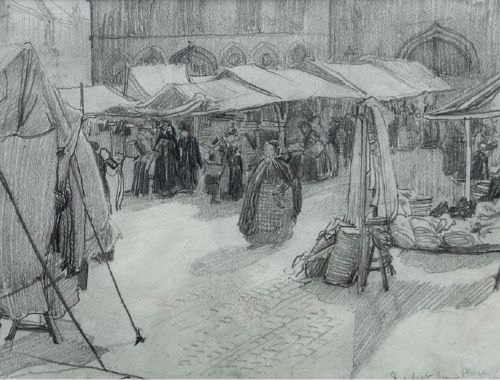
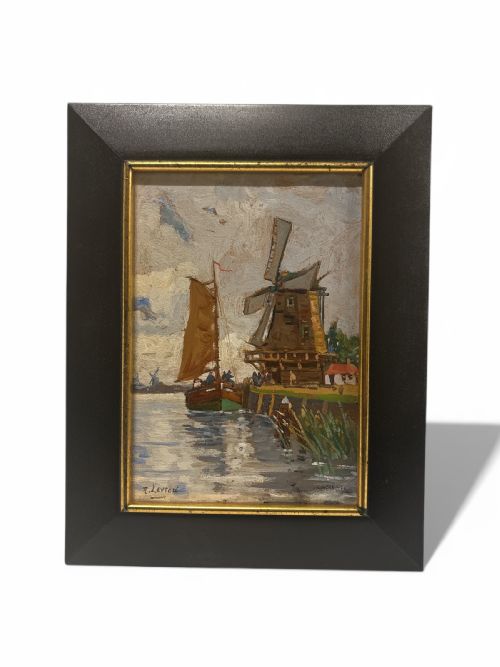
Most items you meet here are oil paintings on canvas or board, alongside delicate watercolours and pencil drawings on paper. Subjects range from traditional country fields and Scottish highlands to bustling harbour scenes and quiet river banks.
Materials and techniques
Artists created these works primarily using oil paint applied to canvas, wood panels, or sturdy boards, allowing for rich textures and deep colour blending. Watercolour and gouache on paper also appear frequently, often capturing lighter, more transparent atmospheric effects en plein air.
Frames made of wood and gilt wood frequently accompany these paintings, sometimes retaining their original form to complement the period aesthetic of the artwork.
Several paintings secretly preserve the painter's outdoor studio experience through accidental specks of dried mud trapped in the thick impasto.
Judging the quality
The strength of a composition and the confidence of the brushwork set individual pieces apart, distinguishing hasty sketches from masterly studies. Works showing a clear handling of light, shadow, and atmospheric depth demonstrate superior artistic skill.
The condition of the pigment and the stability of the support material also influence overall excellence. Well preserved surfaces without heavy cracking or fading maintain the visual integrity intended by the artist.
Kenneth Cozens·Henry Percy Huggill·William H Myers·George Graham·Donald Grant·Tom Campbell·Alfred Young Nutt·Clifford Hanney·Frederick Marriott·Reginald Arthur Borstel·William Joseph Shayer Senior·Alfred Fontville de Breanski Jr·Sidney A Court·EJ Letheren·B Nash·Edward Mills·Robert Leslie Howey·Kershaw Schofield·George Houston·Herbert Royle·John E Aitken·William Banks Fortescue·Albert Pile·Fred Lawson·John Arthur Dees
The Vintage Landscape Art Glossary
- Oil on canvas
- Pigments bound in drying oil applied to a stretched woven fabric support. This technique provides durability and allows artists to build rich, textured surfaces.
- Watercolour
- A painting method where fine pigment is suspended in a water-soluble vehicle on paper. It creates luminous, translucent washes of colour.
- Impasto
- Paint applied thickly to a canvas or board so that the strokes stand out from the surface. This technique adds tactile dimension and captures light dynamically.
- En plein air
- The act of painting outdoors to capture the direct effects of light and weather on a landscape. Artists used portable box easels to work quickly in natural settings.
- Provenance
- The documented history of ownership of an artwork. A clear record helps establish authenticity and traces the journey of a piece through time.
Vintage Landscape Art: Frequently Asked Questions
How do I date a vintage landscape painting?
Examine the materials used for the support, such as canvas type, board composition, and the style of the framing. Signatures, artist inscriptions on the reverse, and stylistic clues like clothing or architecture can also narrow down the creation period.
Comparing the brushwork and palette to known works from specific art movements provides further historical context. Researching the artist registry often yields precise biographical dates that align with the piece.
Are watercolours as durable as oil paintings?
Waterworks require careful protection from direct sunlight and moisture because paper and pigments are more fragile than oil on canvas. Proper framing behind glass with acid-free mounts ensures they survive in good condition for generations.
While oils tolerate environmental shifts better, both mediums benefit from stable indoor humidity and temperature control. Displaying them away from direct heat sources prevents warping and fading.
What is the difference between an oil sketch and a finished painting?
Oil sketches are typically painted rapidly on small wood panels or canvas boards to capture fleeting light or compose a study for a larger work. They often feature looser brushwork and visible underpainting.
Finished paintings usually display more refined detail, careful blending, and a deliberate composition intended for public exhibition. Both hold distinct appeal for collectors who appreciate different stages of the creative process.