

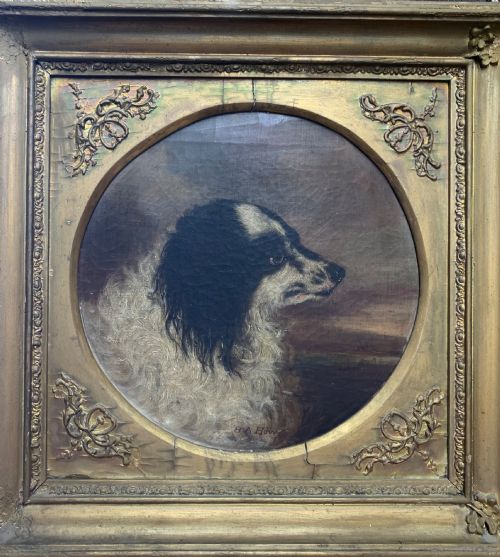
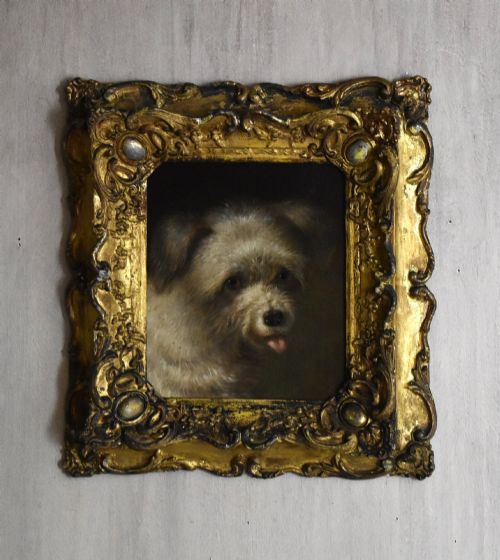
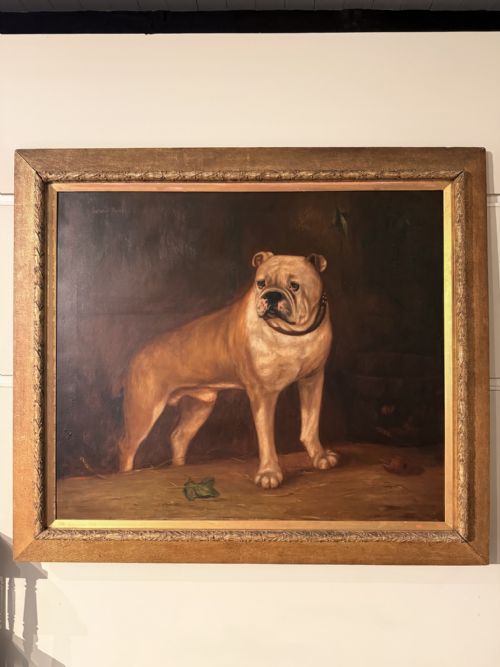
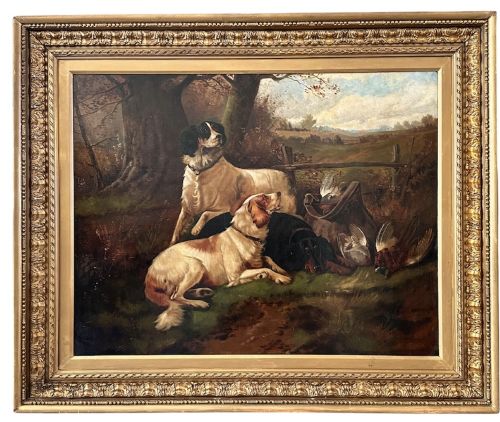
Framed Animal Portrait
These framed animal portrait pieces capture beloved domestic and wild subjects with enduring charm, offering buyers a timeless window into historical animal companionship.
What these pieces are
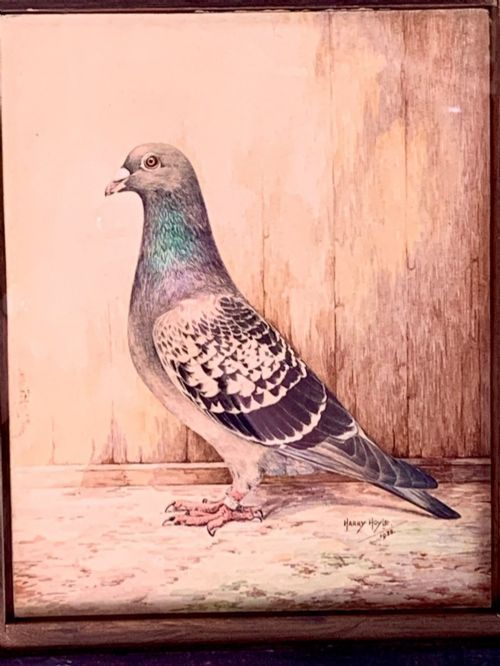
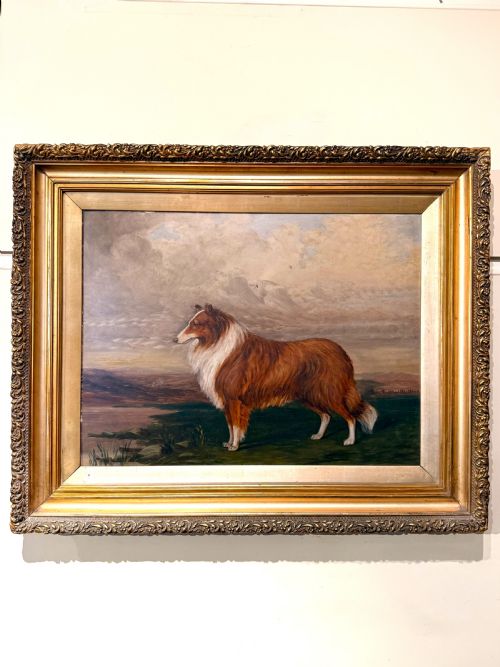
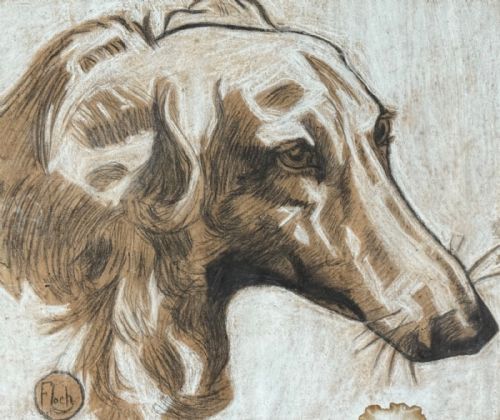
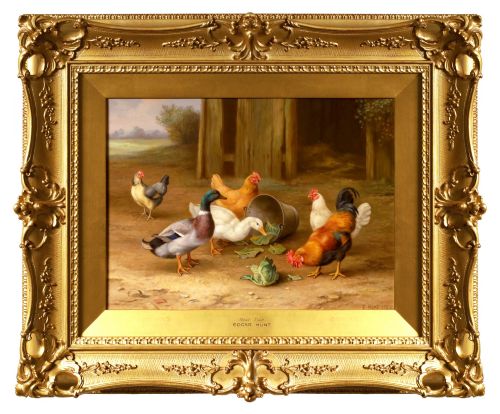
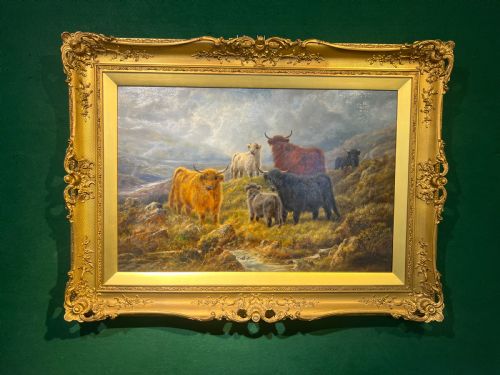
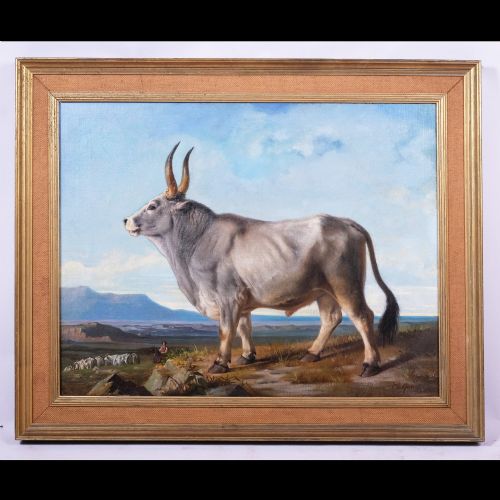
A framed animal portrait brings historical subjects into modern spaces through traditional paintings, drawings, and drypoint prints. The selection spans the nineteenth century up to nineteen fifty, encompassing diverse representations of dogs, cats, foals, and flamingos.
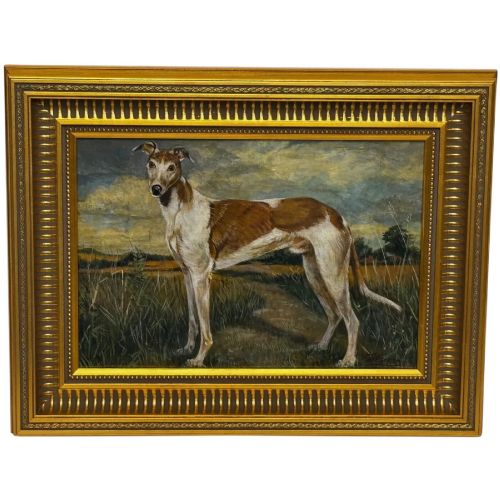
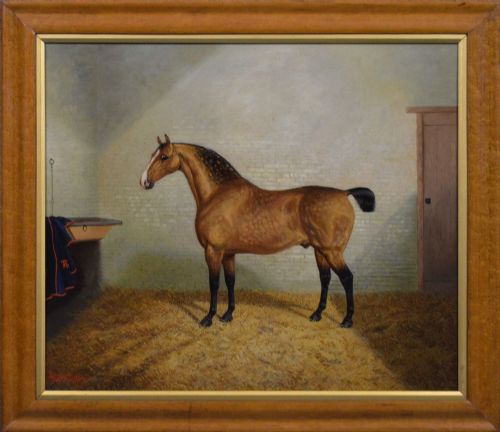
Buyers frequently encounter works executed in oil on board, panel, or canvas alongside delicate pastel drawings and detailed watercolours. These pieces showcase various regional approaches, including nineteenth century British and French artistic traditions.
The assortment balances formal canine studies with intimate feline scenes and vibrant exotic bird depictions. Such variety ensures collectors find both grand sporting works and charming domestic pieces.
How they were made
Artists employed oil paint on canvas, board, and wooden panels to achieve rich textures and lasting depth. Pastel and watercolour techniques on paper offered lighter, more immediate expressions of animal character.
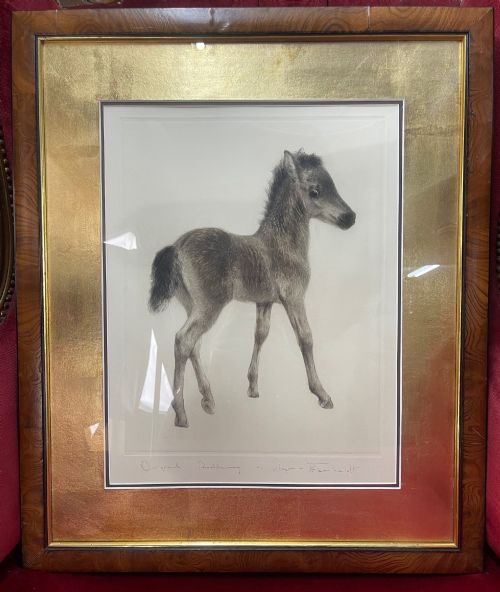
Framing often incorporates wood, glass, and gold leaf or gilt finishes to protect and enhance the artwork. Printmakers utilised drypoint methods on paper to produce fine lines and subtle tonal gradations.
Retail Price Guide 2026
Typical UK retail prices for framed animal portrait, calculated from the Sellingantiques database of over a million retail prices indexed since 2003. This retail price guide relies exclusively on Sellingantiques data; no external sources or auction records are used, so the figures do not describe the wider market.
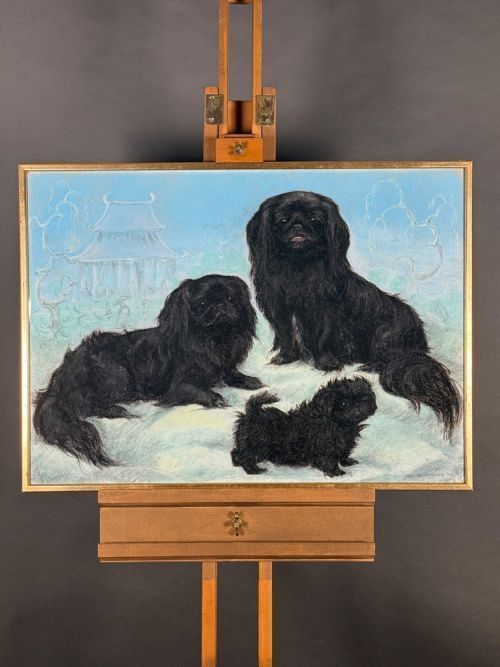
Lord Methuen's favourite dogs immortalised in oil paint ensure that demanding canine opinions are permanently preserved for posterity.
What varies in quality
Anatomical precision and the skillful capture of a subject's individual temperament distinguish superior examples. Masterful handling of light across fur, feathers, and background elevates certain works above standard decorative pieces.
The integrity of original materials, from the preservation of the oil paint to the quality of the surrounding gold leaf and wood frame, dictates the overall standing of an artwork.
Kurt Meyer Eberhardt·David Orr Kerr·William Barraud·Jules Chardigny
The Framed Animal Portrait Glossary
- Drypoint
- A printmaking technique where the artist scratches an image directly into a metal plate with a sharp needle. This method creates a distinctive velvety line when inked and printed.
- Oil on Board
- A painting executed on a rigid wooden or composite board rather than a stretched canvas. This surface provided a stable and popular medium for artists working across various periods.
- Pastel
- A dry drawing medium consisting of powdered pigment and a binder, offering vibrant colour saturation. Works executed in this medium require glass protection to prevent smudging.
- Gilt
- A thin layer of gold applied to wood or other surfaces to create a decorative metallic finish. It frequently appears on traditional frames to highlight carved details.
Frequently Asked Questions
How do I date a framed animal portrait?
Dating relies on stylistic markers, framing materials, and documentation found on the reverse of the board or canvas. Nineteenth century works often feature distinct canvas weaves and stretcher frame constructions compared to mid-century examples.
Examining the signature and any accompanying inscriptions can also provide reliable clues regarding the exact period of creation.
Where should I hang these artworks?
These pieces suit living rooms, studies, and hallways where traditional realism can complement existing interior schemes. Positioning them away from direct sunlight protects vulnerable materials like paper and pastel from fading.
Ensuring stable room humidity prevents the wood panels and gilt frames from experiencing warping or cracking over time.
What subjects are most common?
Domestic pets like dogs and cats dominate the selection, reflecting historical affection for household animals. Sporting dogs and hunting breeds also feature prominently in nineteenth century compositions.
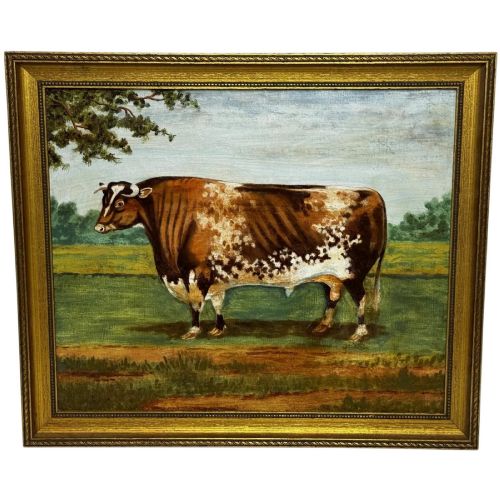
Less frequently, artists turned their attention to livestock and exotic birds, broadening the scope of available subjects.