


Victorian Dog Painting
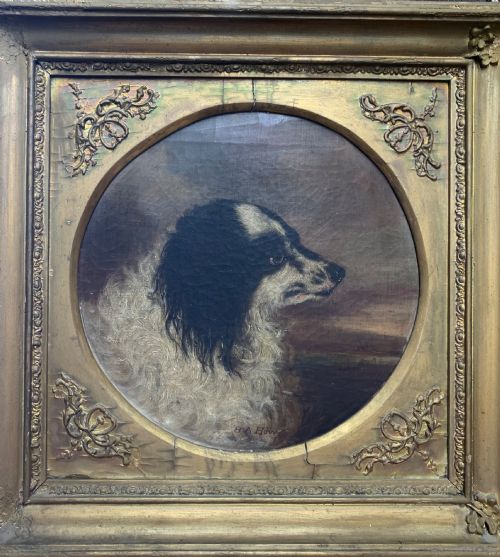
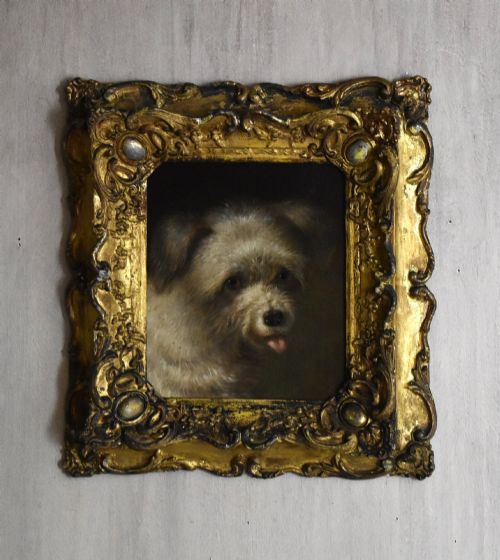
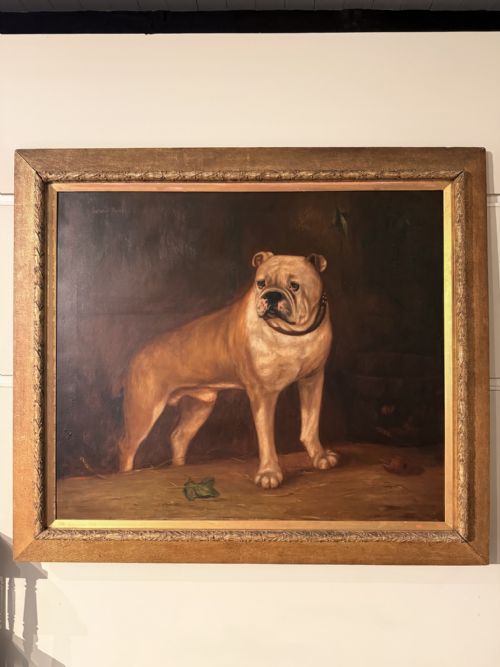
When you search for a victorian dog painting, you encounter canine portraits and sporting scenes from the nineteenth century that capture the distinct character of individual animals.
Victorian Dog Painting
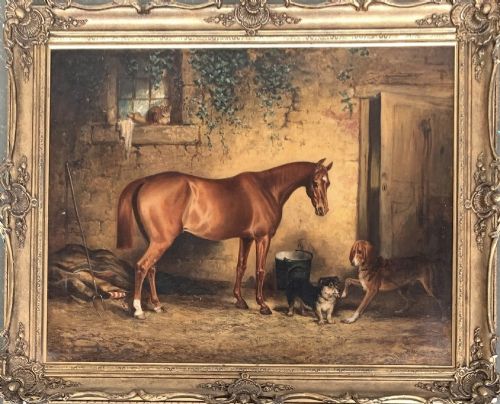
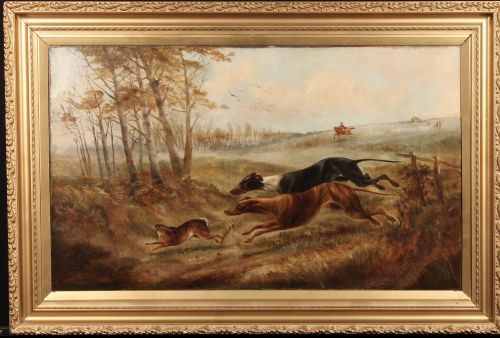
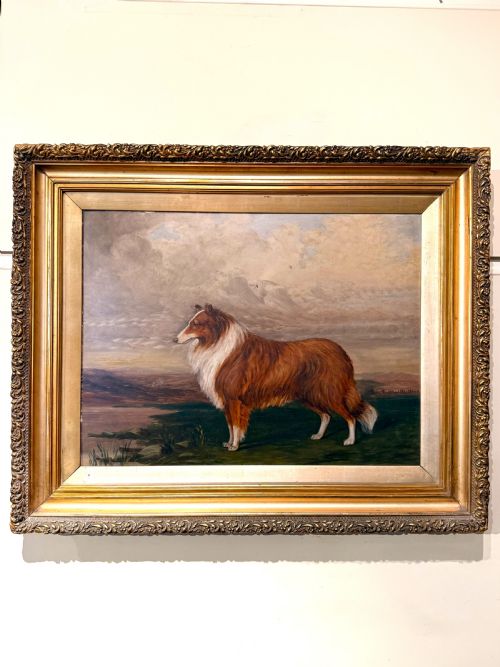
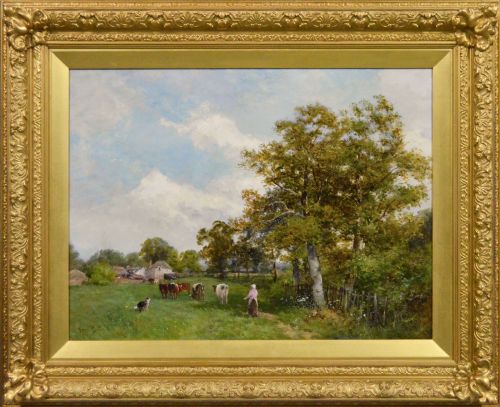
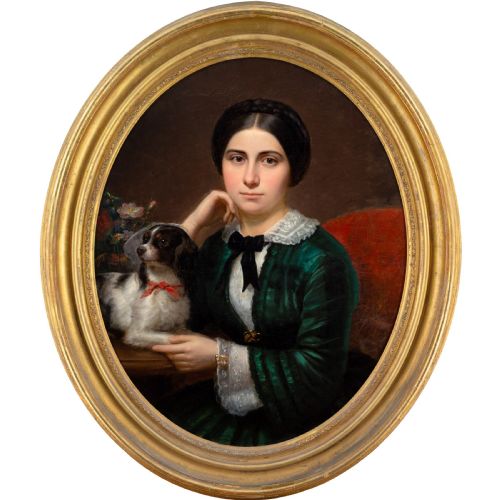
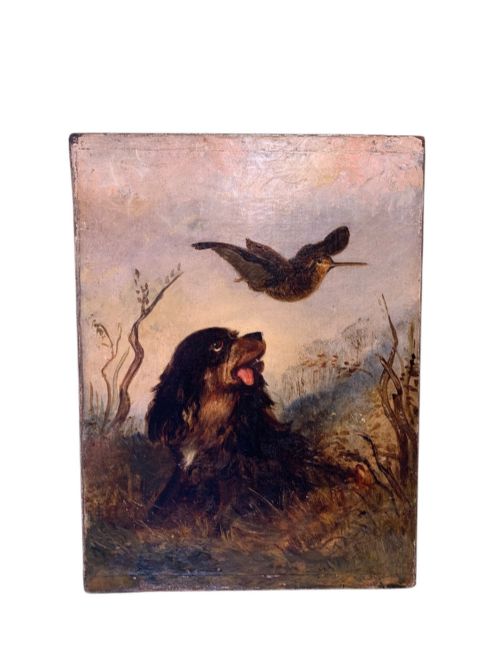
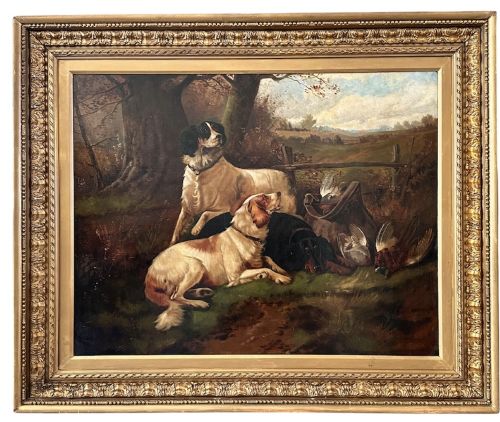
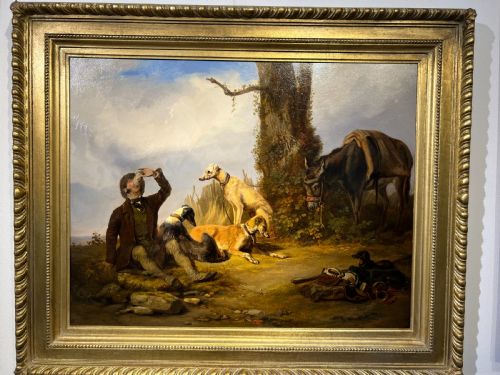
A victorian dog painting typically presents individual canine portraits, sporting dogs in the field, or dogs integrated into pastoral and domestic scenes. The subjects range from working spaniels and terriers to prized hounds and pet pugs.
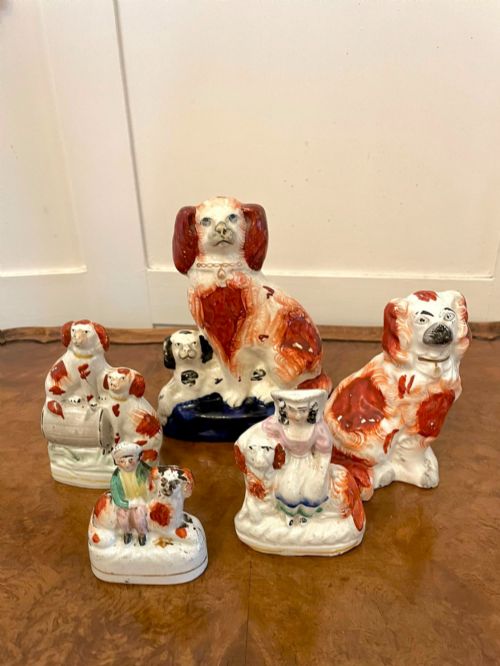
The selection includes oils on canvas, watercolours, and reverse paintings on glass, alongside ceramic Staffordshire figures and terracotta sculptures. These works reflect both the sentimental attachment to pets and the serious sporting culture of the nineteenth century.
Makers and artists range from named academic painters to folk artists and Staffordshire potters working in earthenware and glaze. The pieces span the nineteenth century, with particular concentration around the mid to late decades.
Materials and Techniques
Canine subjects were rendered primarily through oil paint on stretched canvas or wooden board, utilising gold leaf and giltwood for framing. These traditional oil mediums allowed artists to render the sheen of a coat and the depth of a landscape setting.
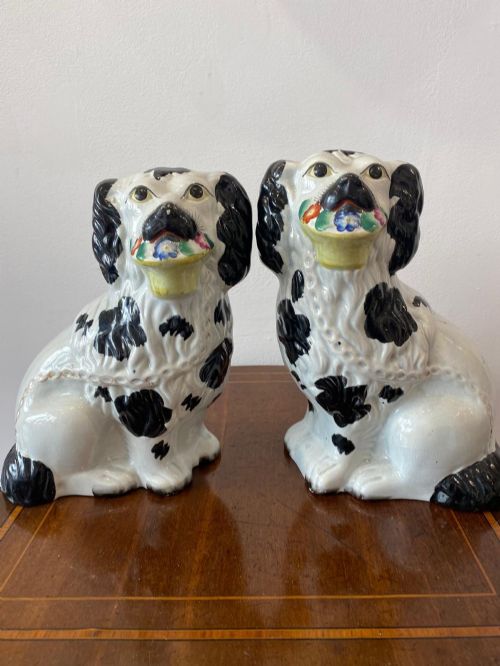
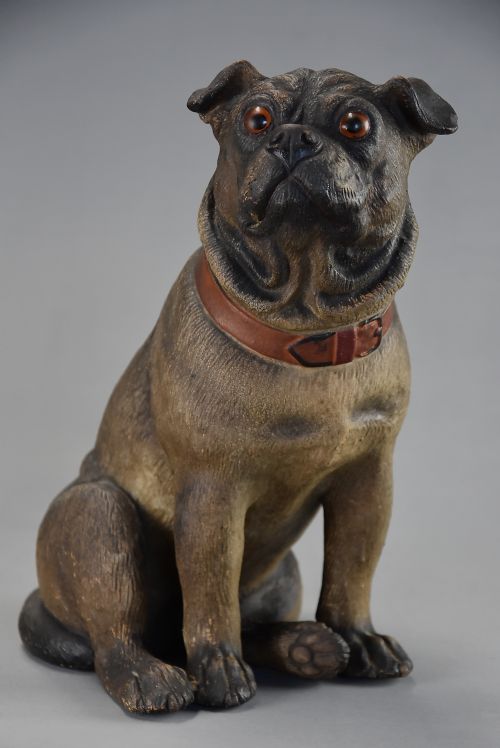
Staffordshire pottery examples were shaped in earthenware and finished with hand-painted glazes, often depicting seated spaniels or terriers in pairs. Terracotta was utilised for larger, life-size sculptural figures of pugs and puppies.
Victorian Dog Painting Retail Price Guide 2026
Typical asking prices for victorian dog painting among the pieces listed under this phrase on Sellingantiques today, from the lower quarter to the upper quarter. They describe what is for sale here now, not the wider market.
Some Victorian dogs guarded sleeping children, while others apparently contented themselves with observing pipe-smokers and woodcutters.
Assessing Quality and Execution
The anatomical accuracy of the canine subject and the expressive detail in the eyes and coat separate accomplished academic works from simpler folk art or naive pieces. Superior canvases demonstrate a confident handling of light within the surrounding landscape.
In ceramic and sculptural forms, the crispness of the hand-painted markings and the preservation of the original glaze determine the distinction of the piece. Well-matched pairs and original giltwood frames elevate the standing of a painting.
Henry Barraud·George Armfield·Valentine T Garland·David Bates·Martin Theodore Ward·John Sargent Noble·Sir Edwin Henry Landseer·Claude Cardon·John Emms·John Frederick Herring Senior·Arthur Wardle·William Barraud·Colin Graeme Roe·Charles Dudley·J Langlois·Leonardo Cattermole·G D Giles
The Victorian Dog Painting Glossary
- Oil on Canvas
- A painting medium where pigments suspended in drying oil are applied to a woven fabric surface stretched across a wooden frame. This method was the primary choice for formal canine portraiture.
- Staffordshire Dog
- An earthenware pottery figure, most commonly a seated spaniel, produced in large quantities during the nineteenth century for domestic mantelpieces. These figures were typically hand-painted and glazed.
- Sporting Art
- Genre of fine art depicting field sports, hunting dogs, horses, and game. This tradition encompasses works featuring pointers, setters, and hounds in rural landscapes.
- Terracotta
- Fired unglazed clay of a brownish-red colour utilised for sculptural figures and ornaments. Life-size terracotta pugs represent a specific sculptural form from this period.
- Giltwood
- Wood carved and prepared with a thin layer of gold leaf applied to the surface. It is commonly found on the frames surrounding nineteenth-century canvas paintings.
Victorian Dog Painting: Frequently Asked Questions
What breeds appear most frequently in these paintings?
Spaniels, terriers, and various sporting hounds dominate the canvas and pottery works from this era. Newfoundland dogs and pugs also appear with regularity.
These choices reflect both the popularity of hunting dogs and the rise of pet ownership during the Victorian period.
How do I distinguish an original nineteenth-century piece from a later copy?
Examination of the canvas weave, stretcher frames, and the ageing of the oil paint or glaze provides key indicators of period authenticity. Craquelure and the patina of the materials help confirm nineteenth-century origins.
Comparative study against documented works by artists such as Landseer or Emms aids in verifying style and technique.
Were these artworks created as portraits of specific pets?
Many works record named animals owned by nobility or prominent figures, while others depict working gun dogs in sporting environments. Studio portraits often focused on individual family pets.
Both named commissions and generic genre scenes served to celebrate the loyalty and utility of the dog.
How should I care for an oil painting of a dog?
Paintings on canvas require stable environmental conditions away from direct sunlight and excessive humidity. Regular, gentle dusting with a soft, dry brush preserves the surface.
Professional conservation should be sought for cleaning the varnish or repairing any tears in the canvas.