


Vintage Canine Portrait
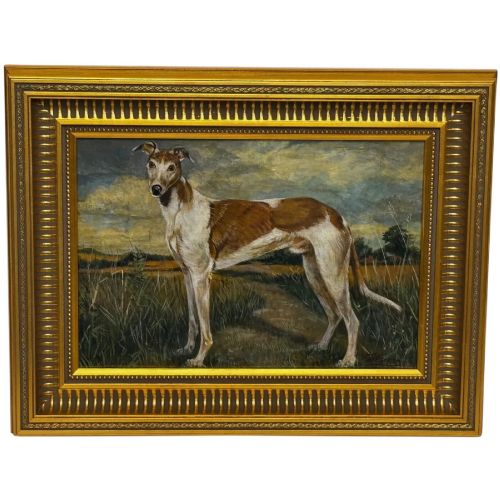
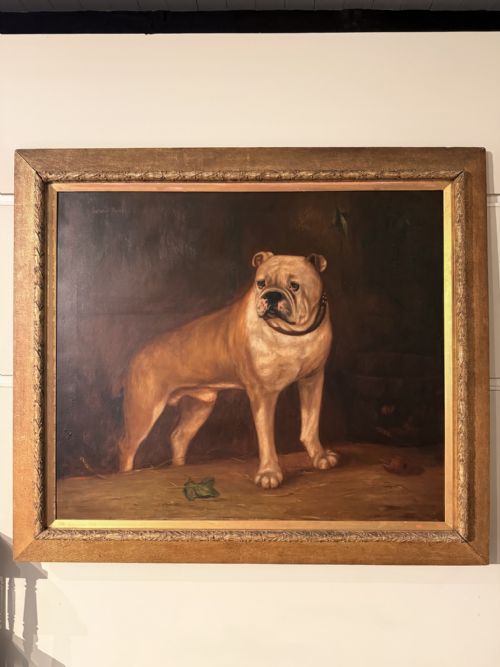
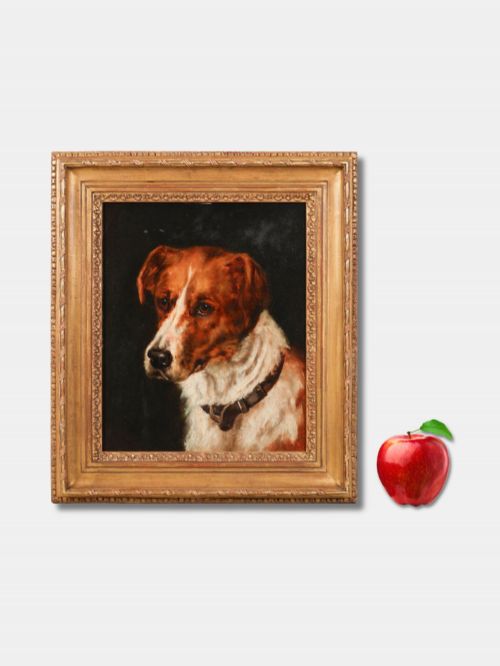
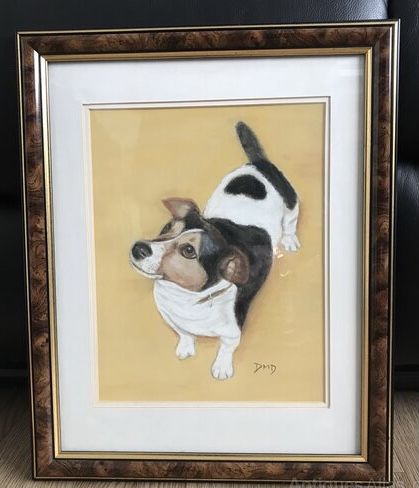
A vintage canine portrait captures the distinct character of an animal through historical painting, drawing, and printmaking.
Vintage Canine Portrait
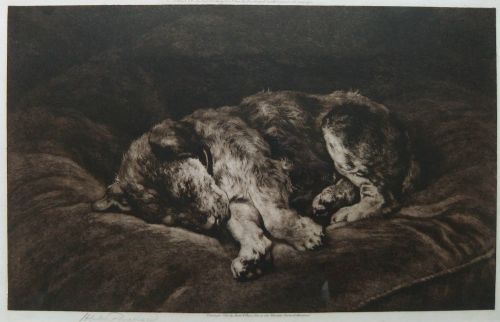
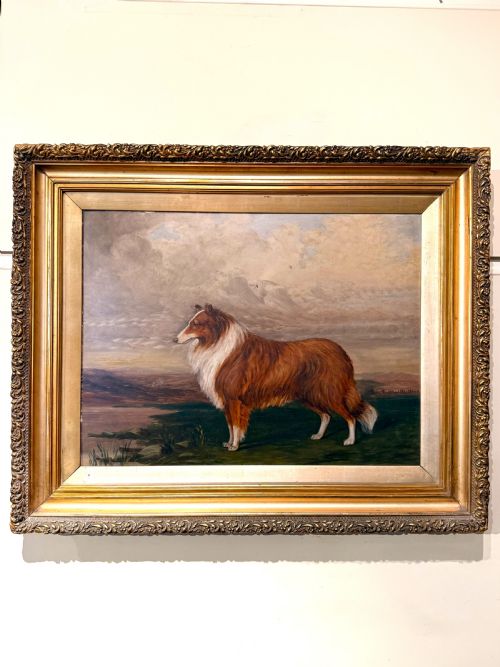
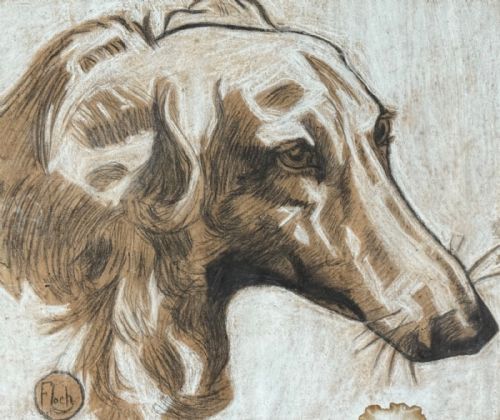
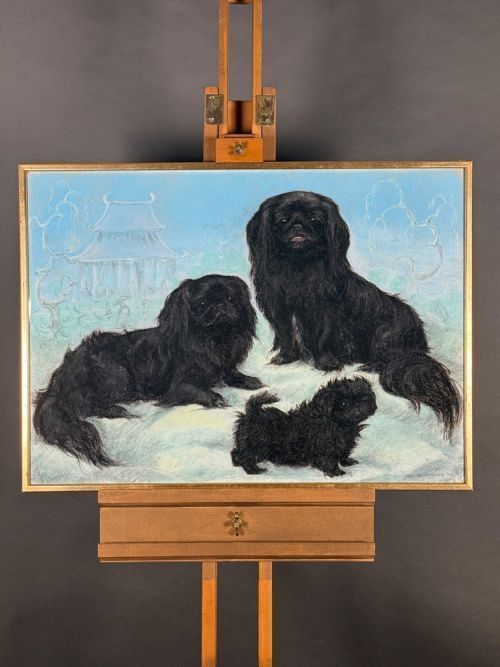
A vintage canine portrait focuses on dogs rendered in various traditional media across multiple decades and centuries. Buyers encounter artworks ranging from formal oil paintings to intimate pencil drawings and detailed etchings.
The selections span from Victorian depictions of working hounds and lapdogs to mid-century studies of terriers and spaniels. Pieces originate from diverse contexts including English country houses, sporting scenes, and domestic settings.
Materials and construction methods
Artists utilised oil paint applied to canvas or board, alongside watercolour and pastel on paper. Many works incorporate preparatory charcoal sketches, gouache, and ink detailing.
Framed pieces frequently combine wood mouldings with protective glass layers and occasional gilt accents to house the paper and canvas supports.
Vintage Canine Portrait Retail Price Guide 2026
Typical asking prices for vintage canine portrait among the pieces listed under this phrase on Sellingantiques today, from the lower quarter to the upper quarter. They describe what is for sale here now, not the wider market.
Listings feature oil paint, watercolour, pastel, gouache, charcoal, and ink across canvas, wood board, and paper supports.
Elements that determine quality
Anatomical accuracy and the successful capture of an animal's individual expression separate standard decorative works from accomplished fine art pieces. Hand-rendered details in the coat and surrounding landscape demonstrate the maker's technical skill.
The integrity of the original support material and the preservation of the pigment layer influence the enduring clarity of the composition.
Herbert Dicksee·John Emms·John Frederick Herring Senior·Arthur Wardle·Sir Edwin Landseer·George Earl
The Vintage Canine Portrait Glossary
- Etching
- A printmaking technique where lines are bitten into a metal plate with acid before ink is applied. This process creates fine, precise lines visible in many antique animal prints.
- Gouache
- An opaque water-based paint that dries to a matte finish. Artists use it to add solid blocks of colour and highlights to paper drawings.
- Drypoint
- A printmaking method where an artist scratches a design directly into a metal plate with a sharp needle. This produces soft, velvety lines in the printed image.
- Naive school
- Art produced by self-taught painters who often disregard traditional perspective and proportion. These works rely on direct observation and charm.
- Sporting art
- Depictions of animals engaged in rural pursuits, field sports, or kennel life. This genre focuses heavily on hounds, gun dogs, and horses in natural landscapes.
Vintage Canine Portrait: Frequently Asked Questions
What periods do these dog portraits come from?
The works originate from the nineteenth century through the mid-twentieth century, encompassing Victorian, Edwardian, and later modernist eras.
Specific dates on listings point to decades such as the 1900s, 1920s, and 1940s, reflecting changing artistic tastes in animal portraiture over time.
How should I care for a paper drawing?
Keep works on paper away from direct sunlight to prevent the fading of watercolours, pastels, and inks. Framing behind glass protects the delicate surface from airborne dust and moisture.
Maintain stable indoor humidity levels to prevent the paper support from warping or developing foxing spots.
What is the difference between an oil painting and an etching?
An oil painting is a unique, hand-painted work created with pigments suspended in drying oil on canvas or board. Each brushstroke is singular and physical.
An etching is a printed work pulled from an engraved metal plate, allowing for multiple impressions of the same detailed canine image.
Where were these canine portraits originally displayed?
Many of these artworks hung in English country houses, estate libraries, and formal reception rooms as tributes to favored family pets or working pack animals.
Others served as studies produced by academic artists or sporting illustrators documenting specific breeds of the period.