




Antique Dog Watercolour
These antique dog watercolour paintings capture canine character through pigment on paper, prized by collectors for their intimate portrayals of pets and sporting hounds.
Antique Dog Watercolour
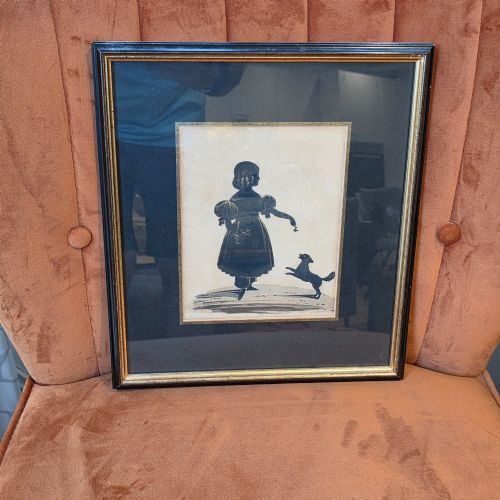
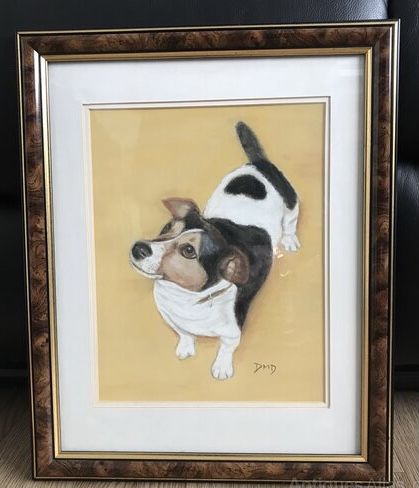
When you search for antique dog watercolour, you are looking at works on paper spanning from the Georgian and Victorian eras into the twentieth century. The selection ranges from naive interior scenes and cottage garden portraits to formal sporting art depicting hounds and working dogs.
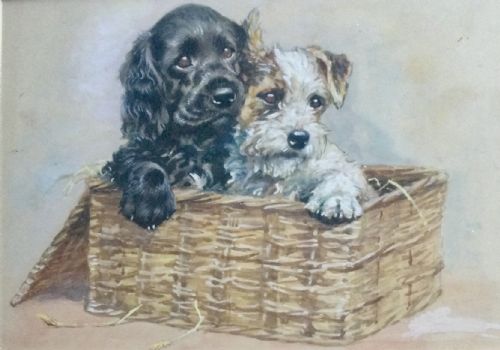
You are most likely to meet nineteenth-century watercolours featuring gun dogs, terriers, and spaniels accompanied by their owners or depicted on their own. These paintings frequently appear mounted behind glass within wooden or giltwood frames that complement the delicate medium.
The subjects extend beyond simple portraiture into rural genres and sporting art, recording the close relationship between humans and dogs across different social settings. Each piece offers a direct window into historical domestic life and the evolution of canine breeds.
Materials and Technique
Artists painted these works primarily with watercolour pigments and ink on paper sheets, often utilising delicate washes to build form and texture. Some compositions incorporate cut paper silhouettes or grisaille techniques to achieve specific tonal depths.
Antique Dog Watercolour Retail Price Guide 2026
Typical asking prices for dog watercolour among the pieces listed under this phrase on Sellingantiques today, from the lower quarter to the upper quarter. They describe what is for sale here now, not the wider market.
The listings span the Georgian, Victorian, and twentieth-century periods, utilising paper, watercolour, ink, glass, wood, and giltwood.
Judging Quality and Execution
Quality in these watercolours rests upon the surety of the brushwork and the artist's ability to render canine anatomy and expression with conviction. Finer works display lively handling of fur and posture, whereas lesser examples rely on stiff outlines and flat washes.
The harmony between the subject and its setting distinguishes superior pieces from standard illustrative work. Well-composed scenes integrate the dog naturally into the interior or landscape, supported by original framing materials that match the period of the painting.
William James Hubard·Arthur Wardle·J F Marie Huet Villiers·Mabel Gear·Tom Carr·Arthur Claude Strachan·Frederick Tayler·Arthur Alfred Davis·Frank Dadd·Jan Fyt·Elsie Waddington·Thomas Heaphy
The Antique Dog Watercolour Glossary
- Watercolour
- A painting method in which the paints are made of pigments suspended in a water-based solution. This medium allows for translucent washes and delicate details on paper.
- Giltwood
- Wood carved and covered with a thin layer of gold leaf or gilt. This material is commonly found on traditional frames enclosing nineteenth-century works.
- Grisaille
- A painting executed entirely in shades of grey or neutral monochrome. It often mimics the appearance of a relief sculpture or serves as a study.
- Sporting Art
- Depictions of rural sports, horses, and hounds. This genre forms a significant portion of historic canine painting.
- Folk Art
- Artistic work produced from an indigenous culture or by a peasant or other labourer without formal training. These pieces often exhibit a charmingly naive perspective on domestic life.
Antique Dog Watercolour: Frequently Asked Questions
How should I display antique watercolours?
Keep these works out of direct sunlight to prevent the watercolour pigments from fading over time. Maintaining stable indoor humidity levels also protects the paper and the original wooden or giltwood frames.
Ensure that any hanging location avoids damp walls and excessive temperature fluctuations. Professional framing with acid-free backing materials preserves the paper for future generations.
Are these paintings usually signed?
Many of these watercolours bear signatures or initials from the artists who painted them, often located in the lower corners of the sheet. Some pieces remain attributed to specific schools or followers of well-known painters.
Unsigned works are still valued for their period style, subject matter, and quality of execution. Documentation on the reverse or family provenance occasionally helps identify the maker.
What framing is appropriate for them?
Period frames featuring gold leaf, giltwood, or simple wood mouldings complement the historic nature of these paintings. Retaining original glass and frames adds considerable character to the piece.
When replacement is necessary, select traditional framing styles that respect the era of the artwork. Avoid modern glossy finishes that clash with the aged surface of the paper.
How do I identify Victorian dog watercolours?
Victorian examples often feature specific breed characteristics popular during the nineteenth century, such as King Charles spaniels, pugs, and working terriers. The clothing of any accompanying figures and the style of the interior or landscape provide reliable dating clues.
Signatures linked to documented nineteenth-century artists further confirm the period. The use of traditional paper supports and period framing styles aligns with these dates.