
Traditional Animal Art
Traditional animal art captures domestic creatures and livestock across centuries through oil paintings and carved wood figures.
Traditional Animal Art
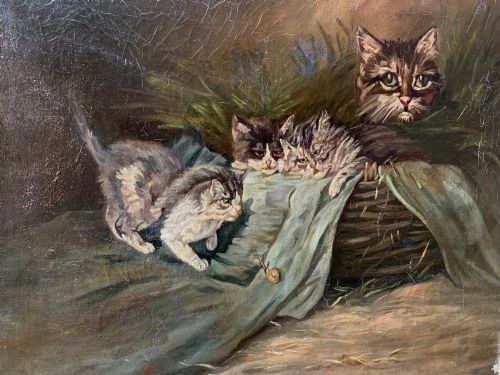
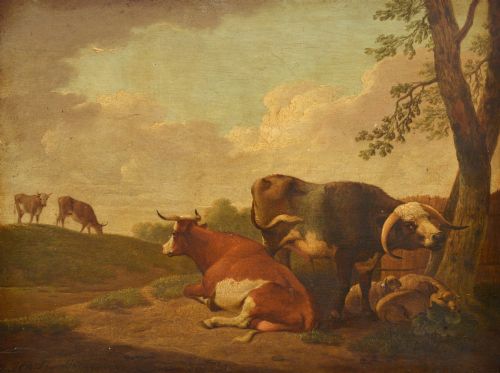
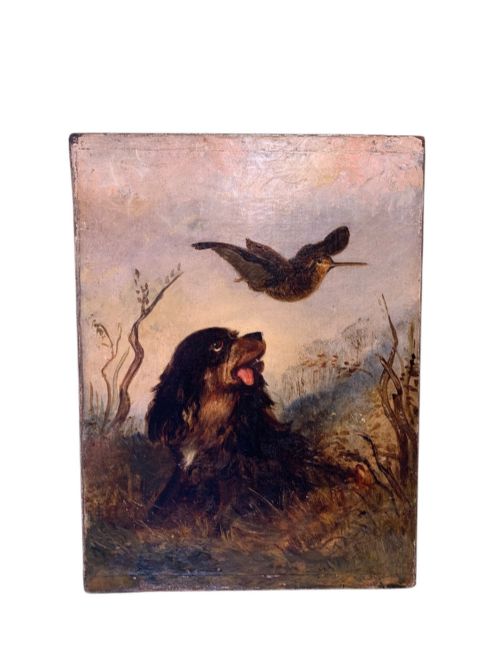
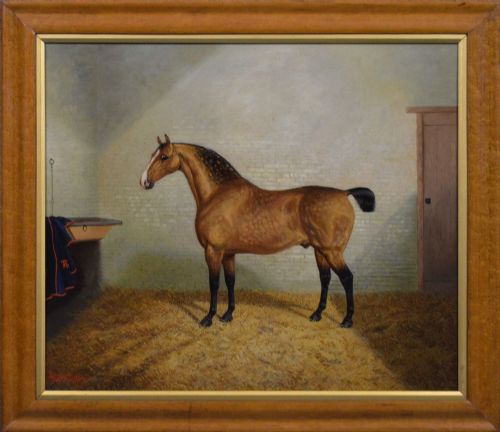
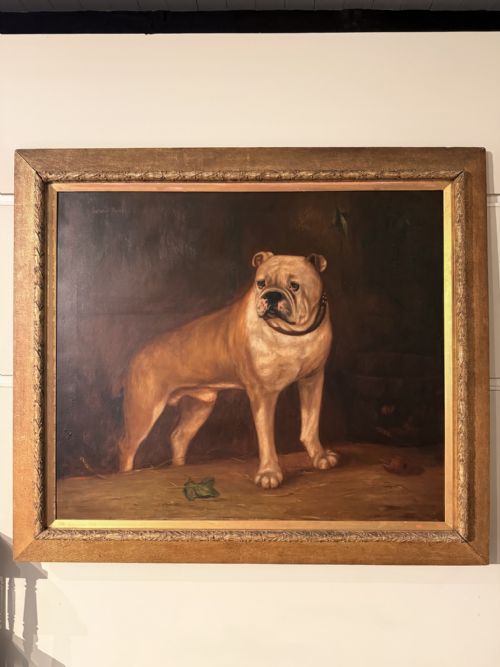
Traditional animal art encompasses painted and carved depictions of creatures ranging from farm livestock and working farmyard dogs to horses and wild animals. These works record the physical presence of animals in past rural and domestic settings.
Oil paintings dominate the selection, spanning periods from the eighteenth century through the mid-twentieth century. Canvas and panel works sit alongside carved wooden netsuke and sculptures.
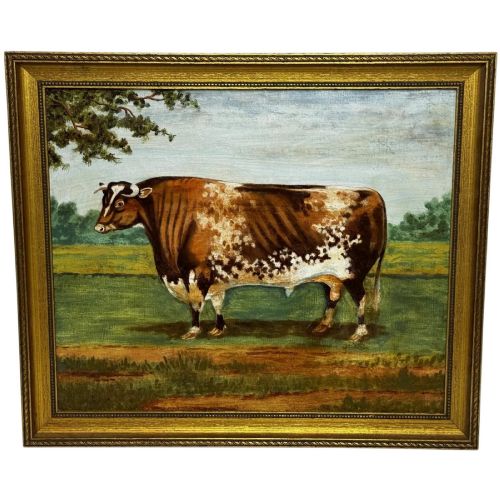
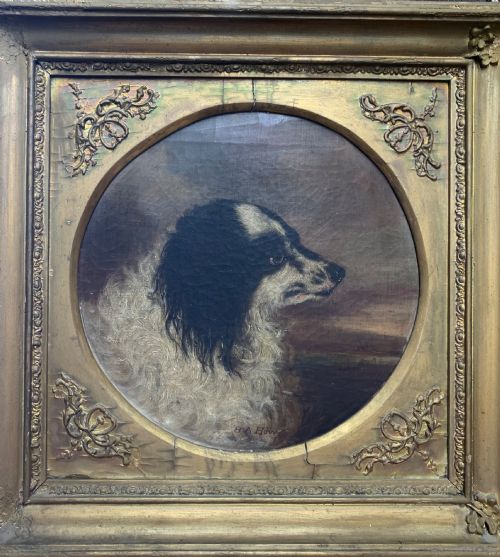
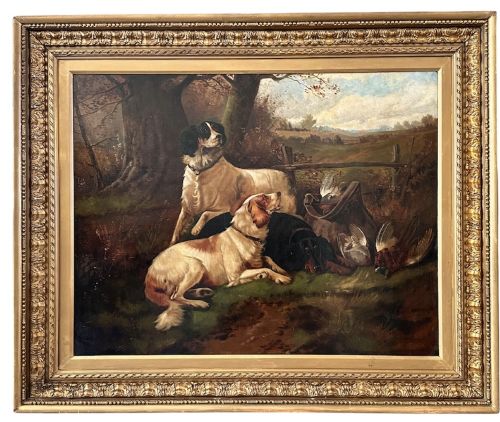
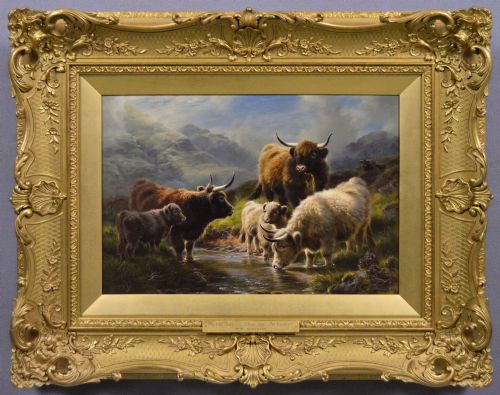
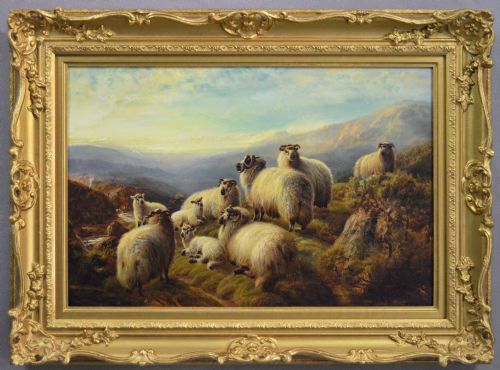
British and European schools provide the majority of canvases on this page, often focusing on prized farm animals, spaniels, and pastoral landscapes populated by cattle and sheep.
Materials and construction
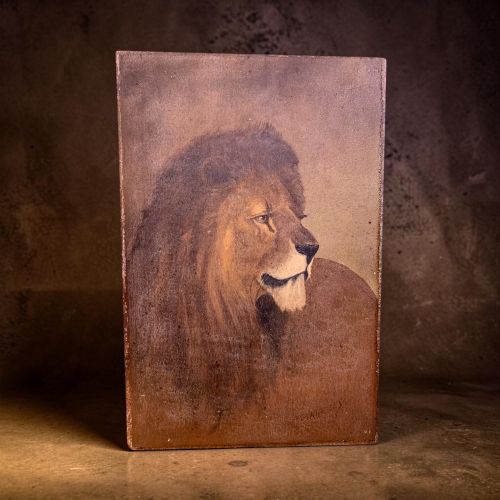
Painters utilised oil on canvas or panel, building up layers of oil paint to render animal coats, feathered birds, and rural backgrounds with naturalistic light and shadow. Giltwood and gesso frames frequently house these oil works.
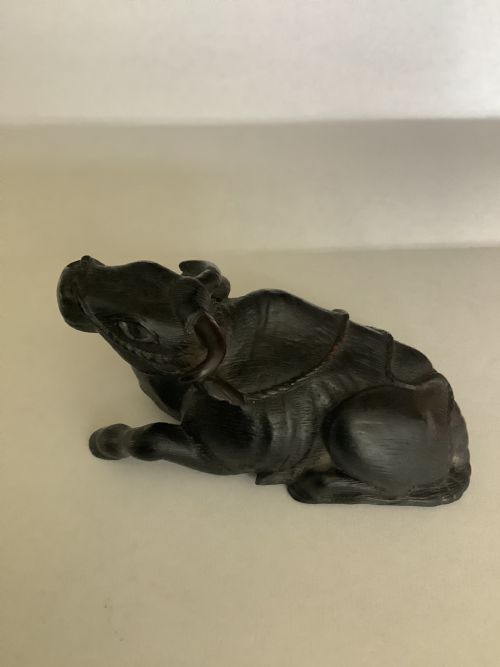
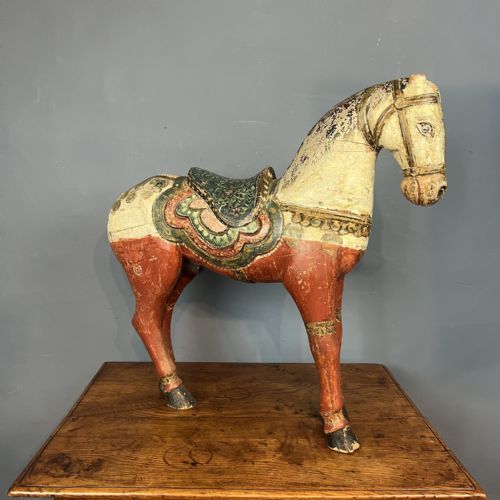
Sculptors carved wood to create three-dimensional animal figures, sometimes adding detailed surface incisions or painted elements to define form and texture.
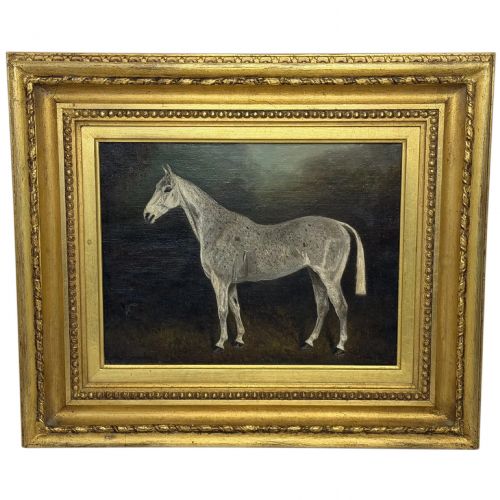
Several canvas portraits record the specific names of favoured horses and prize bulls.
Evaluating quality and execution
Quality rests upon anatomical precision, handling of light, and the convincing depiction of an animal's posture and expression. Stronger examples demonstrate careful observation of bone structure and fur texture.
The integration of the subject within its landscape or interior setting distinguishes accomplished compositions from more formulaic farmyard scenes.
Hendrik Willem Schweickhardt·Albert Clark·Carl Whitfield·William Watson Jnr·Henry Schouten·Frans Snyders·Henry Robinson Hall·William Henry Mander·Thomas Sidney Cooper·John Frederick Herring Jnr·William Barraud·Samuel Joseph Clark·George Armfield·Eugene Joseph Verboeckhoven
The Traditional Animal Art Glossary
- Oil on Canvas
- Pigment mixed with drying oil applied to stretched woven fabric. This medium allows for deep colour saturation and gradual blending.
- Netsuke
- A small carved Japanese toggle used to secure a pouch or basket to a traditional sash. These miniature sculptures often portray animals.
- Giltwood
- Wood that has been coated with a thin layer of gold leaf or powder. It frequently appears on traditional picture frames.
- Folk Art
- Artistic work created by untrained or self-taught makers working within community traditions. These pieces prioritise direct expression over academic perspective.
Traditional Animal Art: Frequently Asked Questions
What animals appear most often?
Horses, cattle, sheep, and dogs dominate the painted works in this collection. Artists frequently portrayed working farm animals and hunting dogs.
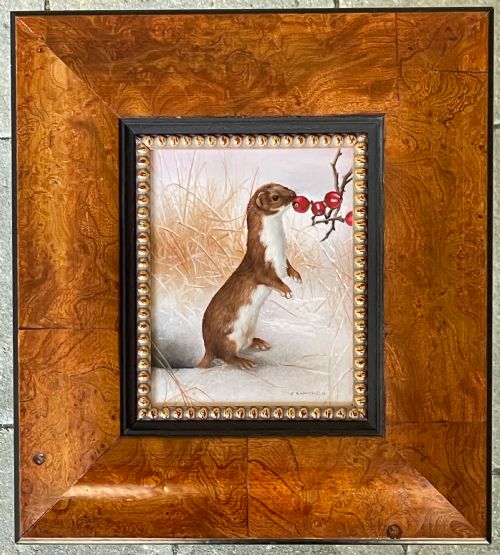
Domestic cats and wild creatures appear alongside farmyard poultry in nineteenth-century canvases and regional works.
How do I date an oil painting?
Examination of the canvas weave, stretcher construction, and pigment composition helps determine the age of an oil painting. Costume details or framing styles also provide clues.
Signatures, dates inscribed on the reverse, and artist records offer the most precise chronological markers.
Where were these pieces made?
Britain and various European countries produced the majority of these oil paintings and carved animal sculptures. Regional schools from France, Belgium, and Britain are well represented.
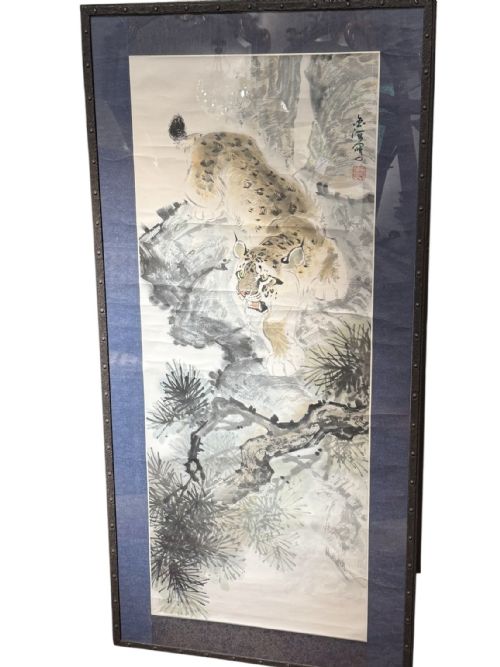
Carved wooden objects extend the geographical range to Asian traditions, including Japanese and Chinese works.
How should I care for oil paintings?
Display oil paintings away from direct sunlight and sources of extreme temperature fluctuation to protect the canvas and paint layers. Stable indoor environments prevent warping.
Dust surfaces gently with a soft, dry brush and avoid liquid cleaners or chemical solvents on the paint layer.