

Oil on Canvas Horse
These oil on canvas horse paintings capture equestrian life from centuries past, offering buyers a rich piece of sporting and rural history to display.
Oil on Canvas Horse
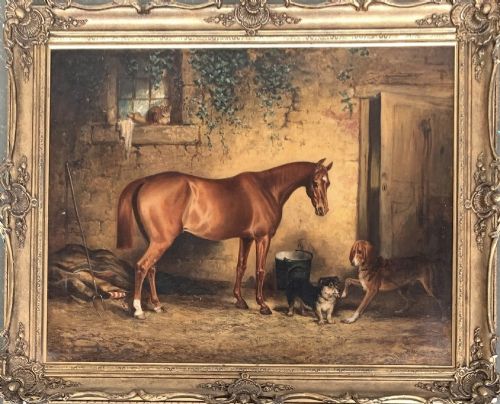
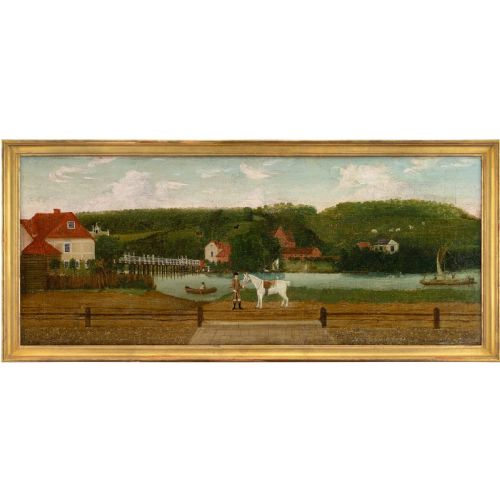
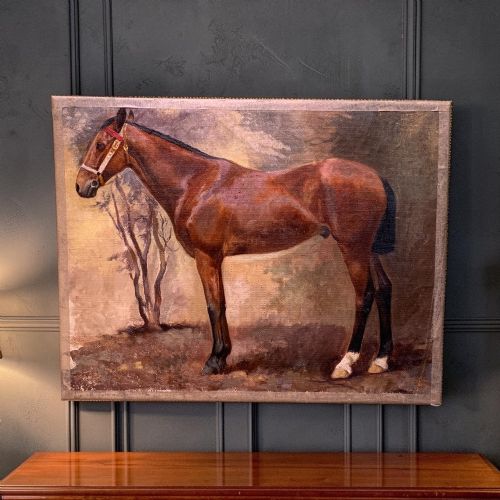
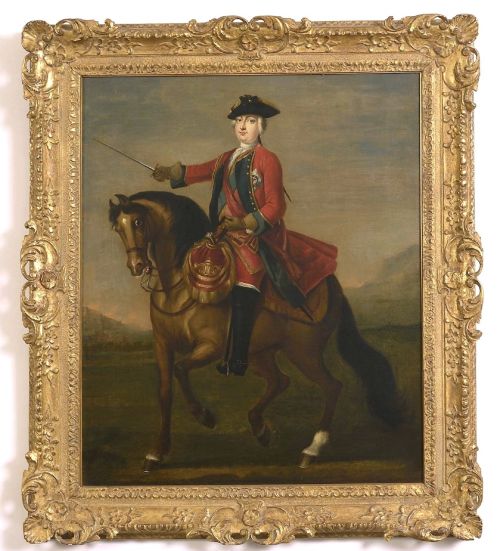
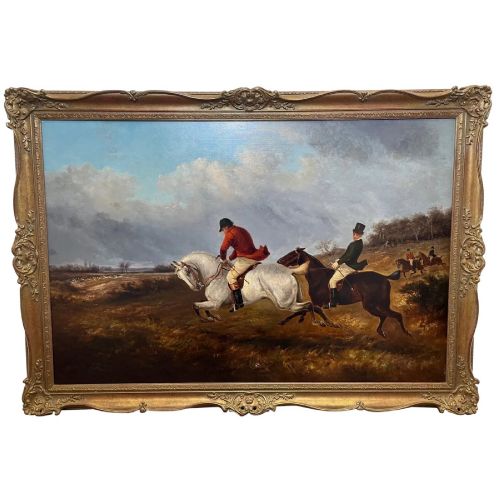
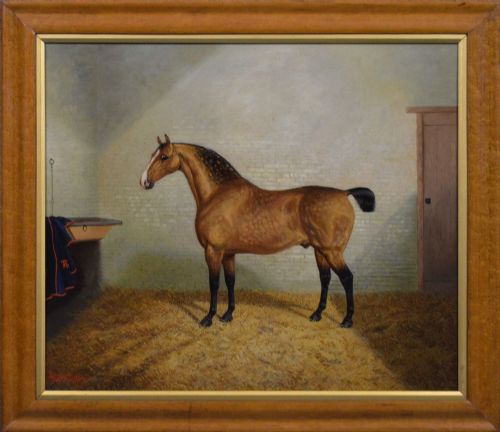
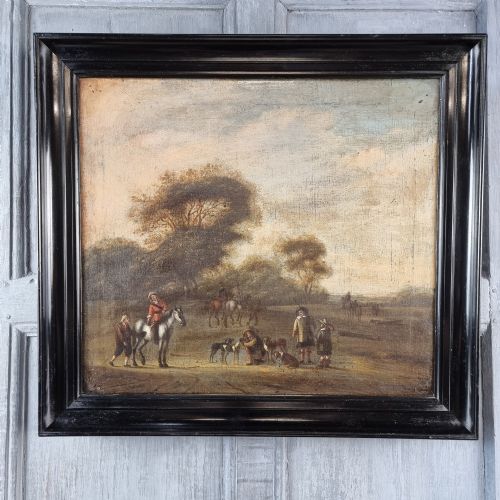
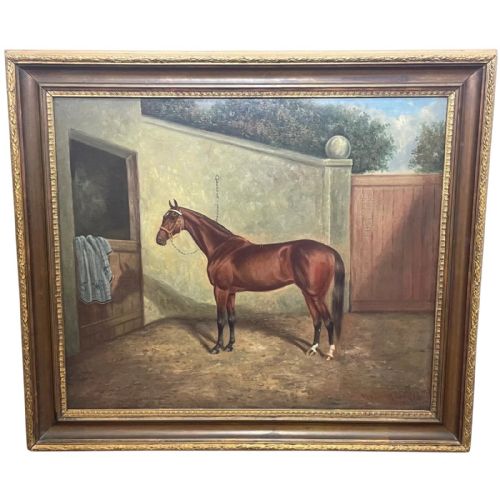
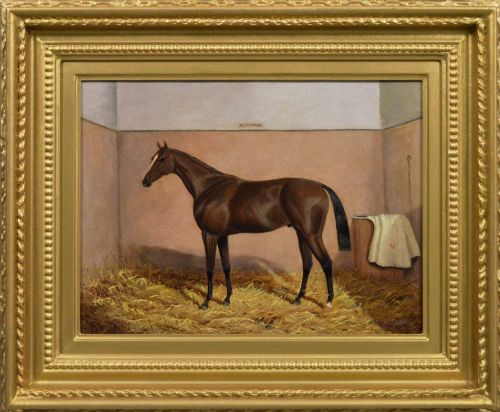
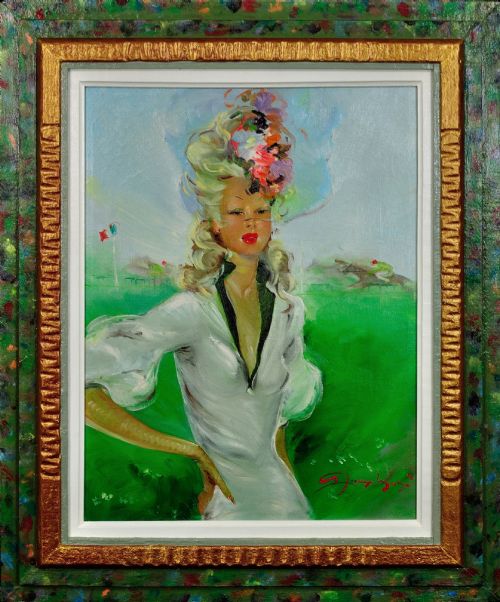
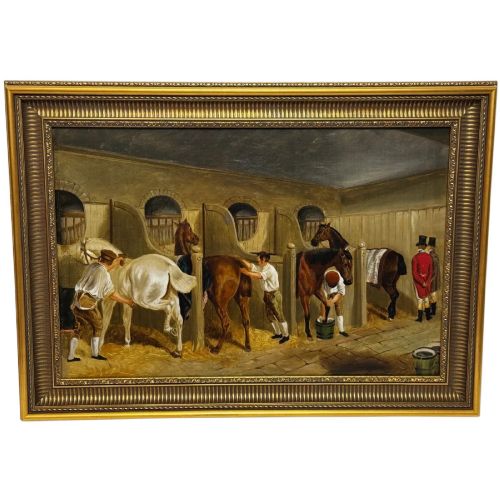
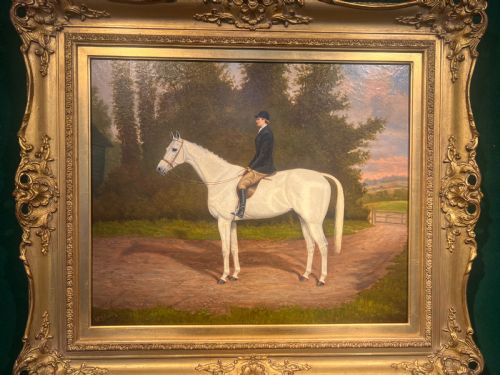
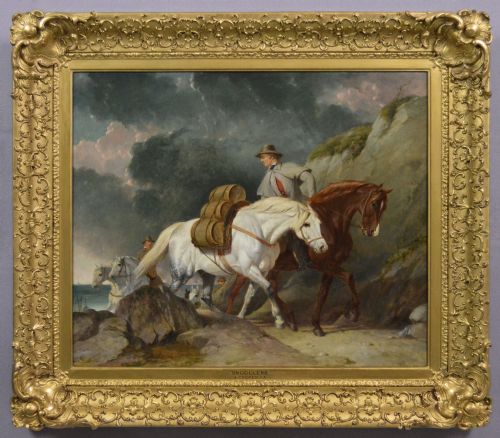
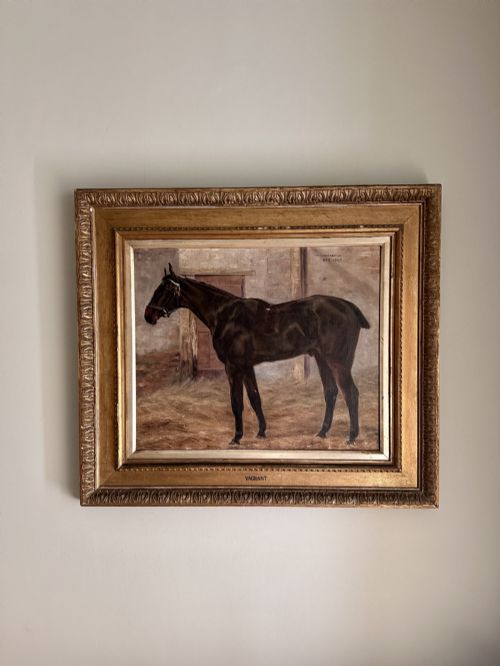
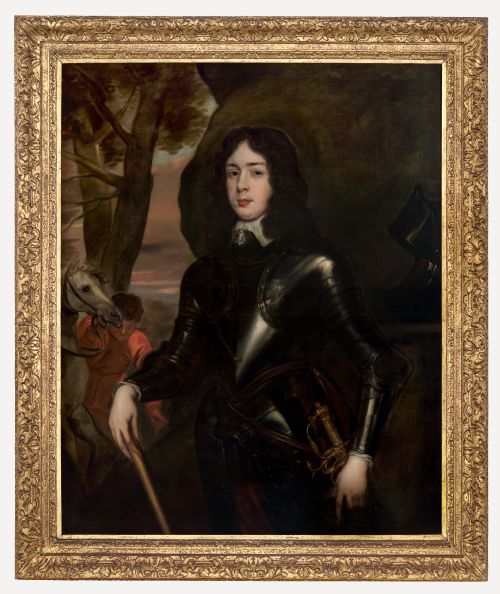
When you search for an oil on canvas horse, you encounter a wide array of historical equine subjects, ranging from formal individual portraits of prize racehorses to bustling rural farming scenes and lively fox hunting compositions. These artworks span several centuries, with prominent examples originating from the Victorian era, the Edwardian period, and mid-century British and European schools.
The most common pieces you will meet on this page are nineteenth-century portraits of stabled hunters, rural ploughing teams, and coaching scenes set in English and Scottish landscapes. Alongside these traditional British works, you also find twentieth-century depictions of ponies, racing studs, and provincial European rural life.
Makers and artists represented in the archive and current listings include notable nineteenth and twentieth-century equestrian painters such as Albert Clark, Thomas Smythe, and Philip H. Rideout. Many other canvases remain attributed to regional British schools or bear indistinct signatures from period practitioners who specialised in animal portraiture.
How they were made
These works are executed using traditional oil paint applied directly onto stretched woven canvas, a technique that allows for rich blending and deep colour saturation. Artists utilised the malleable nature of oil to build up layers, creating realistic textures in animal coats, leather tack, and surrounding landscapes.
The finished canvases are typically mounted within wooden frames, frequently featuring period giltwood or gesso mouldings that complement the painting style of the era. The structural support relies on sturdy timber stretchers that hold the canvas taut over decades of display.
Several Victorian canvases patiently preserve the stubborn expressions of horses who clearly preferred grazing to posing.
What varies in quality
The distinction between standard decorative works and top-tier fine art lies in the anatomical precision of the animal and the handling of light within the composition. Master painters capture the muscular tension of a galloping hunter or the gentle sheen of a stabled mare with accurate perspective and confident brushwork.
Provenance and documentation also separate exceptional pieces from lesser examples, with recorded exhibition histories, known artist signatures, and identified subjects commanding greater attention from collectors. Furthermore, the originality of the matching period frame contributes significantly to the integrity and overall visual impact of the canvas.
Thomas Smythe·Albert Clark·Abraham Cooper RA·Henry Barraud·John Ferneley Senior·Philip H Rideout
The Oil on Canvas Horse Glossary
- Canvas
- A heavy woven fabric, usually linen or cotton, stretched tightly across a wooden frame to serve as the foundational surface for oil painting.
- Giltwood
- Timber that has been coated with a thin layer of gold leaf or gold paint, commonly found on Victorian and Edwardian picture frames.
- Equestrian
- Pertaining to horses, horse riding, or horse art, encompassing racing, hunting, and coaching subjects depicted in fine art.
- Provenance
- The chronology of the ownership, custody, or location of a historical historical painting, establishing its authenticity and history.
- Stretcher
- The internal wooden framework that holds the canvas taut and prevents sagging over time.
Oil on Canvas Horse: Frequently Asked Questions
How do I identify the period of an equine painting?
You can determine the approximate age of the canvas by examining the style of the horse's tack, the clothing of any figures, and the construction methods of the wooden stretcher behind the work.
Artist signatures, handwritten notes on the reverse of the canvas, and the profile of the accompanying giltwood frame also provide reliable clues to the decade of creation.
Where were these historical horse paintings typically displayed?
In the nineteenth and early twentieth centuries, these artworks usually hung in country houses, estate libraries, and sporting lodges as tributes to prized livestock and hunting victories.
Today, they suit traditional studies, living rooms, and hallways where their rural subjects complement period interiors and classic decor.
What is the difference between a portrait and a sporting scene?
A horse portrait focuses entirely on a specific named animal, such as a famous racehorse or family hunter, often shown statically in a stable or paddock.
Sporting scenes place the horse into an active narrative context, such as a fox hunt, a coaching journey, or a bustling farmyard during harvest.
How should I care for an antique oil on canvas?
Keep the canvas away from direct sunlight, high humidity, and rapid temperature fluctuations that can cause the oil paint and wood to crack or warp.
Dust the surface gently with a soft, dry brush and avoid using water or chemical cleaners on either the paint layer or the antique frame.