




Antique Equine Portrait
An antique equine portrait captures the character and muscle of prized animals through the brush of skilled animaliers.
What They Are
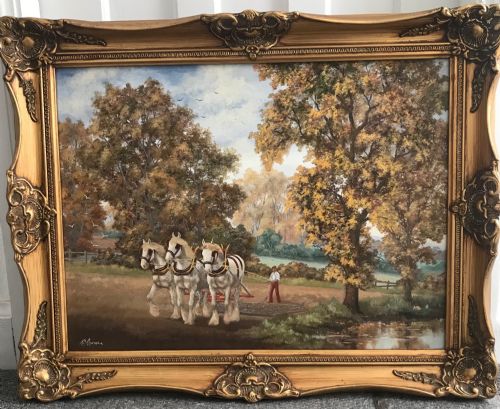
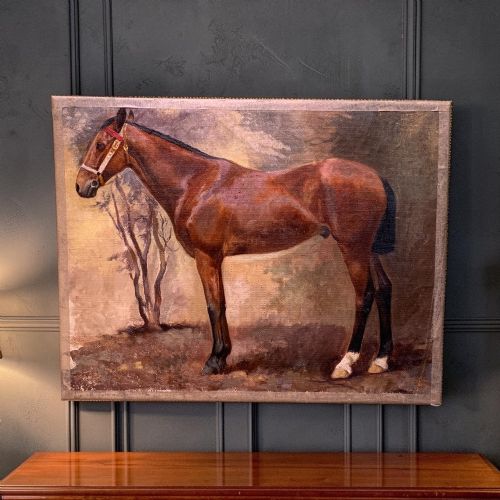
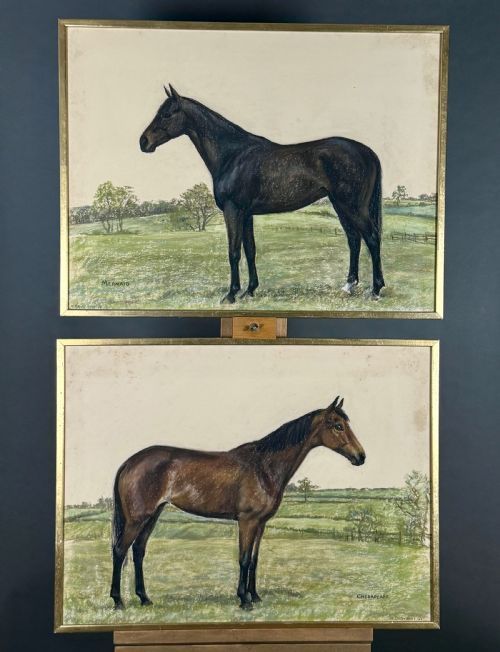
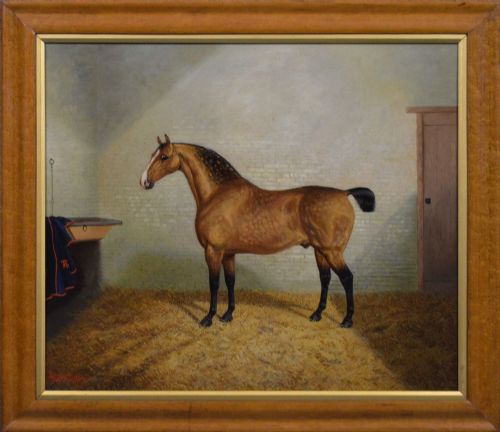
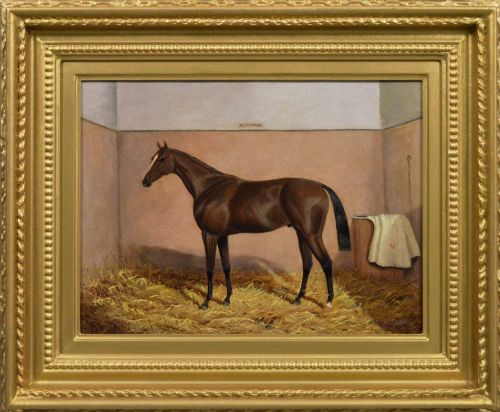
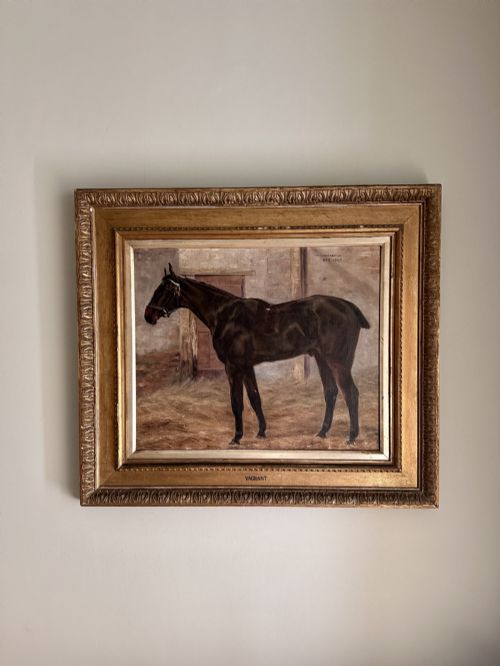
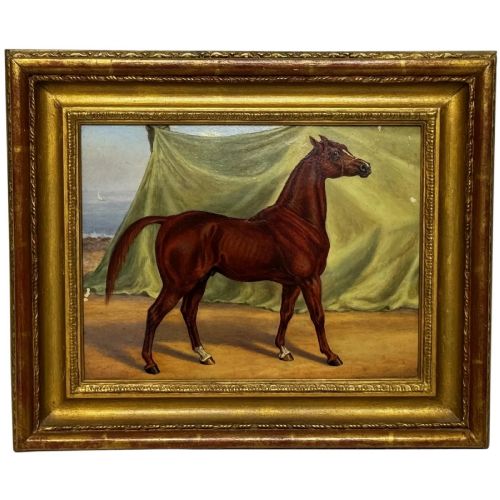
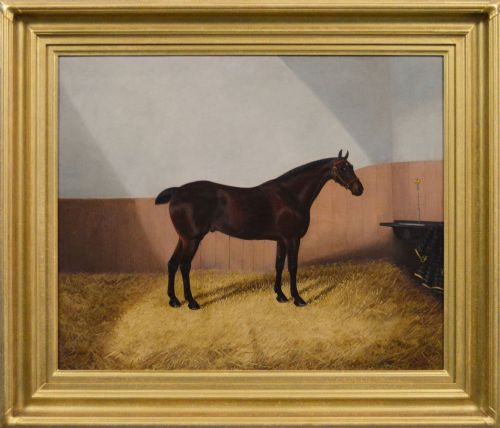
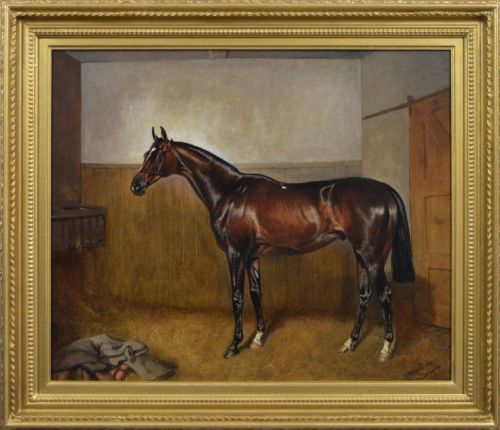
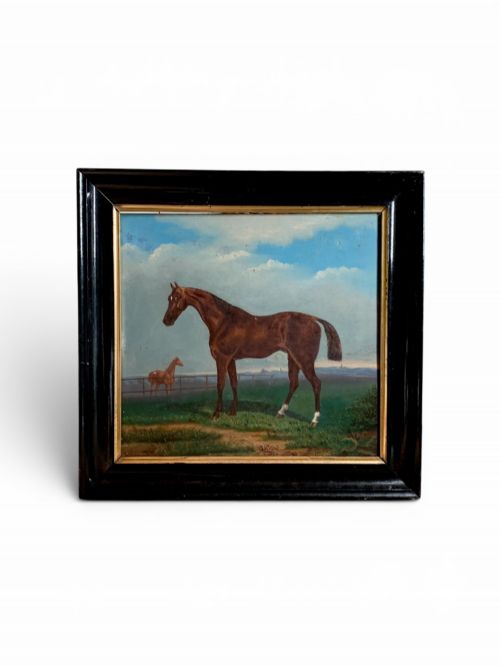
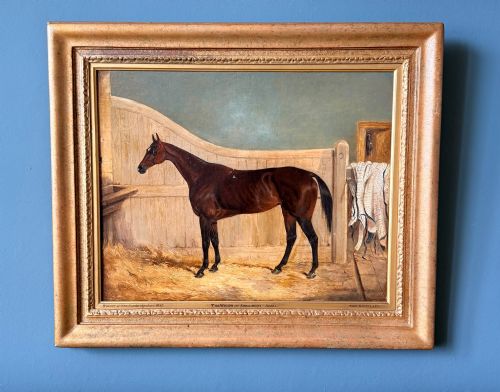
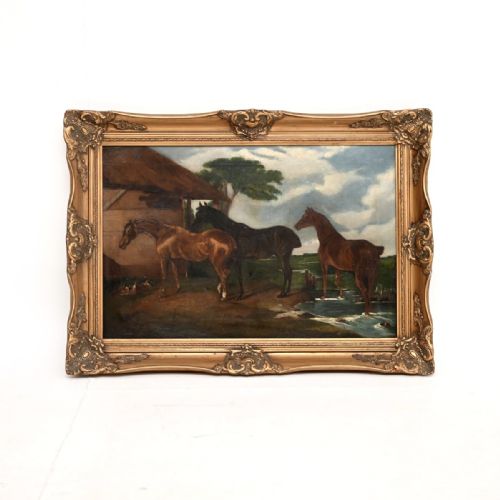
An antique equine portrait is a painted study of horses, ranging from individual hunters to celebrated racehorses shown in profile or stable settings. These works emerge from several distinct eras, including Georgian, Victorian, and Edwardian periods.
The pieces on this page appear on materials such as canvas and pine panel, rendered in traditional oil paint. Subjects include named animals by specific painters alongside anonymous studies of bays, chestnuts, and dappled buckskins.
How They Were Made
Artists built these compositions using oil paint applied to stretched canvas or prepared wooden supports like pine and oak panel. Pigments were layered to render the sheen of coats, muscle definition, and harness details with precision.
Finished works were frequently housed in heavy wooden frames, sometimes finished with gilt accents to suit formal domestic interiors.
Retail Price Guide 2026
Typical UK retail prices for equine portrait, calculated from the Sellingantiques database of over a million retail prices indexed since 2003. This retail price guide relies exclusively on Sellingantiques data; no external sources or auction records are used, so the figures do not describe the wider market.
Some equine sitters stare out with more personality than the humans who commissioned them.
What Varies in Quality
The distinction between standard works and exceptional examples lies in the anatomical accuracy of the animal and the handling of light across the coat. Master painters captured the intelligent eye and distinct conformation of a hunter rather than a generic silhouette.
Provenance and documentation elevate certain portraits, particularly those identifying a specific champion horse and bearing a clear signature or attribution to a recognised sporting artist.
Albert Clark·W Williams Pinxit·George E Sharpe·Walter Herbert Wheeler·James Barenger
The Antique Equine Portrait Glossary
- Pinxit
- Latin term meaning painted by, often found alongside an artist signature on eighteenth-century works.
- Panel
- A solid wooden support, such as pine or oak, used by artists as an alternative to stretched canvas.
- Bay
- A horse coat colour characterised by a reddish-brown body with black points on the mane, tail, and lower legs.
- Buckskin
- A coat colour featuring a yellowish or gold body with black points, seen in specific equine studies.
Frequently Asked Questions
What periods do these paintings come from?
The selection spans from the eighteenth century through the Victorian era and into the Edwardian period. Each era brings distinct framing styles and handling of the equine subject.
Georgian and nineteenth-century examples often emphasise working hunters or named champions, while later Edwardian works reflect the continued popularity of sporting art.
Are all the horses identified by name?
Many portraits record the specific name of the animal, such as Craig an Eran or Partisan, alongside the artist details. Other pieces portray fine hunters and stable subjects without recording a name.
Inscribed panels and canvases provide a direct link to the specific animals valued by owners and breeders in past centuries.
What surfaces were used for these portraits?
Artists painted on both traditional woven canvas and solid wooden supports including pine and oak panels. The choice of support often relates to the period and the preference of the individual painter.
Wooden panels offer a rigid ground that has preserved the detail of early oil pigments over the centuries.
How should I hang an oil painting?
Traditional oil paintings on canvas or panel benefit from stable indoor environments away from direct sunlight and excessive humidity. Proper picture wire and wall fixings suited to the weight of the wooden frame are essential.
Allowing adequate space around the portrait lets the rich tones of the horse coat and background stand out in a room.