

Traditional Sporting Oil Painting
Traditional sporting oil painting captures horses, hounds, and countryside pursuits across canvas and panel.
Traditional Sporting Oil Painting
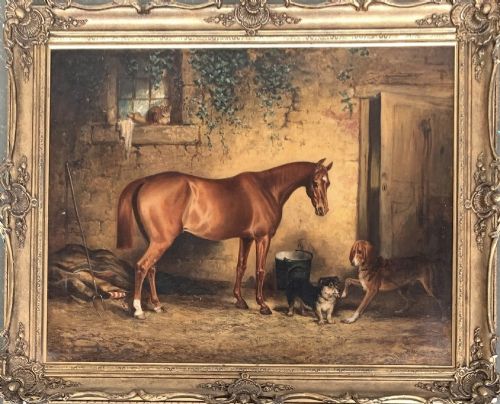
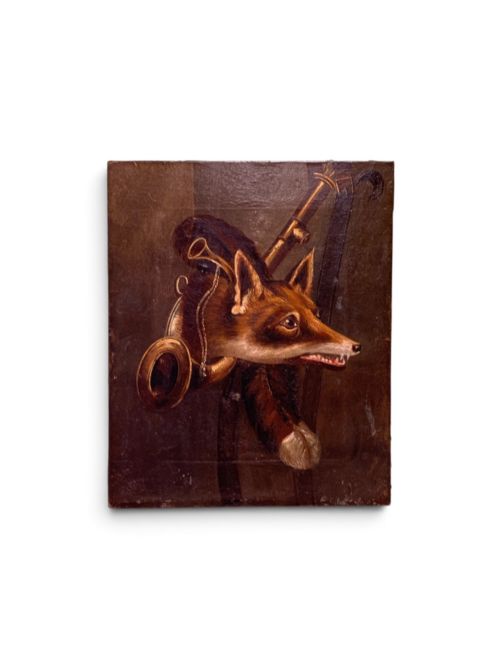
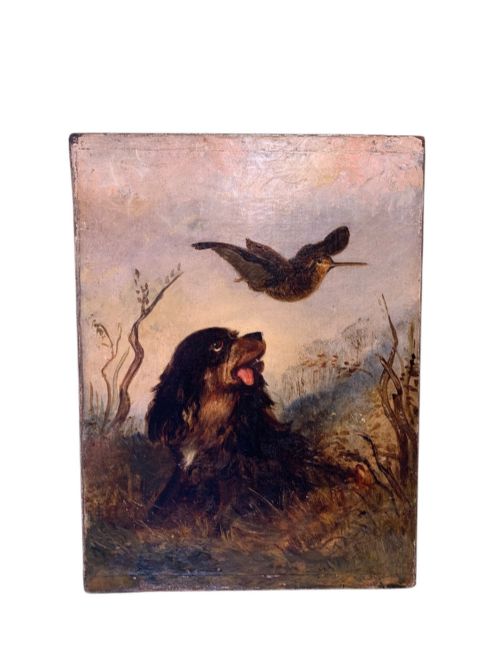
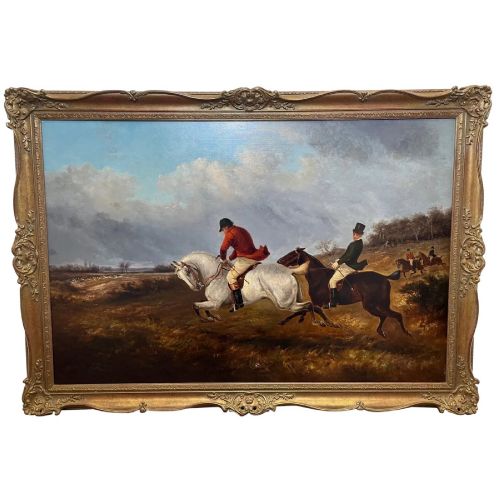
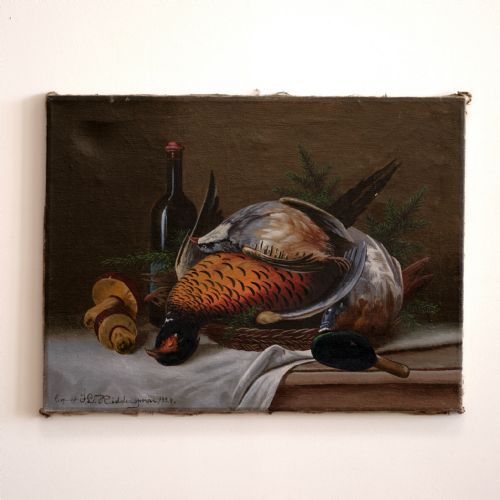
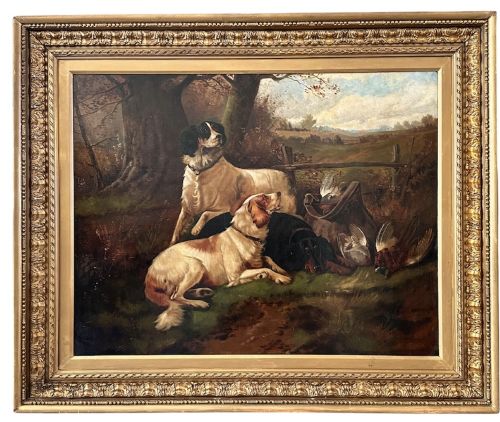
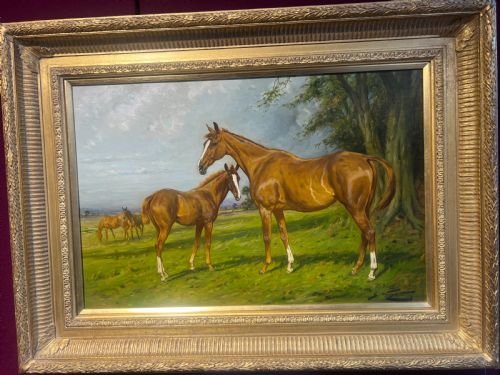
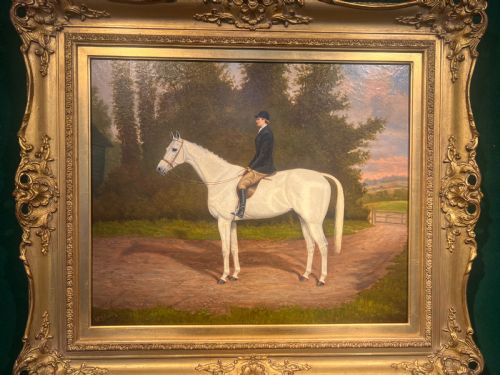
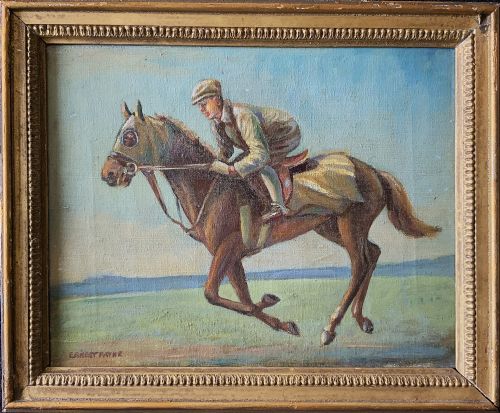
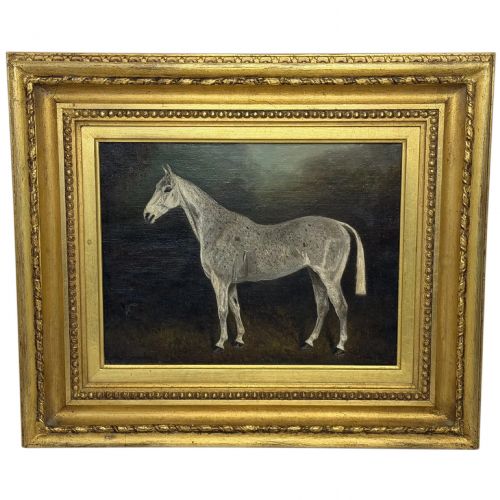
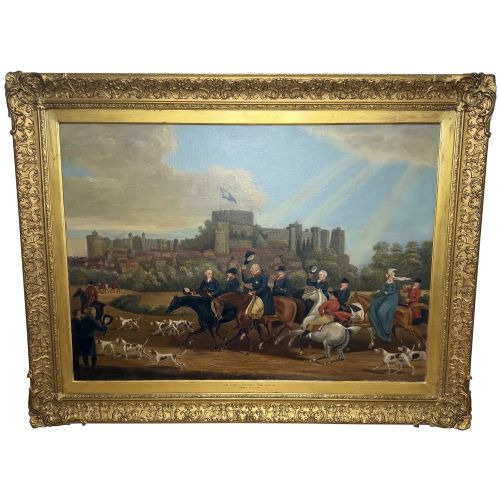
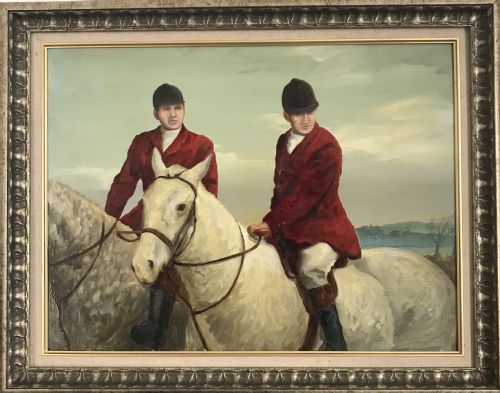
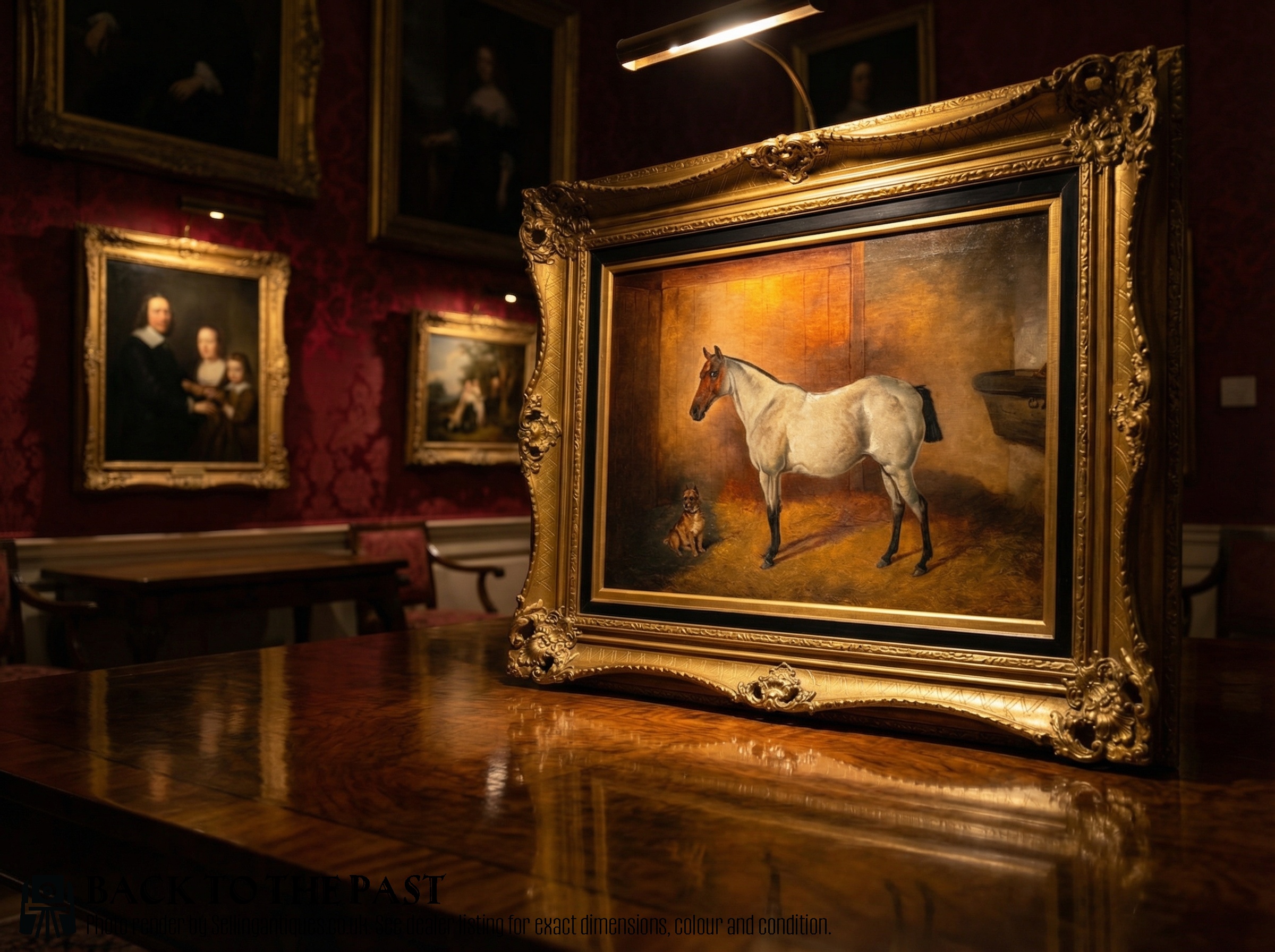
A traditional sporting oil painting depicts equine portraits, hunting scenes, coaching subjects, and gun dogs. These works record the horses, hounds, and landscapes valued by past owners.
The selections available here range from nineteenth century Victorian canvases to early twentieth century pieces. Buyers frequently encounter individual animal portraits alongside narrative hunting scenes.
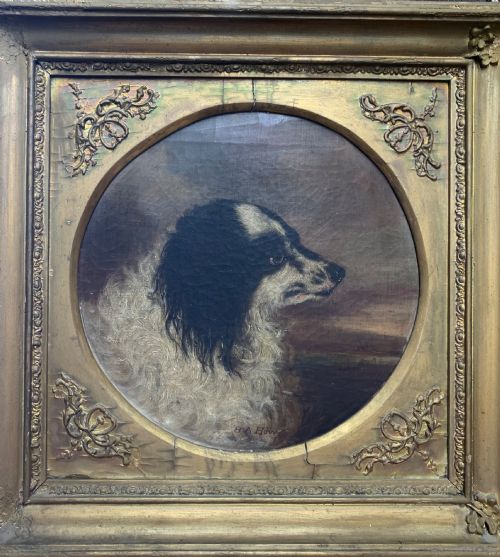
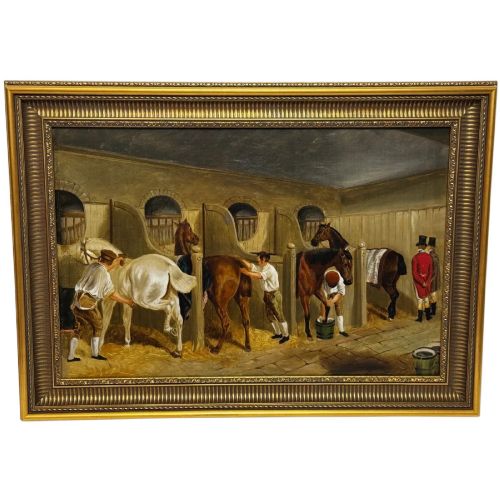
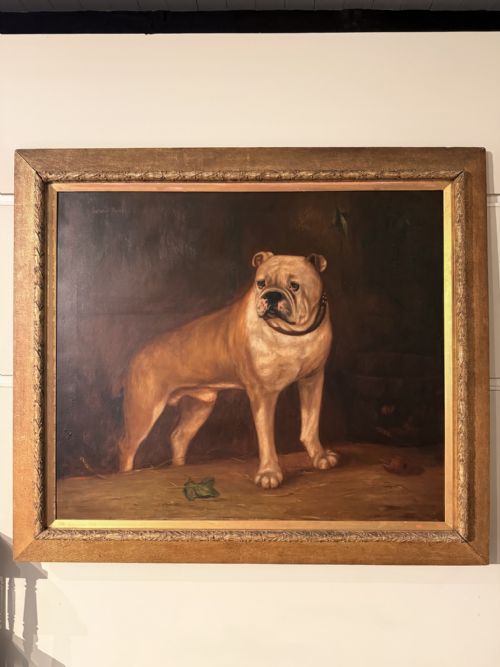
Equine studies dominate the selection, showing named racehorses, hunters, and stable scenes. Canines appear equally often, spanning spaniels, setters, and hunting hounds.
Quality variations
Quality rests on the painter's anatomical precision and ability to render the character of the animal. Masterful brushwork distinguishes a lively portrait from a stiff record.
Compositional balance and the preservation of the original paint surface influence the standing of each piece. Surviving signatures and attribution to recorded artists elevate historical interest.
Traditional Sporting Oil Painting Retail Price Guide 2026
Typical asking prices for traditional sporting oil painting among the pieces listed under this phrase on Sellingantiques today, from the lower quarter to the upper quarter. They describe what is for sale here now, not the wider market.
Henry Barraud·Thomas Smythe·John Sargent Noble·George Wright·William Albert Clarke·Ernest Payne·Thomas Walker Bretland·Benjamin Blake·John Arthur Lomax·Albert Clark·C W Tuck·John Sanderson Wells·William Barraud·William Williams·Philip Henry Rideout·George Armfield·Edward Lloyd of Ellesmere·George E Sharpe·Charles Faulkner·Fannie Moody
The Traditional Sporting Oil Painting Glossary
- Canvas
- A heavy woven fabric stretched across a wooden frame to serve as the support for the oil paint.
- Giltwood
- Wood carved and covered with a thin layer of gold leaf or metallic gilt, commonly seen on period frames.
- Panel
- A flat piece of wood used as a rigid surface for painting in place of flexible canvas.
- Provenance
- The documented history of a painting's ownership and origin, establishing its authenticity.
- Grisaille
- A painting executed entirely in shades of grey or neutral monochrome, often used as a preparatory study or finished effect.
Traditional Sporting Oil Painting: Frequently Asked Questions
What subjects appear in traditional sporting art?
These works focus primarily on horses, hounds, and country pursuits. Common subjects include racehorse portraits, hunting meets, and canine studies.
Paintings range from solitary animal portraits to wide landscapes showing hunts in progress. Coaching scenes also feature among the rural subjects.
How do I date a sporting painting?
Dating relies on stylistic clues, costume details, and artist biographical dates recorded on the canvas or frame. Nineteenth century works often display heavier Victorian framing and specific narrative styles.
Clothing styles on riders and handlers offer reliable chronological markers. Signatures and inscriptions on the reverse frequently confirm the exact year of execution.
Where were these paintings displayed originally?
Landowners and patrons hung these works in country houses, estate libraries, and stable offices. They served to commemorate prized horses, successful hunts, and favored gun dogs.
Many pictures celebrated specific race winners or famous packs of hounds. Their scale often suited the large wall panels of period reception rooms.
How should I care for an oil painting?
Keep the canvas away from direct sunlight and steady humidity levels to prevent cracking in the oil paint. Dust the surface gently with a soft, dry brush without applying moisture or cleaning agents.
Inspect the gilt frame periodically to ensure the wood and finish remain stable. Professional conservators should handle any deeper cleaning or canvas repairs.