
Framed Equestrian Canvas
Framed equestrian canvas works bring the powerful presence of horses and racing history directly into a room.
Framed Equestrian Canvas
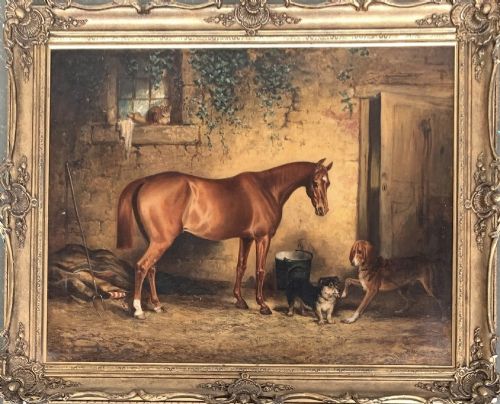
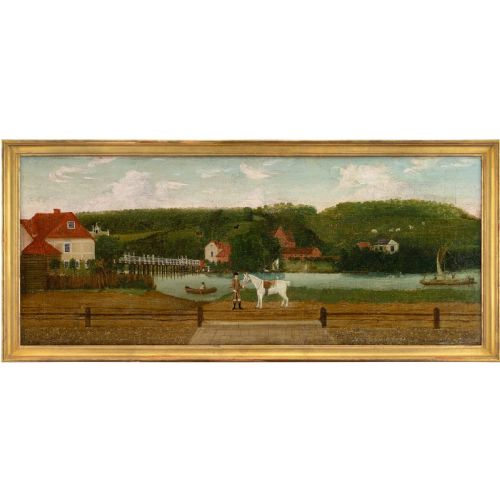
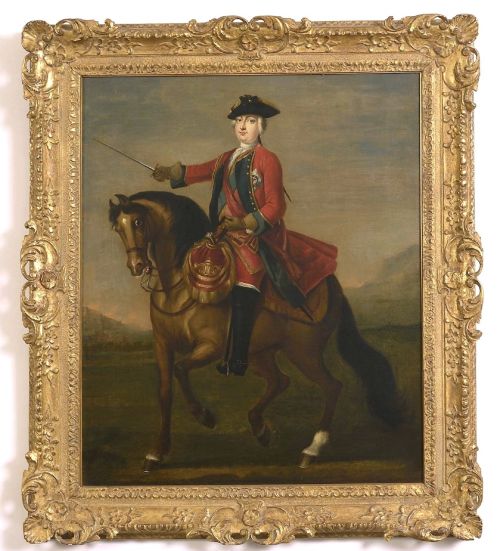
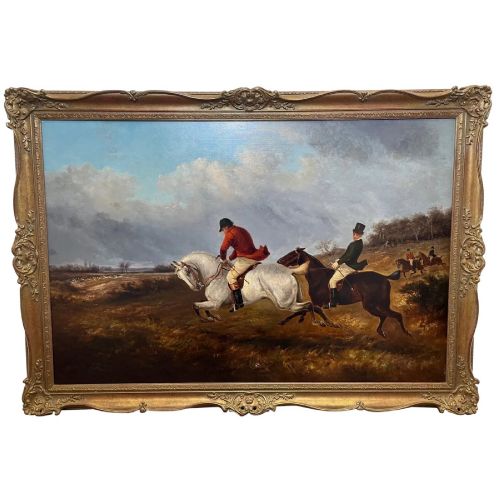
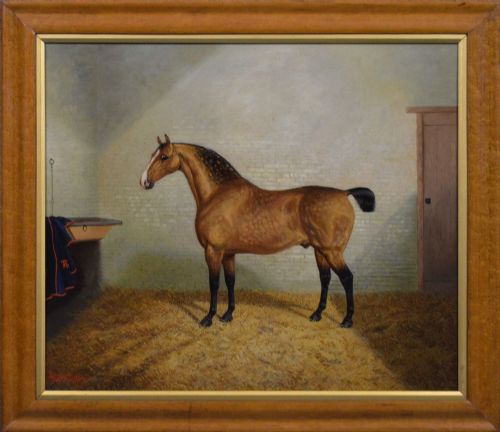
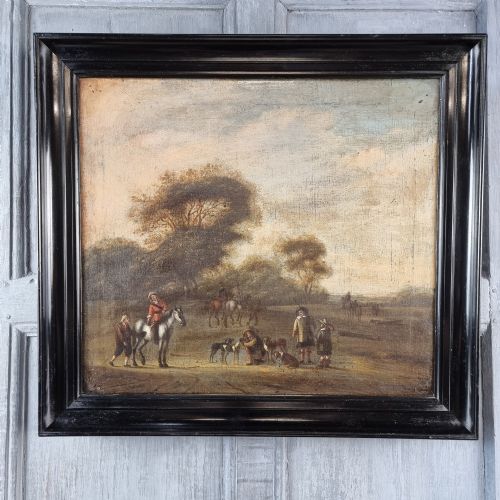
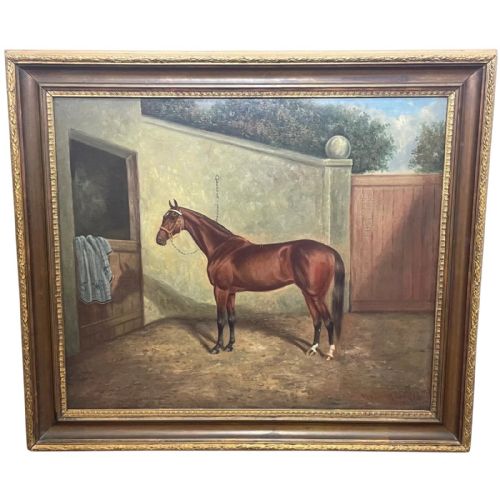
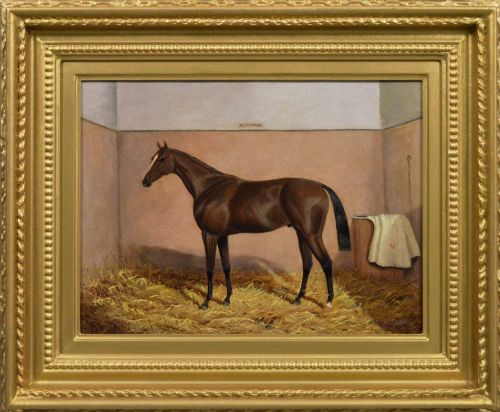
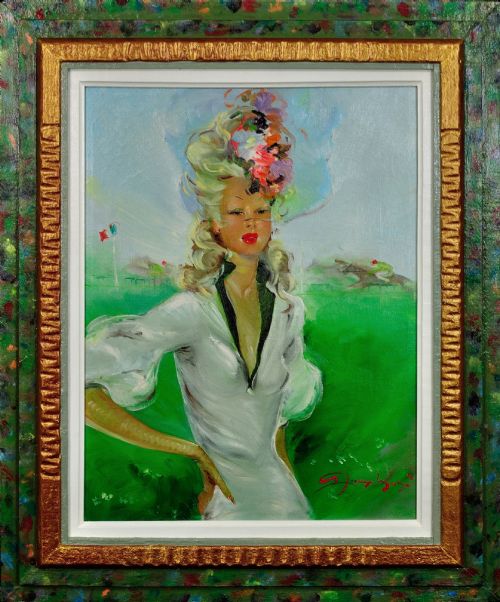
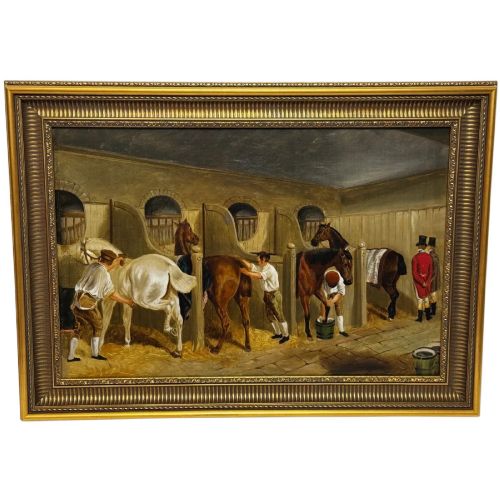
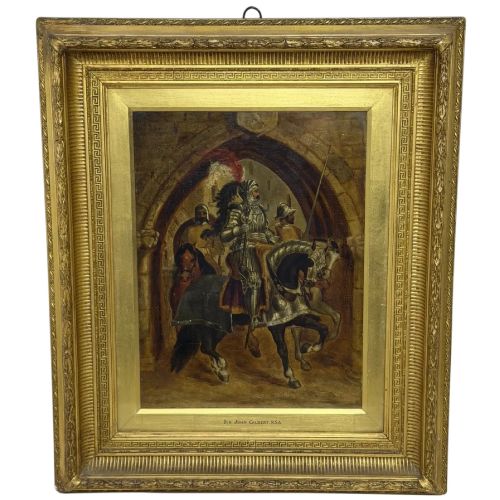
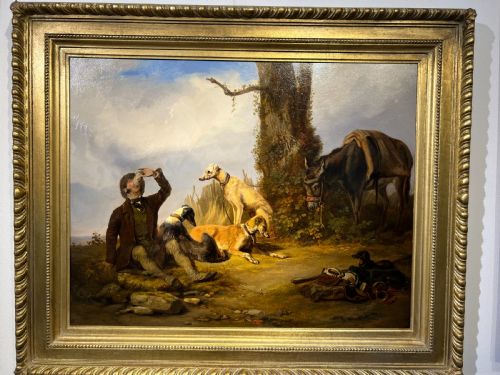
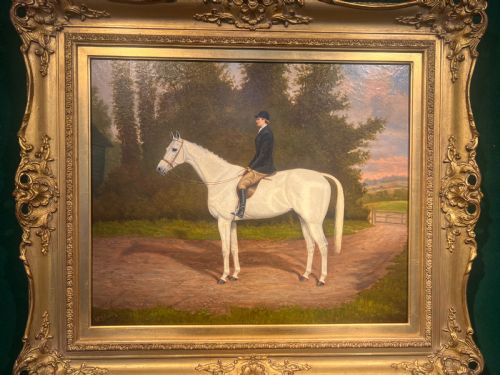
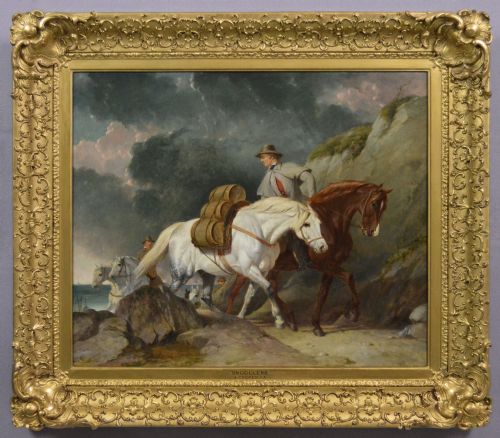
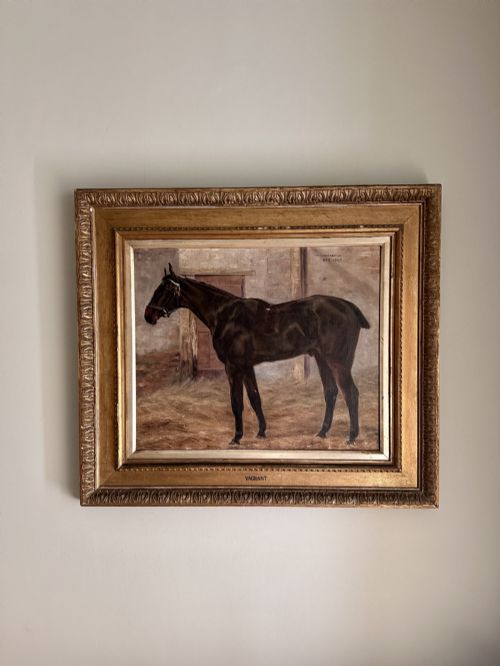
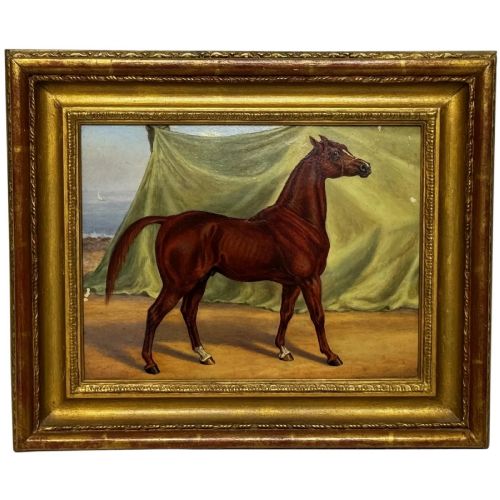
A framed equestrian canvas captures horses, riders, and racing scenes through traditional painted compositions. These works span centuries of sporting art, depicting individual portraits of champion racehorses alongside bustling hunt scenes and quiet stable yards.
Most pieces encountered on this page stem from the Victorian era up through the mid twentieth century, rendered in oil on canvas. They range from intimate studies of ponies to large narrative paintings of hounds and riders crossing open landscapes.
The subjects reflect a deep British sporting heritage, recording celebrated race winners, local mares, and working animals in regional settings. Each piece preserves a specific moment in equine history within its original or period frame.
How they were made
Artists built these works by stretching woven canvas over wooden frames, priming the surface before applying oil paint. This combination allowed for rich layering of colours, capturing the sheen of a horse coat and the varied textures of landscapes.
Moulded wooden and giltwood frames completed each piece, designed to protect the edges of the canvas and provide a finished boundary for the artwork. The choice of frame often matches the period of the painting itself, utilising traditional gilding or carved wood details.
Framed Equestrian Canvas Retail Price Guide 2026
Typical asking prices for framed equestrian canvas among the pieces listed under this phrase on Sellingantiques today, from the lower quarter to the upper quarter. They describe what is for sale here now, not the wider market.
Listings feature works spanning from the seventeenth century through the mid twentieth century, executed in oil on canvas.
What varies in quality
Anatomy and movement separate standard equine studies from exceptional works. The most accomplished paintings capture the specific weight, muscle structure, and temperament of the animal rather than relying on generic outlines.
Brushwork and light handling define the depth of a canvas. Master painters render the atmosphere of a stable or the energy of a race through confident, varied strokes that bring texture to the horse's coat and the surrounding landscape.
Thomas Smythe·Albert Clark·Abraham Cooper·Fred Fitzpatrick·John Ferneley Senior
The Framed Equestrian Canvas Glossary
- Oil on Canvas
- A traditional painting medium where pigments suspended in oil are applied to a woven fabric stretched across a wooden support. This combination offers rich depth and longevity.
- Giltwood
- Wood that has been covered with a thin layer of gold leaf or gold paint. Frames finished in this manner add warmth and a formal boundary to the painting.
- Sporting Art
- A genre of painting dedicated to rural sports, horse racing, and animal portraits. It records the history of equestrian culture and agricultural life.
- Equine Portrait
- A dedicated painting of a specific horse, often commissioned to record a famous race winner or a prized hunter. These works focus closely on the individual animal's distinct markings.
Framed Equestrian Canvas: Frequently Asked Questions
How do I care for an old oil canvas?
Keep the painting away from direct sunlight and fluctuating humidity to protect both the canvas and the wooden frame. Dust the surface gently with a soft, dry brush without applying pressure to the paint.
Avoid using water or cleaning solutions on the canvas. If the paint requires deeper cleaning, consult a professional art conservator rather than attempting repairs at home.
Are these paintings in original frames?
Many older pieces retain their period frames, which can be made of carved wood or giltwood matching the era of the artwork. These frames show age appropriate wear that complements the history of the canvas.
Some works may have been reframed later in their lifespan to suit changing interior tastes. Checking the corners and back of the frame helps determine its age relative to the painting.
How can I tell the age of a painting?
Examine the materials visible on the reverse of the canvas, such as the type of wood used for the stretcher bars and the composition of the canvas weave. Older pieces often feature hand-split wedges and oxidized tacks.
Artist signatures, dated inscriptions, and stylistic clues within the clothing or landscape also provide reliable dating. Comparing the brushwork to known periods helps narrow down the decade of creation.
Where should I hang equestrian art?
These works suit traditional living spaces, studies, or hallways where their rich tones and narrative scenes can be appreciated at close range. Pair them with neutral wall colours to let the warm hues of the oil paint stand out.
Ensure the hanging location avoids damp walls or excessive heat sources like fireplaces. Proper placement protects the wooden stretcher and keeps the canvas stable over time.