


Gold Gilt Wall Art
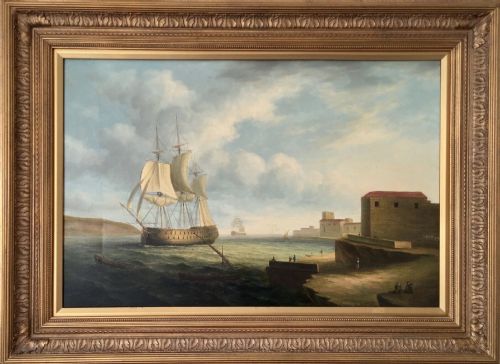
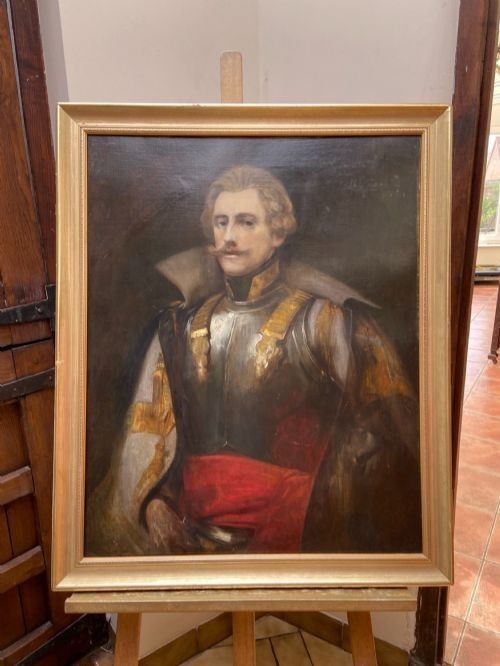
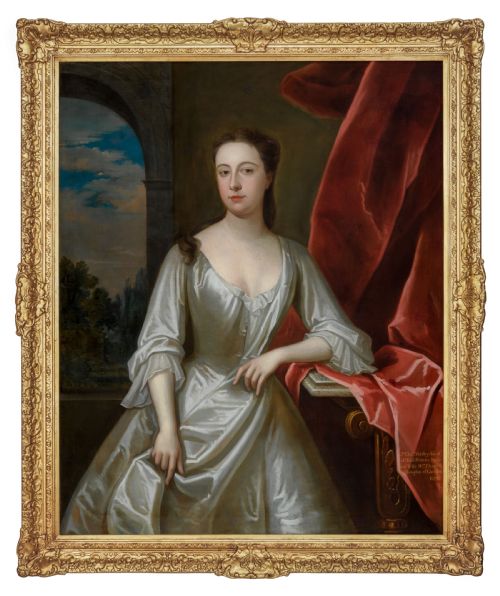
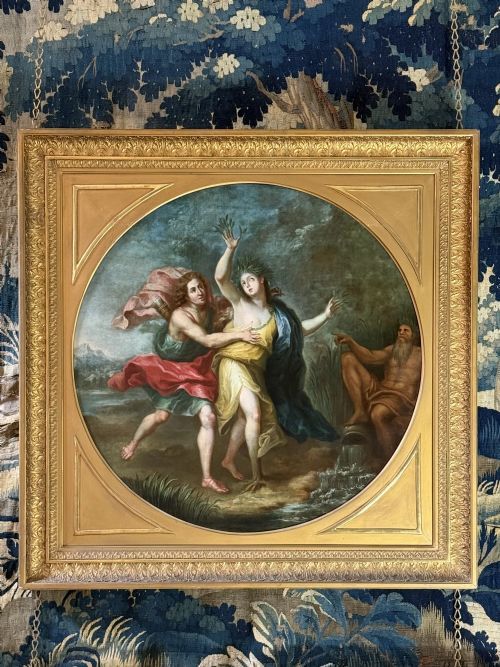
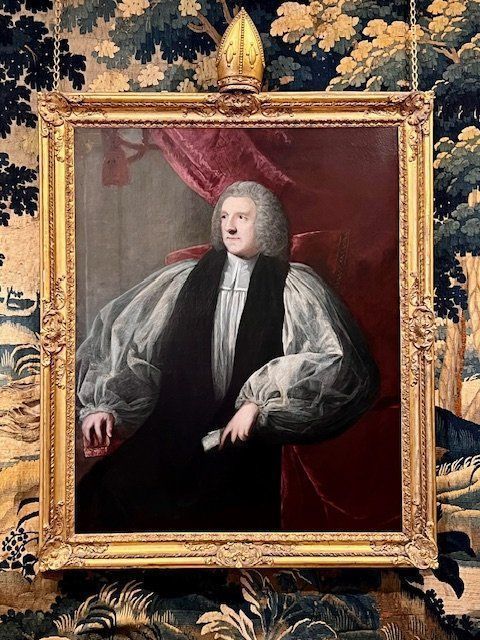
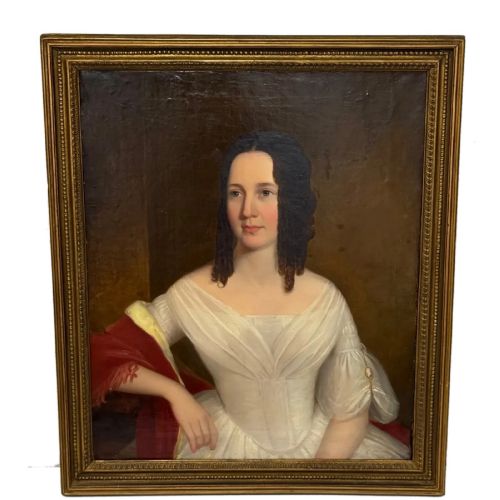
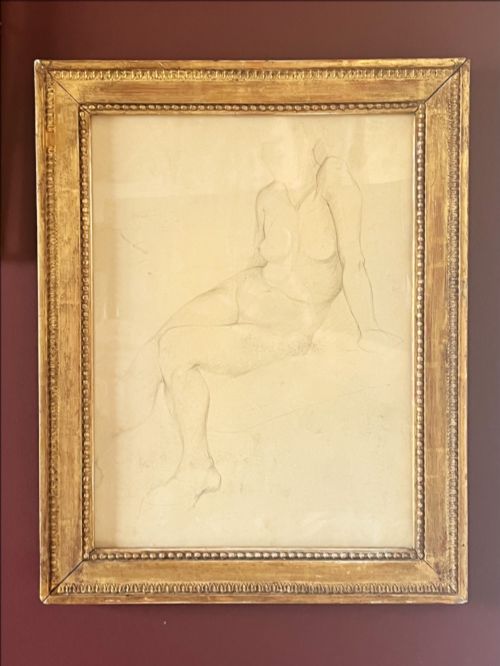
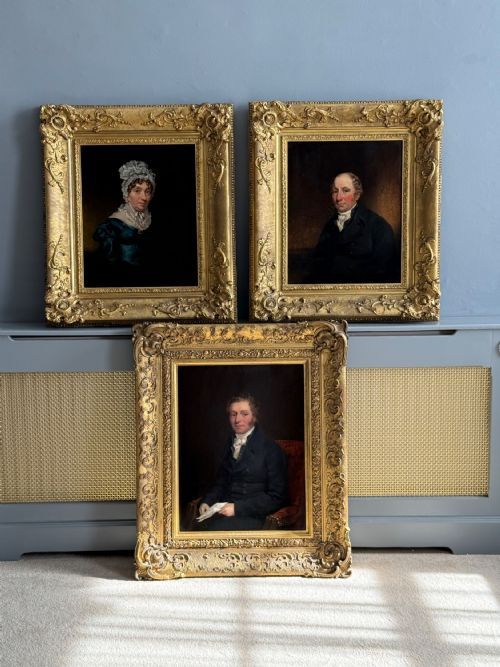
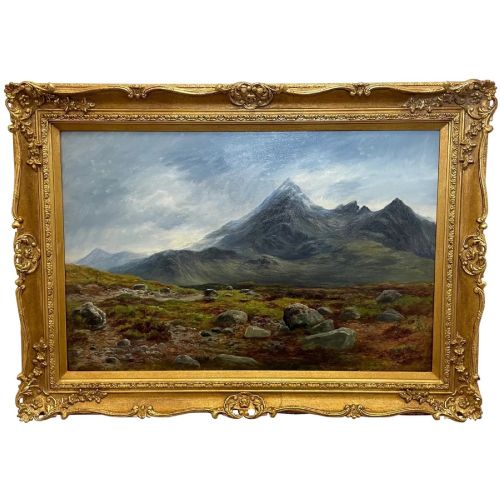
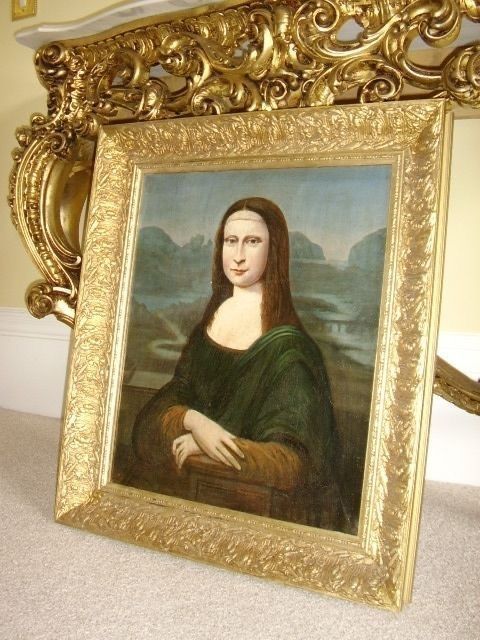
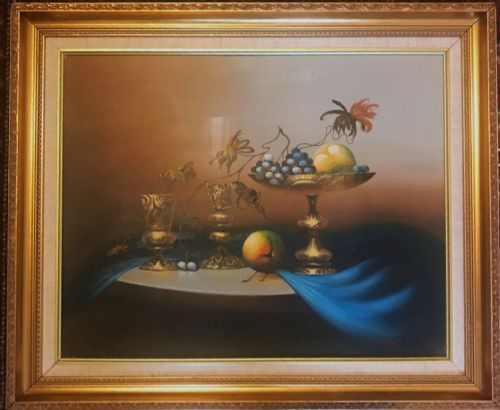
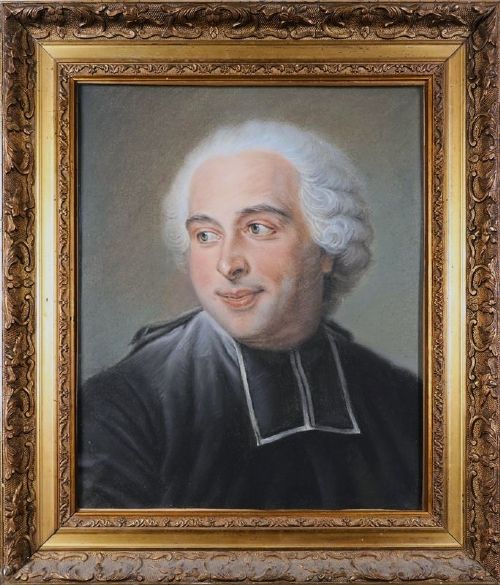
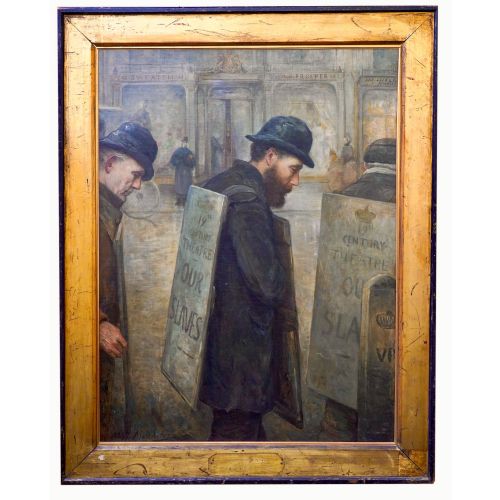
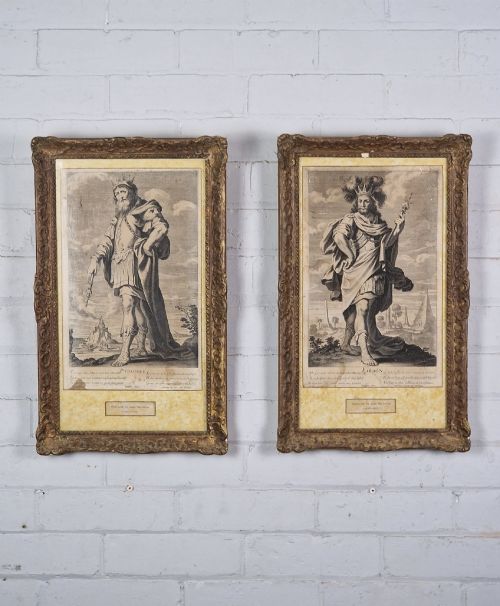
These gold gilt wall art pieces combine period oil paintings and works on paper with carved, gilded frames spanning several centuries.
Gold Gilt Wall Art
When you search for gold gilt wall art, you encounter a curated selection of historical oil paintings, pastels, and framed engravings housed in decorative metallic frames. The pieces on this page lean heavily towards portraiture, landscapes, and still life compositions originating from the seventeenth century through to the mid-twentieth century.
The majority of items meeting this description present canvas or panel works enclosed in traditional giltwood and gilt gesso surrounds. These range from grand eighteenth-century portraits attributed to notable schools to smaller nineteenth-century landscapes and later botanical studies.
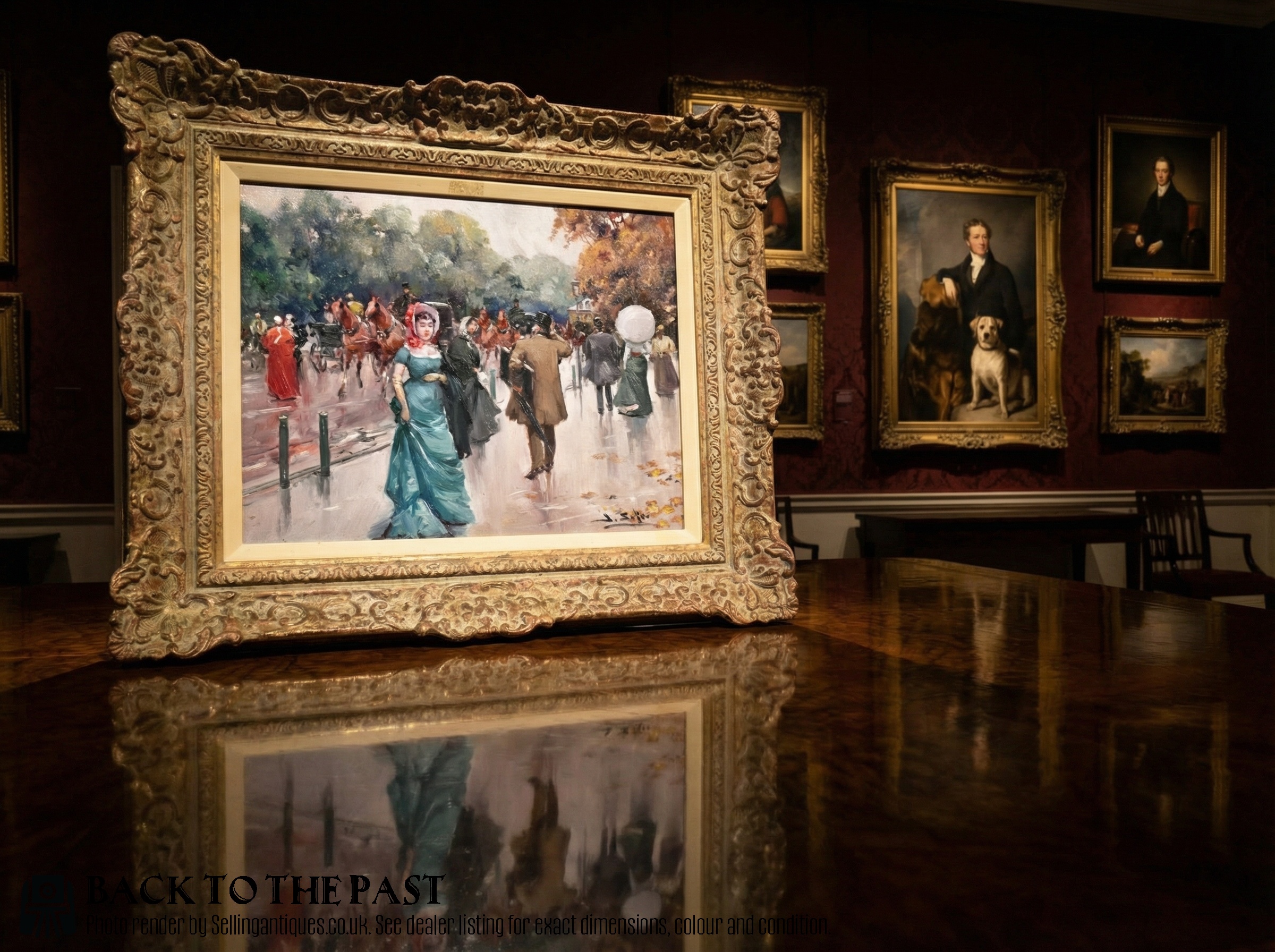
The aesthetic is defined by the interplay between the painted canvas and the reflective warmth of the surrounding gold leaf frame. Such items served traditionally to project status in stately homes, and today they anchor domestic interiors with established historical character.
Materials and Techniques
The underlying surfaces comprise woven canvas, wooden panels, and heavy paper, upon which artists applied oil paint, pastel, or ink. Oil on canvas dominates the selection, frequently paired with thick pigments that retain visible brushstrokes.
Frames are constructed from solid wood, moulded gesso, and carved elements finished with fine layers of gold leaf or metallic gilt. Giltwood and gilt gesso techniques require skilled hand-carving and careful application of leaf over a prepared bole base to achieve a deep, enduring lustre.
Gold Gilt Wall Art Retail Price Guide 2026
Typical asking prices for gold gilt wall art among the pieces listed under this phrase on Sellingantiques today, from the lower quarter to the upper quarter. They describe what is for sale here now, not the wider market.
Listings feature works ranging from the seventeenth century to the mid-twentieth century, utilising oil on canvas, paper, and giltwood.
Assessing Craftsmanship and Condition
The distinction between standard works and superior pieces lies in the fidelity of the brushwork and the depth of the frame's hand-carved ornamentation. Masterful portraiture demonstrates subtle handling of light on fabric and flesh, whereas lesser examples can appear stiff or formulaic.
Frame integrity heavily influences the overall character of the piece. Authentic period frames featuring crisp, deep-relief gesso mouldings and original gold leaf gilding elevate the historical weight of the artwork significantly compared to later replacement surrounds.
Sir Godfrey Kneller·Charles-Antoine Coypel·Sir Joshua Reynolds·Joseph Clover·Sir Peter Lely·Lemuel Francis Abbott
The Gold Gilt Wall Art Glossary
- Giltwood
- Wood that has been coated with gold leaf or a gold-coloured metallic finish. This material forms the primary structure for many traditional decorative picture frames.
- Gesso
- A plaster-like mixture applied to wood frames to create a smooth surface for carving and gilding. Artisans use it to build up raised decorative motifs before applying the gold leaf.
- Oil on Canvas
- Pigment mixed with drying oil applied to a stretched woven fabric support. This technique allows for rich colour blending and long-term durability.
- Provenance
- The documented history of ownership surrounding an artwork. Clear records help establish authenticity and past exhibition history.
- Oleograph
- A mechanical colour lithograph designed to imitate an oil painting, often textured to simulate canvas. These emerged as popular reproductions of classical works.
Gold Gilt Wall Art: Frequently Asked Questions
How do I hang a heavy giltwood frame safely?
Heavy frames require wall fixings anchored directly into masonry or timber studs rather than standard plasterboard plugs. Utilise appropriate picture wire or mirror plates rated well above the total weight of the canvas and frame combined.
Position the centre of the artwork at approximate eye level to ensure balanced visual weight within the room. Ensure the hanging location avoids direct, prolonged sunlight to protect both the oil pigments and the delicate gilt surface.
What is the difference between an original oil and an oleograph?
An original oil painting consists of hand-applied pigments on canvas or panel, displaying distinct brush textures and layered depths of colour. These pieces represent unique historical works created directly by the artist.
An oleograph is a later printed reproduction that uses lithography to mimic the appearance of paint. They often feature an artificial canvas texture pressed into the surface to deceive the eye.
Can I mix different centuries of wall art together?
Mixing seventeenth-century portraits with nineteenth-century landscapes and twentieth-century drawings creates a dynamic, layered interior. The unifying element across these disparate eras is the warmth and texture of the gilt framing.
Allow the common materials of wood, canvas, and gold leaf to bridge chronological gaps on the wall. Grouping works by frame style or tonal palette rather than strict date prevents the display from looking like a museum.