
Framed Equestrian Wall Art
Framed equestrian wall art brings the energy of the stables and the racecourse directly into a room through historic depictions of horses.
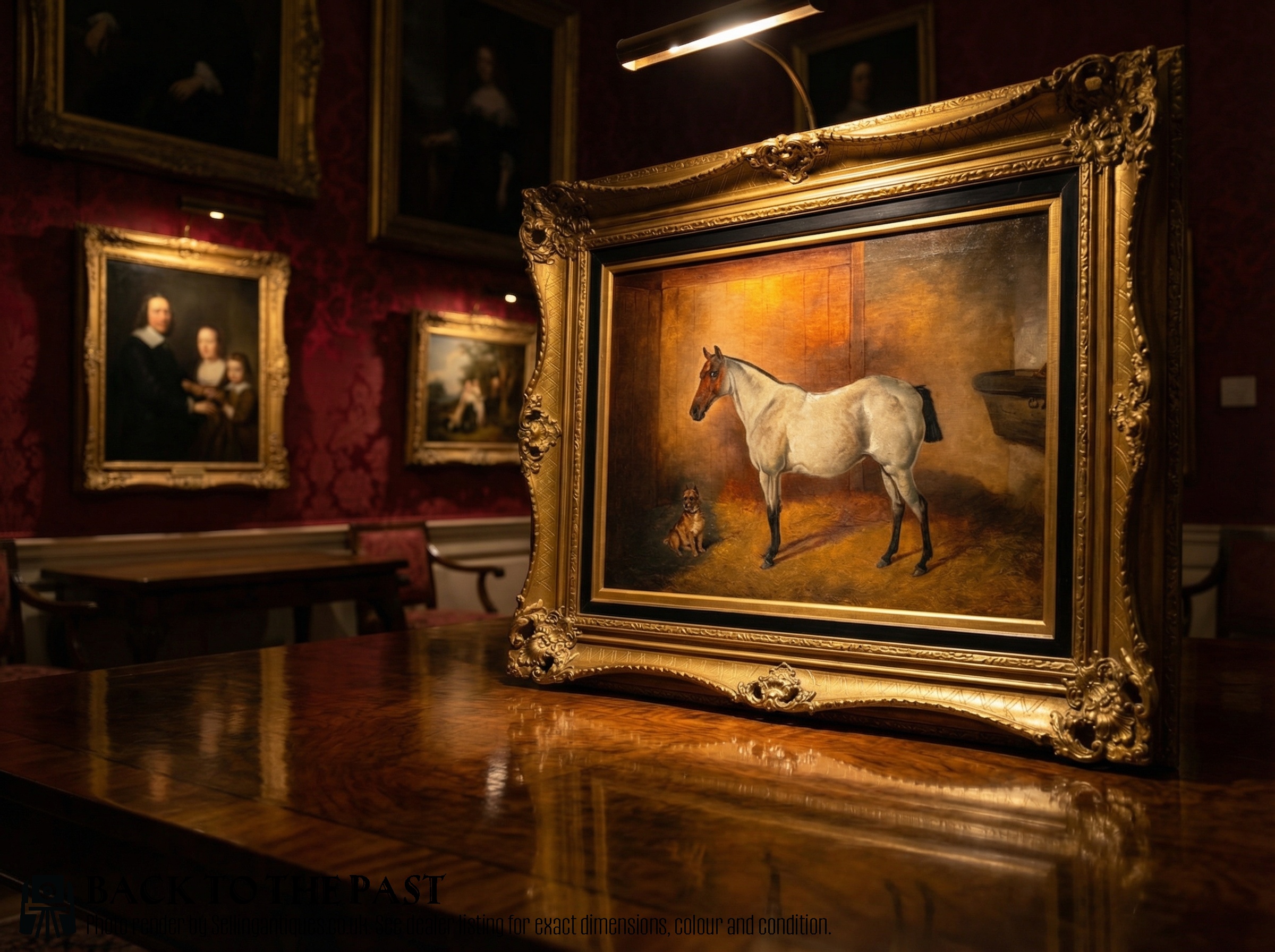
Framed Equestrian Wall Art
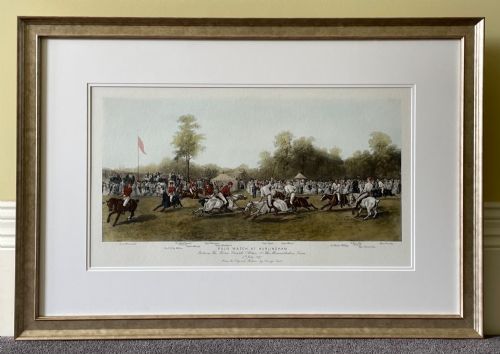
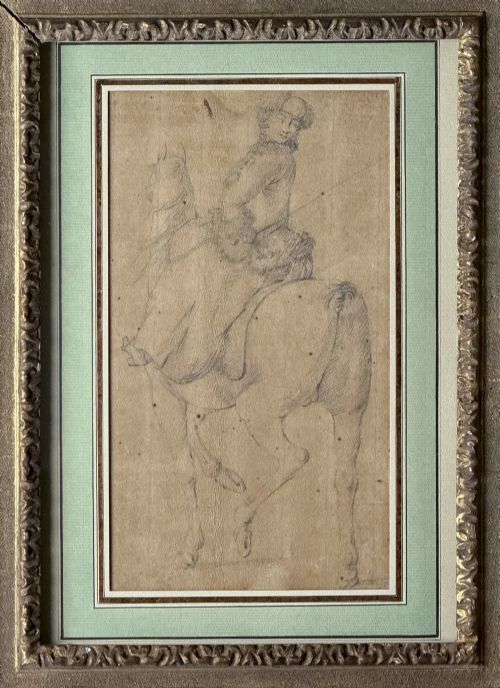
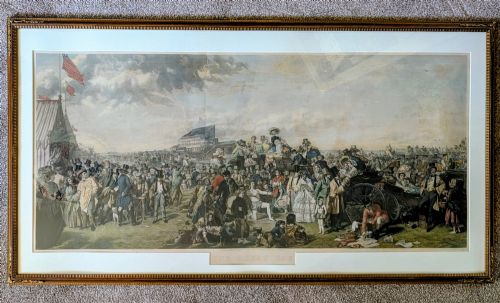
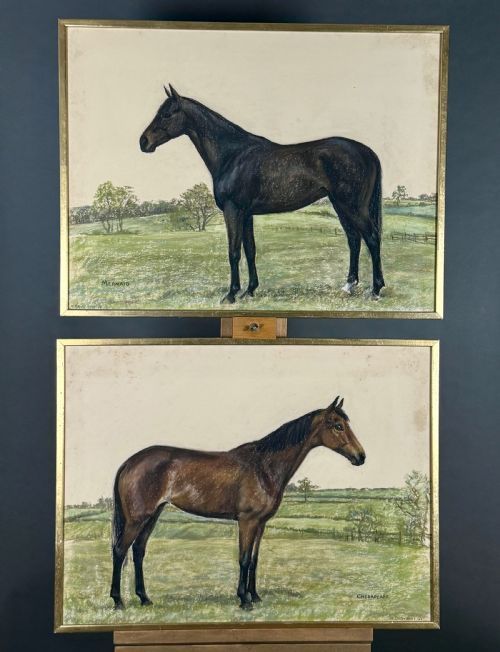
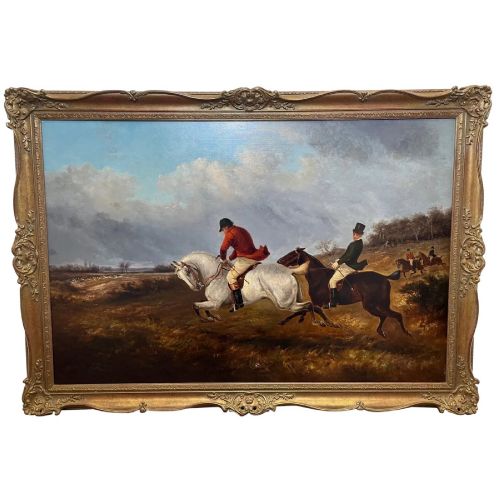
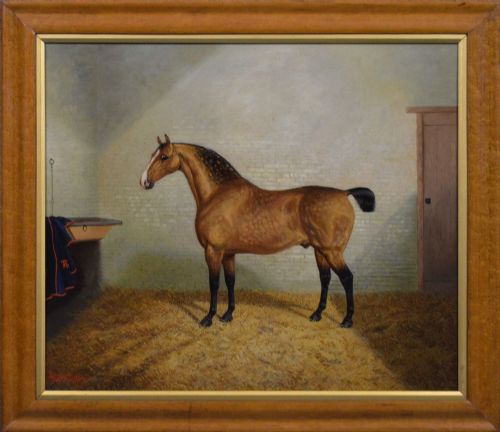
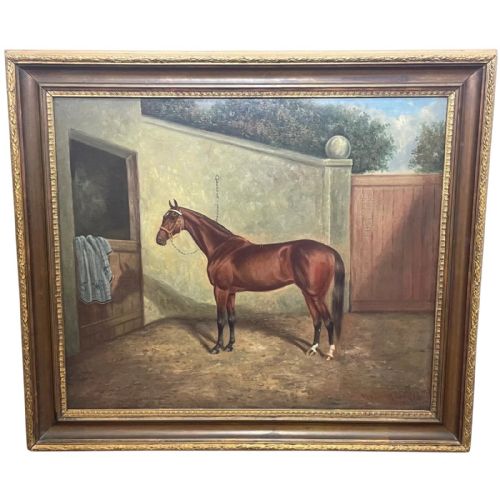
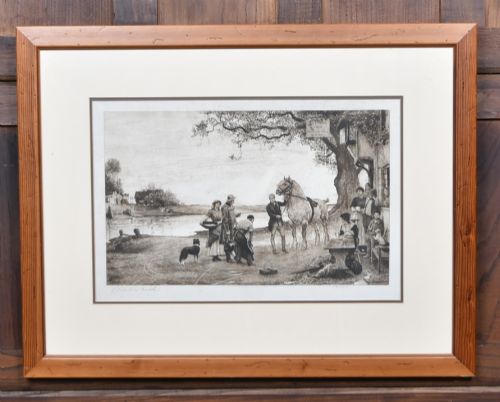
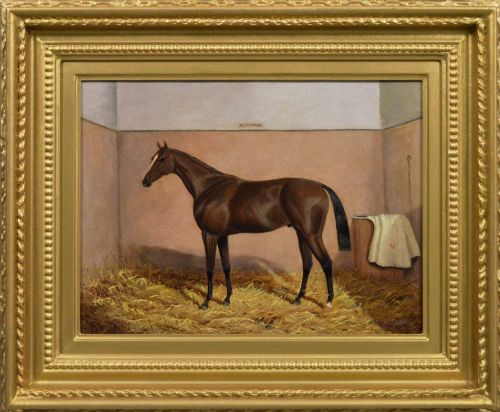
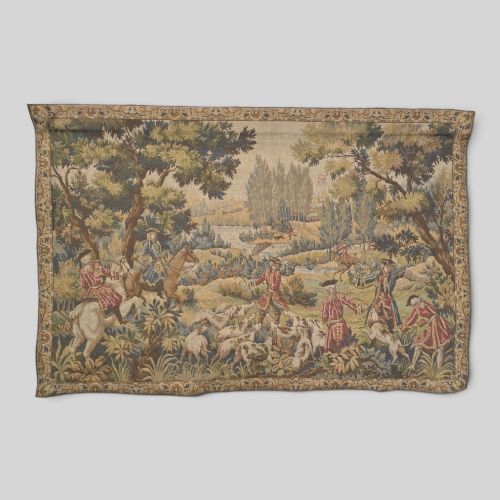
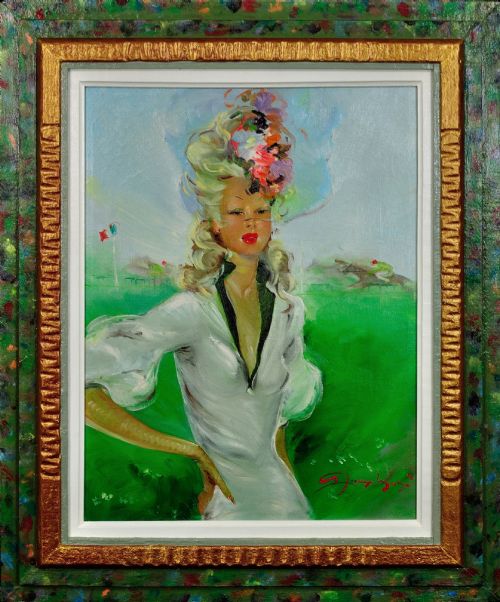
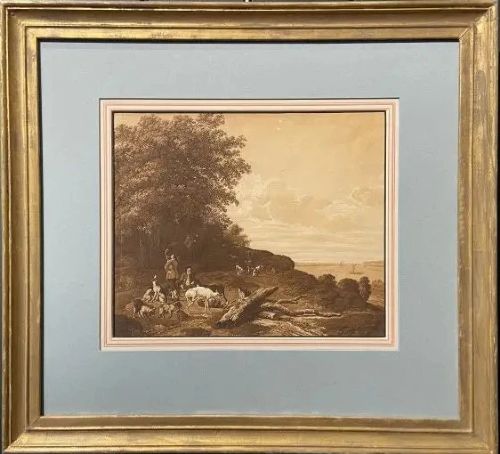
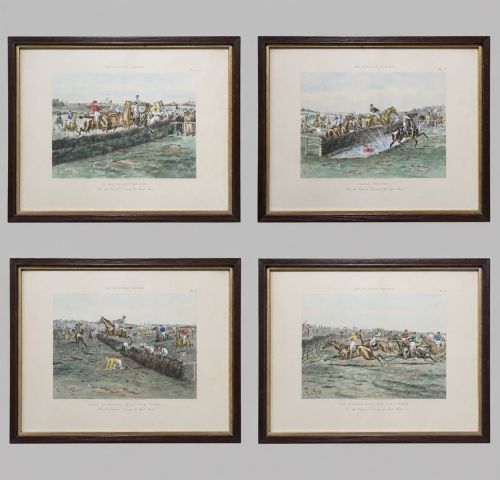
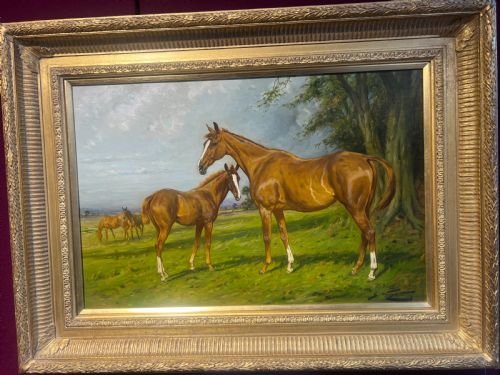
Framed equestrian wall art encompasses a diverse selection of historic depictions centred on horses, racing, hunting and rural life. Buyers browsing this phrase will encounter everything from nineteenth-century oil paintings to hand-coloured copper engravings and mid-century pastels.
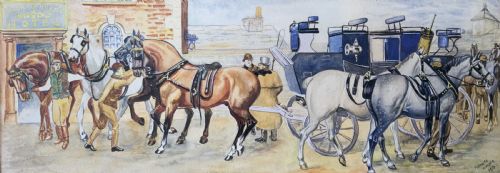
The selection ranges from detailed portraits of named racehorses and hunters to spirited hunting scenes and coaching watercolours. Victorian and nineteenth-century British pieces form a substantial part of the selection alongside earlier Georgian works and twentieth-century prints.
How They Were Made
Artists and printmakers utilised traditional mediums including oil paint on canvas, watercolour and pastel on paper, alongside various print techniques. Engravings and lithographs were frequently hand-coloured or produced as aquatints to capture the rich tones of coats and landscape details.
Framing forms an integral component of these works, utilising materials such as wood, giltwood and glass to protect and present the paper, canvas or panel. Many pieces retain their period frames, which contribute materially to the overall character of the wall art.
Framed Equestrian Wall Art Retail Price Guide 2026
Typical asking prices for framed equestrian wall art among the pieces listed under this phrase on Sellingantiques today, from the lower quarter to the upper quarter. They describe what is for sale here now, not the wider market.
The listings span from the eighteenth century to the mid-twentieth century, featuring materials like oil on canvas, paper, glass, and giltwood.
What Varies in Quality
Quality in these depictions depends heavily on the anatomical accuracy of the horse and the handling of light across the musculature and coat. The skill of the artist in conveying movement, whether in a galloping hunter or a stable portrait, dictates the distinction between standard decorative works and masterly studies.
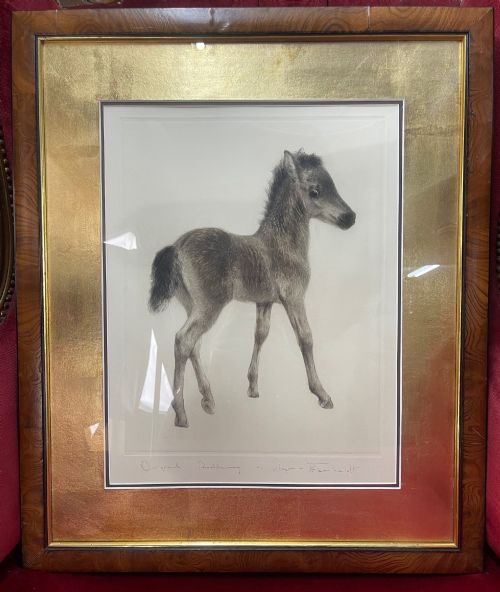
The choice of medium and the preservation of the surface layer, whether oil paint, drypoint or watercolour, influence the visual impact. Works bearing clear attribution to known equine painters or accompanied by documented provenance command greater recognition among collectors.
Kurt Meyer Eberhardt·William Powell Frith·Thomas Smythe·Albert Clark·Robert W Macbeth·Jean Gabriel Domergue·Johannes Lingelbach·George Finch Mason·Abraham Cooper·Henry Barraud·Fred Fitzpatrick·Ernest Payne·Edward Priestley·John Alfred Wheeler·Edwin Henry Landseer·Thomas Walker Bretland·John Frederick Herring Snr
The Framed Equestrian Wall Art Glossary
- Drypoint
- A printmaking process where an image is incised directly into a metal plate with a sharp needle. This technique produces velvety lines due to the burr raised along the groove.
- Aquatint
- A variant of etching that allows tonal areas to be created by applying acid-resistant resin to a plate. It yields soft watercolouresque washes popular in sporting prints.
- Giltwood
- Wood that has been coated with a thin layer of gold leaf or gilt powder. It is frequently found on nineteenth-century frames surrounding oil paintings and large prints.
- Lithograph
- A planographic printing method based on the repulsion of oil and water. It enabled the mass production of detailed coloured hunting and racing scenes in the Victorian era.
- Provenance
- The documented history of ownership of an artwork. It provides a reliable paper trail linking the piece to past exhibitions, estates or galleries.
Framed Equestrian Wall Art: Frequently Asked Questions
How do I date an antique horse painting?
Dating relies on examining the stretcher frames, canvas types, pigments and the style of the clothing or tack depicted in the scene. Signatures, inscriptions on the reverse and framing materials also provide reliable chronological clues.
Comparing the anatomical conventions and brushwork to known dated works by the same period or school helps narrow the decade of creation.
What is the difference between an oil painting and a print?
An oil painting is a unique, hand-painted artwork created with pigmented oils on canvas, panel or paper, showing visible brushstrokes and texture. A print is a mechanically or manually reproduced image created from an inked plate, stone or block.
Examining the surface with a magnifying glass reveals either the raised impasto of paint or the uniform dot and line patterns characteristic of printing techniques.
Where should I hang equestrian art at home?
These works suit traditional reception rooms, studies, hallways and libraries where wood panelling or neutral walls complement rural and sporting themes. Pairing smaller watercolours or engravings in groups creates a strong visual impact on a single wall.
Direct sunlight should be avoided to protect delicate watercolours, pastels and paper prints from fading over time.
How do I care for framed paper and canvas art?
Maintenance involves keeping pieces away from damp environments and fluctuating temperatures that can warp wood frames or damage canvas and paper. Dusting frames gently with a dry cloth keeps the mouldings clean without risking moisture transfer to the artwork.
Glazed pieces should be cleaned carefully using glass cleaner applied to a cloth rather than sprayed directly onto the frame.