

Traditional Equestrian Painting
Traditional equestrian painting brings the energy of the hunting field and the racecourse directly into your room through vigorous brushwork and keen observation.

What traditional equestrian painting is
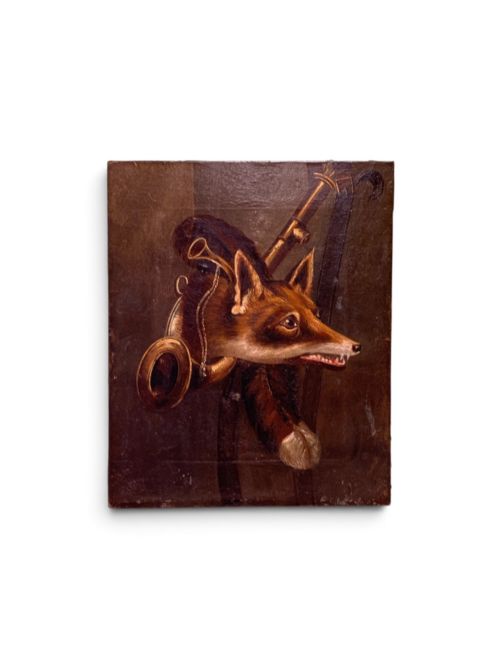
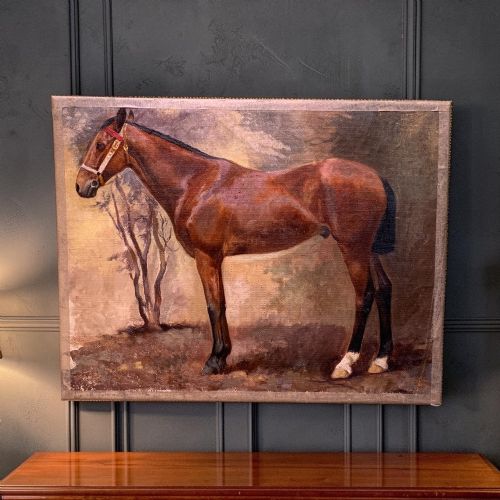
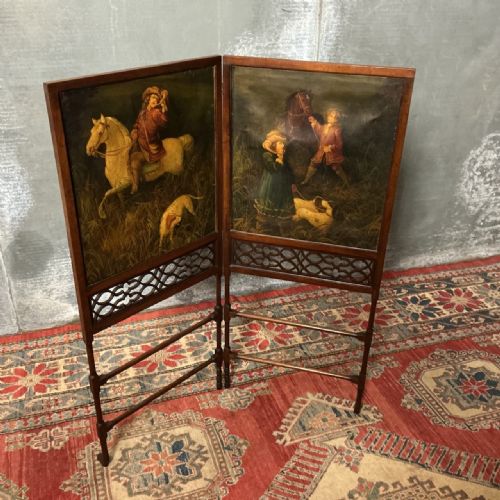
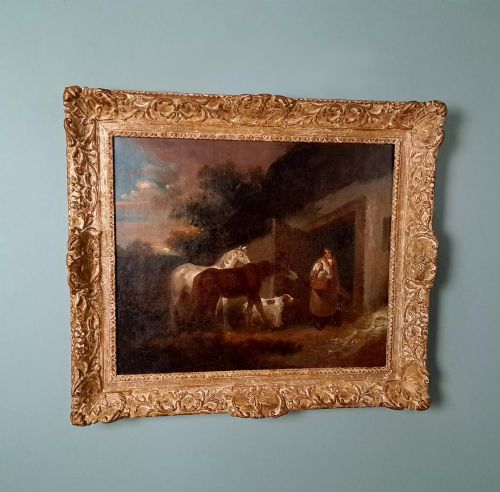
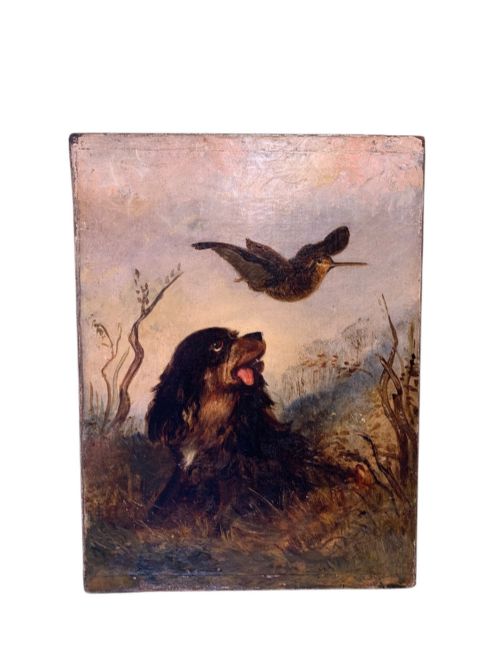
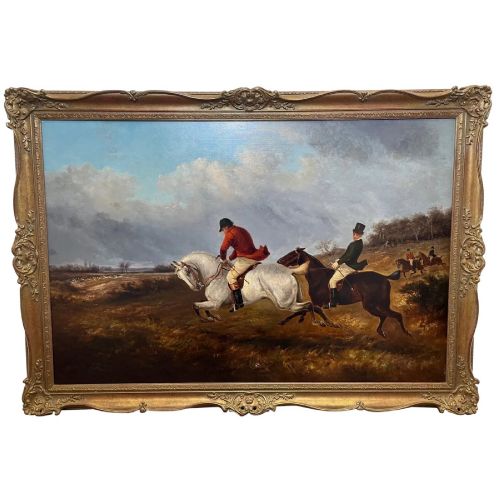
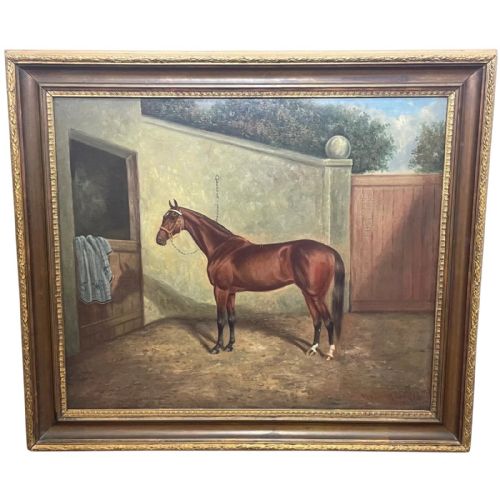
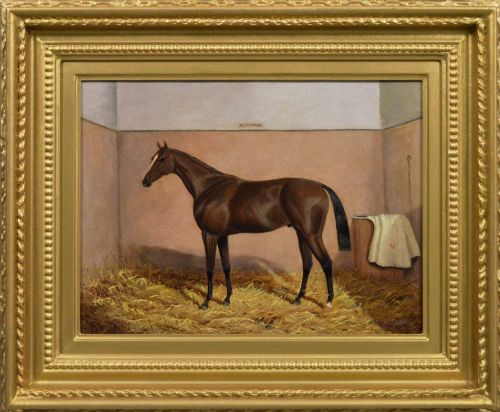
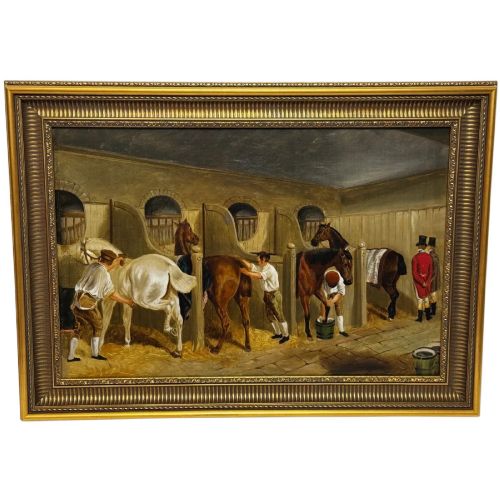
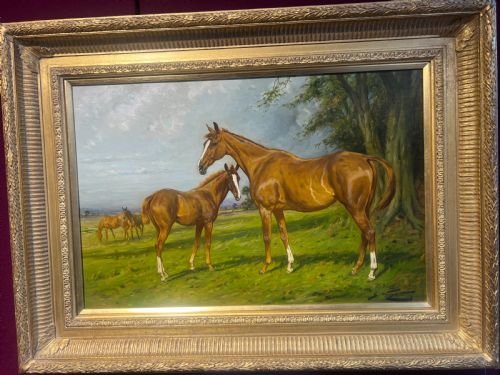
Traditional equestrian painting captures horses, hounds, and sporting life through detailed scenes of fox hunting, racing, and rural work. These artworks preserve a specific sporting heritage cherished by collectors of British art.
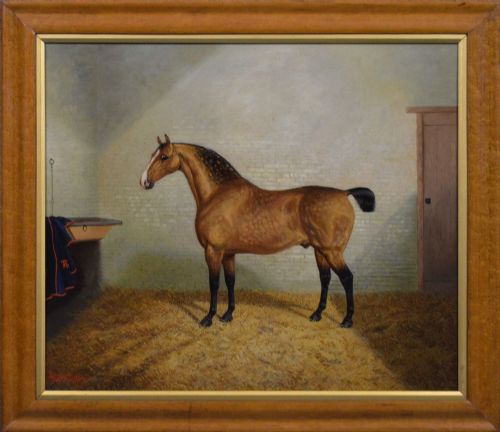
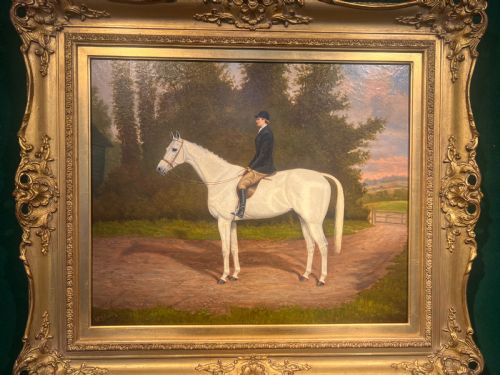
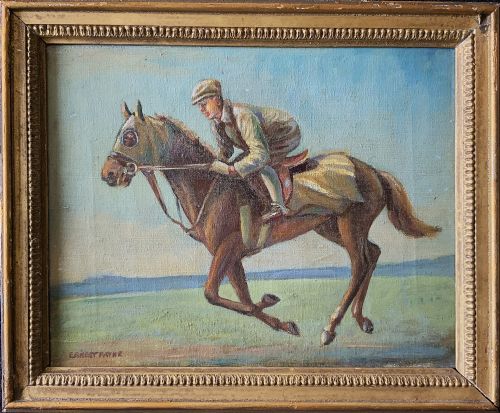
The works you encounter most frequently on this page date from the nineteenth century and the Victorian era, alongside mid-twentieth century examples. Canvases depict notable mounts like the grey bay hunter, famous racehorses, and historic packs with huntsmen.
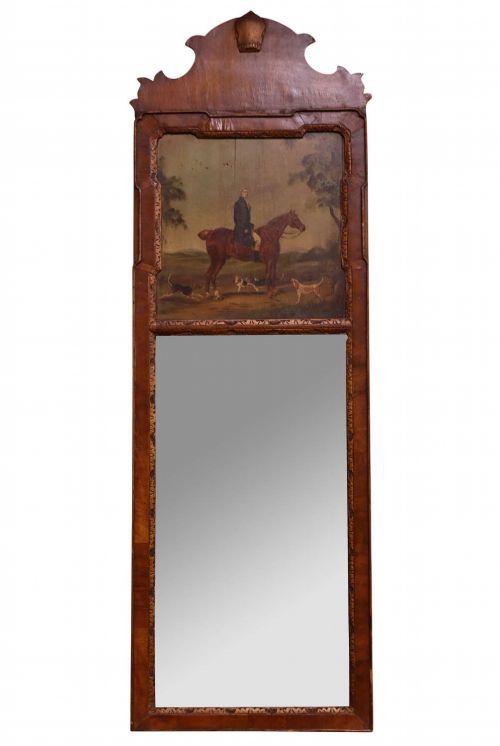
Compositions range from intimate portraits of individual animals to bustling field scenes involving multiple horses and riders. Each piece reflects the enduring British fascination with equestrian sport and animal artistry.
Materials and technique
Artists painted primarily in oil on canvas, applying rich pigments to build depth in the horses' coats and the surrounding landscape. Watercolour on paper also appears among the works, offering a lighter touch.
Finished works found their homes within substantial wooden frames, frequently finished in gilt to complement the traditional subjects.
Retail Price Guide 2026
Typical UK retail prices for traditional equestrian painting, calculated from the Sellingantiques database of over a million retail prices indexed since 2003. This retail price guide relies exclusively on Sellingantiques data; no external sources or auction records are used, so the figures do not describe the wider market.
Tom Firr up a grey horse brings the thunder of nineteenth-century hooves right to your wall.
Judging quality
Quality rests upon the artist's anatomical understanding of the horse and the vitality of the brushwork. Superior examples capture the precise muscle structure, tension, and movement of the animal rather than relying on stiff formulae.
The handling of light across the landscape and the integration of rider and beast separate accomplished works from routine studio production. Signed pieces by established sporting artists carry distinct authority.
Basil Nightingale·Arthur Longley Vernon·Michael Lyne
The Traditional Equestrian Painting Glossary
- Grey bay hunter
- A type of riding horse bred for hunting over fences, frequently depicted in British sporting art with a mixed coat colour.
- Sporting art
- A genre of painting dedicated to depicting bloodstock, field sports, racing, and rural pursuits.
- Gilt frame
- A wooden picture surround covered in a thin layer of gold leaf or gold-coloured pigment, standard for nineteenth-century oils.
- Watercolour
- A painting method where fine pigments are suspended in a water-based solution on paper, producing transparent tones.
Frequently Asked Questions
What is a traditional equestrian painting?
A traditional equestrian painting is an artwork focused on horses, typically set within the context of British sporting life, racing, or hunting. These pieces document horses and hounds with specific attention to anatomical accuracy and sporting tradition.
Such works often depict famous animals, notable huntsmen, or rural scenes involving horses at work and play. They serve as historical records of equestrian culture over the past two centuries.
How were these paintings displayed?
These paintings were traditionally hung in country houses, estate libraries, and sporting lodges to celebrate winning racehorses and favourite hunters. Heavy wooden and gilt frames gave the canvases presence on wood-panelled or papered walls.
Today, they suit similar traditional interiors as well as modern rooms seeking a focal point with historical character. Proper placement avoids direct sunlight to protect the oil paint and paper.
Who painted these works?
The artists behind these pieces specialised in animal painting and sporting subjects, often spending time observing stables, racecourses, and hunt meets. Some attained significant recognition for their lifelike portraits of horses and hounds.
Signatures on the canvas or paper often identify the hand behind the work, linking the painting to documented practitioners of British sporting art.
How do I date an equestrian painting?
Dating relies on stylistic clues, costume details of the riders, framing methods, and the physical composition of the canvas or paper support. Victorian and nineteenth-century works show different framing styles and pigment use compared to mid-twentieth-century examples.
Signatures and recorded titles also provide direct links to the working period of the artist, helping place the artwork within its historical context.