


Red Coat Equestrian Art
Red coat equestrian art captures the pageantry and motion of traditional field sports through oil paintings, watercolours, and prints.
Red Coat Equestrian Art
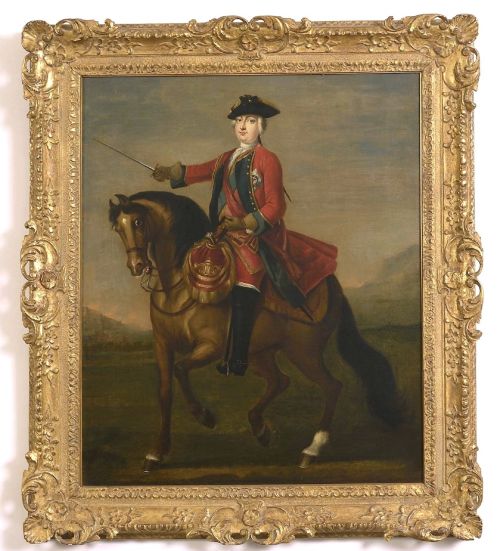
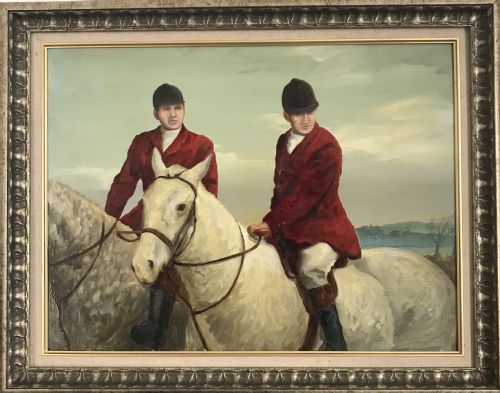
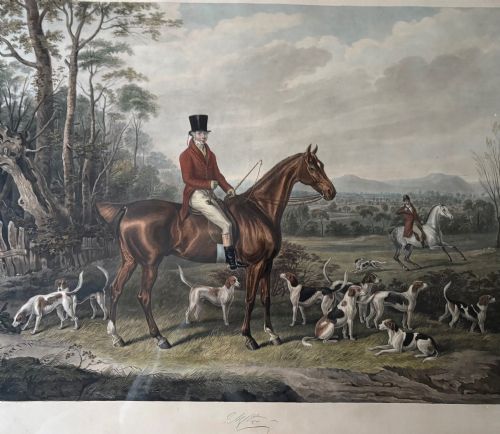
Red coat equestrian art encompasses paintings, watercolours, prints, and framed artworks depicting huntsmen, hounds, and horses in British sporting landscapes. You will encounter nineteenth-century oils and watercolours most frequently on this page, alongside twentieth-century works capturing similar traditions.
The subjects range from detailed portraits of hunts and notable figures to sweeping countryside landscapes and dramatic hunting sequences. These pieces reflect a distinct aesthetic rooted in British sporting art, Georgian, Regency, and Victorian styles.
Works span from the eighteenth century through to the mid-twentieth century, showing both historical battle scenes and rural hunting meets. Collectors find subjects such as the Quorn Hunt, the Berkeley Hunt, and individual riders rendered across canvas, paper, and wood.
How They Were Made
Artists utilised oil paint on canvas and wood panels to build rich textures and deep tones for grand hunting scenes. Watercolours on paper capture lighter, more immediate impressions of hounds in full cry and rural countryside landscapes.
Many works incorporate framed presentations using giltwood to complement the oil paintings and watercolours. Prints and chromolithographs provide accessible interpretations of original compositions created by notable sporting artists.
Red Coat Equestrian Art Retail Price Guide 2026
Typical asking prices for red coat equestrian art among the pieces listed under this phrase on Sellingantiques today, from the lower quarter to the upper quarter. They describe what is for sale here now, not the wider market.
One historical item links a nineteenth-century signet ring and wax seals directly to the eccentric sportsman John 'Mad Jack' Mytton.
What Varies in Quality
Quality rests upon the artist's command of anatomy, movement, and atmosphere within the sporting landscape. Masterful works convey the kinetic energy of horses and hounds with precise draughtsmanship and harmonious colour palettes.
The handling of light and narrative tension distinguishes exceptional paintings from standard illustrations of the hunt. Framing and preservation also influence the overall presence of each piece.
John Wootton and Thomas Hudson·John Arthur Lomax·Basil Nightingale·Charles Faulkner·Gilbert Scott Wright·Charles Clifford Turner·John Sanderson Wells·Thomas Ivester Lloyd·Charles Johnson Payne Snaffles·Heywood Hardy·George Goodwin Kilburne·Geoffrey Mortimer·Frank Algernon Stewart·Wilfred Bailey
The Red Coat Equestrian Art Glossary
- British Sporting Art
- A genre focusing on horses, hounds, field sports, and rural pursuits. It flourished in Britain through the eighteenth, nineteenth, and twentieth centuries.
- Aquatint
- A printmaking technique that produces tonal areas resembling watercolours. It creates subtle gradations of light and shade on paper.
- Chromolithograph
- A multicoloured print produced through lithography. It reproduces the appearance of original paintings and watercolours.
- Giltwood
- Wood carved and coated with gold leaf or gold paint. It frequently forms the decorative frames surrounding oil paintings and watercolours.
- Full Cry
- A term describing hounds in active pursuit of the quarry, raising their voices together. It remains a frequent subject for dramatic hunting watercolours and oils.
Red Coat Equestrian Art: Frequently Asked Questions
What periods do these paintings come from?
The selection includes works spanning from the eighteenth century through the Victorian era into the mid-twentieth century. Artists recorded hunting scenes and equestrian subjects across changing stylistic periods.
Nineteenth-century pieces form a substantial part of the selection, accompanied by Edwardian and later twentieth-century watercolours and prints.
How were these hunting artworks displayed?
Historical paintings and watercolours were typically framed for display in country houses, libraries, and sporting estates. Giltwood frames provided both protection and a formal presentation.
Today, these framed artworks suit traditional studies, hallways, and living spaces designed around classic equestrian aesthetics.
What is the difference between an oil painting and a watercolour?
Oil paintings utilise oil paint on canvas or wood, allowing for rich colour depth and layered textures. They often depict grand, formal hunting scenes and detailed portraits.
Watercolours use pigment on paper to create lighter, more fluid representations of landscapes and fast-moving hounds.
Who are the prominent artists in this genre?
The genre includes works by celebrated sporting artists such as Charles Johnson Payne Snaffles, Heywood Hardy, and Basil Nightingale. Their works capture the distinct atmosphere of the hunting field.
Other notable figures represented include John Sanderson Wells, Thomas Ivester Lloyd, and Charles Faulkner.