
Antique Equestrian Painting
These antique equestrian painting examples capture horses and riders through oil on canvas and watercolour pigment, offering timeless appeal for collectors.
Identifying these works
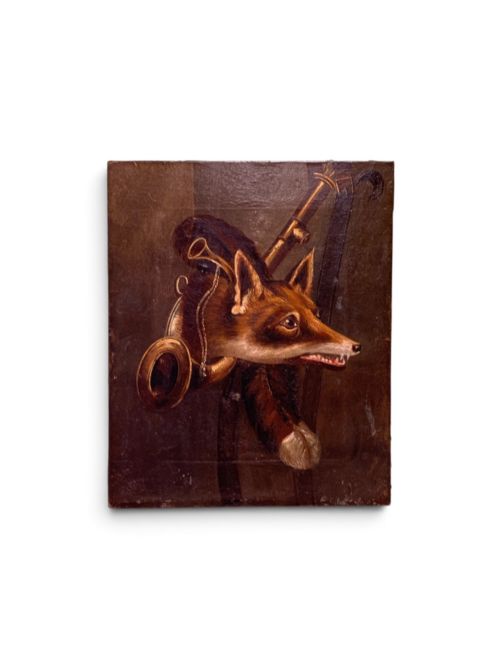
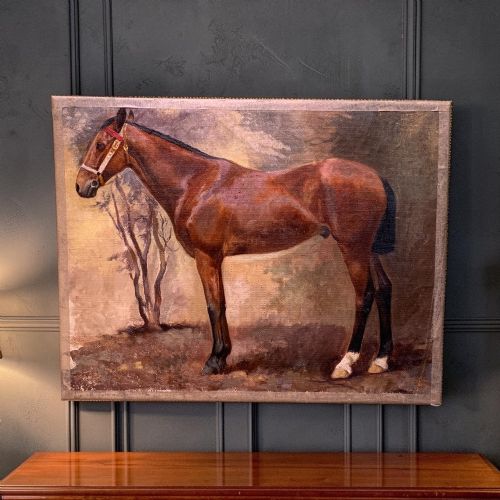
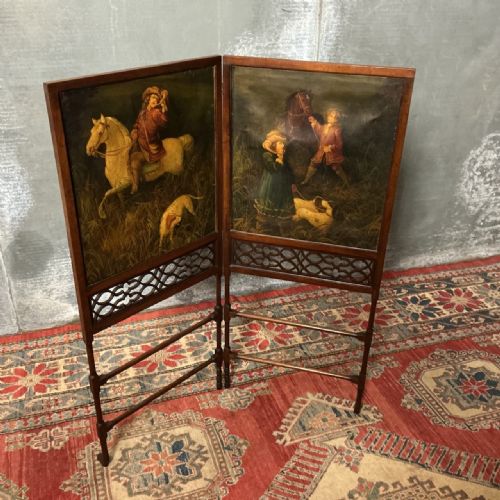
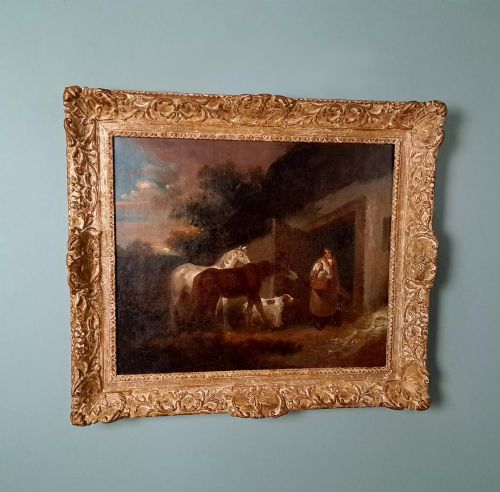
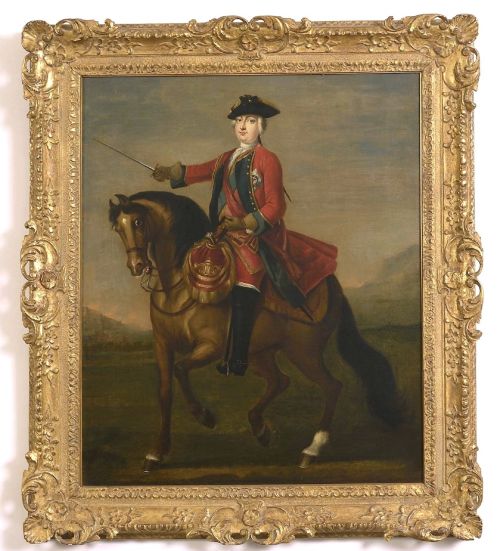
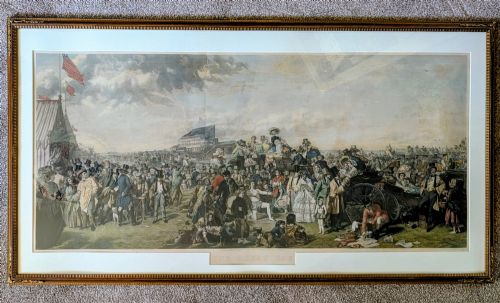
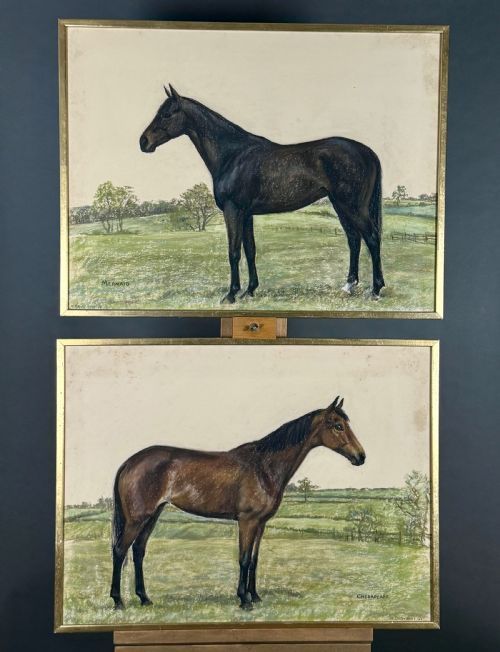
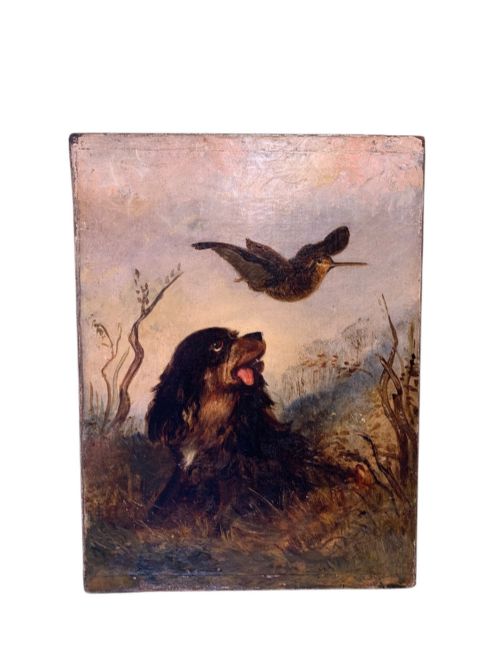
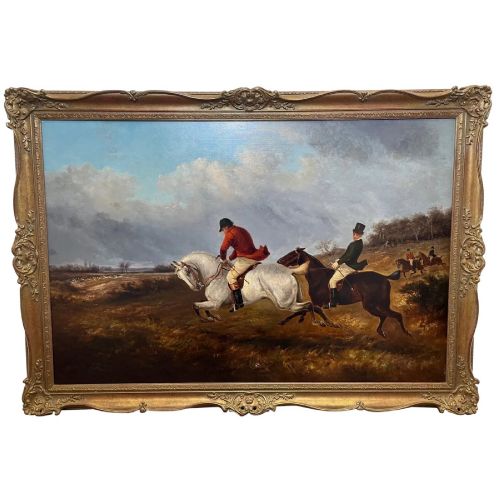
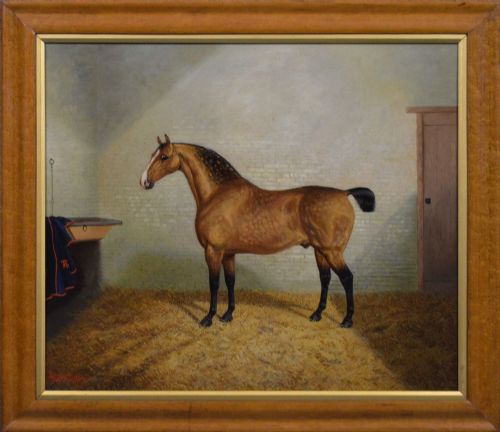
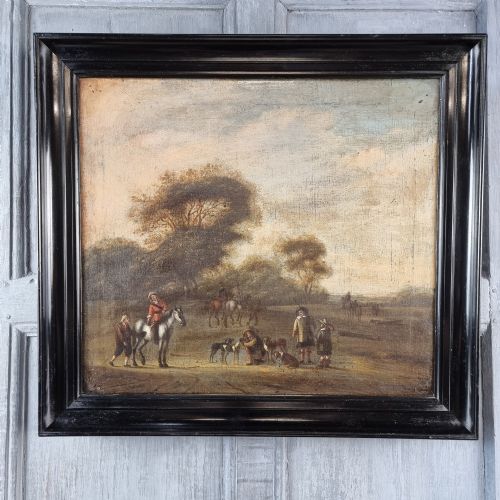
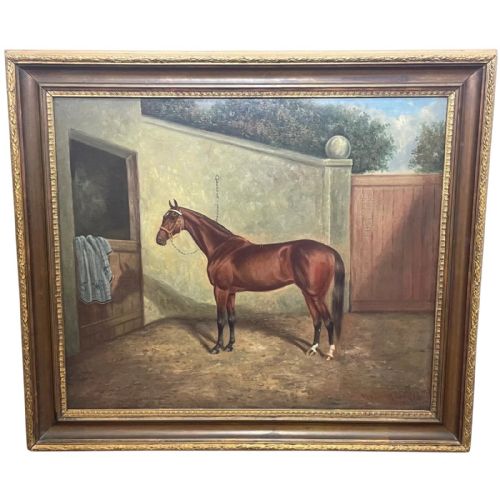
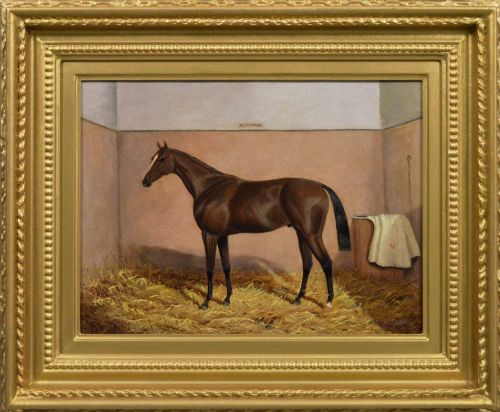
An antique equestrian painting captures horses, riders, hunting scenes, and cavalry subjects across various historical periods. Collectors examine these works to find detailed representations of horses in landscapes, stables, and racing environments.
The pieces on this page span the 19th century, Victorian era, and early 20th century. Forms include framed watercolours, ink works, and oil paintings on canvas or board.
Buyers frequently encounter Victorian sporting art alongside British realism and traditional scenes. These diverse origins provide a comprehensive view of historical equine portrayal.
Materials and methods
Artists utilise watercolour pigment on paper and oil paint on canvas or wood panels. These traditional materials define the surface texture and visual depth of each composition.
Many works incorporate giltwood or gilt wood frames that complement the painted imagery. Ink is occasionally employed alongside watercolour to define finer lines in detailed racing and military subjects.
Retail Price Guide 2026
Typical UK retail prices for equestrian painting, calculated from the Sellingantiques database of over a million retail prices indexed since 2003. This retail price guide relies exclusively on Sellingantiques data; no external sources or auction records are used, so the figures do not describe the wider market.
Several horses in these paintings appear to be judging the viewer rather than the other way around.
Evaluating the standard
The distinction between standard works and superior pieces lies in the anatomical accuracy of the horse and the handling of the background landscape. Masterful brushwork brings movement and depth to the subject, separating routine decorative items from accomplished artistic execution.
Framing also plays a role in the overall presentation, with period gilt frames enhancing the visual impact of the canvas or watercolour. The preservation of the pigment and the integrity of the canvas substrate determine the long-term character of the piece.
J. Beckett·Thomas Mackay·Adrian Jones·Charles Clifford Turner·Karl Georg Arsenius
The Antique Equestrian Painting Glossary
- Watercolour
- A paint consisting of pigment suspended in a water-based solution, applied to paper substrates. It allows for translucent washes and delicate detail work.
- Giltwood
- Wood that has been treated with a thin layer of gold leaf or gilt finish. This material is standard for traditional picture frames housing antique artwork.
- Cavalry
- Military personnel serving on horseback, a frequent subject in 19th-century and Victorian military art. These depictions emphasise uniforms and regimental history.
Frequently Asked Questions
What periods do these paintings cover?
The works span from the early 19th century through the Victorian era up to the mid 20th century. This range encompasses diverse stylistic approaches to equine art.
Collectors can find Georgian influences alongside later Victorian sporting art and early 20th century watercolours.
How were these artworks framed?
Many pieces utilise traditional giltwood or swept gilt frames designed to complement the period aesthetic. These frames enhance the visual presence of the canvas or paper.
Original framing helps preserve the context of the artwork from its era of creation.
What subjects do the paintings feature?
Subjects include fox hunting scenes, racing events, cavalry officers, plough teams, and stable interiors. Horses are depicted both individually and in dynamic group compositions.
Artists document both domestic working animals and military mounts in varied landscapes.
What materials are used in these works?
Artists employ oil paint on canvas or wood board, alongside watercolour pigment and ink on paper. The choice of medium influences the texture and preservation of each piece.
Support materials range from delicate paper sheets to robust stretched canvases.