





Victorian Military Art
When you search for victorian military art, you enter a sphere of oil paintings, campaign furniture, and portraiture recording nineteenth-century campaigns.
Victorian Military Art
Victorian military art encompasses oil paintings, watercolours, framed prints, and solid wood campaign furniture linked to nineteenth-century regiments and officers.
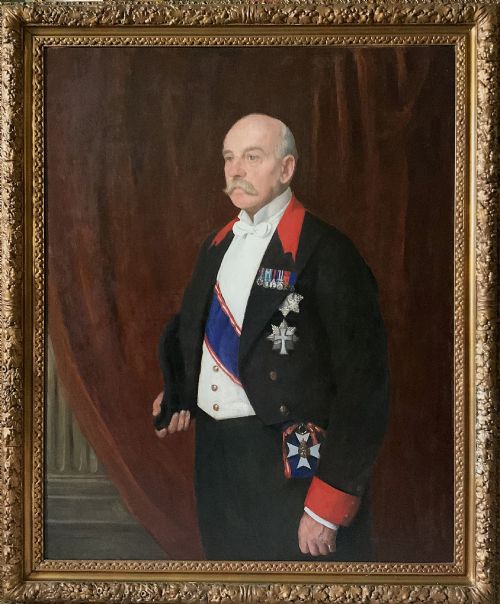
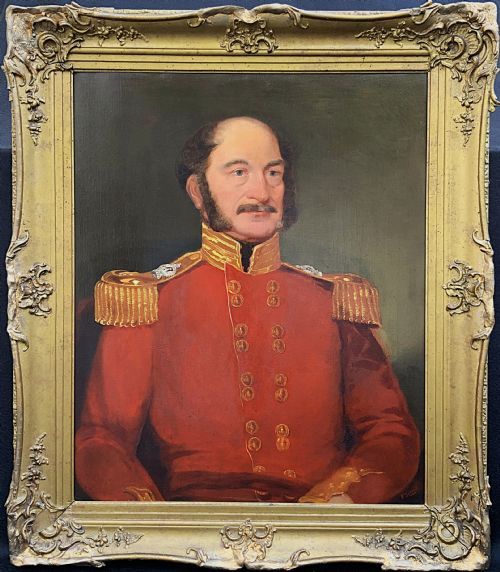
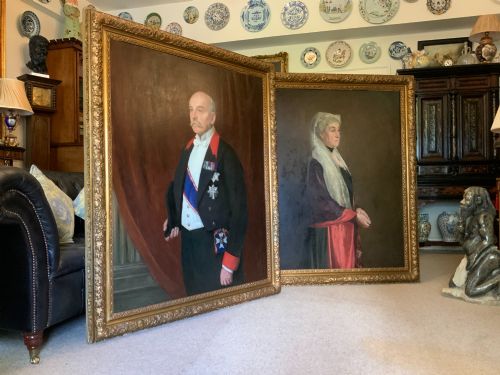
The buyer most frequently meets large oil portraiture depicting red-coat officers, alongside campaign chests constructed in two parts for colonial service.
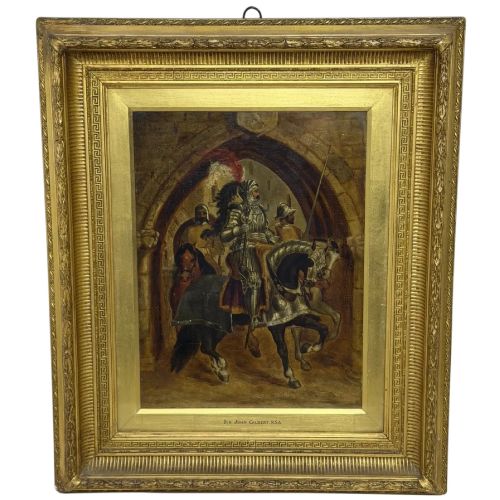
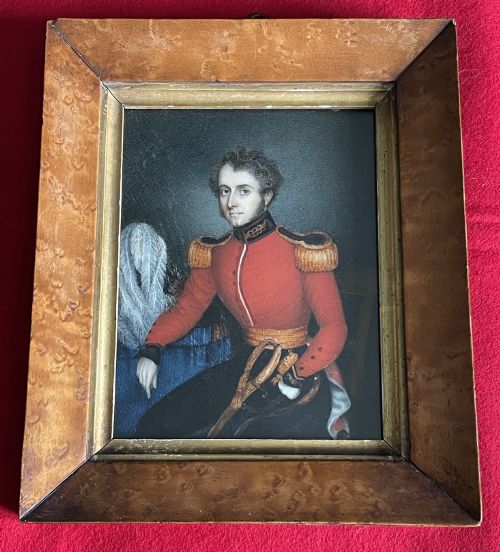
Works range from detailed depictions of historical militia to watercolour studies of midshipmen and cavalry officers.
What varies in quality
Quality rests in the precision of the portraiture and the fidelity of the military uniforms rendered by the artist.
In furniture, the integrity of the timber, the snugness of the two-part joinery, and the quality of the brass mounts determine standing.
Arthur Foley and Son·J Herbert McNair
The Victorian Military Art Glossary
- Campaign chest
- A sturdy chest of drawers built in two separate sections for easy transport on military campaigns. These pieces typically feature brass corners and recessed handles.
- Oil on canvas
- Pigment suspended in drying oil applied to a stretched woven fabric support. This medium allowed artists to achieve deep colour saturation and fine detail.
- Watercolour
- A painting method where fine pigment is suspended in a water-soluble binder on paper. It creates transparent washes often used for portrait miniatures and field sketches.
- Giltwood
- Timber carved and coated with a thin layer of gold leaf or gilt powder. It is commonly found on ornate nineteenth-century picture frames.
- Vanity Fair print
- A chromolithographic caricature published in the weekly magazine during the late nineteenth and early twentieth centuries. These prints frequently portrayed military figures and society members.
Victorian Military Art: Frequently Asked Questions
What subjects appear in victorian military art?
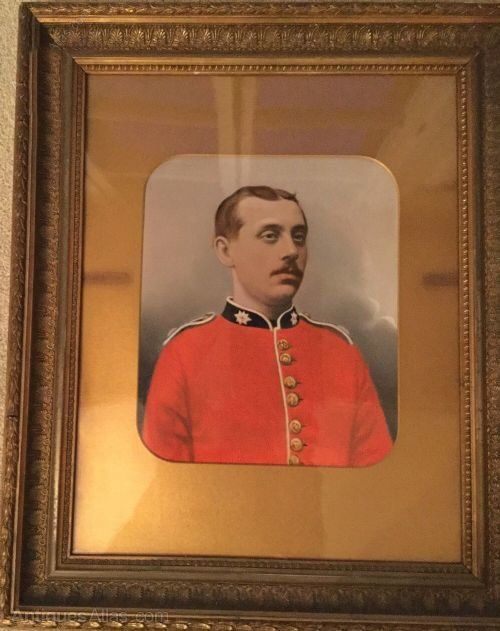
These works feature portraiture of generals, militia officers, and guardsmen, alongside battle scenes and campaign encampments.
Artists also recorded naval officers, volunteers, and historical engagements from the nineteenth century.
How were campaign chests used?
Officers utilised these two-part chests to transport uniforms, equipment, and personal belongings across colonies and military campaigns.
The sectional design and brass reinforcement allowed the furniture to endure rugged transit by sea and land.
How do I date a military painting?
Examination of the uniform details, facial hair styles, and service medals provides a reliable guide to the decade of creation.
Signatures, artist dates, and framing materials further help anchor the piece within the nineteenth century.
Where should I place campaign furniture?
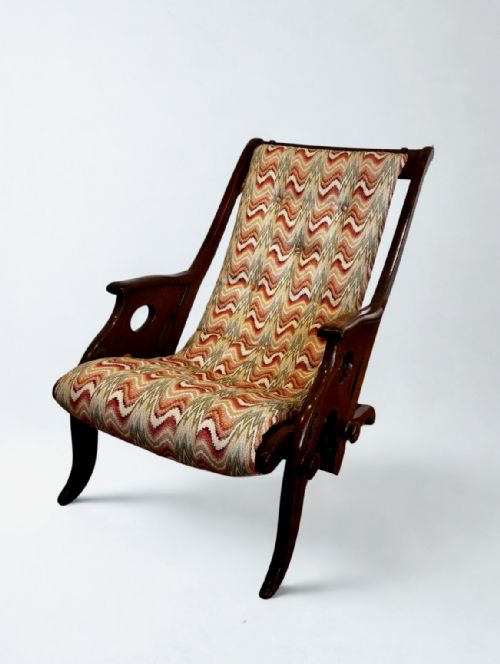
These robust chests and armchairs suit studies, hallways, and living rooms where sturdy timber forms stand out.
Their practical origins make them durable additions to modern interiors.