
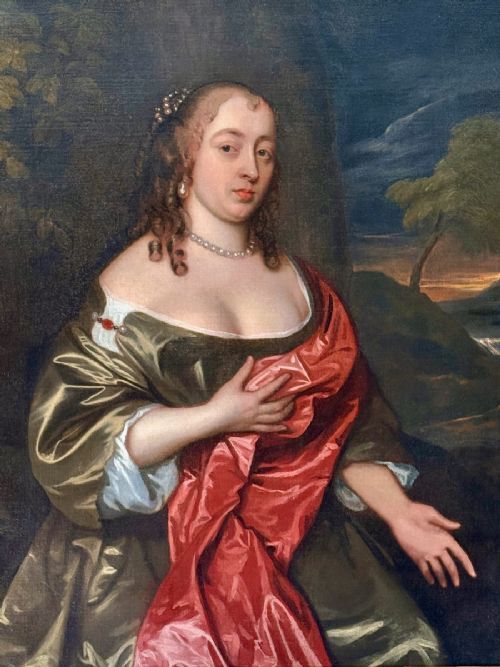
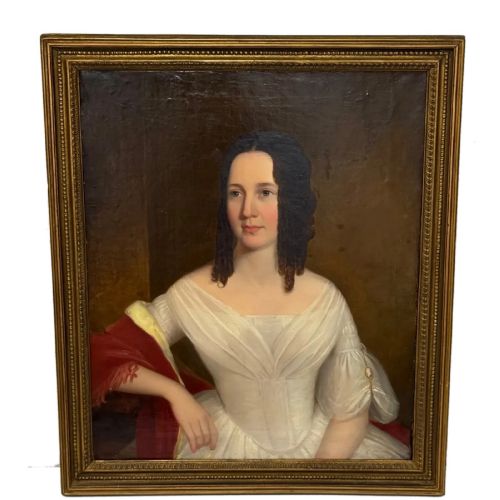

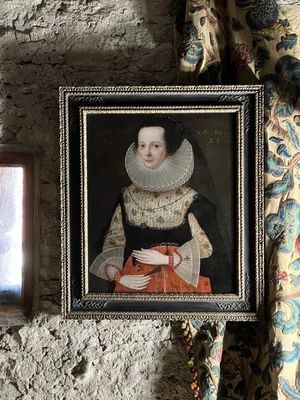
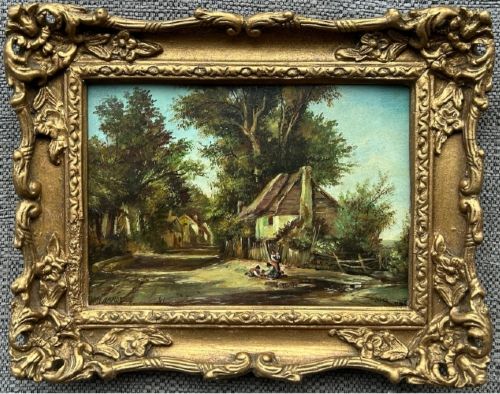
Traditional English Oil Painting
Traditional English oil painting captures the landscapes, rural life and sporting pursuits of past centuries through rich pigments and careful brushwork.
What traditional English oil paintings are
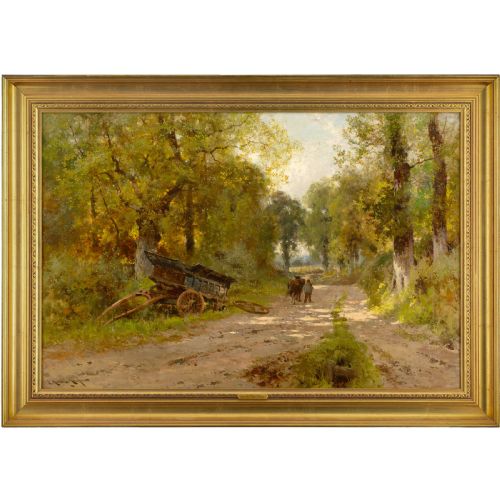
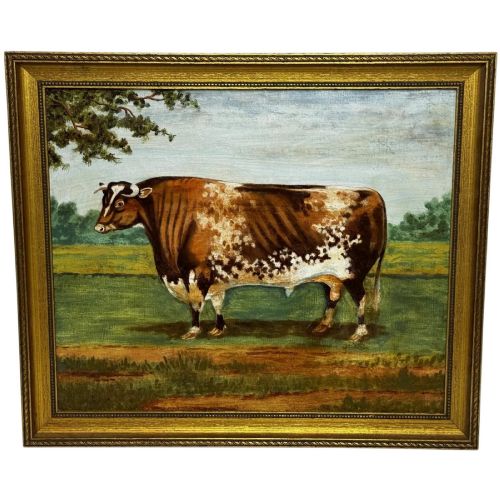
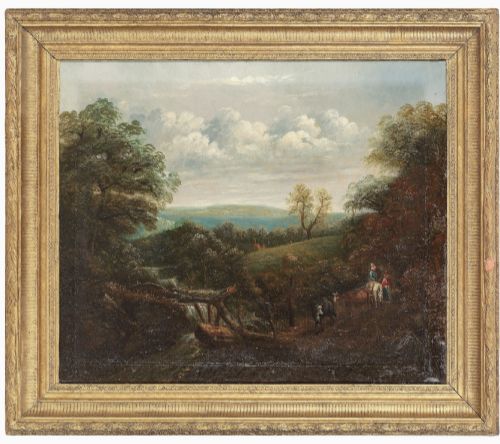
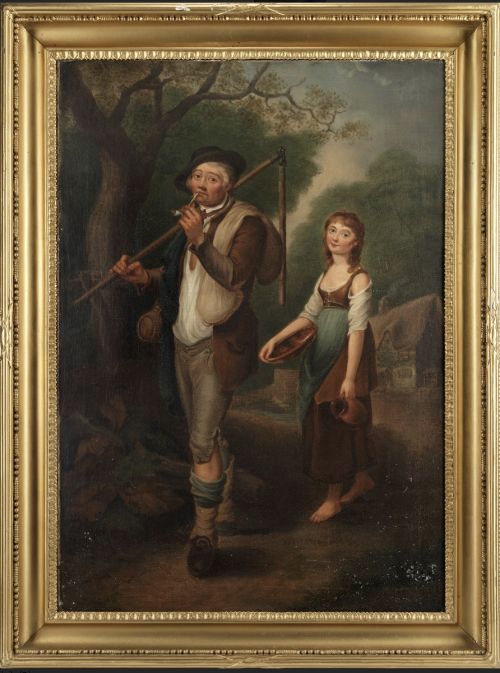
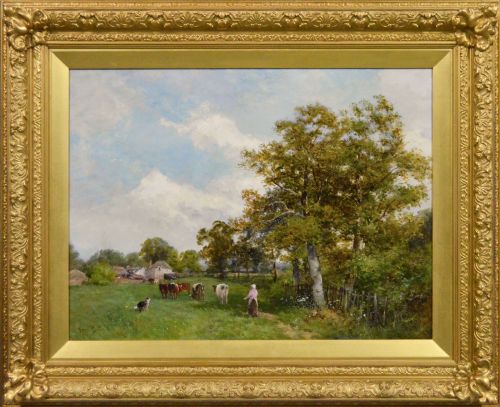
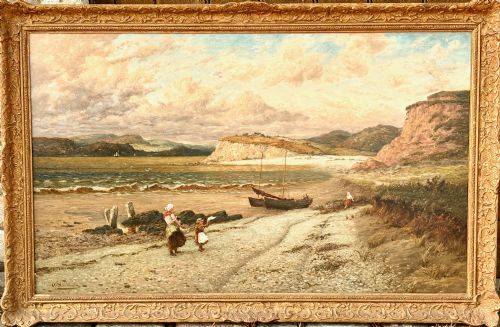
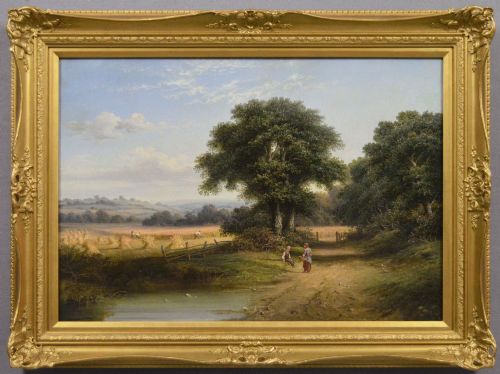
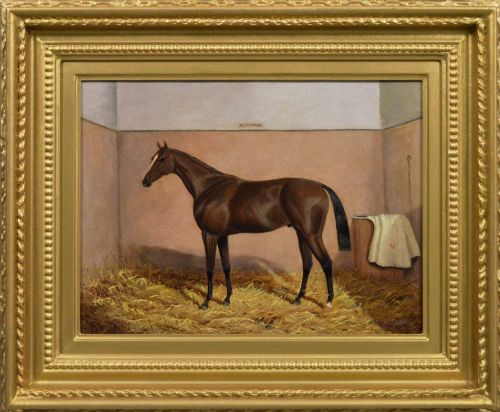
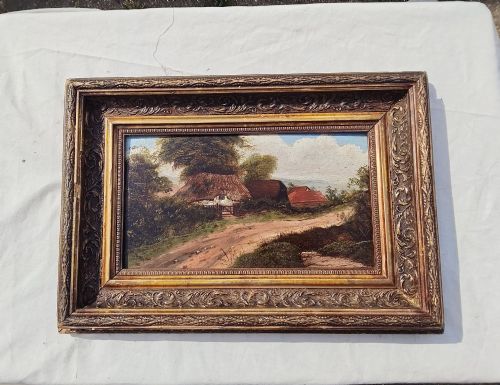
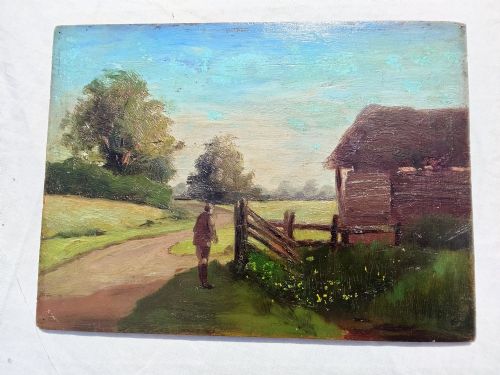
Traditional English oil painting encompasses works produced across various periods including the eighteenth century, the Victorian era and the early twentieth century. These canvases and boards record historical landscapes, agricultural scenes, coaching subjects and domestic animals. Buyers searching for a traditional English oil painting encounter works depicting rural subjects such as haymaking, blacksmith interiors and cathedral views.
The selections on this page feature regional British views, including Wharfedale, Canterbury and Bath. Painters render pastoral settings, fox hunting scenes and rustic farmyards with characteristic British attention to atmospheric weather and local topography. Many examples arrive in period gilt wood or giltwood frames that complement the painted composition.
How they were made
Artists applied oil paint using traditional brushes onto prepared supports such as woven canvas or rigid board. The medium of oil allowed painters to build up layers of colour and achieve subtle transitions of light across pastoral landscapes and interior shadows. Pigments were bound in drying oils to create durable surfaces that retain their depth over centuries.
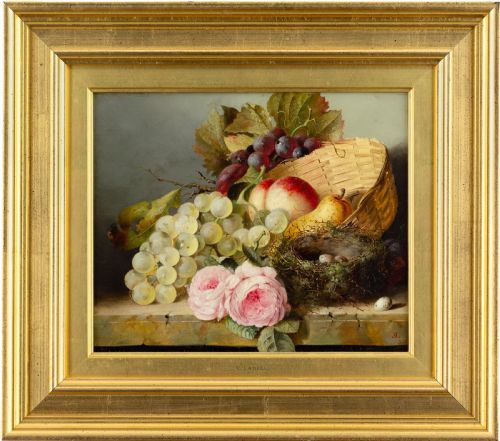
Finished works were typically housed in decorative wooden frames finished with gilt. These frames often utilised carved or moulded wood to enhance the visual weight and presentation of the artwork, protecting the edges of the canvas or board while providing a polished boundary.
Retail Price Guide 2026
Typical UK retail prices for traditional english oil painting, calculated from the Sellingantiques database of over a million retail prices indexed since 2003. This retail price guide relies exclusively on Sellingantiques data; no external sources or auction records are used, so the figures do not describe the wider market.
Several cows make surprise cameo appearances, patiently standing by cathedral walls and milkmaids just to remind everyone who really runs the English countryside.
What varies in quality
Quality in these works rests upon the artist's command of perspective, handling of natural light and anatomical accuracy in figures and animals. Superior paintings demonstrate confident brushwork that brings movement to coaching scenes or cattle in a landscape, whereas lesser works remain stiff and formulaic.
The condition of the painted surface and the originality of the frame contribute significantly to the standing of a piece. Works that retain their untouched pigment layers and period giltwood surrounds offer a more complete historical record than those with heavy overpainting or replacement mouldings.
William Jones of Bath·Henry Collins·William Sidney Cooper·John Charles Maggs·James William Booth·Julius Ceaser Ibbetson
The Traditional English Oil Painting Glossary
- Oil on canvas
- Pigments mixed with drying oil and applied to a stretched woven fabric support. This combination provides a flexible yet durable surface favoured by artists for centuries.
- Oil on board
- Pigments applied to a rigid wooden panel or card support rather than stretched fabric. This method was often employed for smaller studies or outdoor sketches.
- Gilt wood
- Wood coated with a thin layer of gold leaf or metallic gilt powder. It forms the decorative framing commonly found surrounding period paintings.
- Pastoral style
- Artworks depicting idealized rural life, shepherds, agricultural labour and picturesque countryside views. This genre reflects a long-standing British appreciation for the agrarian landscape.
- British Impressionism
- A painting approach focusing on light, fleeting effects and loose brushwork adapted by British artists from continental movements. It captures the natural atmosphere of outdoor scenes.
Frequently Asked Questions
How do I identify the date of a painting?
Dates are often indicated by the clothing styles of figures, architectural details, or inscriptions left by the artist on the reverse of the canvas or board.
Examining the type of stretcher frame and the composition of the wood or canvas can also provide clues to the period of creation.
What subjects are most common?
Rural landscapes, agricultural labour, coaching scenes and animal studies dominate this category of historic British art.
Artists frequently recorded familiar local topography, country houses and pastoral settings that reflected contemporary British life.
How should I care for an oil painting?
Keep paintings away from direct sunlight, extreme temperature fluctuations and high humidity to prevent the canvas or board from warping.
Dust the surface gently with a soft, dry brush and avoid using water or chemical cleaners on either the paint or the gilt frame.
Are these works cleaned or restored?
Many historic paintings have undergone conservation to stabilize the paint surface, remove accumulated grime, or secure the canvas to its stretcher.
Minor touch-ups by past restorers are common in works of significant age and do not detract from their historical interest.