


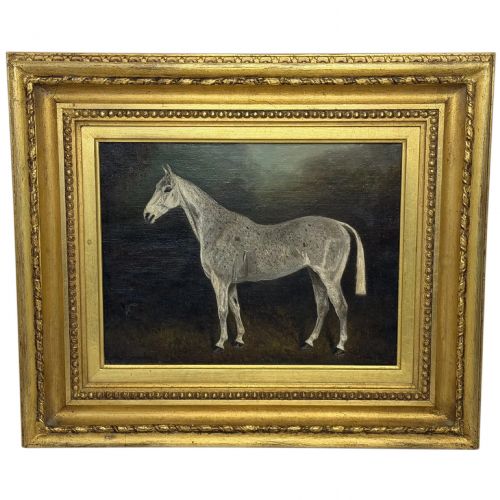
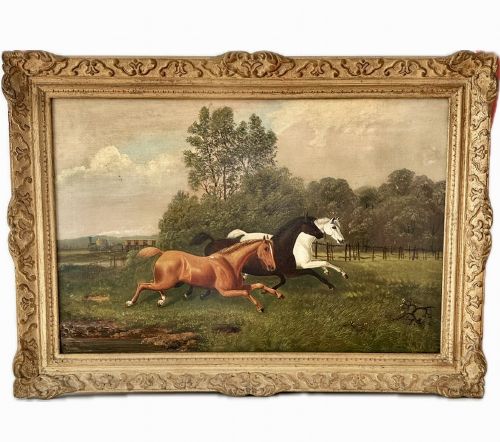
Framed Sporting Oil Painting
A framed sporting oil painting brings the pulse of the field and the stable straight into the room.
Framed sporting oil painting forms
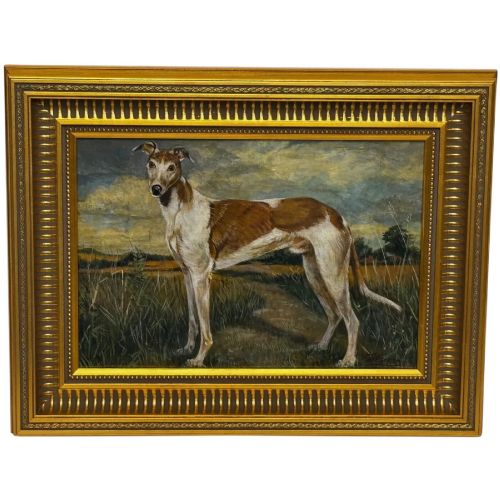
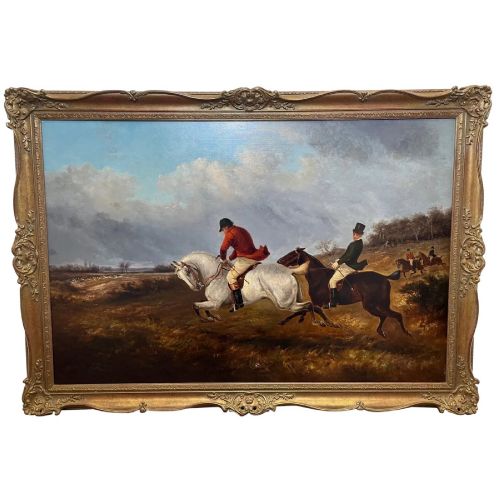
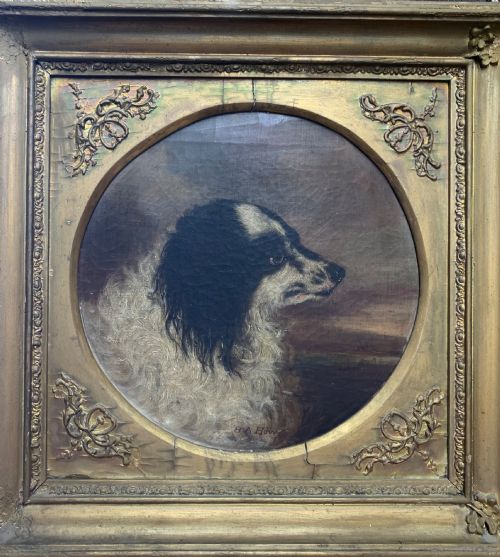
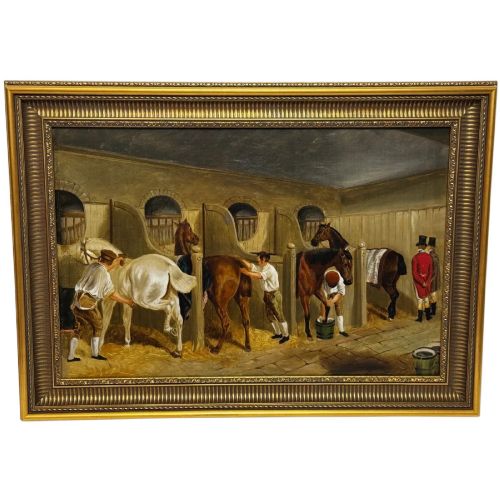
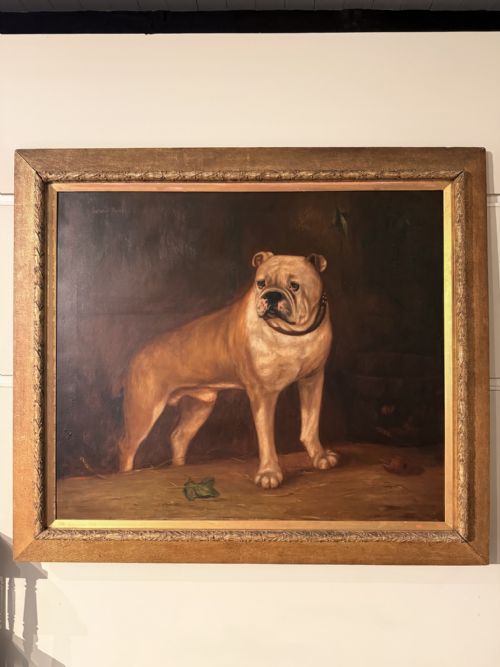
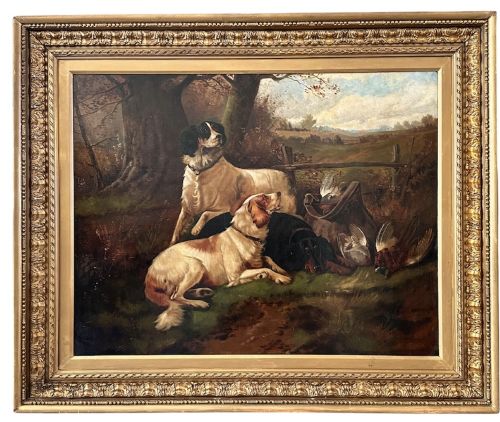
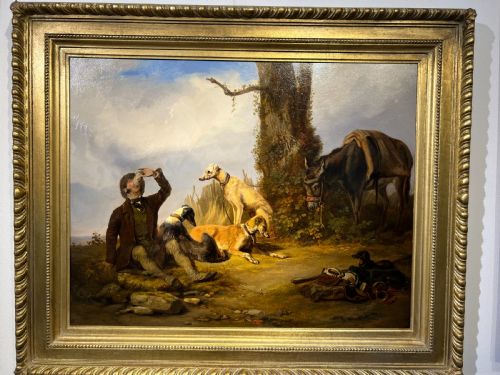
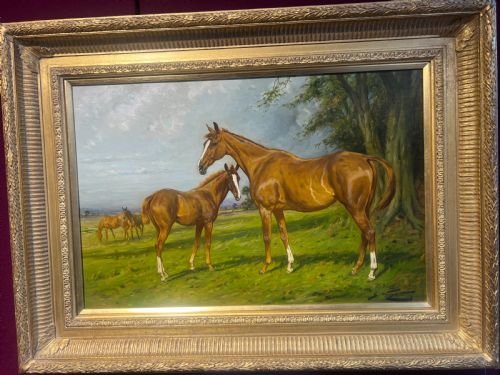
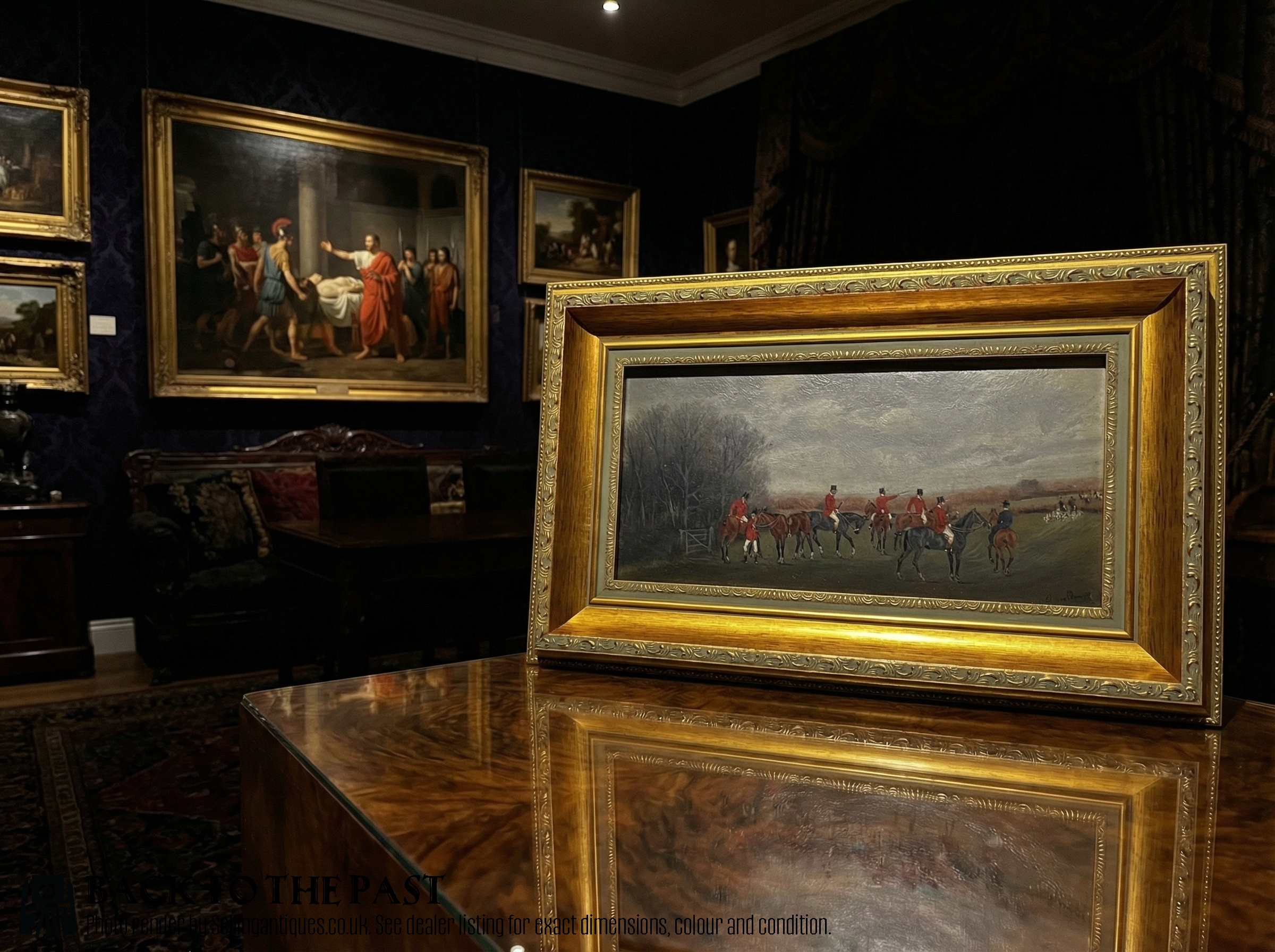
A framed sporting oil painting captures horses, hounds, riders, and rural pursuits across British history. The selection includes works from the Victorian era and the early nineteenth century.
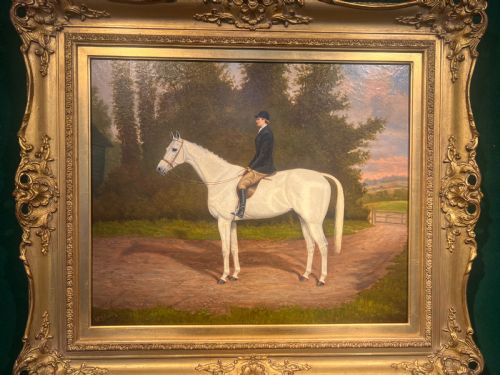
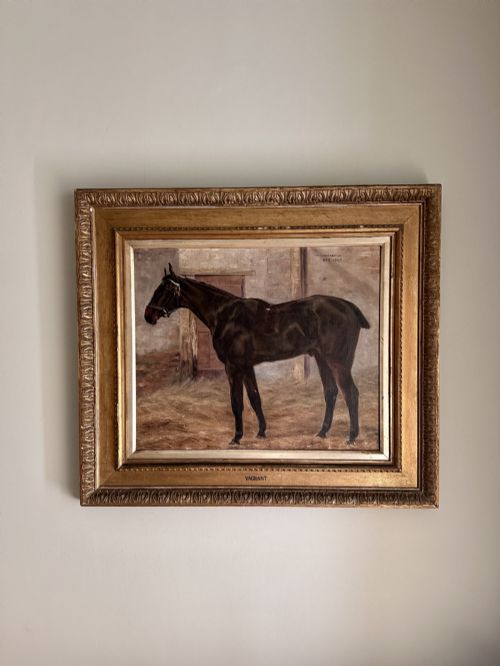
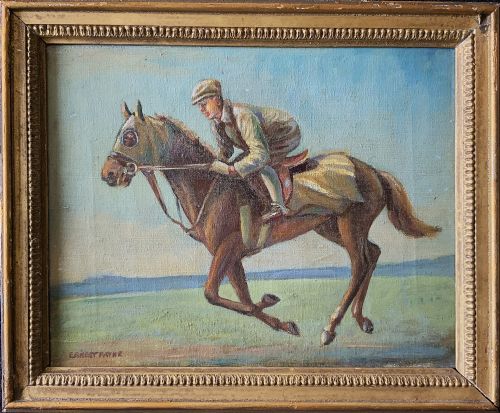
Buyers encounter subjects ranging from fox hunting scenes and racehorses with their jockeys to specific regional portraits like the grey mare Grisette at Nantwich. These pieces arrive mounted in substantial timber and giltwood frames.
Materials and construction
These works are executed in oil pigments applied to either stretched canvas or prepared wooden boards. Artists utilised traditional brushwork to render the sheen of horse coats and the rich tones of the countryside.
The supporting frames consist of carved wood enriched with gold leaf and giltwood finishes. These surrounds provide both structural protection and the classic presentation expected of nineteenth-century art.
Retail Price Guide 2026
Typical UK retail prices for framed sporting oil painting, calculated from the Sellingantiques database of over a million retail prices indexed since 2003. This retail price guide relies exclusively on Sellingantiques data; no external sources or auction records are used, so the figures do not describe the wider market.
Fred Archer makes an appearance here, proving that nineteenth-century jockeys could be just as famous as the horses they rode.
Judging quality
Quality rests upon the artist's command of anatomy, movement, and light within the composition. Works by documented painters command attention through the spirited handling of horses and hounds in motion.
The sophistication of the original giltwood frame and the preservation of the painted surface dictate the standing of each piece. Superior examples retain their original canvas support and clear provenance without heavy overpainting.
Charles Faulkner·Thomas Blinks
The Framed Sporting Oil Painting Glossary
- Oil on canvas
- Pigment bound in drying oil applied to a woven fabric stretched across a wooden frame. This remains the standard medium for major nineteenth-century works.
- Giltwood
- Timber carved and coated with a thin layer of gold leaf or metallic powder. It creates the bright, reflective borders typical of period frames.
- Full cry
- The moment during a hunt when the entire pack of hounds catches the scent and gives tongue together. Artists frequently painted this peak of the chase.
- Grisette
- A term historically used for a grey horse or mare, often recorded in nineteenth-century sporting titles along with the specific location of the portrait.
Frequently Asked Questions
What periods do these paintings come from?
The available works span the nineteenth century, including Georgian and Victorian examples.
Specific dates within the listings reach up to nineteen-twenty, reflecting traditional British sporting subjects.
Are all the paintings on canvas?
Most works utilise oil on canvas as the primary support for the pigment.
Some pieces are executed on oil on board, offering a sturdy alternative surface favoured by certain artists.
How should I hang these framed paintings?
These works require secure wall fixings due to the weight of the timber and giltwood frames.
Keep them away from direct sunlight and damp walls to preserve the oil pigments and gold leaf.
What subjects are most common?
Fox hunting scenes, racehorses with jockeys, and individual equine portraits dominate the selections.
Famous hunts and named horses like Grisette at Nantwich appear frequently in the titles.