


Early 20th Century Oil
Early 20th century oil paintings capture the changing light and rural scenes of the Edwardian and modernist eras through rich brushwork.
Early 20th Century Oil
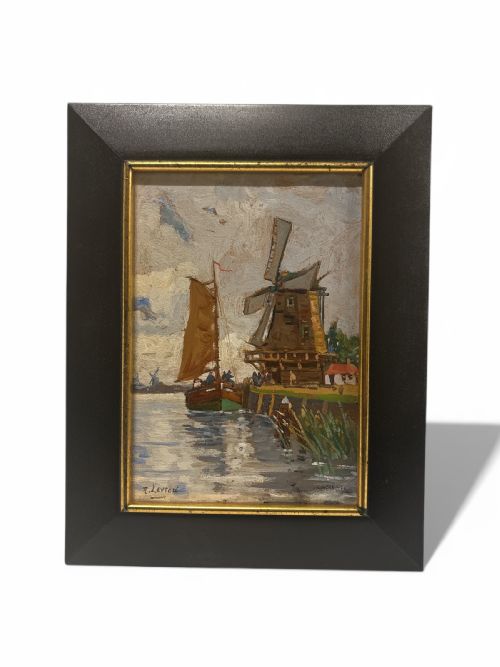
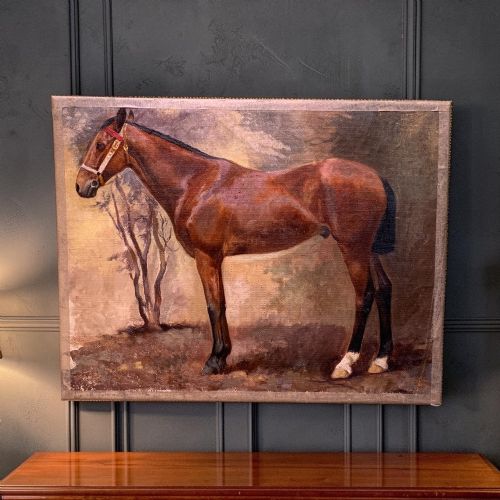
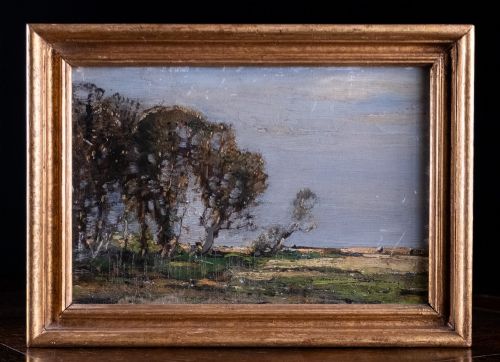
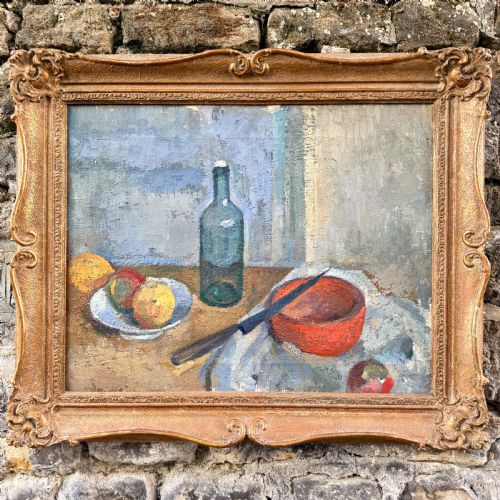
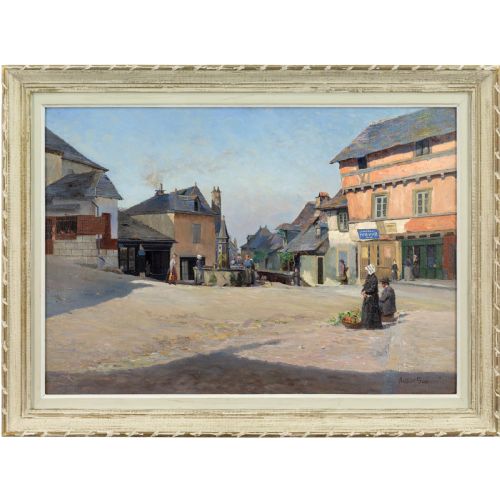
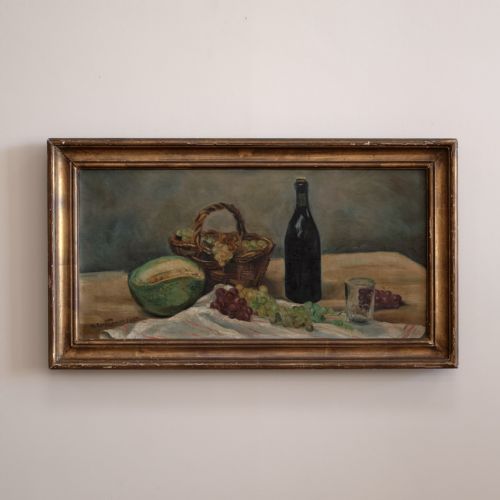
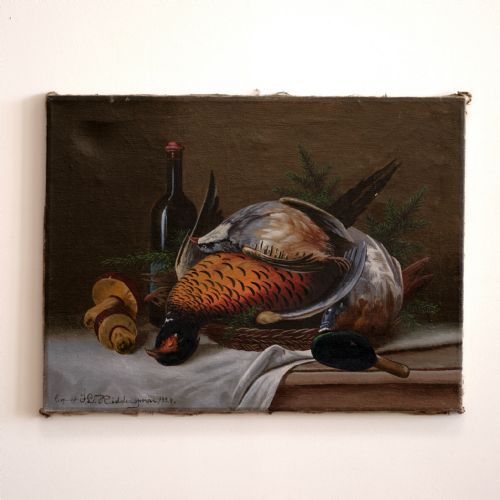
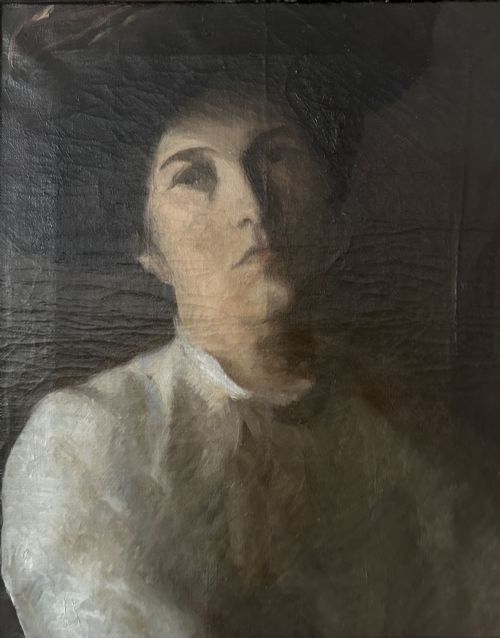
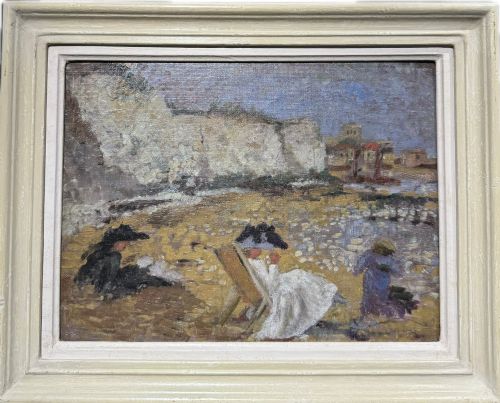
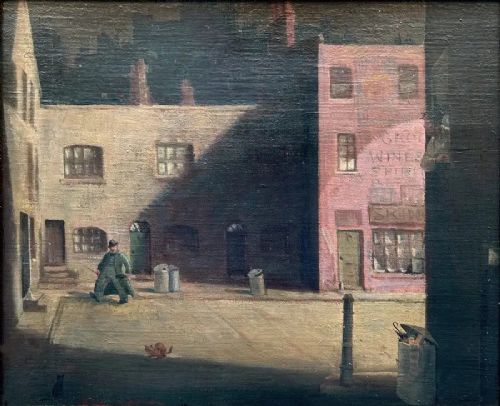
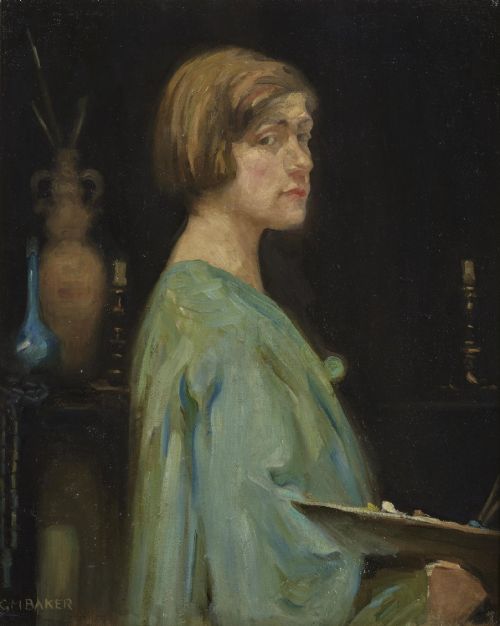
When you search for early 20th century oil, you enter a diverse period of painting that spans impressionist landscapes, detailed still lifes, and intimate portraits. The selections here showcase British Impressionism, Post-Impressionism, and Edwardian traditional scenes alongside continental works.
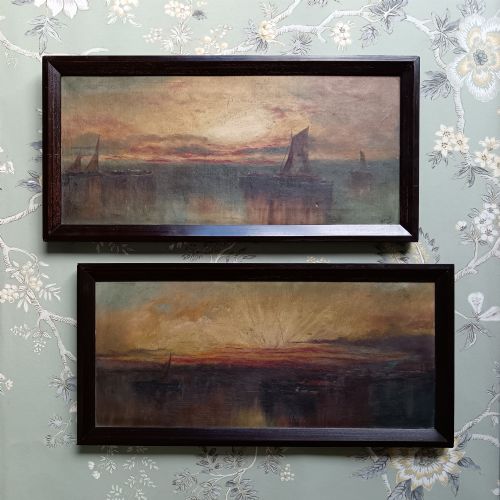
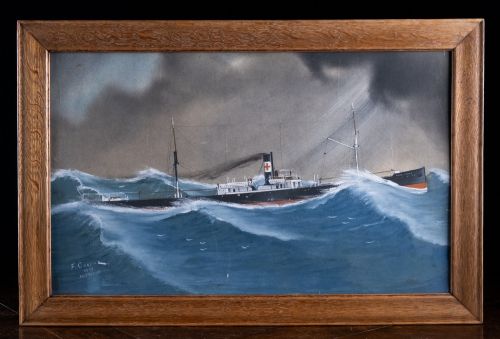
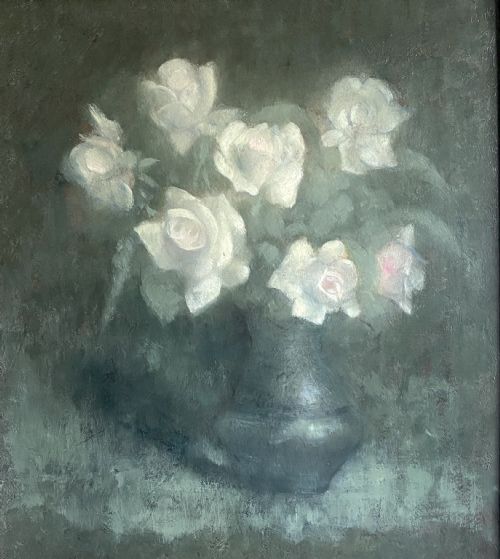
The most common subjects encountered on this page are pastoral landscapes, marine views featuring sailing ships, and floral still lifes. Painters captured daily life, coastal weather, and quiet domestic interiors on various supports.
Originating largely from British and European studios, these works reflect both academic training and the looser brushwork of early modernism. Buyers find everything from expansive Scottish highland views to delicate fruit and flower arrangements.
How They Were Made
Artists applied oil paint using traditional bristle brushes and palette knives, building up texture through impasto or laying down smooth, atmospheric glazes. The medium allowed for slow blending and deep colour saturation.
Canvases were typically stretched over wooden frames, while smaller sketches and studies were frequently executed on wooden panels, board, or card. Some panels were prepared with a smooth gesso ground to hold fine detail.
Early 20th Century Oil Retail Price Guide 2026
Typical asking prices for early 20th century oil among the pieces listed under this phrase on Sellingantiques today, from the lower quarter to the upper quarter. They describe what is for sale here now, not the wider market.
The listings span the Edwardian era through the 1940s, featuring oil, gouache, and mixed media on canvas, wood, and board.
What Varies in Quality
Compositional strength and the confidence of the brushwork set the finer paintings apart from more formulaic student or amateur pieces. A superior canvas demonstrates an assured handling of light, shadow, and spatial depth.
The preservation of the paint surface and the originality of the mounting also dictate distinction. Works retaining their period gilt frames or remaining unlined show a higher degree of historical integrity.
Tom Campbell·Kershaw Schofield·Arthur Gué·Ernest Higgins Rigg·Alexander Jamieson·Hubert Wellington·Oliver Hall
The Early 20th Century Oil Glossary
- Impasto
- Paint applied thickly to a canvas or panel, leaving visible brush or palette knife marks that catch the light. This technique adds tactile dimension to foliage, waves, and highlights.
- Canvas laid onto board
- A conservation or studio method where an older fabric canvas is adhered to a rigid backing for stability. It prevents sagging in damp environments.
- Gilt frame
- A wooden picture frame coated with gold leaf or metallic paint, common in Edwardian presentations. They enhance the warmth of oil pigments.
- Post-Impressionism
- An art movement extending impressionist ideas while rejecting its limitations, favouring expressive forms and symbolic colour. Works in this style show bolder outlines and emotional resonance.
- Panel
- A rigid support of wood or metal used instead of stretched canvas for smaller paintings. They offer a firm surface that resists punctures.
Early 20th Century Oil: Frequently Asked Questions
What is the difference between canvas and board?
Canvas provides a flexible, textured surface stretched over a wooden frame, whilst board is a rigid, flat support.
Board was frequently utilised for smaller plein air sketches because it required no stretching.
How do I identify an Edwardian frame?
Edwardian frames often feature moulded plaster ornamentation, such as egg and dart patterns, finished in gilt.
Many retain their original gilding and backboards, matching the creation date of the artwork inside.
Where should I hang an oil painting?
Hang paintings away from direct sunlight and fluctuating heat sources like radiators to protect the canvas and paint.
Stable indoor humidity prevents the wooden stretcher bars and panels from warping over time.
Are all these paintings British?
The selection includes a strong representation of British and Scottish schools alongside continental European works.
Artists frequently travelled across France, Italy, and Switzerland, capturing regional landscapes and coastal scenes.